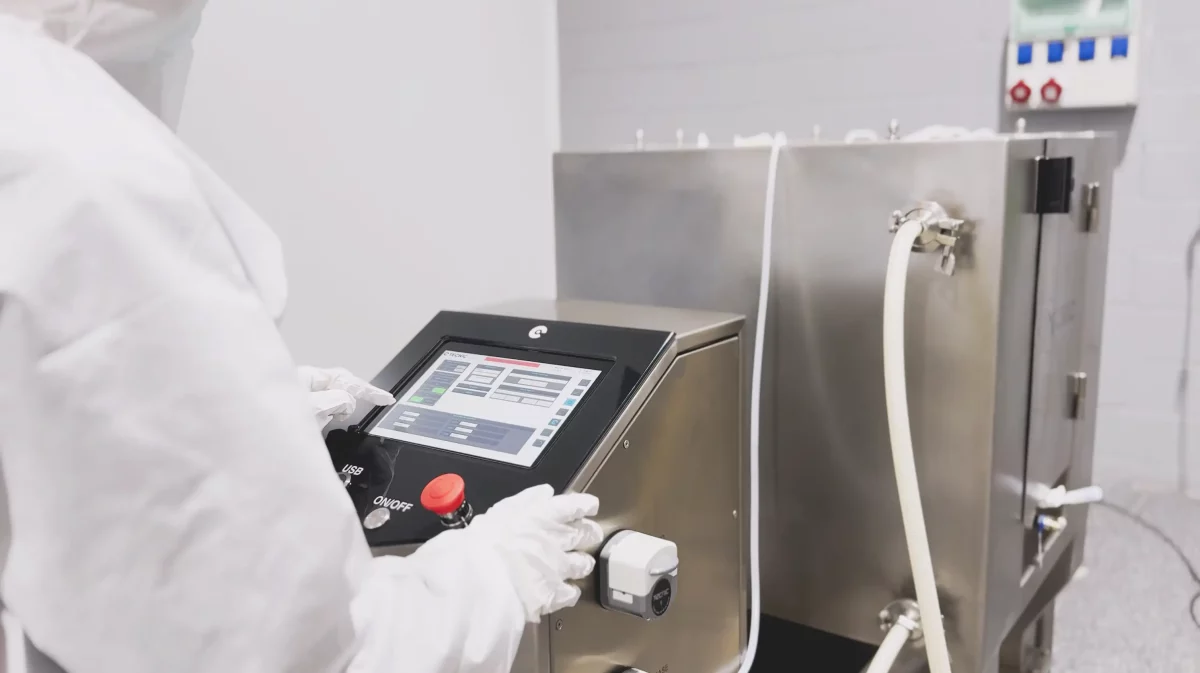


Scalability in biotech is not only the ability to move from a small vessel to a larger one. It is the ability to keep the process understandable, controllable and productive while the scale changes.
That is why many scale-up efforts fail even when the biology looks promising. What works in research does not automatically remain stable in pilot or production if the control logic, mixing, oxygen transfer and operational workflow all change at the same time.
A scalable biotech process is one that preserves the key process conditions from research to production while adapting the equipment, control and operational setup in a predictable way.
Why scale-up is hard in biotech
Scale-up is difficult because biological systems do not respond only to volume. They respond to the full process environment, including mixing, oxygen transfer, shear profile, temperature control, sampling logic and the way operators actually run the equipment.
This is why a process that looks strong in research can become unstable when transferred. The biology has not changed, but the environment around it has.
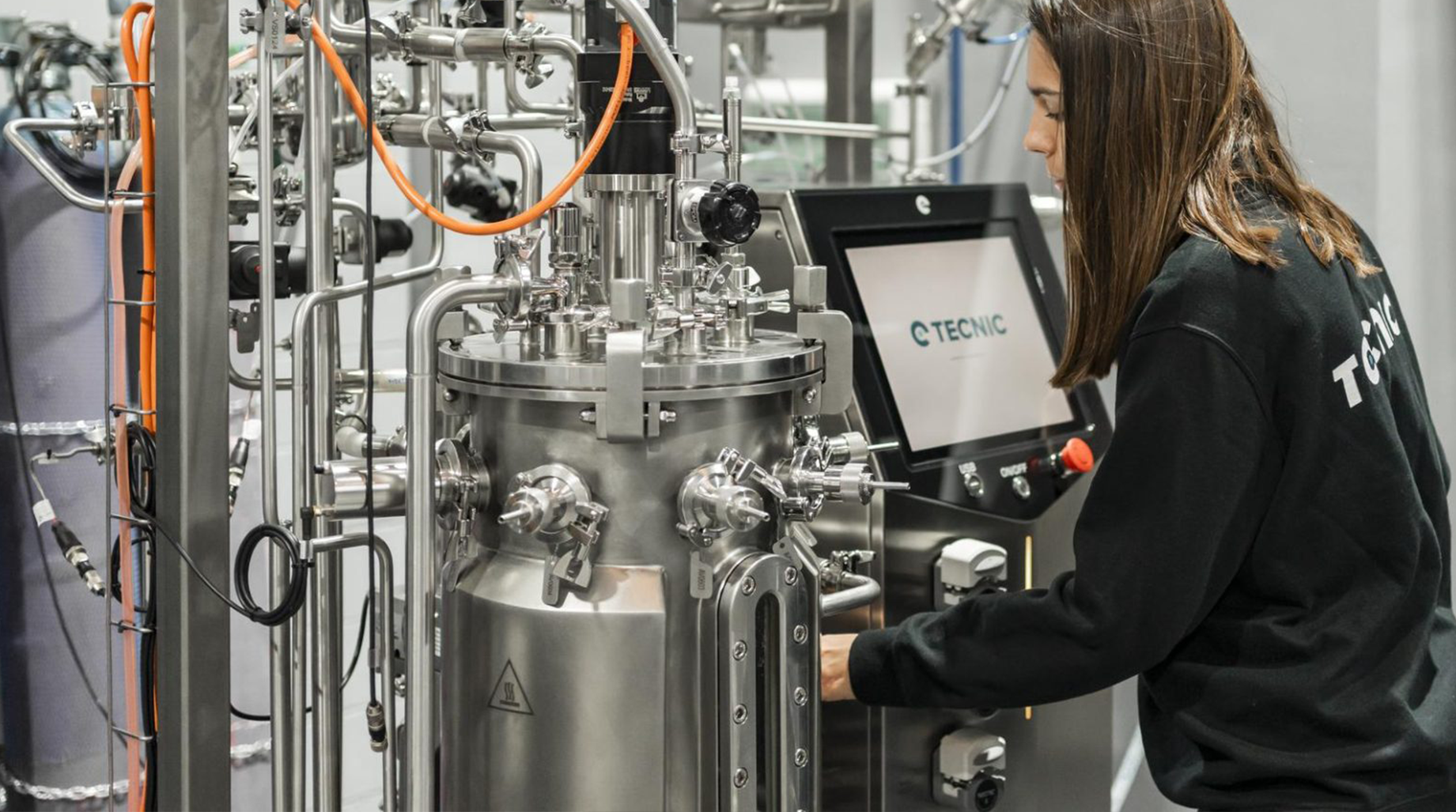
Good scale-up is not bigger equipment. It is controlled continuity.
What usually breaks during scale-up
Most scale-up problems appear because several variables drift at once. The process is not only larger, it is often differently mixed, differently controlled and handled with different routines.
Changes in vessel size can alter kLa, gas distribution and homogenisation more than teams expect.
A process becomes less predictable if the user interface, automation or alarms change too much between scales.
Cleaning, sampling, additions and handling may become much more complex at larger scale.
What must stay consistent from research to production
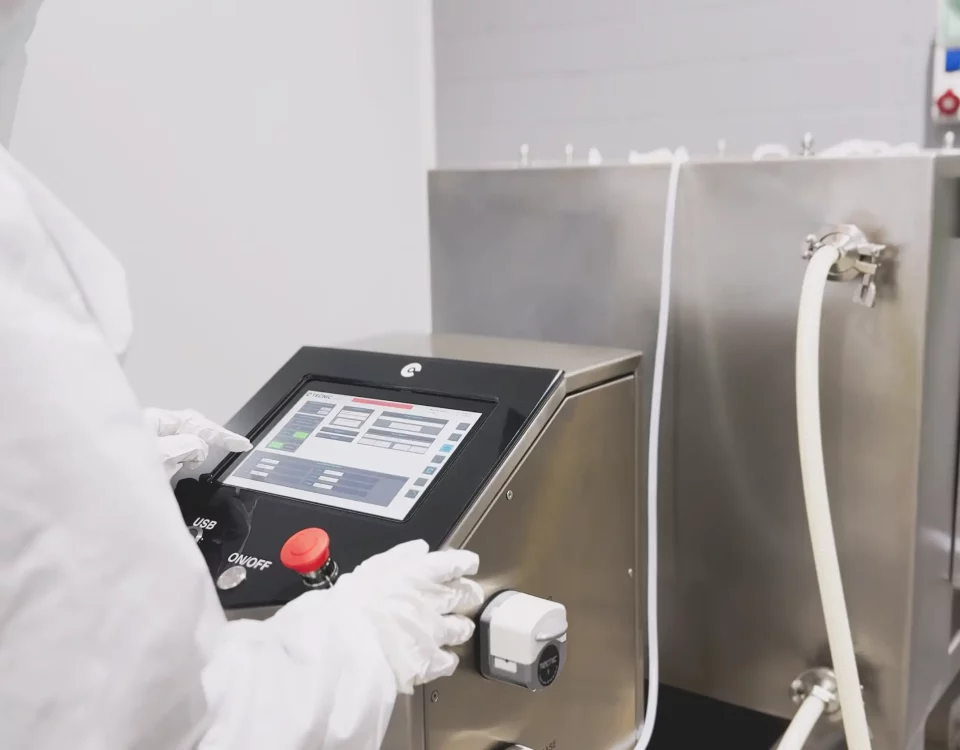
The article on TECNIC’s site highlights several points that make scale-up more robust: precise parameter control, advanced automation, modular design, intuitive operation and expert technical support. Those are important because they reduce how much the team has to relearn at each stage. [oai_citation:1‡TECNIC Bioprocess Solutions](https://www.tecnic.eu/scalability-in-biotech-from-research-to-production/?utm_source=chatgpt.com)
Why modularity and automation matter so much
Modularity matters because biotech production needs change. A rigid setup can become a bottleneck when the product mix, process route or required capacity evolves. Automation matters because it helps reduce variation and makes process execution more reproducible across stages.
The TECNIC articles on scalability and bioreactor scalability both reinforce this point. They present modularity and automation as practical ways to support a smoother transition between R&D, pilot and production. [oai_citation:2‡TECNIC Bioprocess Solutions](https://www.tecnic.eu/scalability-in-biotech-from-research-to-production/?utm_source=chatgpt.com)
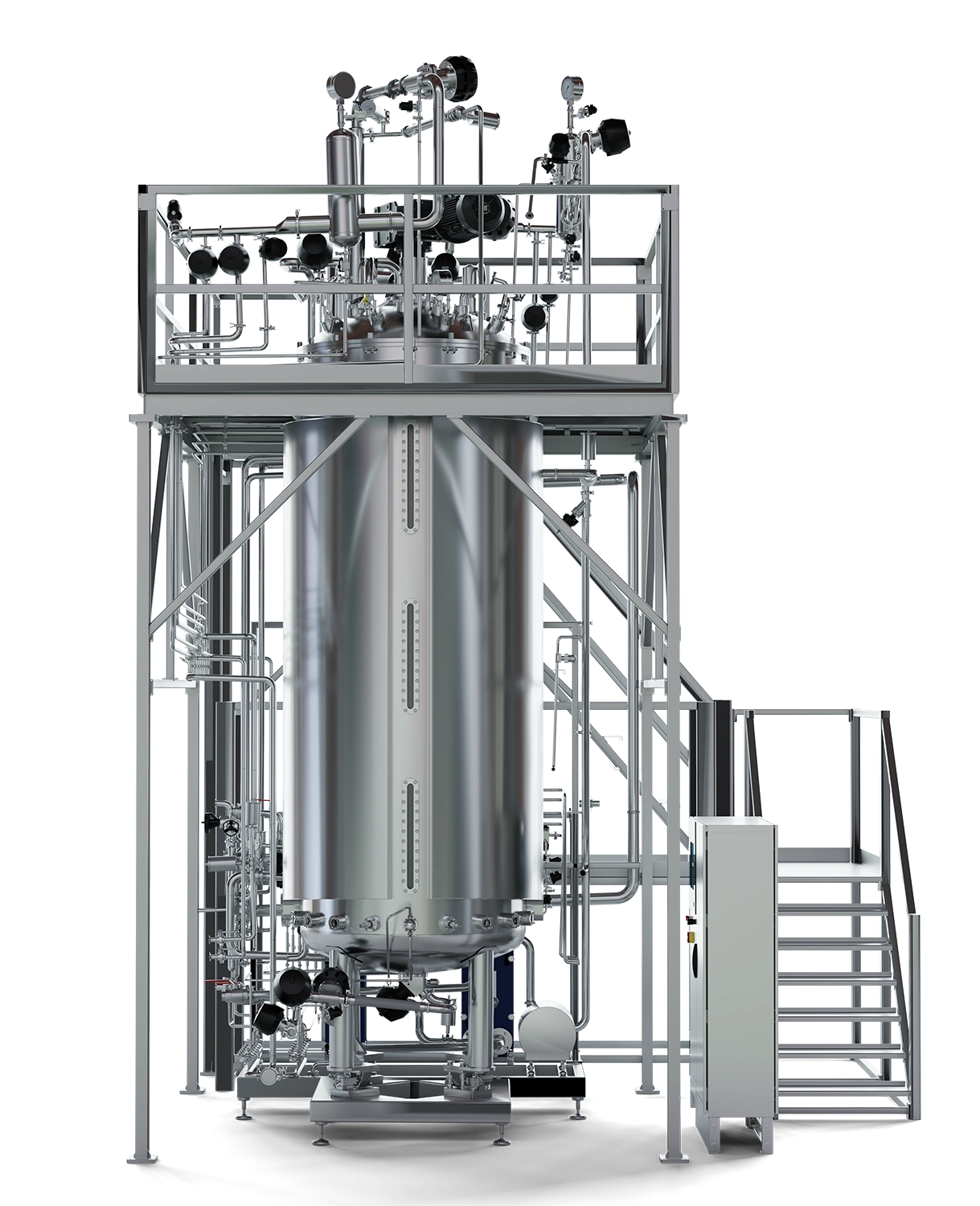
How downstream fits the scale-up path
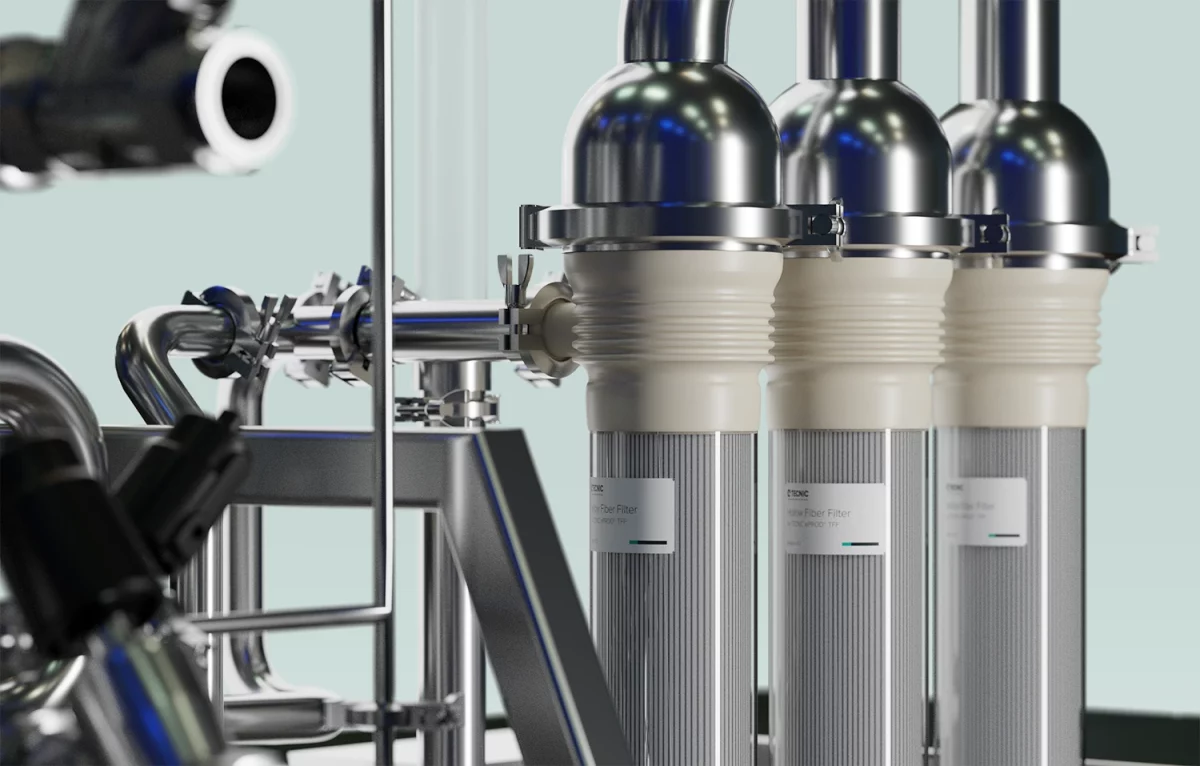
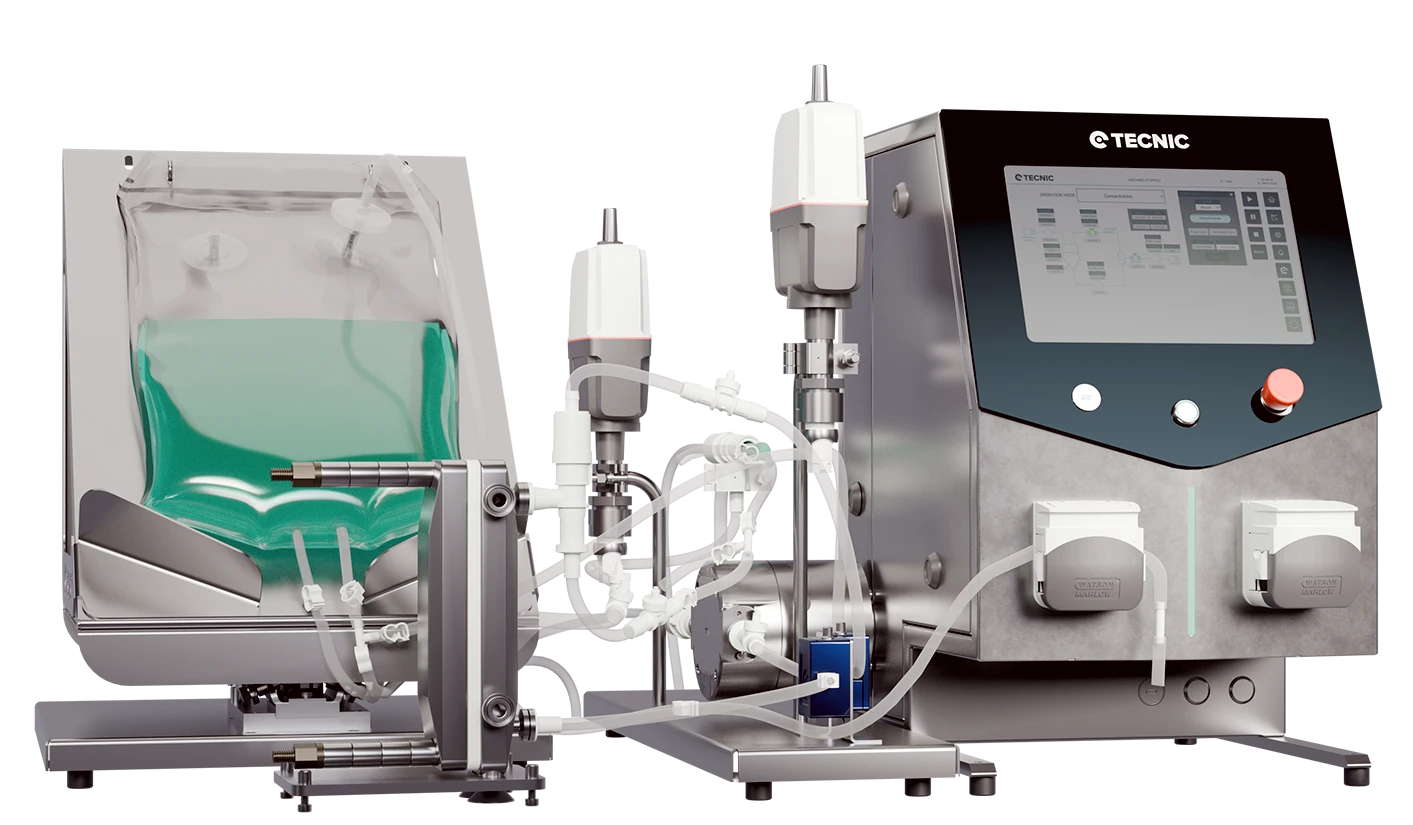
Scale-up is not complete if only the upstream side grows. Product recovery, concentration and purification also need a scale path. The current TECNIC scalability article explicitly connects bioreactors and TFF systems as part of one broader route from research to market production. [oai_citation:3‡TECNIC Bioprocess Solutions](https://www.tecnic.eu/scalability-in-biotech-from-research-to-production/?utm_source=chatgpt.com)
That is important because a stronger upstream process often creates a stronger downstream challenge. If the concentration, clarification or recovery logic cannot follow, the overall scale-up still breaks.
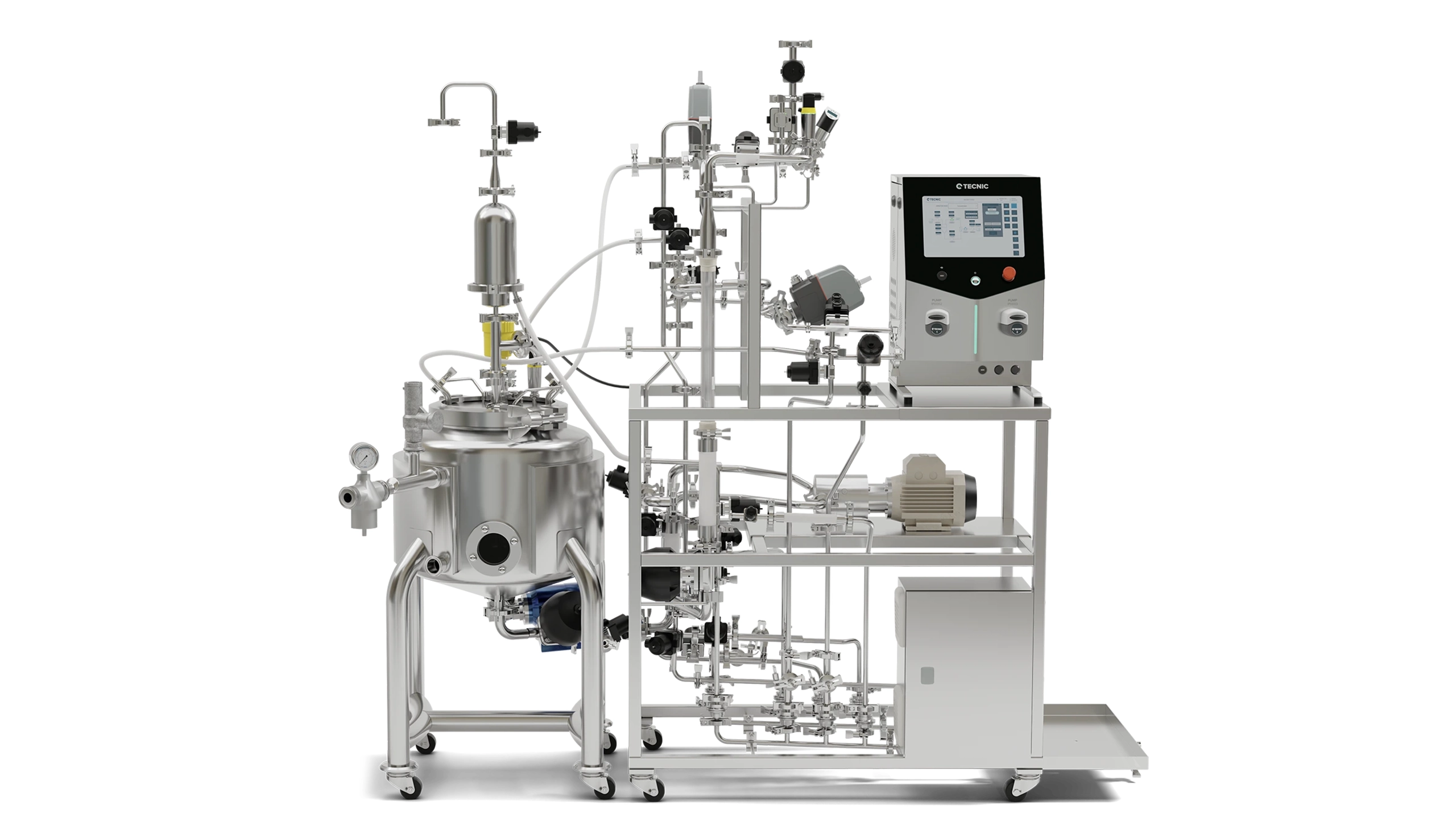
How TECNIC fits this roadmap from research to production
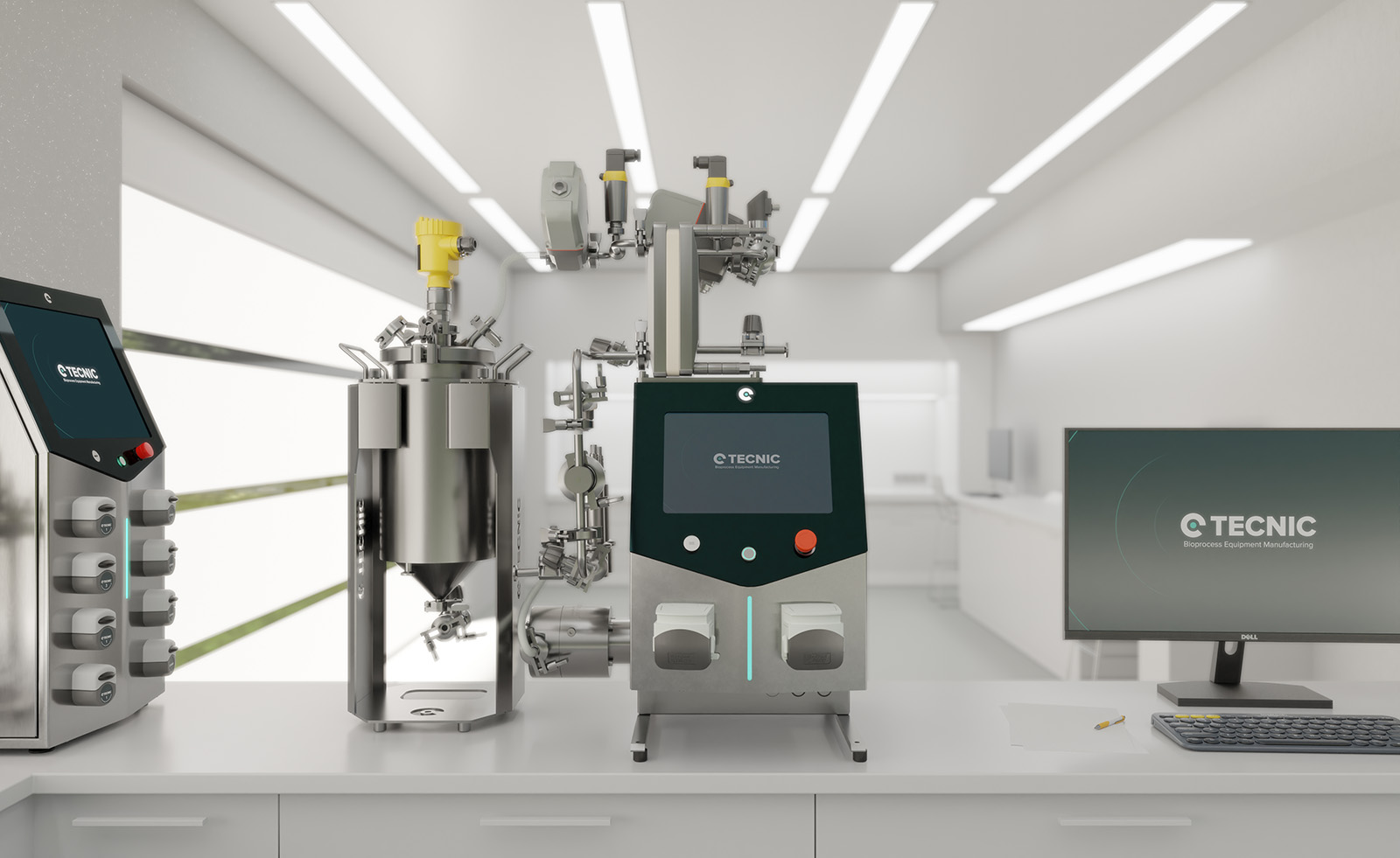
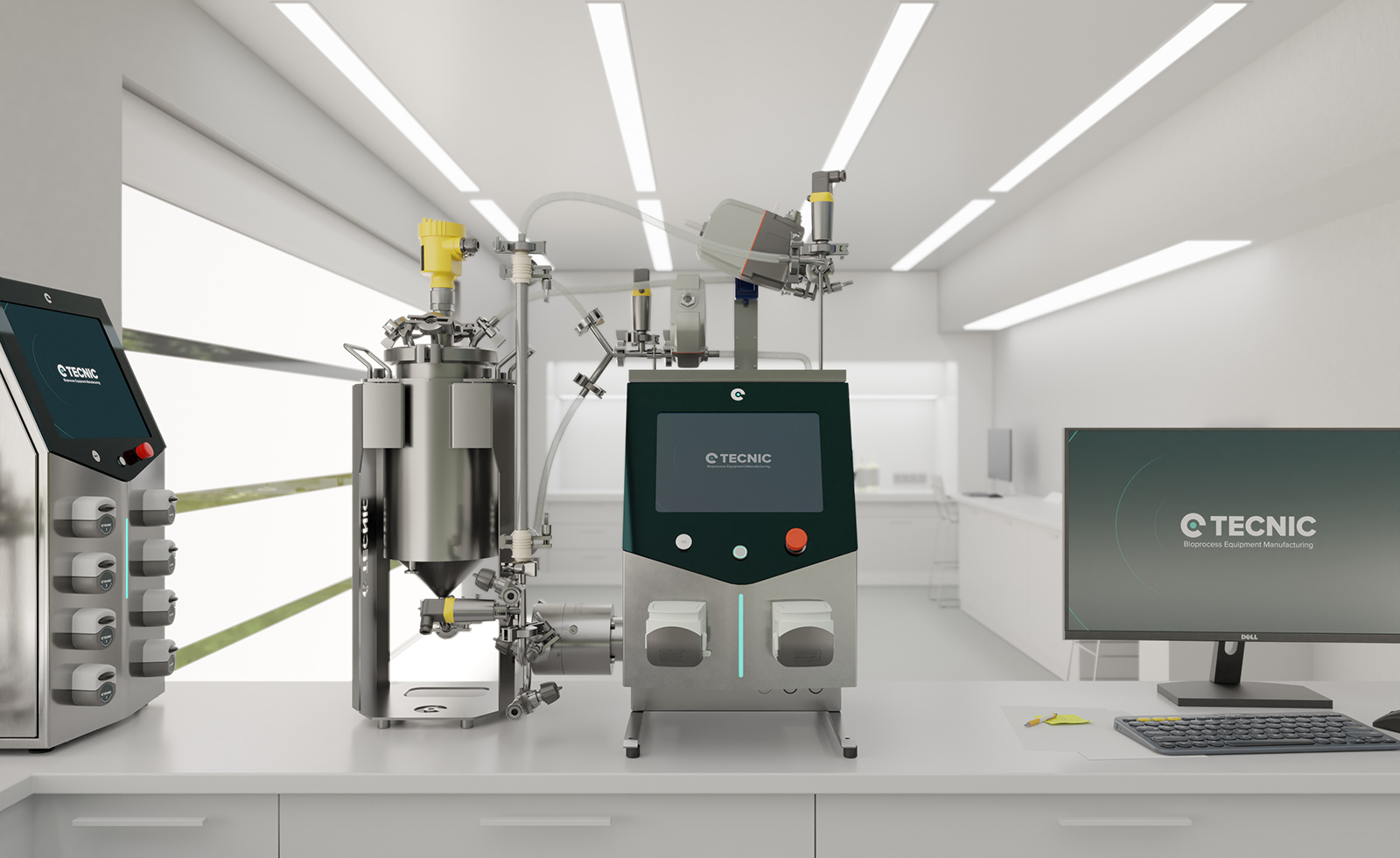
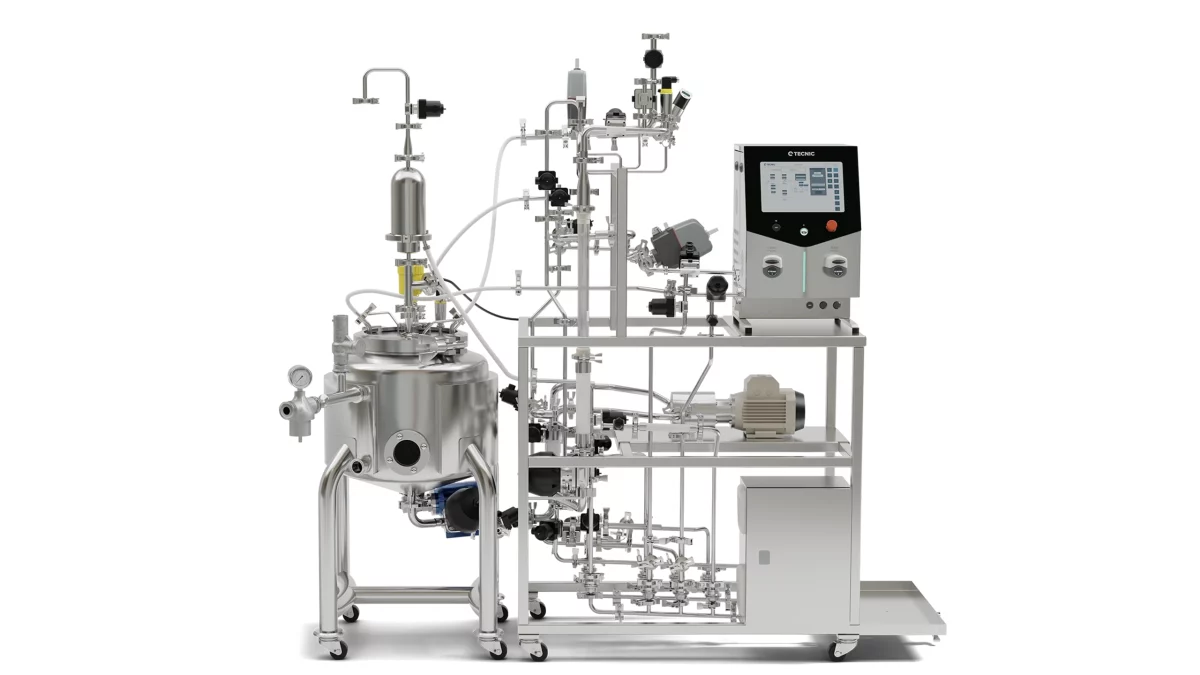
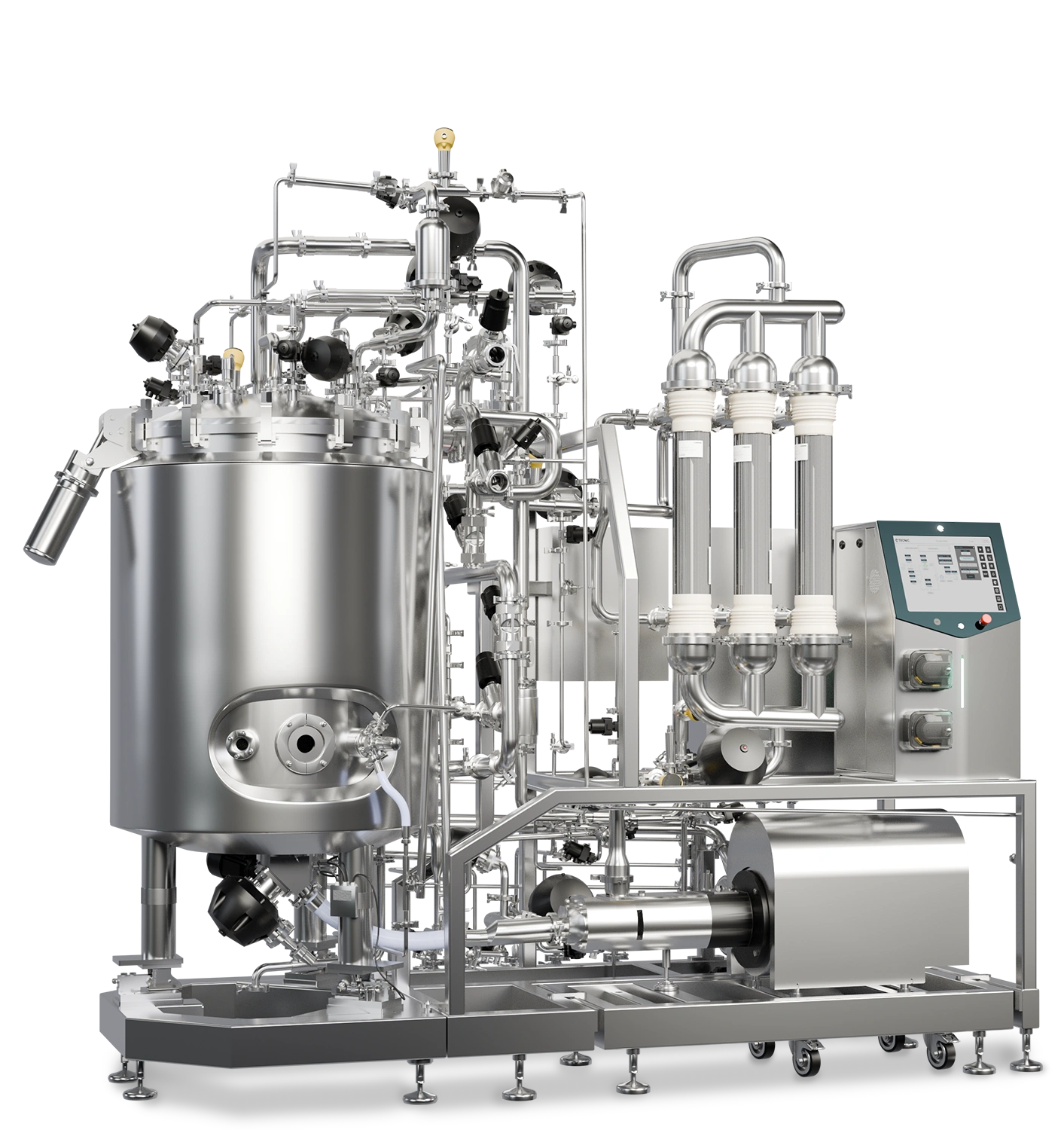
The articles reviewed position TECNIC around a platform logic rather than around isolated products. That is exactly the right way to talk about scale-up, because the challenge is not only choosing one reactor or one filter skid, it is building a process path that remains understandable across stages. [oai_citation:4‡TECNIC Bioprocess Solutions](https://www.tecnic.eu/bioreactor-scalability/?utm_source=chatgpt.com)
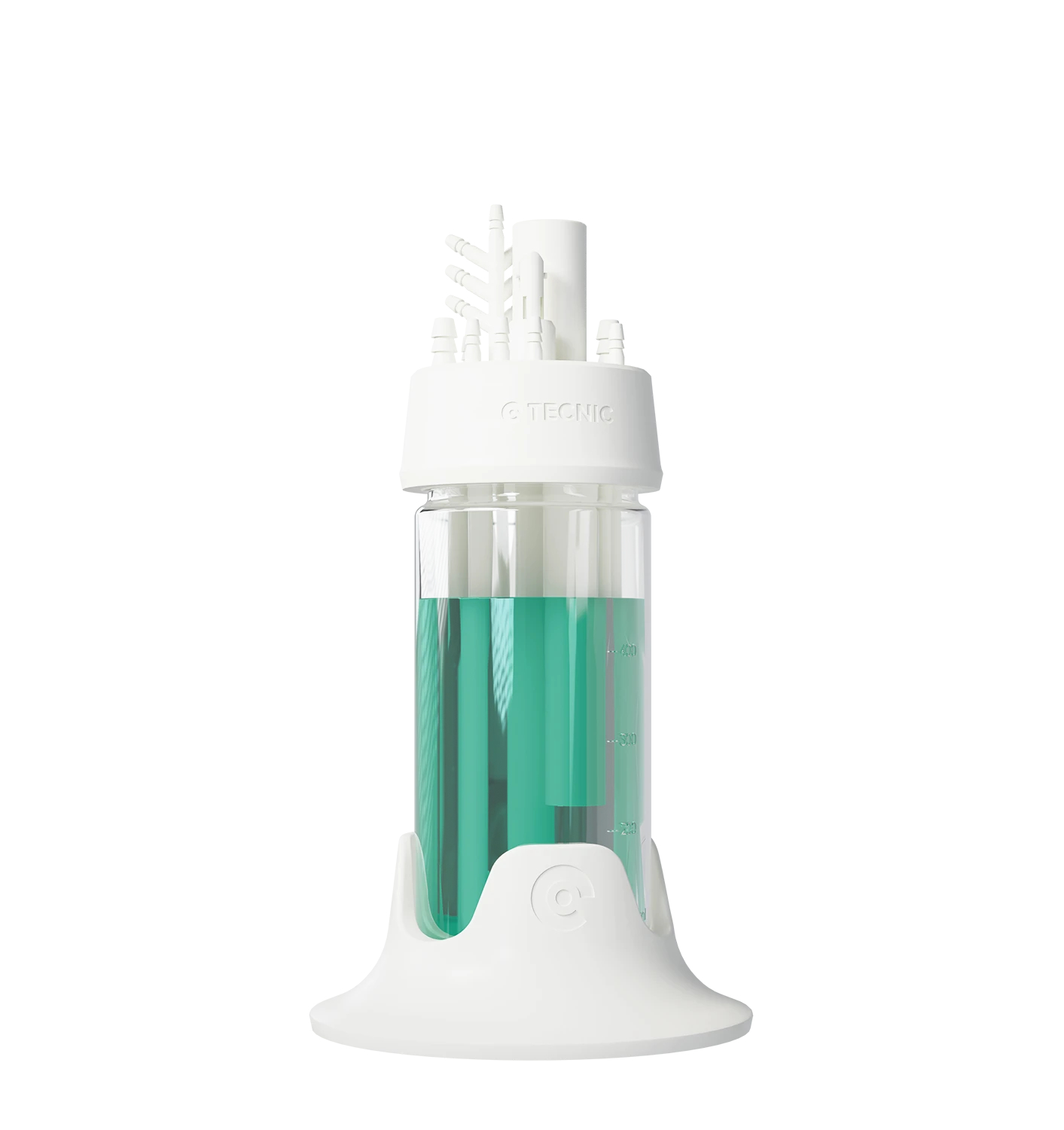
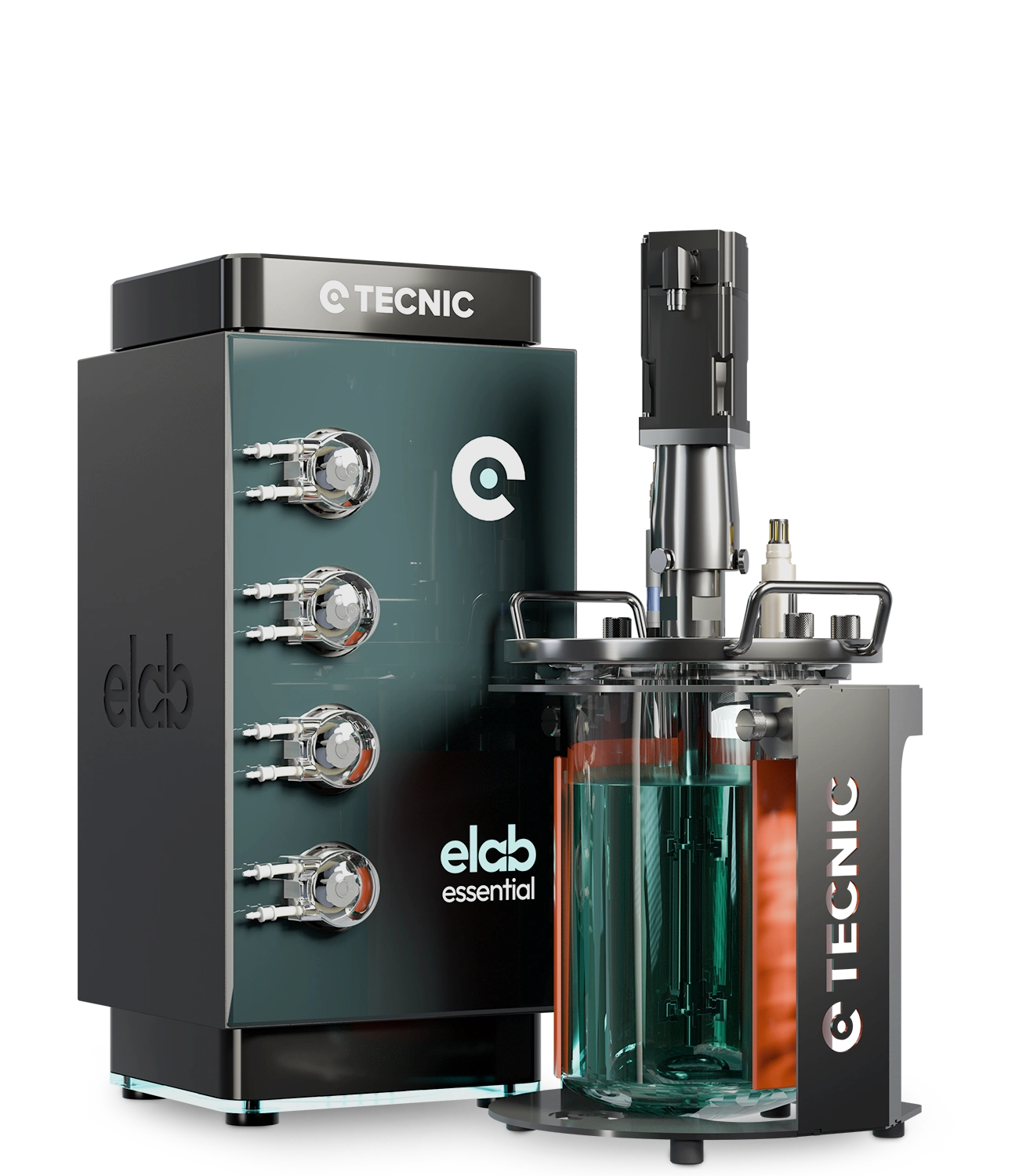
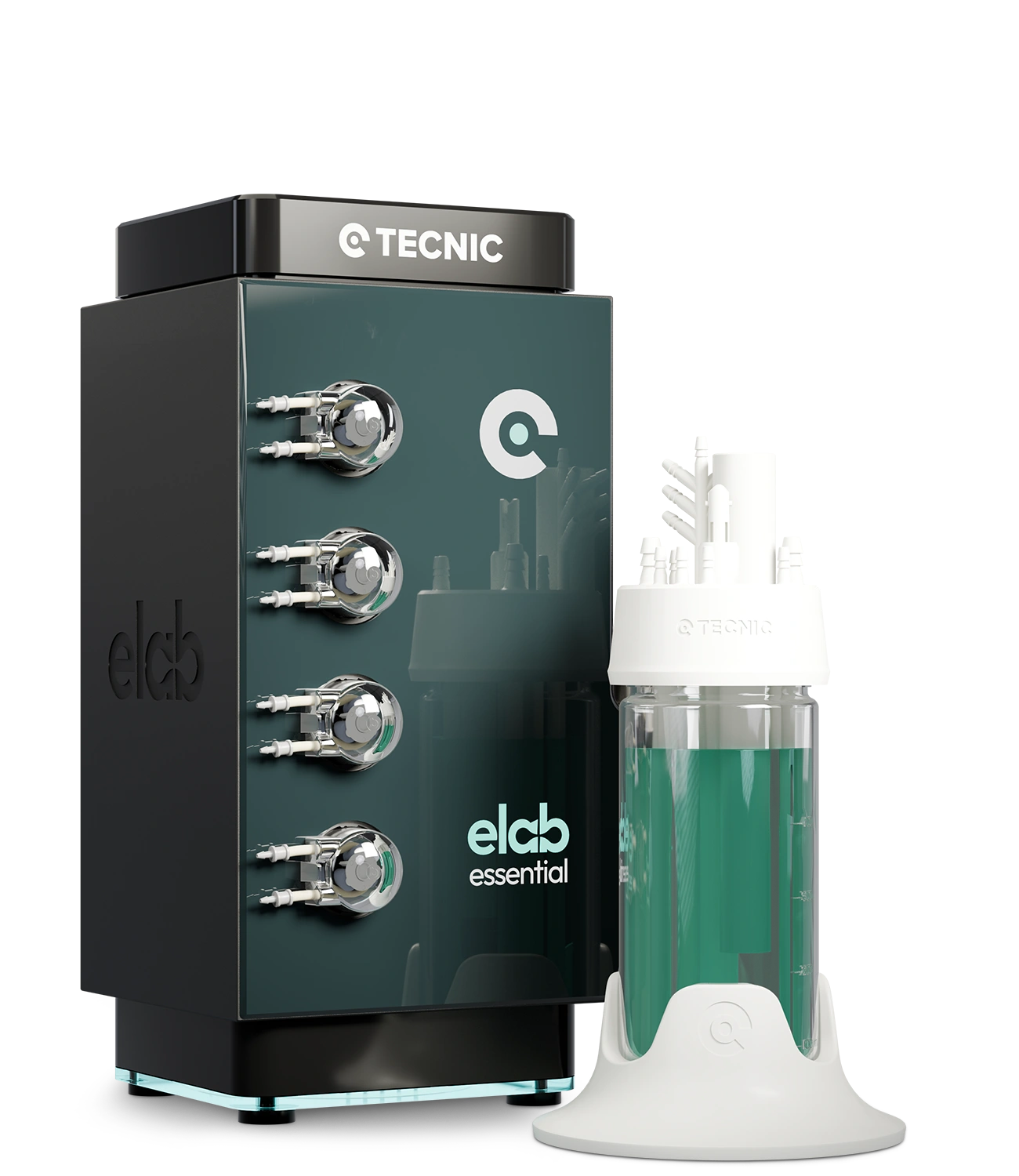
Laboratory scale bioreactors
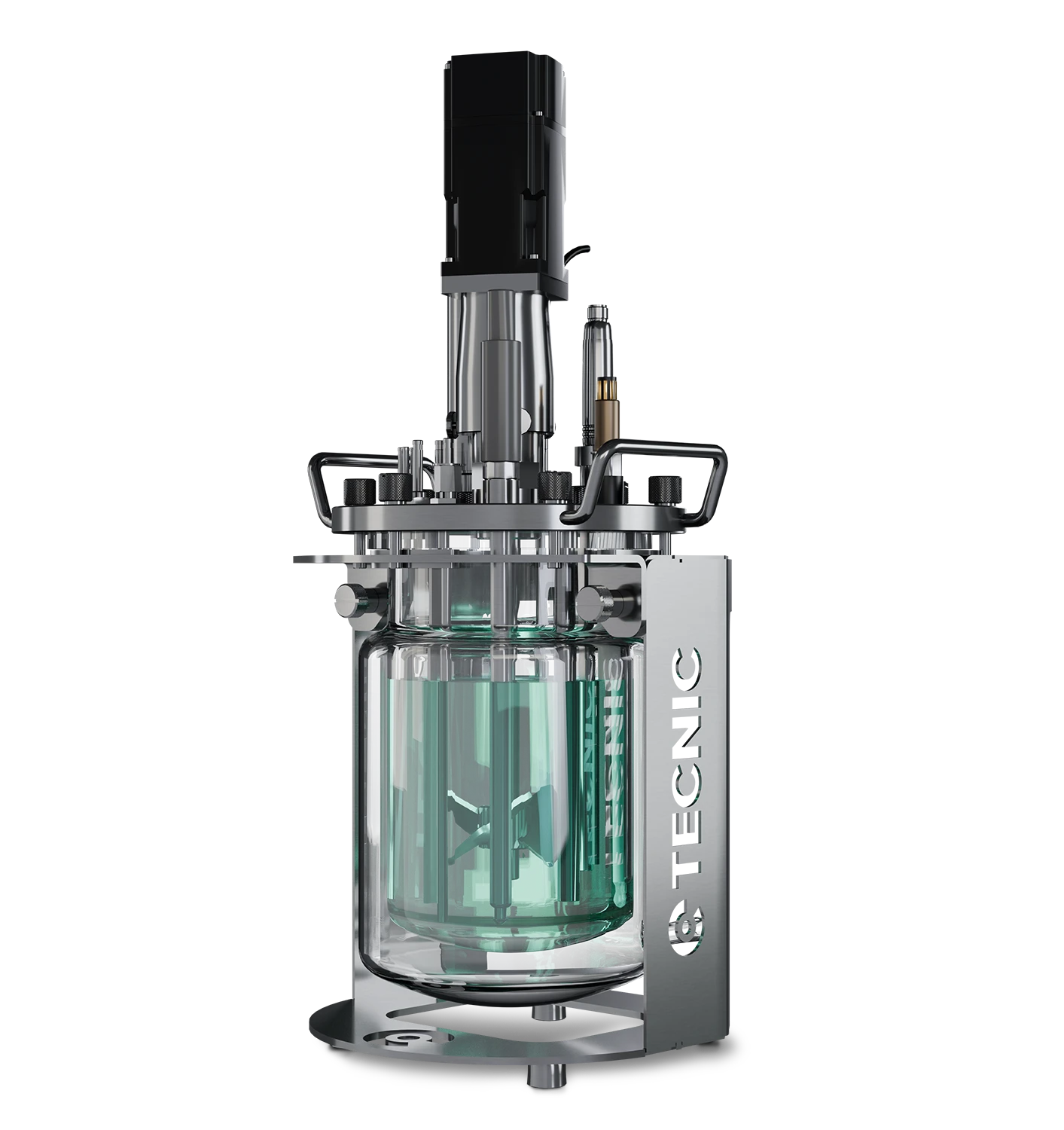
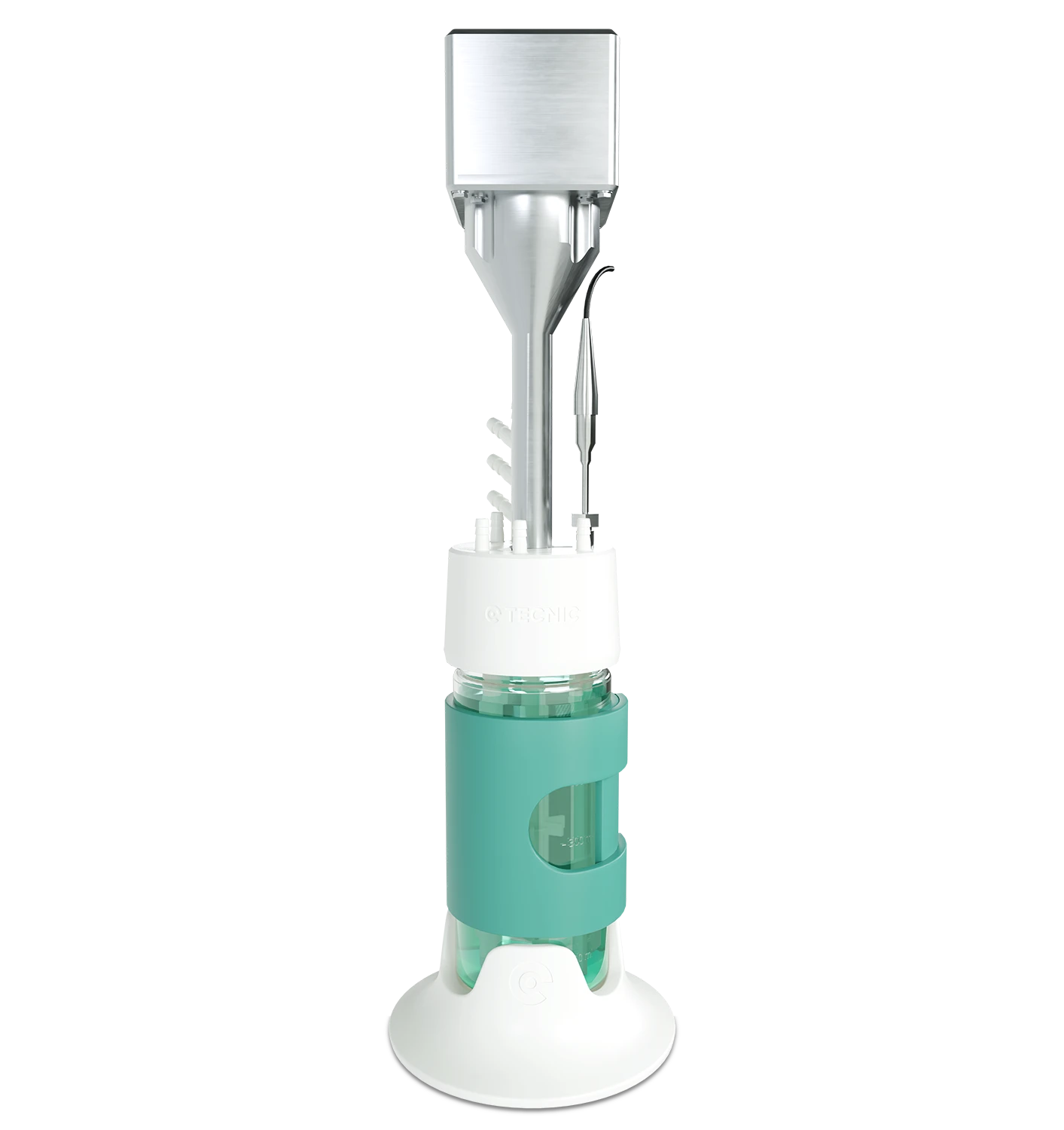
The lab stage is where process conditions are first defined, so the platform must support reliable early process understanding.
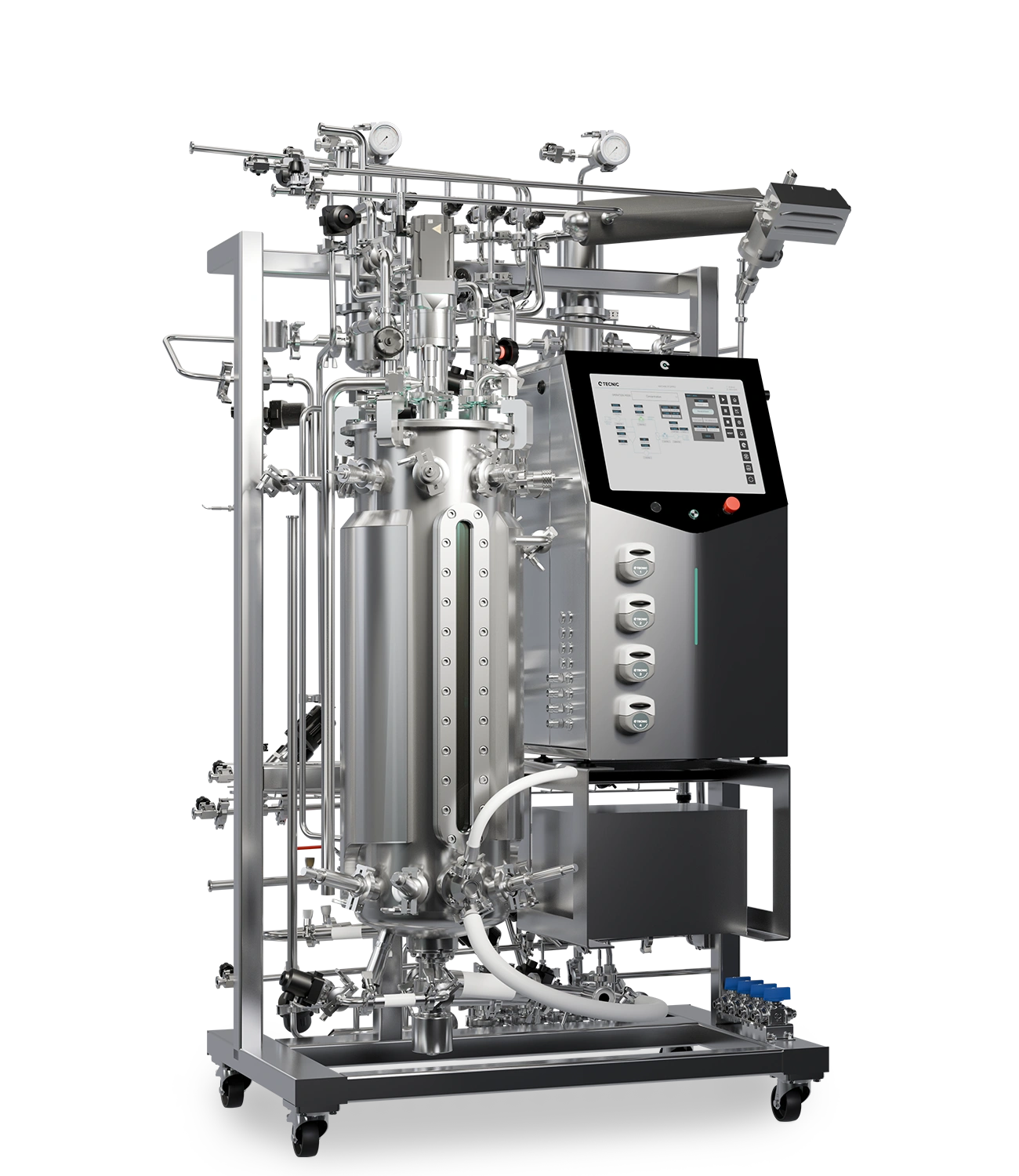
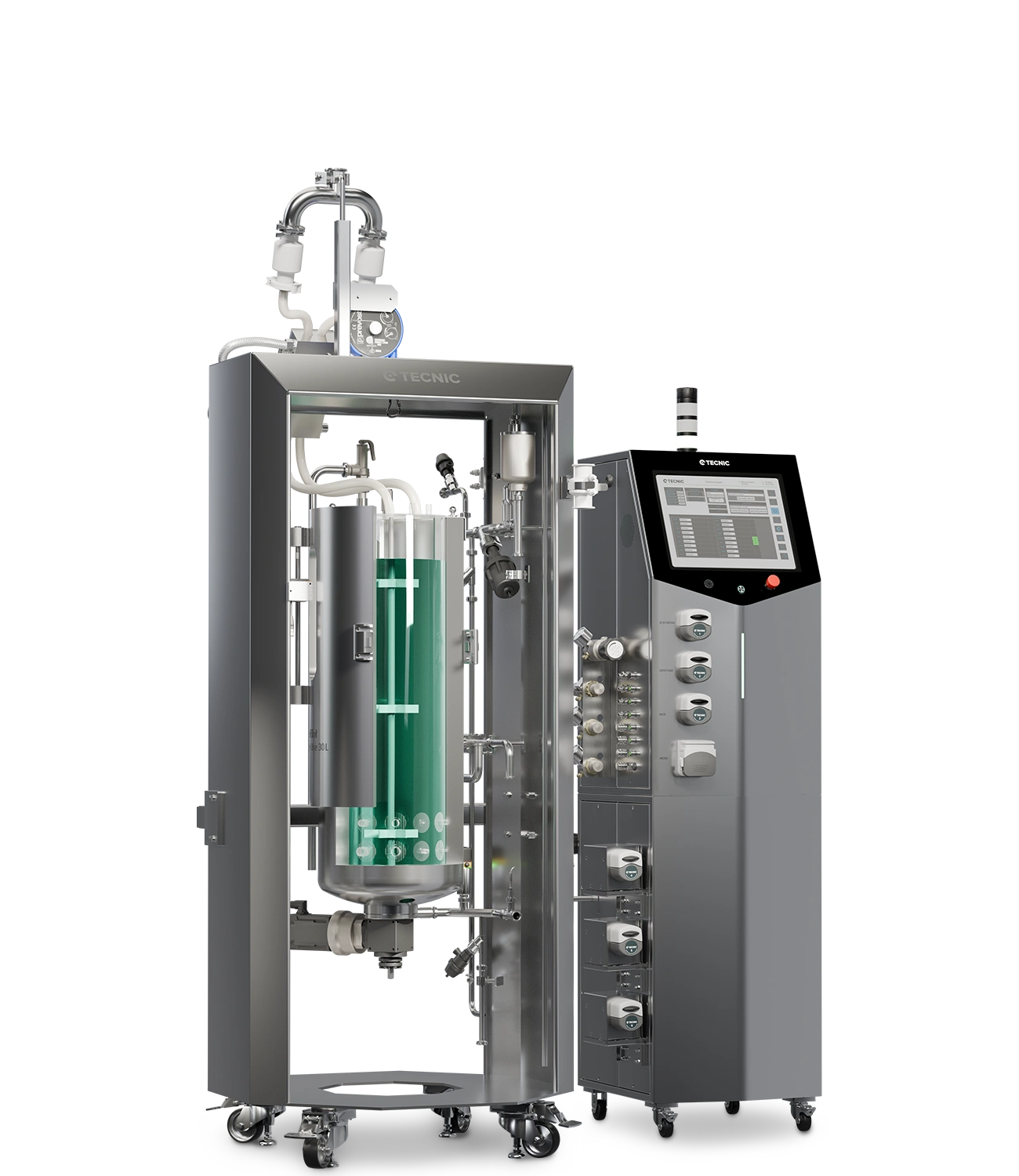
Pilot scale bridge
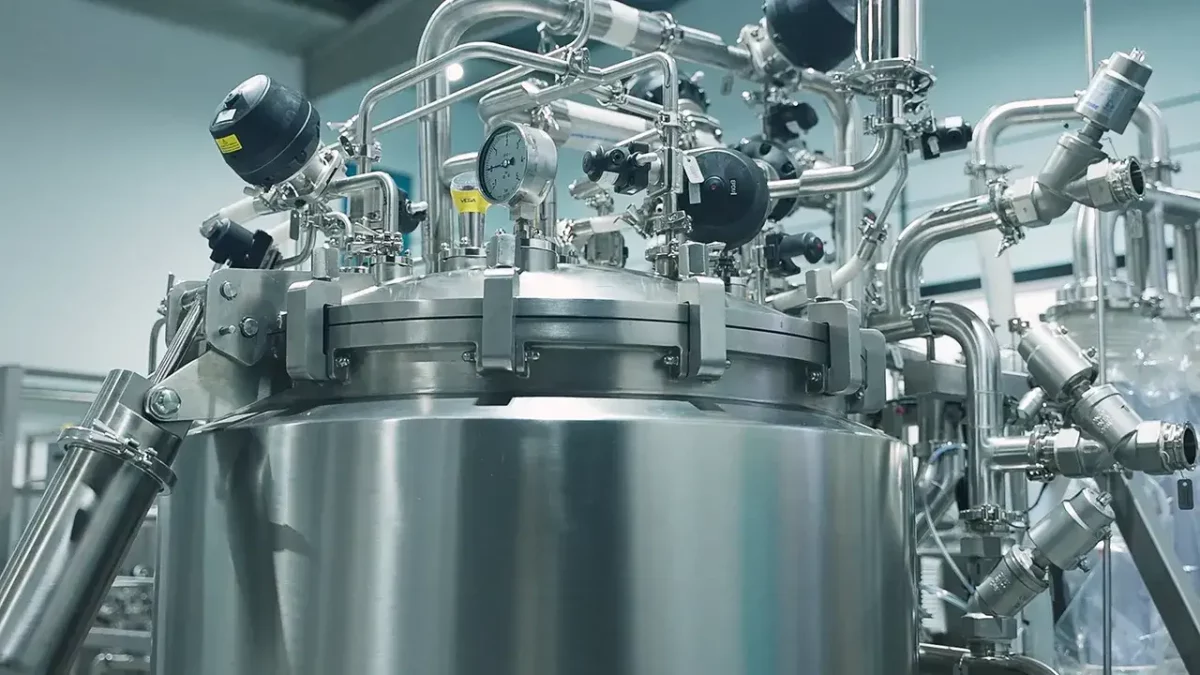
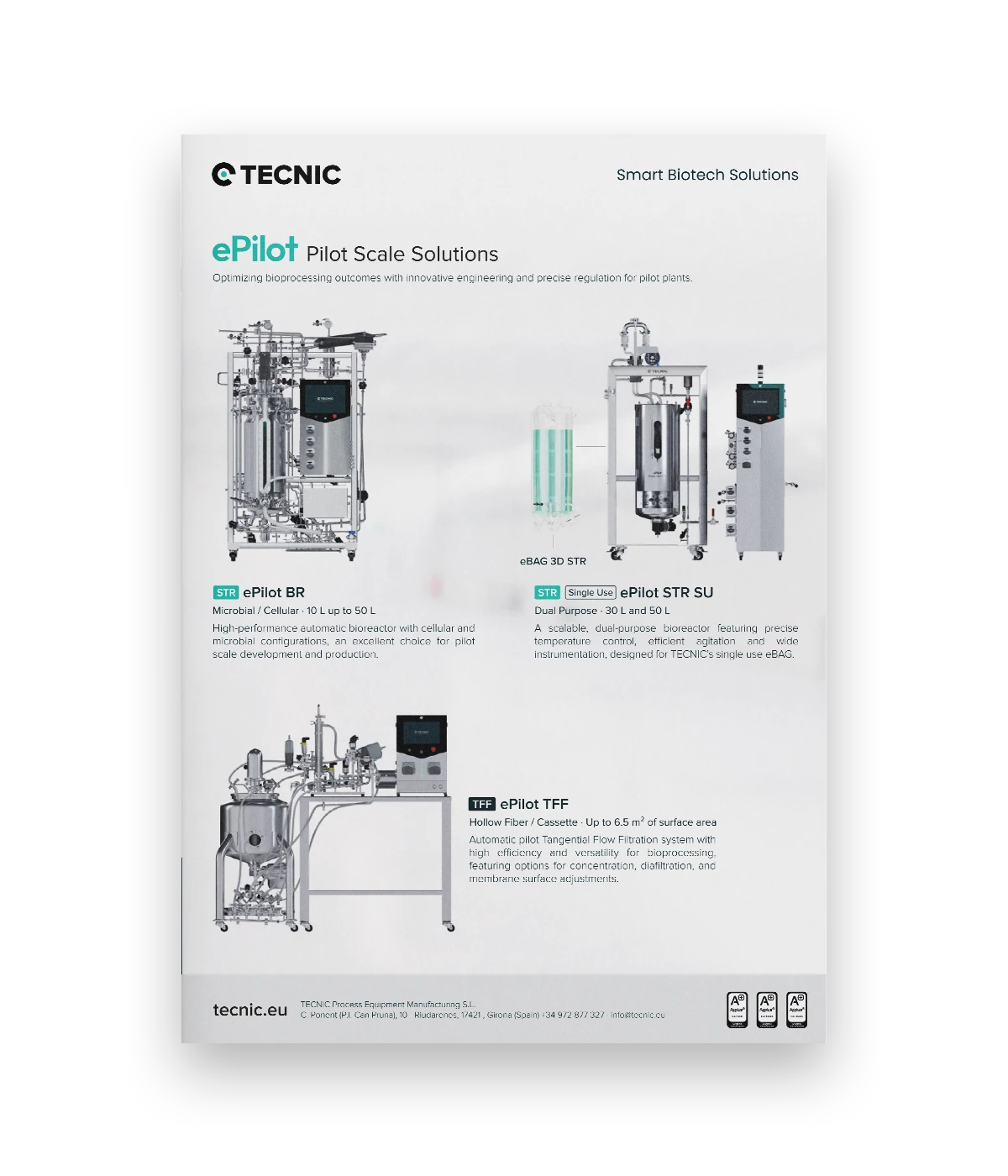
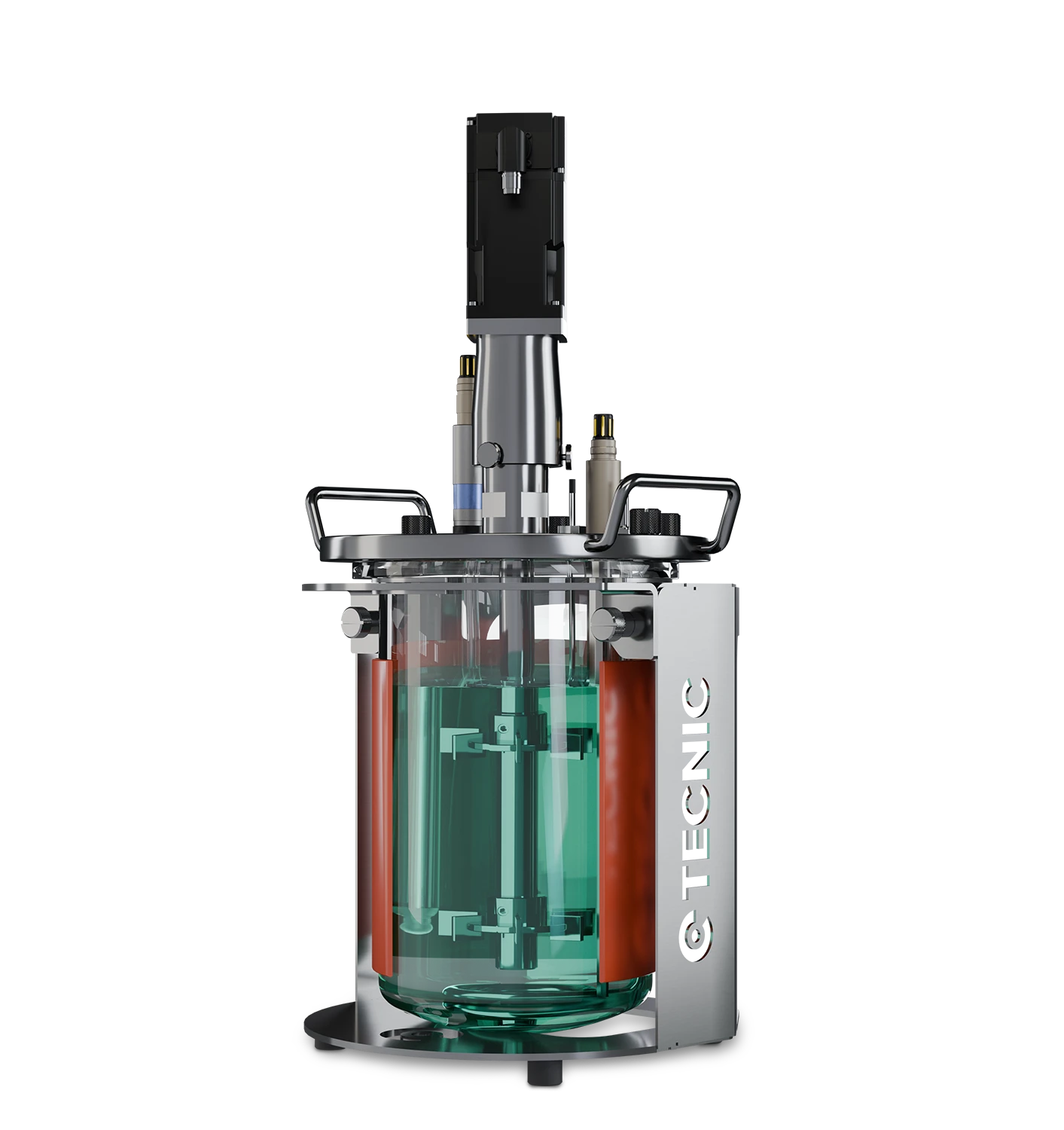
Pilot equipment is the real bridge between promising lab data and industrial execution, and it is often where scale-up logic proves itself.
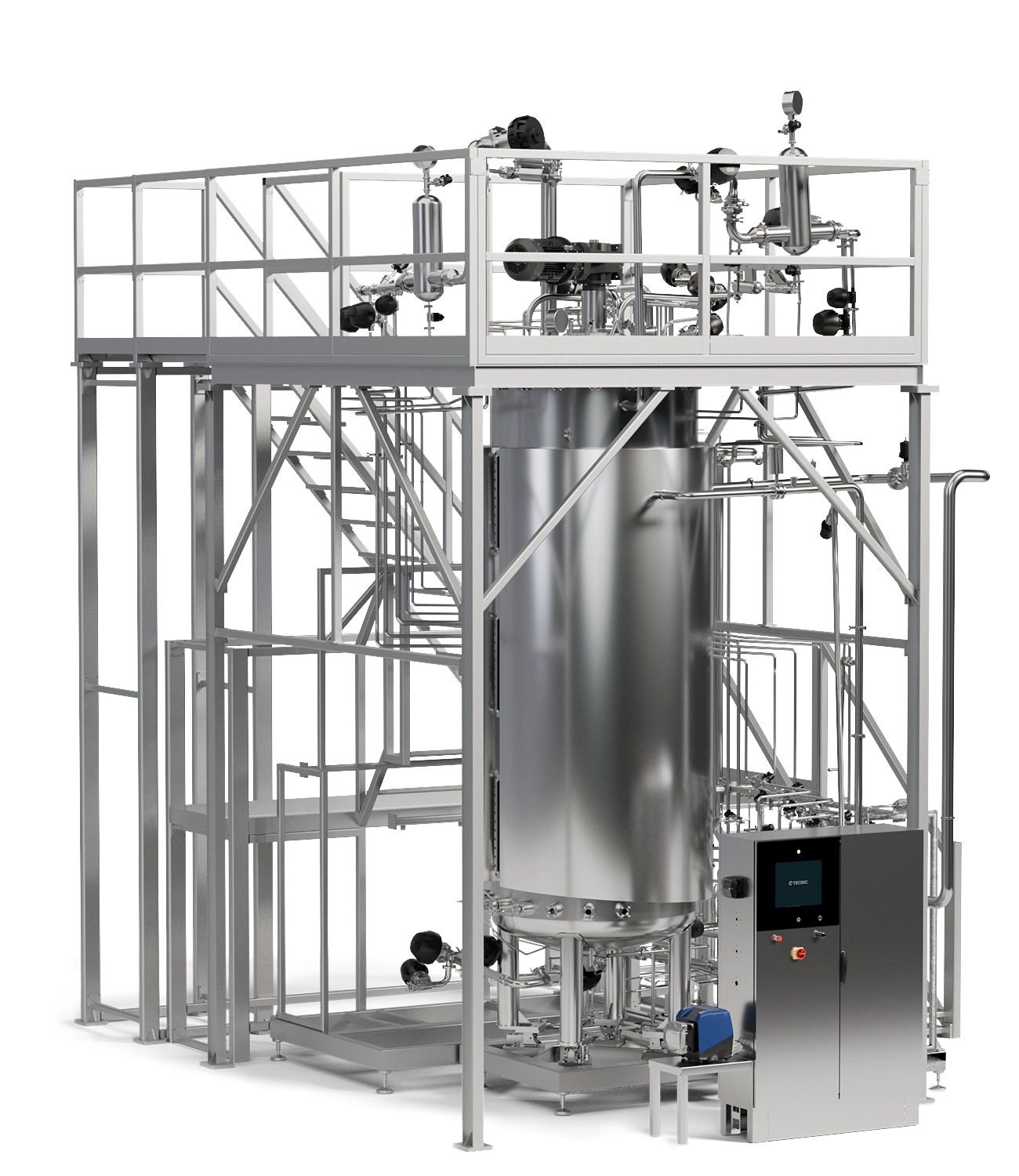
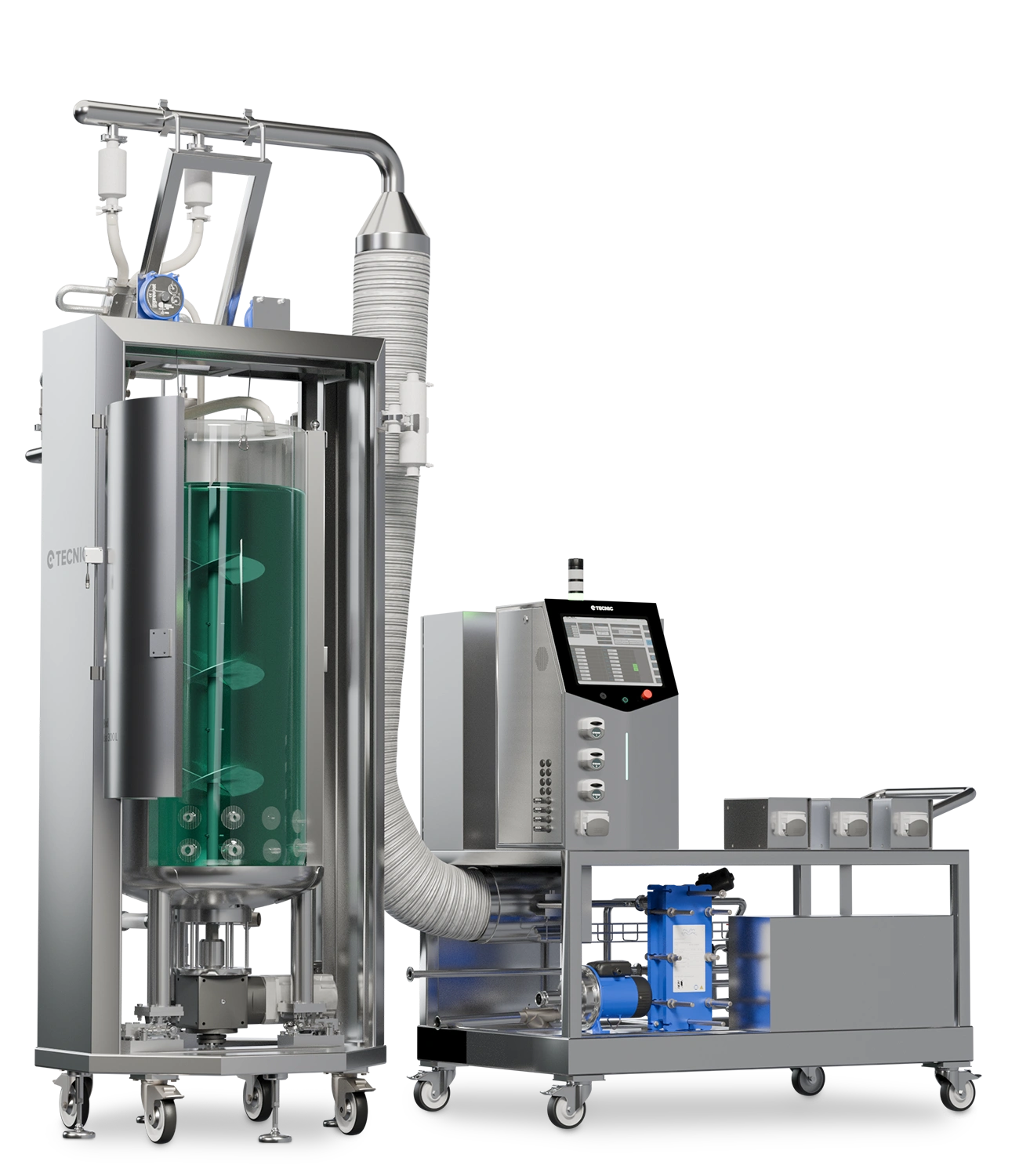
Production scale systems
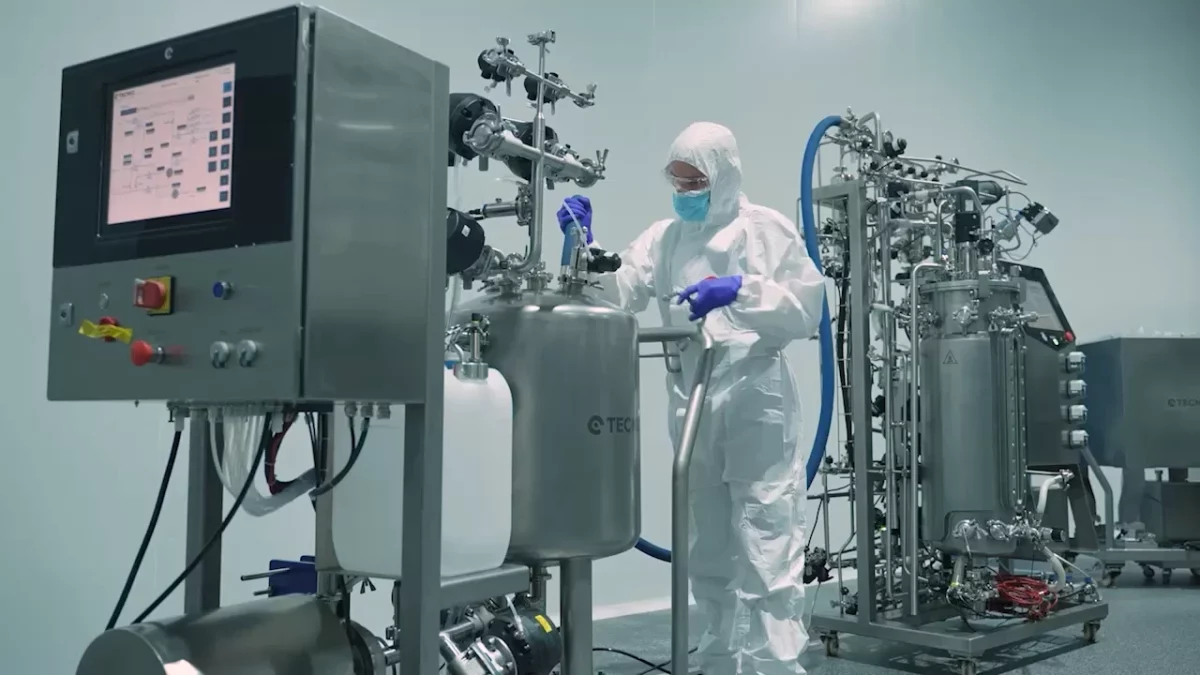
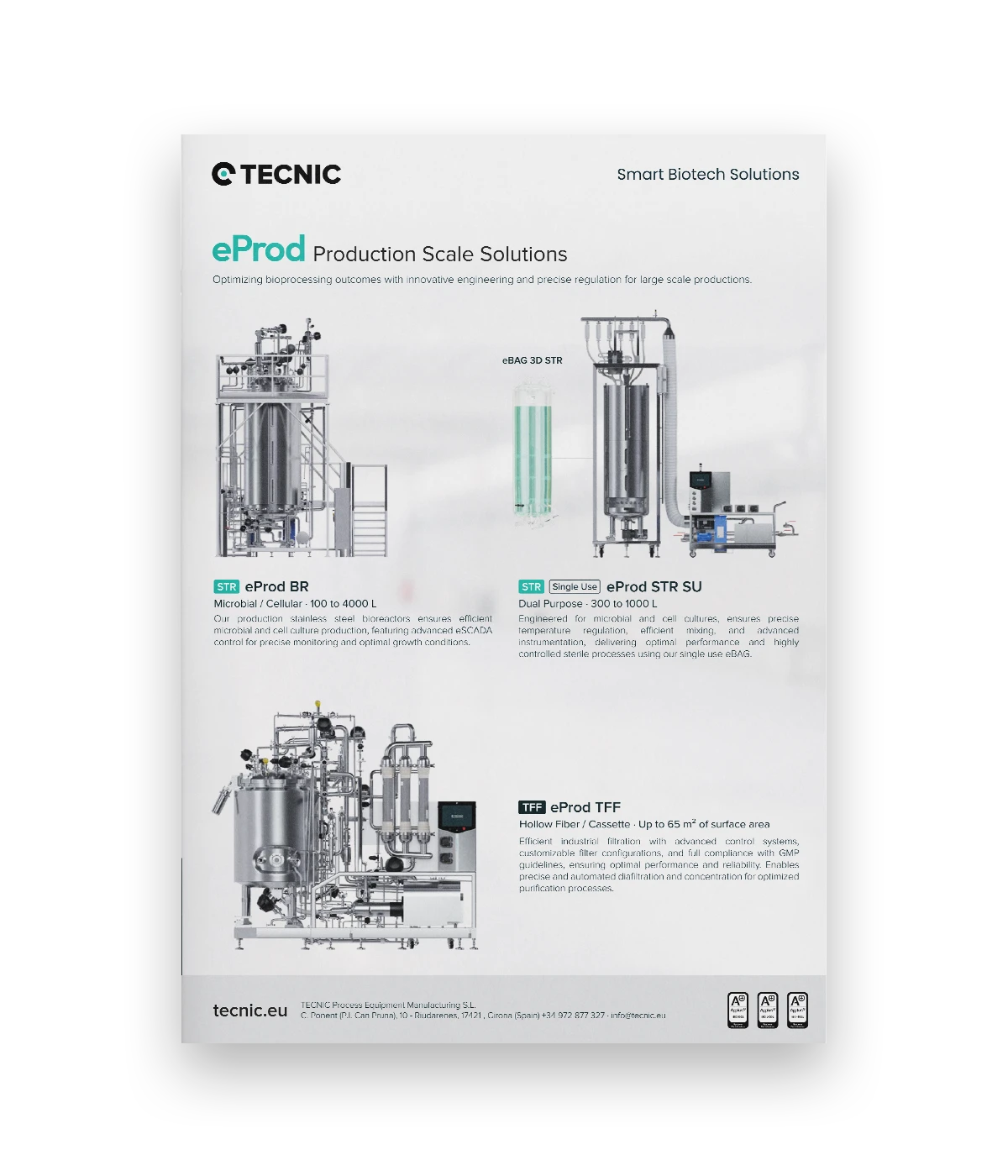
Industrial platforms matter when the process must hold performance and control under full production conditions.
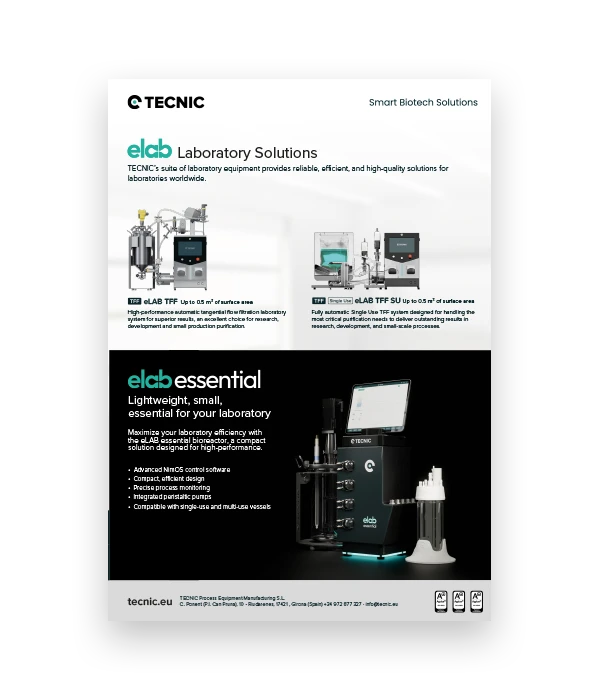
TFF and downstream scale-up
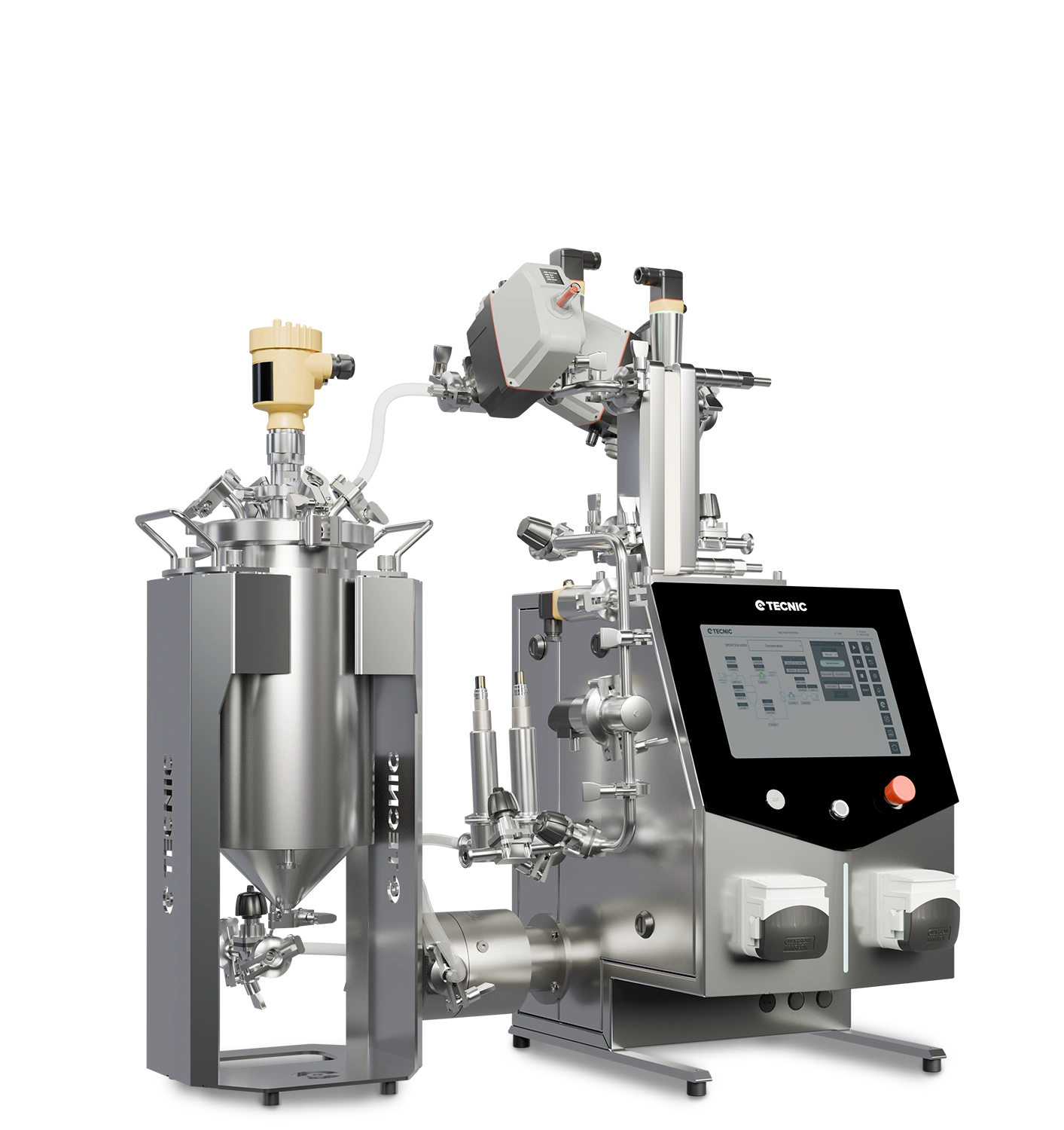
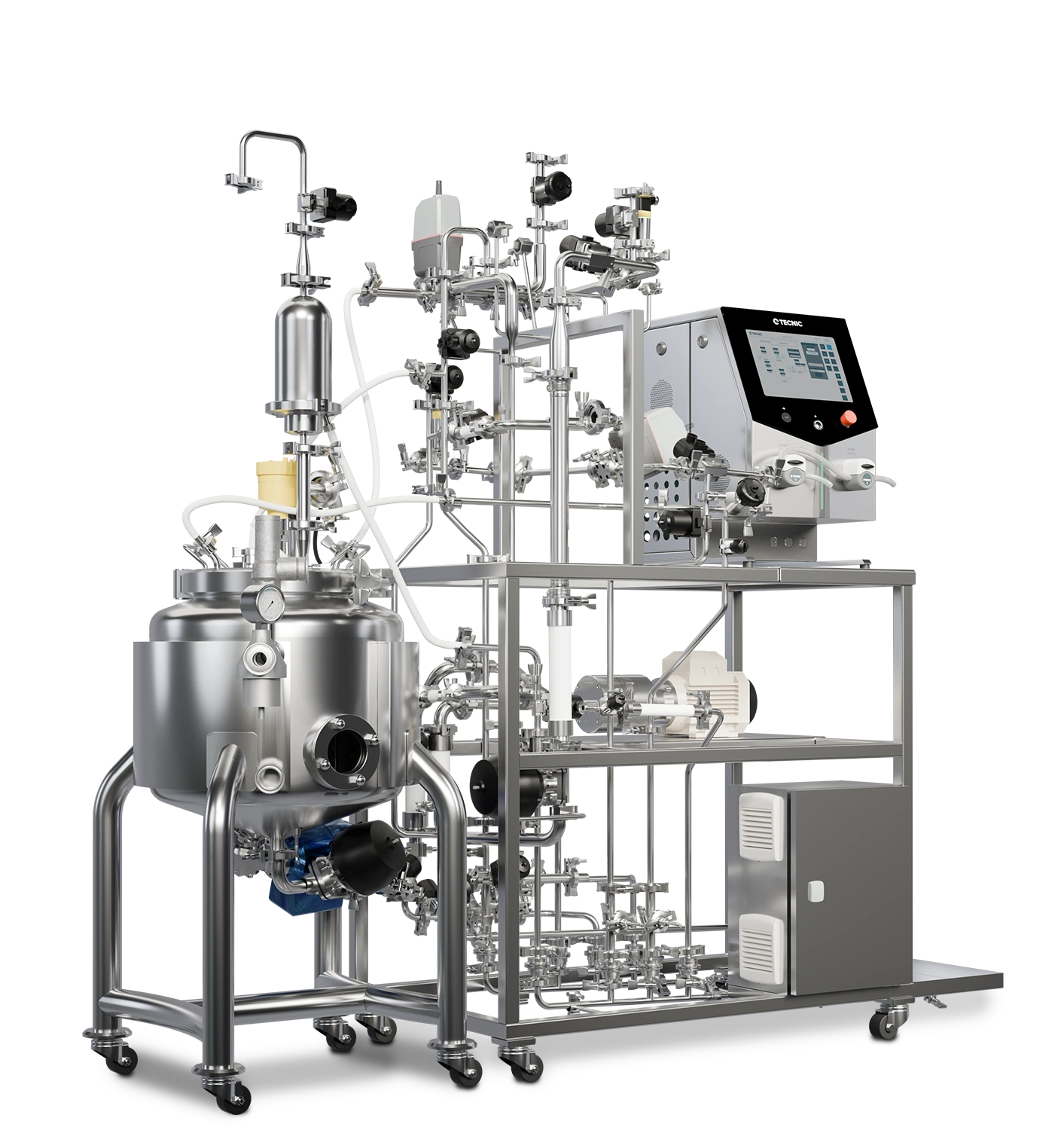
Since the article explicitly connects scale-up with post-bioprocessing and recovery, TFF remains a key part of the roadmap.
This section stays focused on the path, not just the products. That makes the article more useful for teams thinking in terms of process transfer, not only equipment selection.
Frequently asked questions
What is scalability in biotech?
It is the ability to move a process from research to production while keeping performance, control and process understanding consistent enough to remain viable.
Why do biotech processes often fail during scale-up?
Because several variables change at once, mixing, oxygen transfer, automation, handling and workflow, and the process no longer behaves the same way it did in research.
Is scale-up only an upstream issue?
No. Downstream operations such as concentration, recovery and purification also need a scale path.
Why is modular design useful in scale-up?
Because it allows teams to adapt the process path more easily as production needs and capacities evolve.
What helps make scale-up more predictable?
Stable parameter control, clear automation, consistent operating logic and equipment designed as part of a connected platform rather than isolated units.
Planning a scale-up from research to production?
Explore TECNIC’s bioreactors and TFF systems or speak with our team to review the right path for a more predictable transition.