

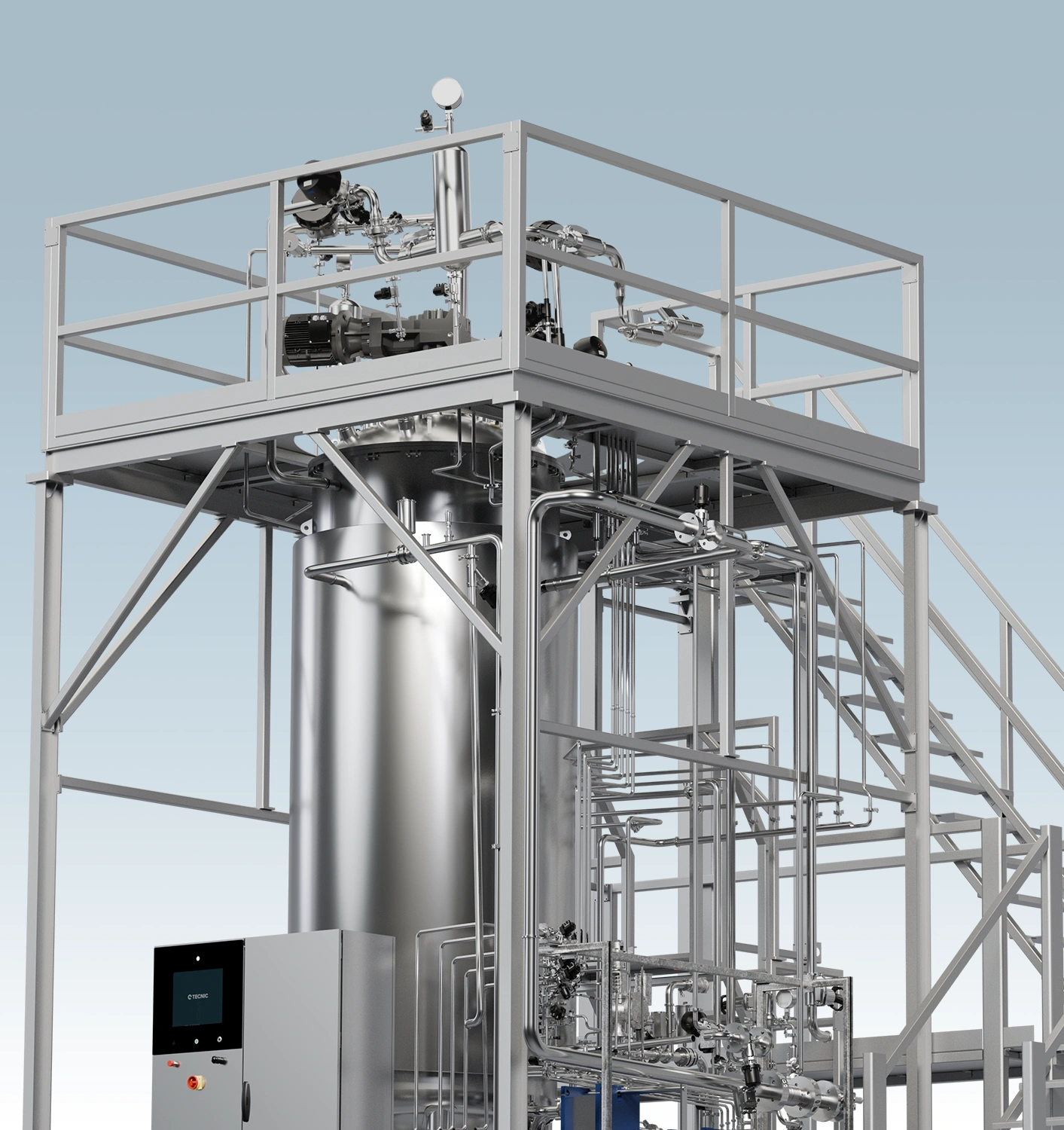
The terms fermenter and bioreactor are often used as if they mean exactly the same thing, but they are not always interchangeable. In practice, a fermenter is usually associated with microbial processes, while bioreactor is the broader term for controlled biological cultivation systems.
That distinction matters because the language often reflects the type of biology, the process strategy and the expected operating conditions. Fermentation usually points toward bacteria or yeasts under robust conditions, while bioreactor can describe microbial, mammalian, insect, stem-cell or other advanced culture workflows.
A fermenter is usually a type of bioreactor, but not every bioreactor is best described as a fermenter.
What is a fermenter?
A fermenter is a vessel designed to support fermentation processes, most commonly involving microorganisms such as bacteria or yeast. In industrial and laboratory settings, fermenters are typically used where microbial growth, metabolism and product formation depend on controlled pH, temperature, dissolved oxygen and agitation.
The word fermenter is especially common in microbial biotechnology because fermentation historically refers to microbial conversion processes, even when oxygen is present and the process is not a classic anaerobic fermentation in the strict biochemical sense.
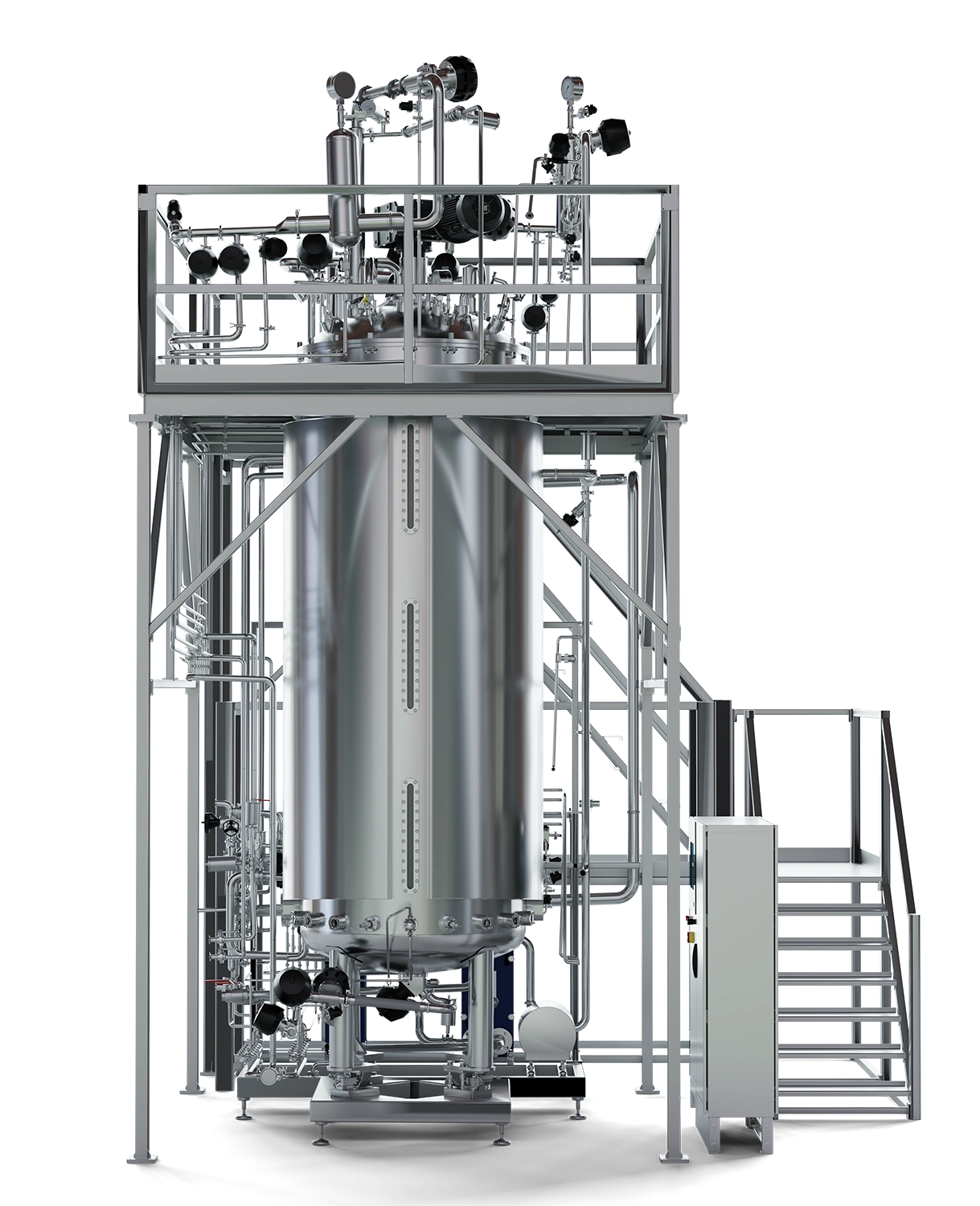
A fermenter usually implies a microbial process orientation, especially in bacteria and yeast production.
What is a bioreactor?
A bioreactor is the broader term for any controlled vessel or system used to grow cells or microorganisms under defined biological conditions. It includes microbial fermentation, but also cell-culture applications involving mammalian, insect, plant or stem cells.
In other words, all fermenters can be seen as bioreactors, but the term bioreactor includes a much wider range of biological processes and technological requirements.
Includes microbial fermentation as well as mammalian, insect and other advanced culture workflows.
Can refer to vessels used in research, development, pilot and production across many biotechnology areas.
The term bioreactor is usually preferred in cell culture, biologics and advanced therapy environments.
Main difference between a fermenter and a bioreactor
The clearest difference is not only the hardware, but the context in which the term is used. Fermenter usually points toward microbial fermentation, while bioreactor is the broader engineering term for controlled biological cultivation.
In many conversations the equipment may look similar, but the word choice usually reveals the type of biology being discussed.
Process and application context
Fermenters are commonly used in industrial microbiology, enzyme production, recombinant microbial proteins, organic acids and other high-density microbial processes. These systems are often optimized for strong oxygen transfer, fast growth and rugged operation.
Bioreactors are used across a wider application range, including monoclonal antibodies, vaccines, viral vectors, stem-cell culture and cell and gene therapy. In these cases, the process may be much more sensitive to shear, nutrient gradients and local turbulence.
Microbial fermentation, industrial enzymes, metabolites and robust recombinant production.
Biologics, vaccines, mammalian cell culture, viral vectors and advanced therapies.
The terminology often follows the biological sensitivity and product complexity of the process.
Operational differences in practice
In practice, fermenters and bioreactors may share the same basic control variables, but they are usually operated with different priorities.
Fermenters often use stronger agitation to support oxygen transfer, while cell-culture bioreactors usually need gentler hydrodynamics.
Microbial fermenters may rely on aggressive aeration strategies, whereas mammalian bioreactors need gas delivery with lower stress.
Microbial processes usually push oxygen transfer harder, while cell-culture systems often prioritize viability and product consistency.
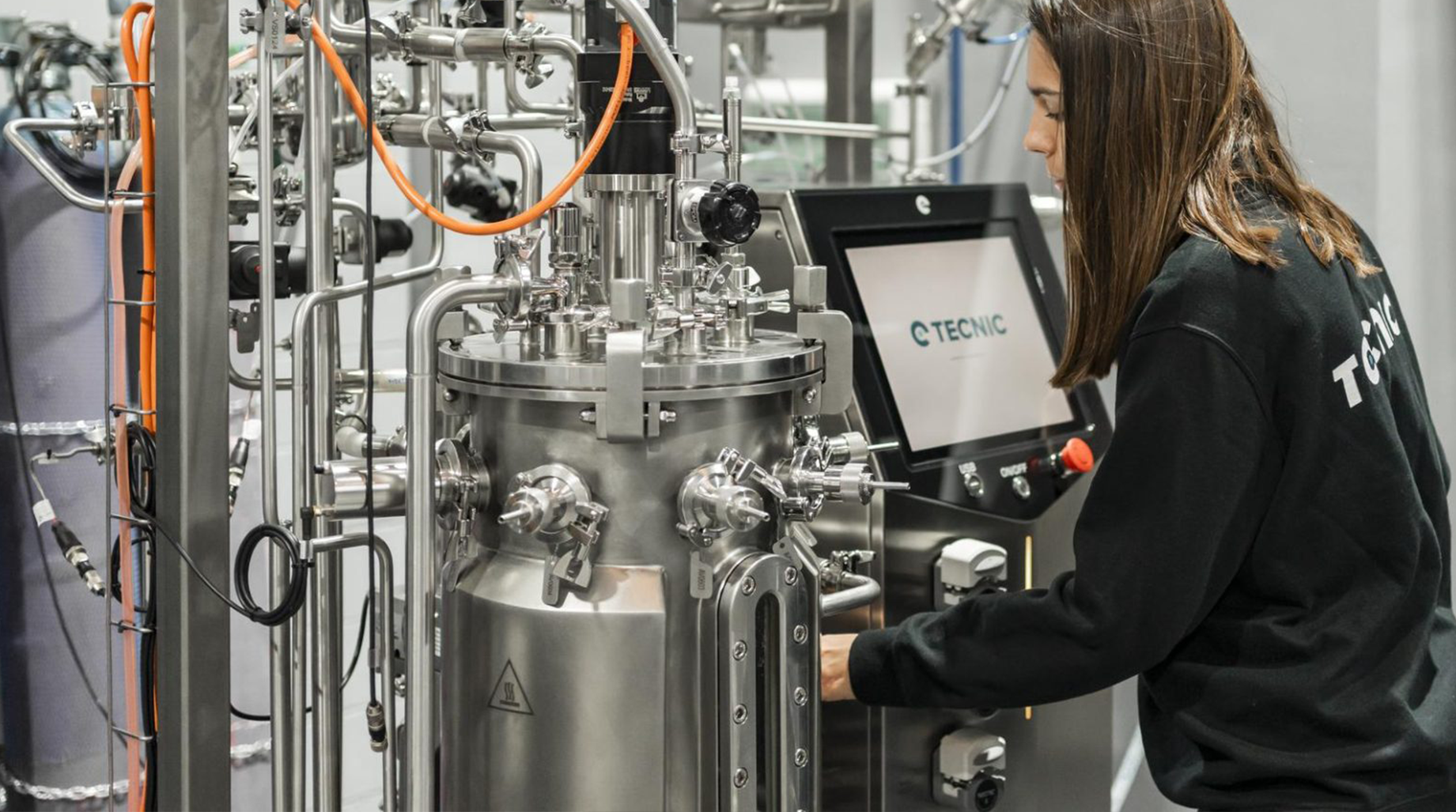
Fermenter vs bioreactor comparison table
The table below summarizes the practical difference between the two terms.
| Aspect | Fermenter | Bioreactor |
|---|---|---|
| General meaning | Usually a vessel for microbial fermentation | Broad term for controlled biological cultivation |
| Typical biology | Bacteria and yeasts | Microbes, mammalian cells, insect cells, stem cells and others |
| Common process style | Robust, high oxygen demand, stronger agitation | Can range from robust microbial to delicate low-shear culture |
| Typical use context | Industrial microbiology and fermentation | Biopharma, research, cell culture and advanced therapies |
| Term scope | Narrower | Broader |
| Relationship | Usually a subset of bioreactor use | Umbrella category that includes fermenters |
The distinction is sometimes linguistic rather than purely mechanical, but in biotechnology that linguistic difference usually reflects real process differences.
How TECNIC fits this workflow
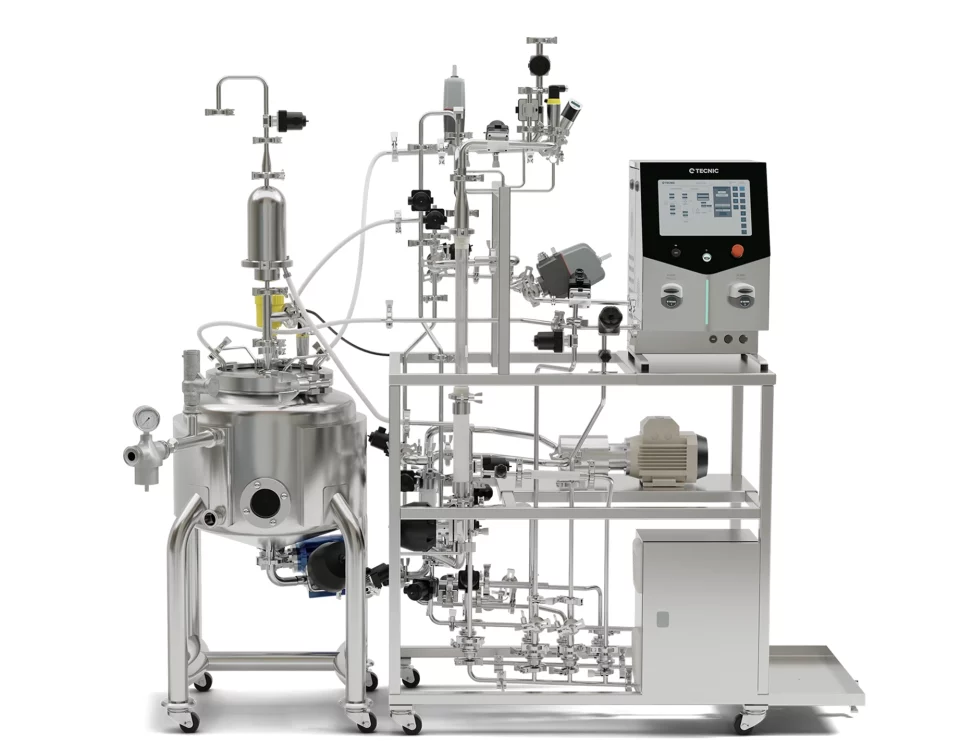
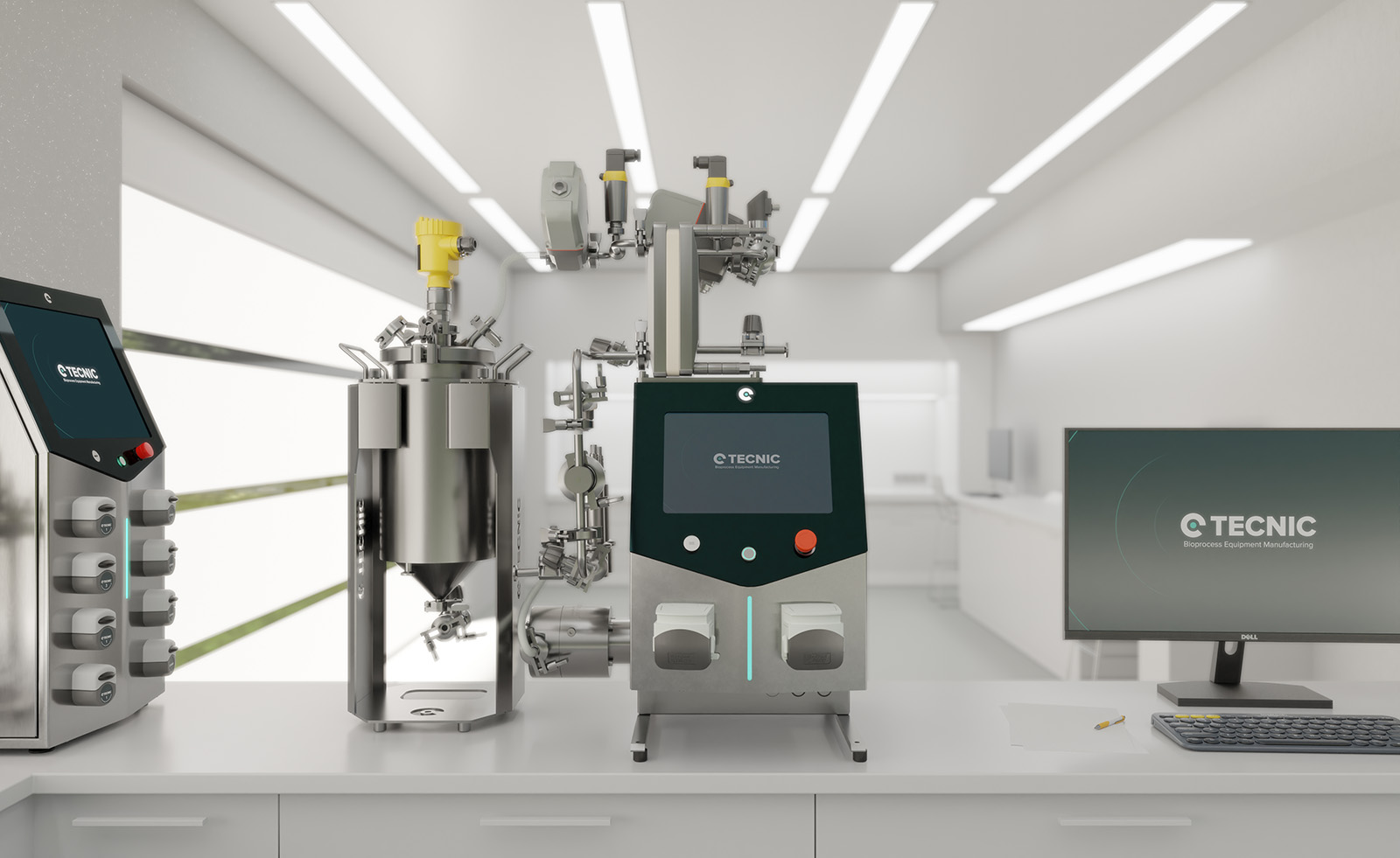
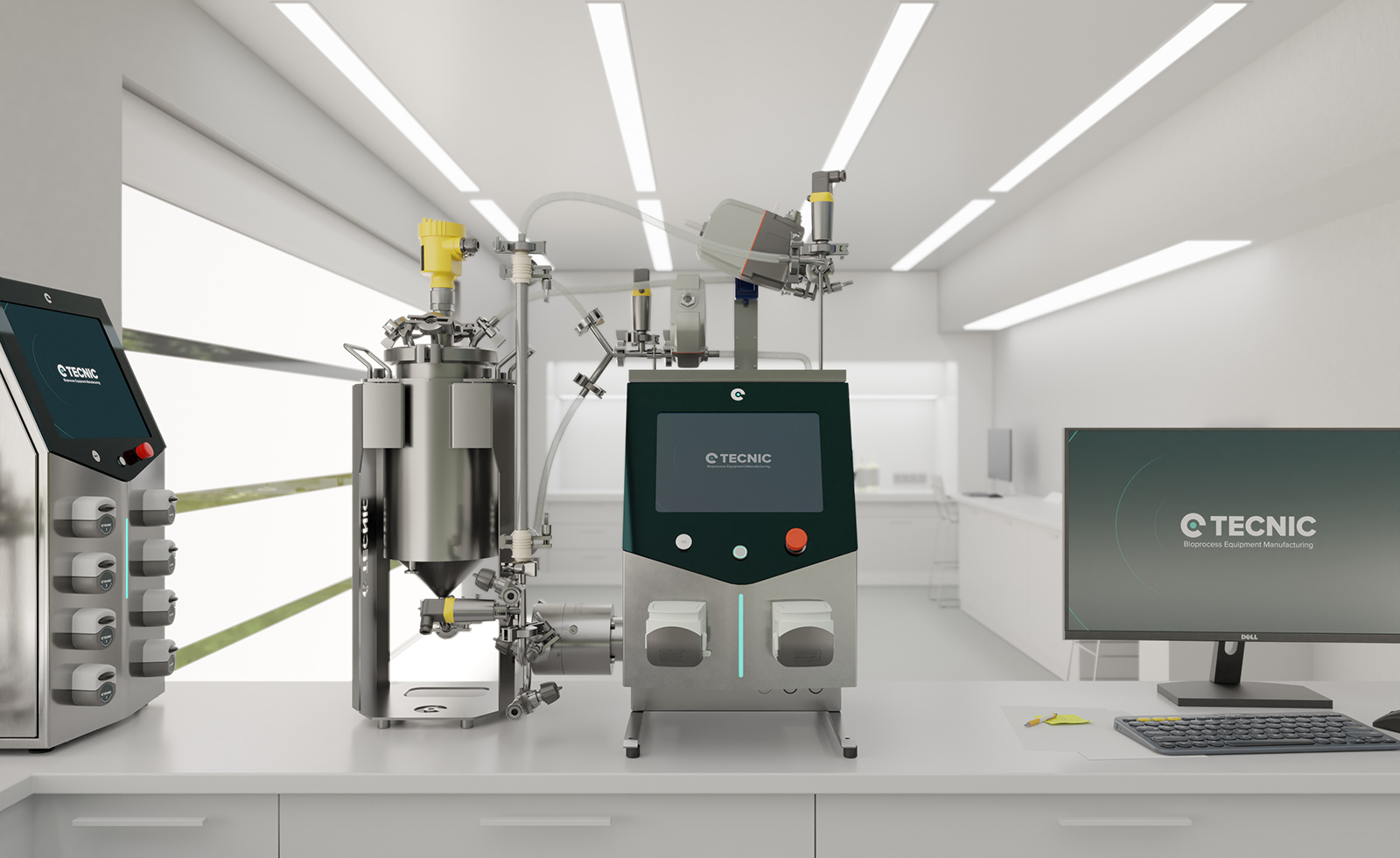
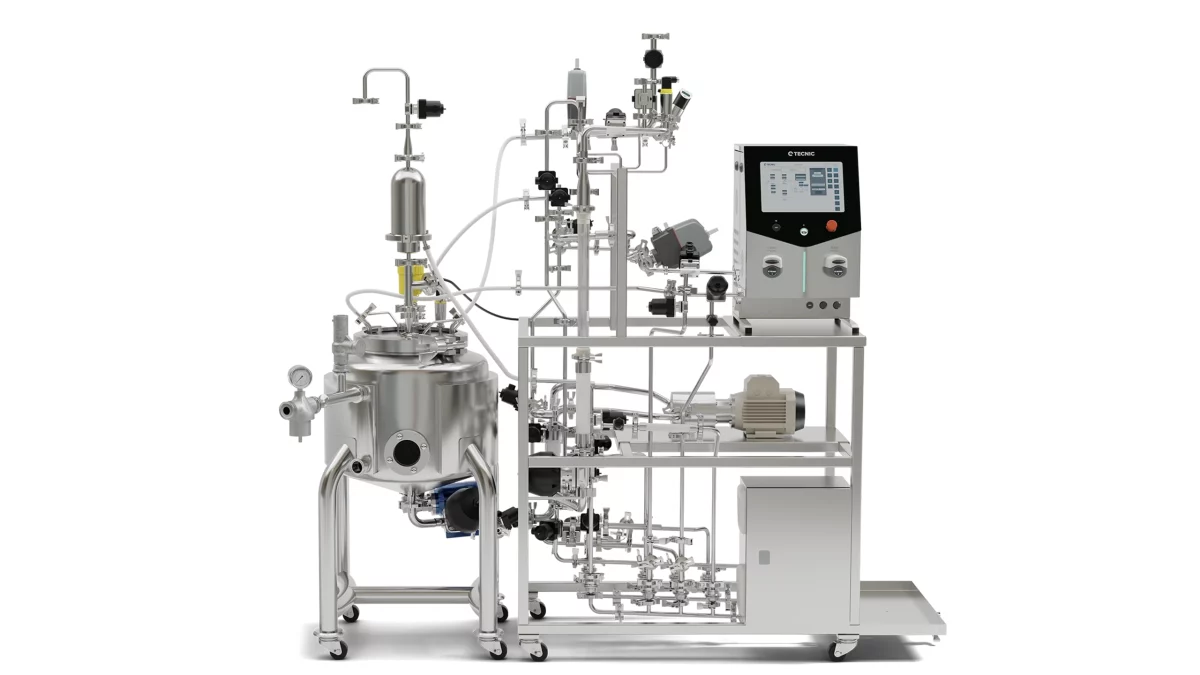
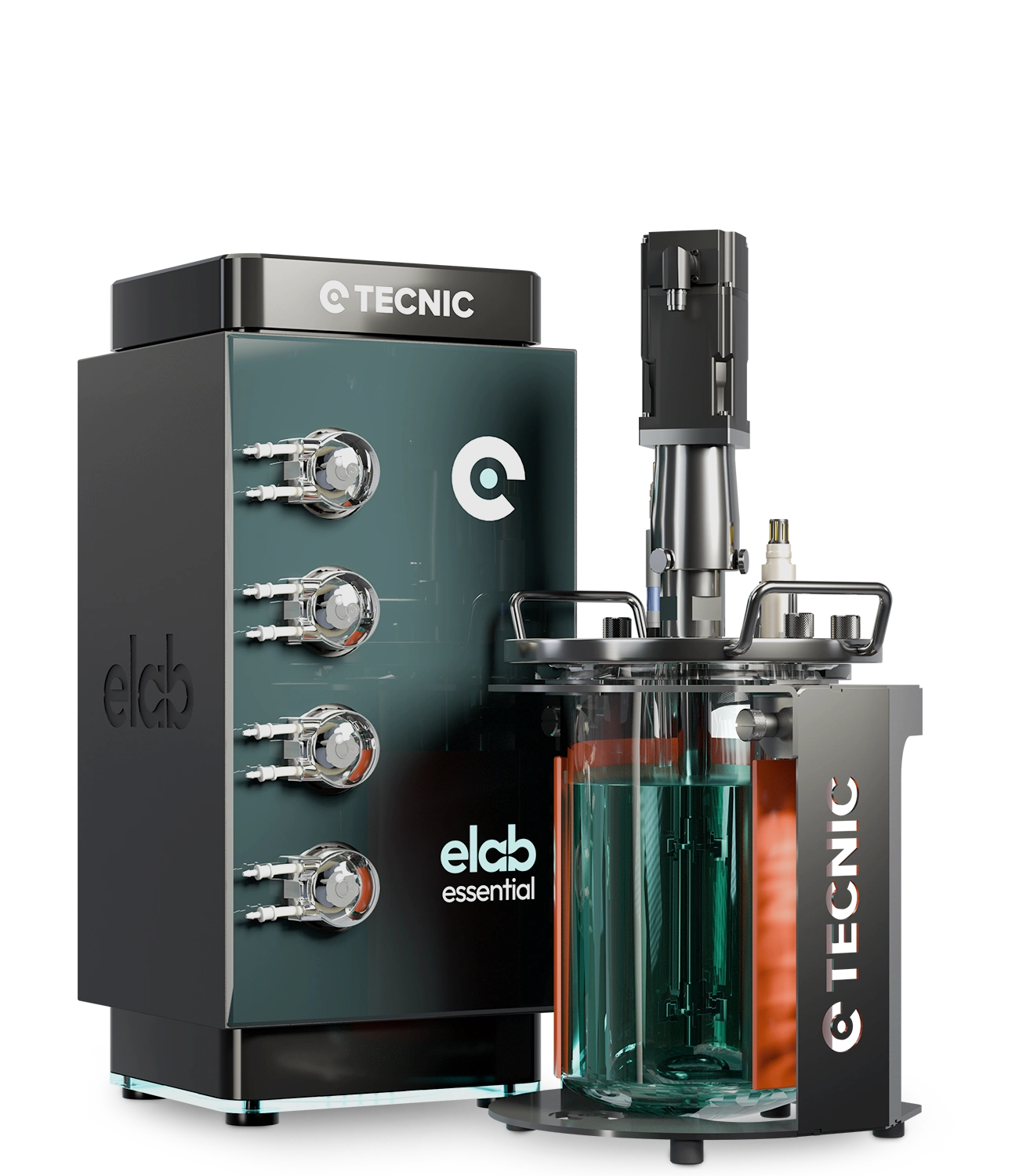
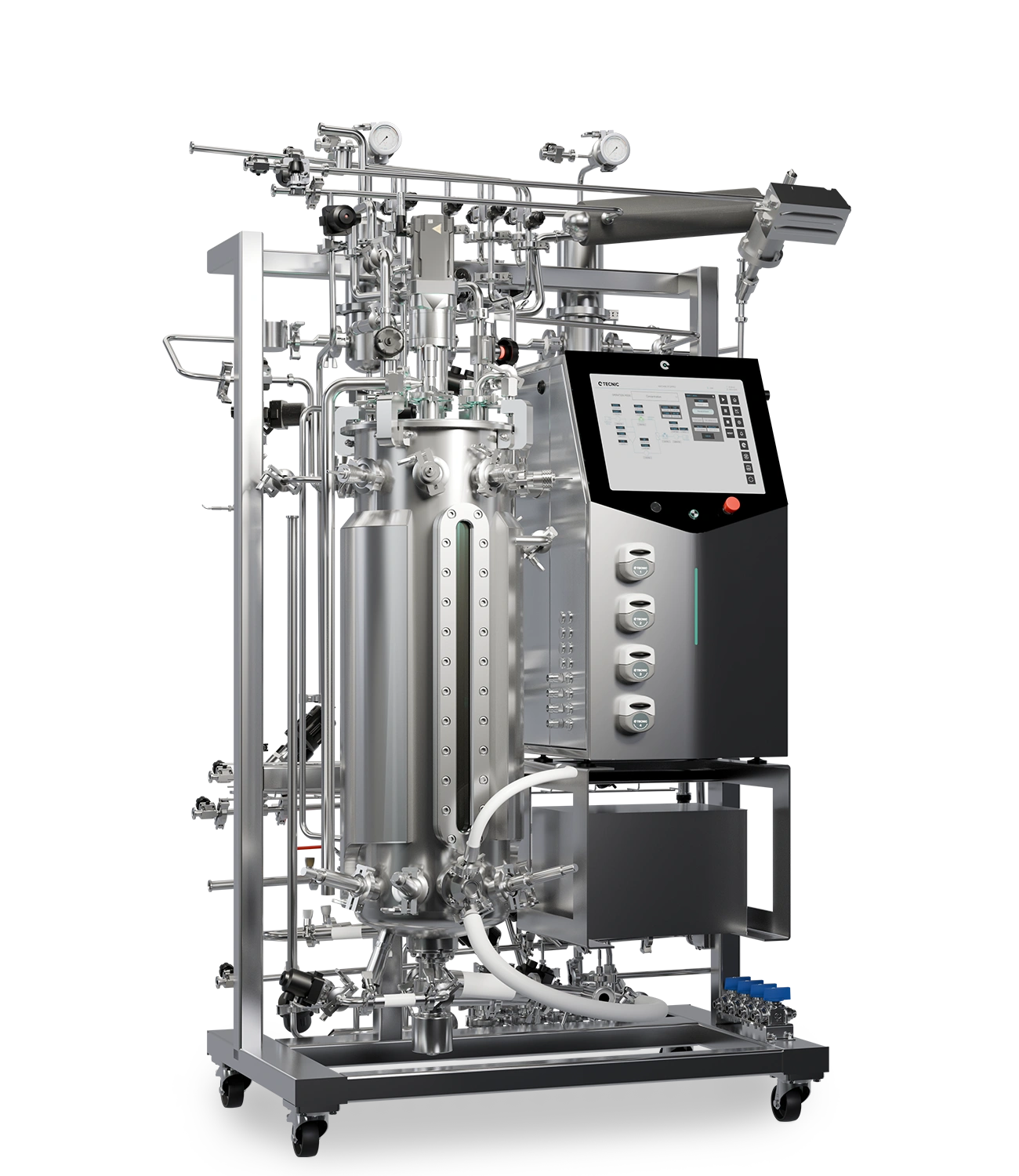
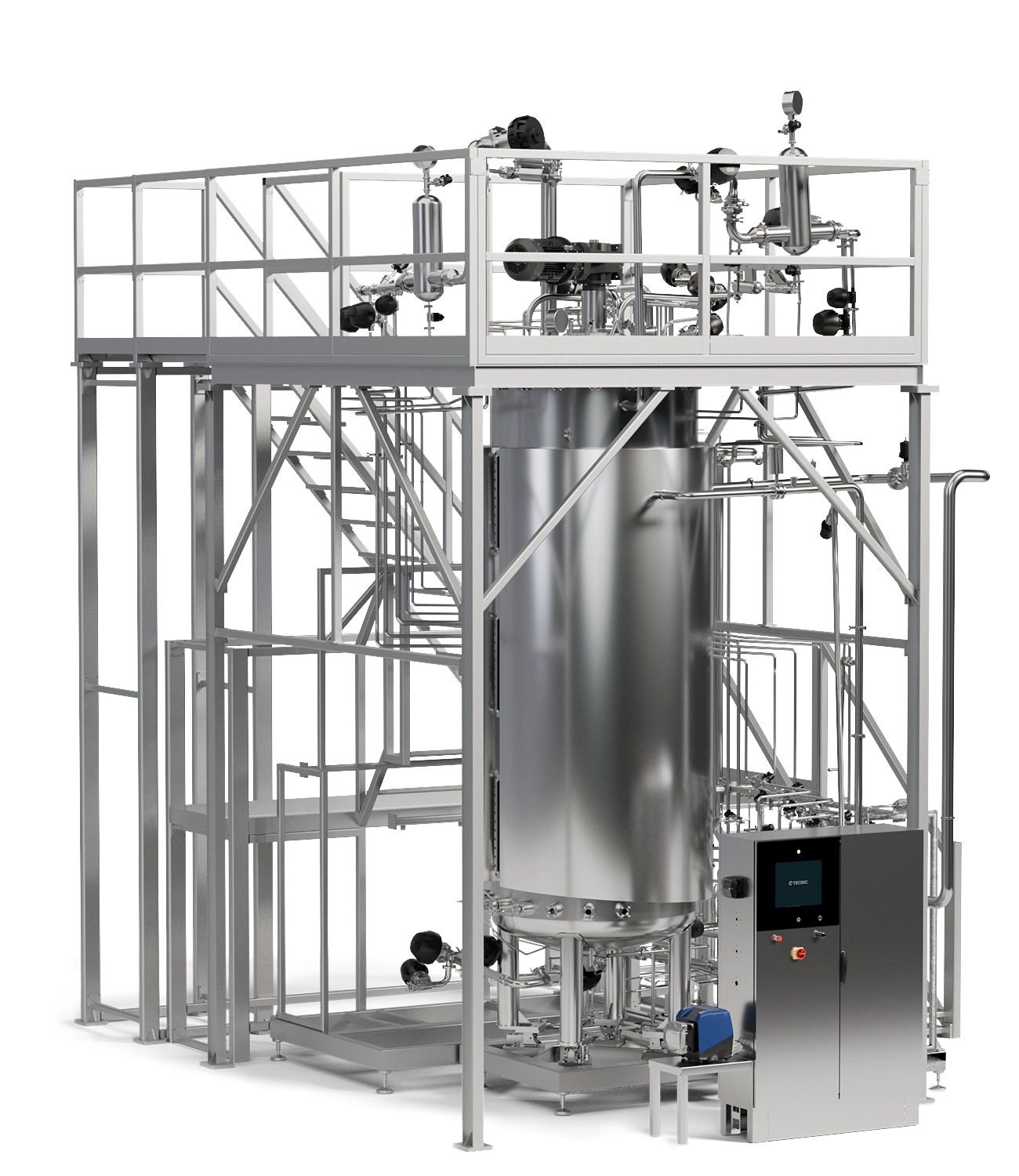
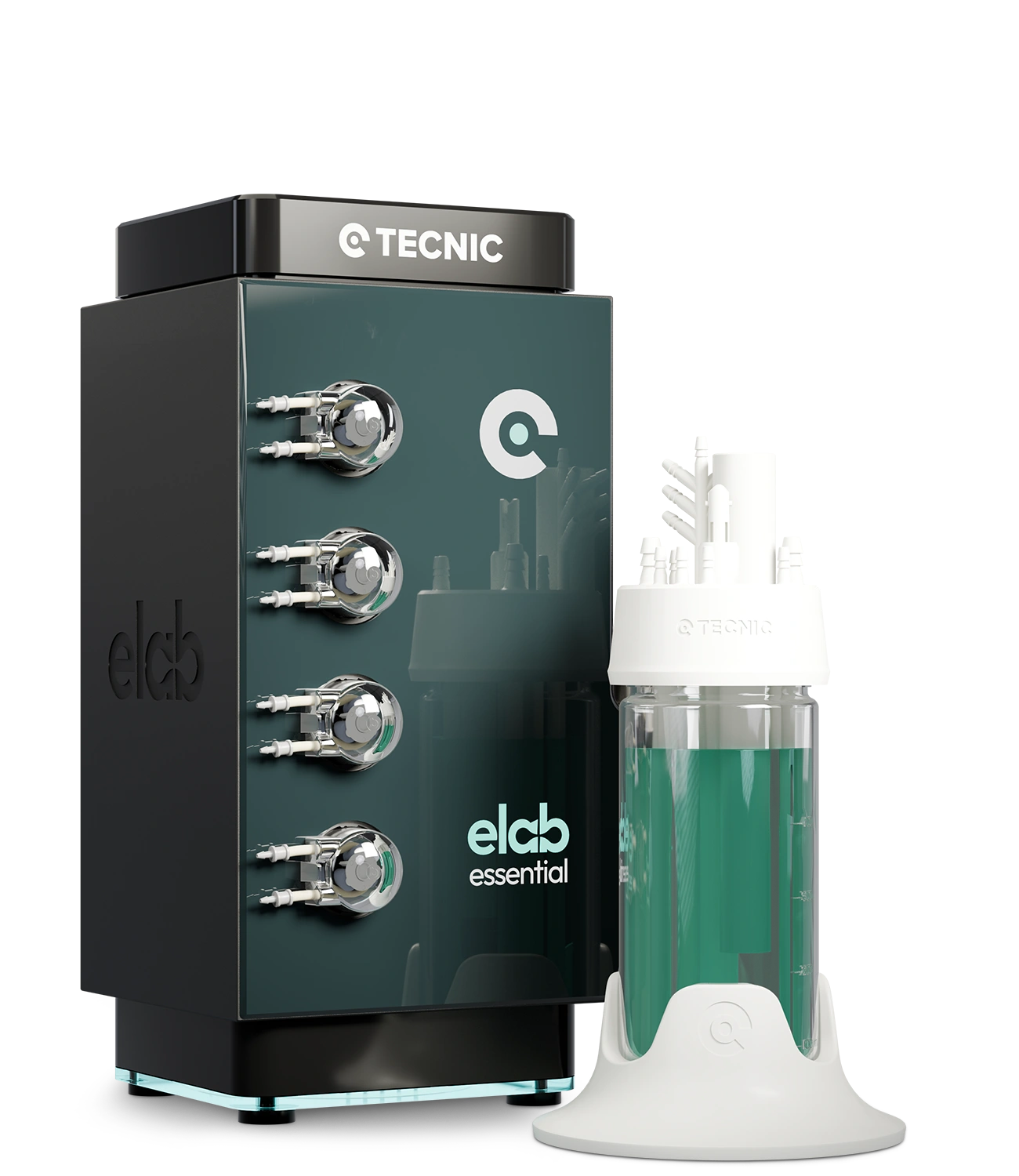
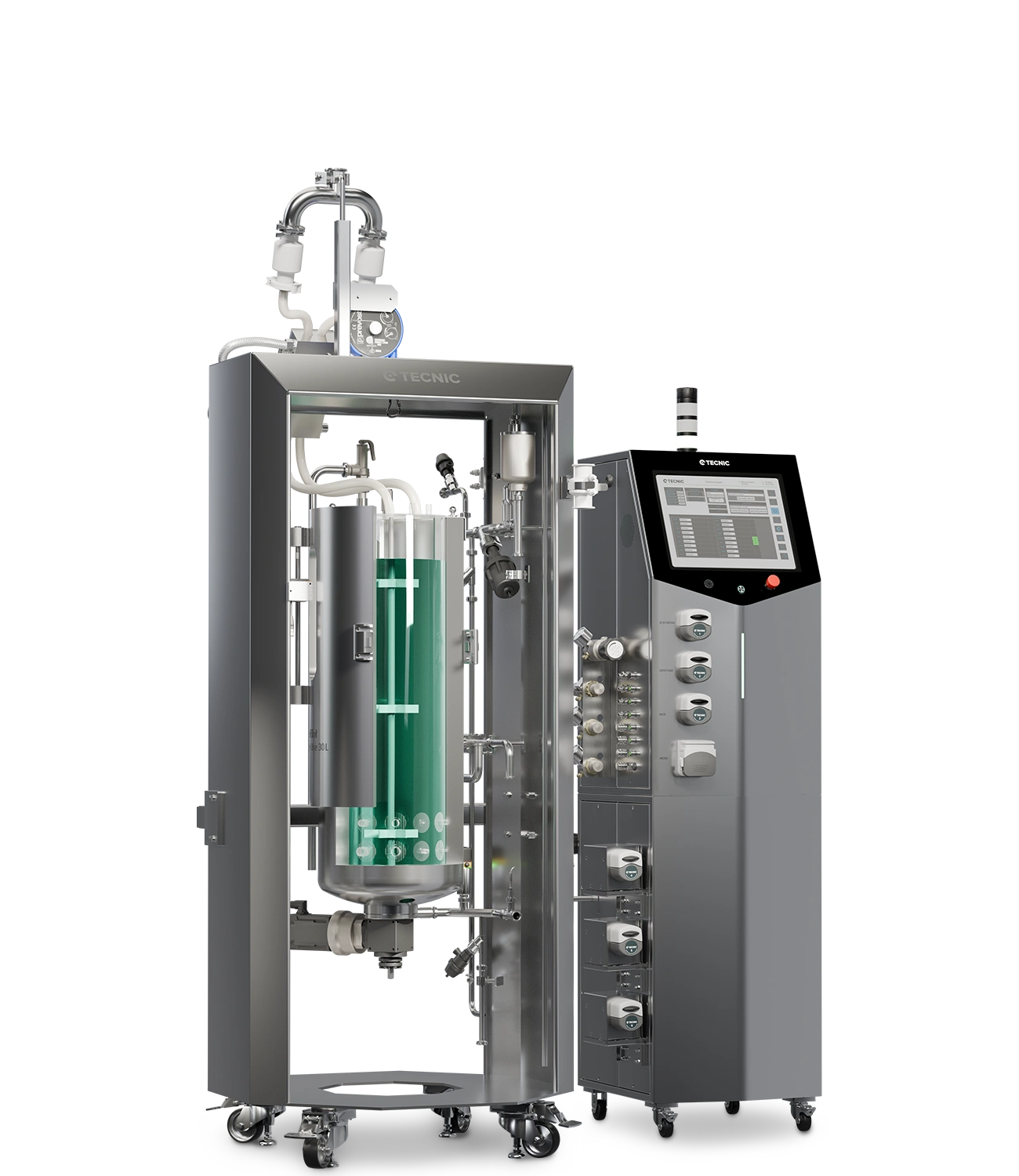
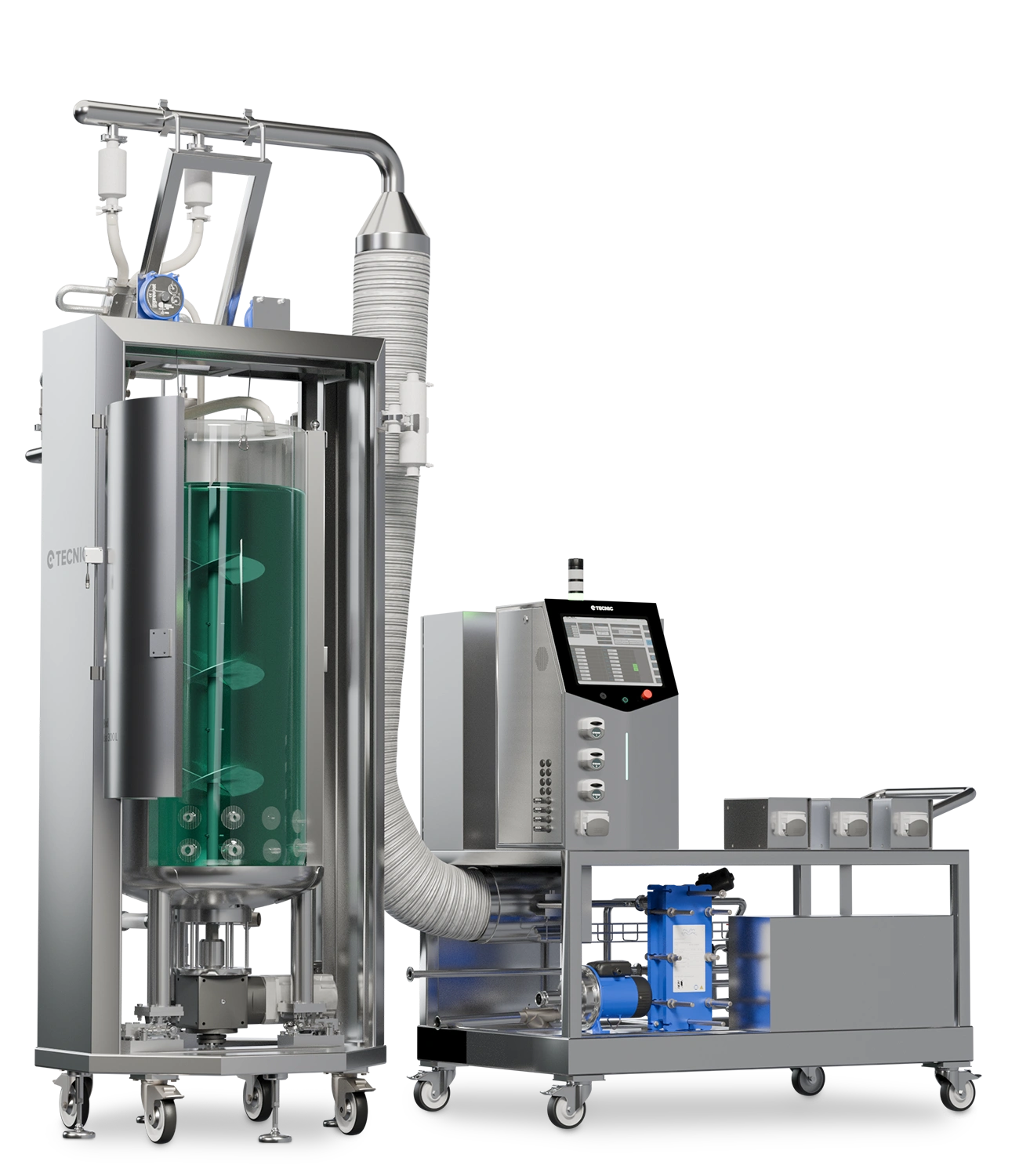
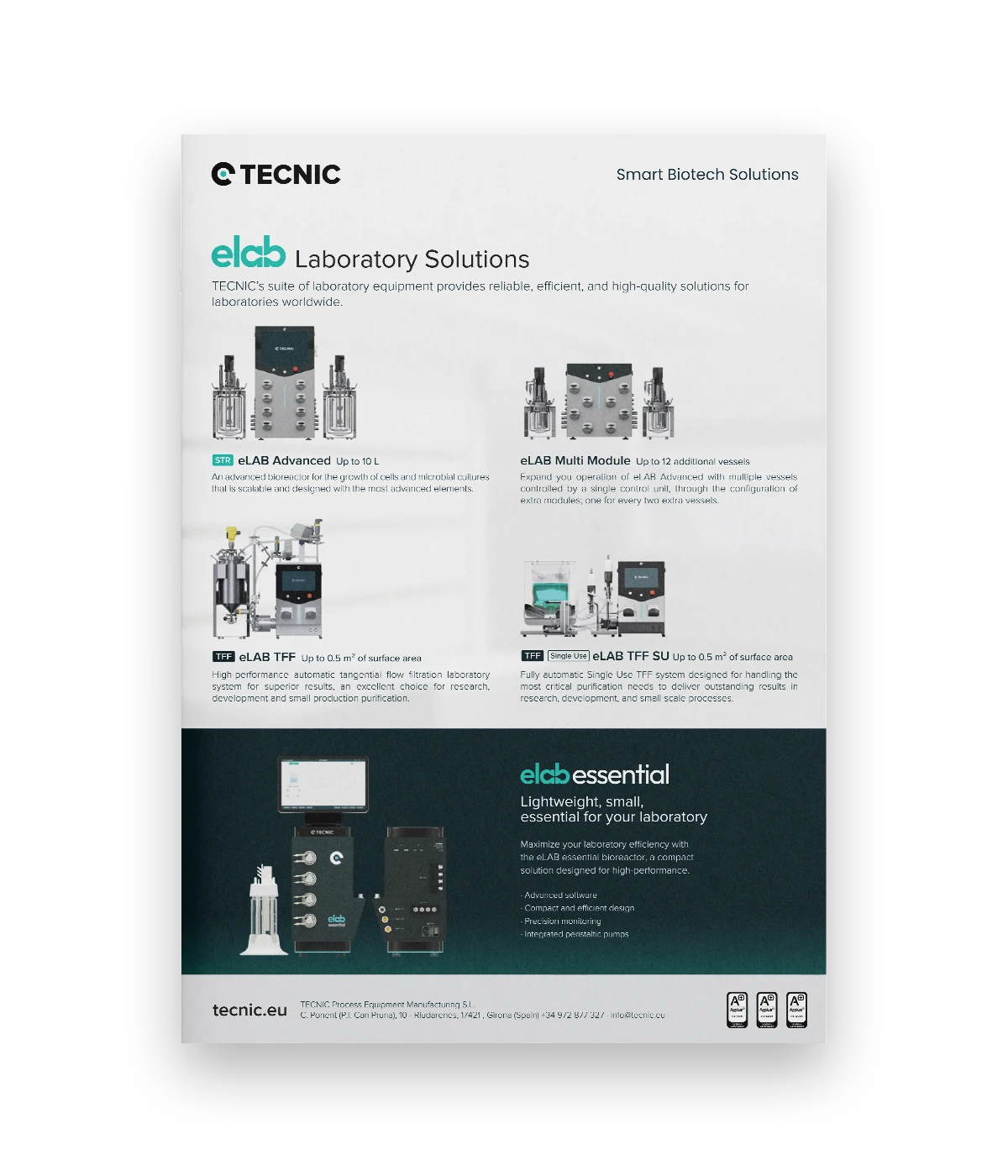
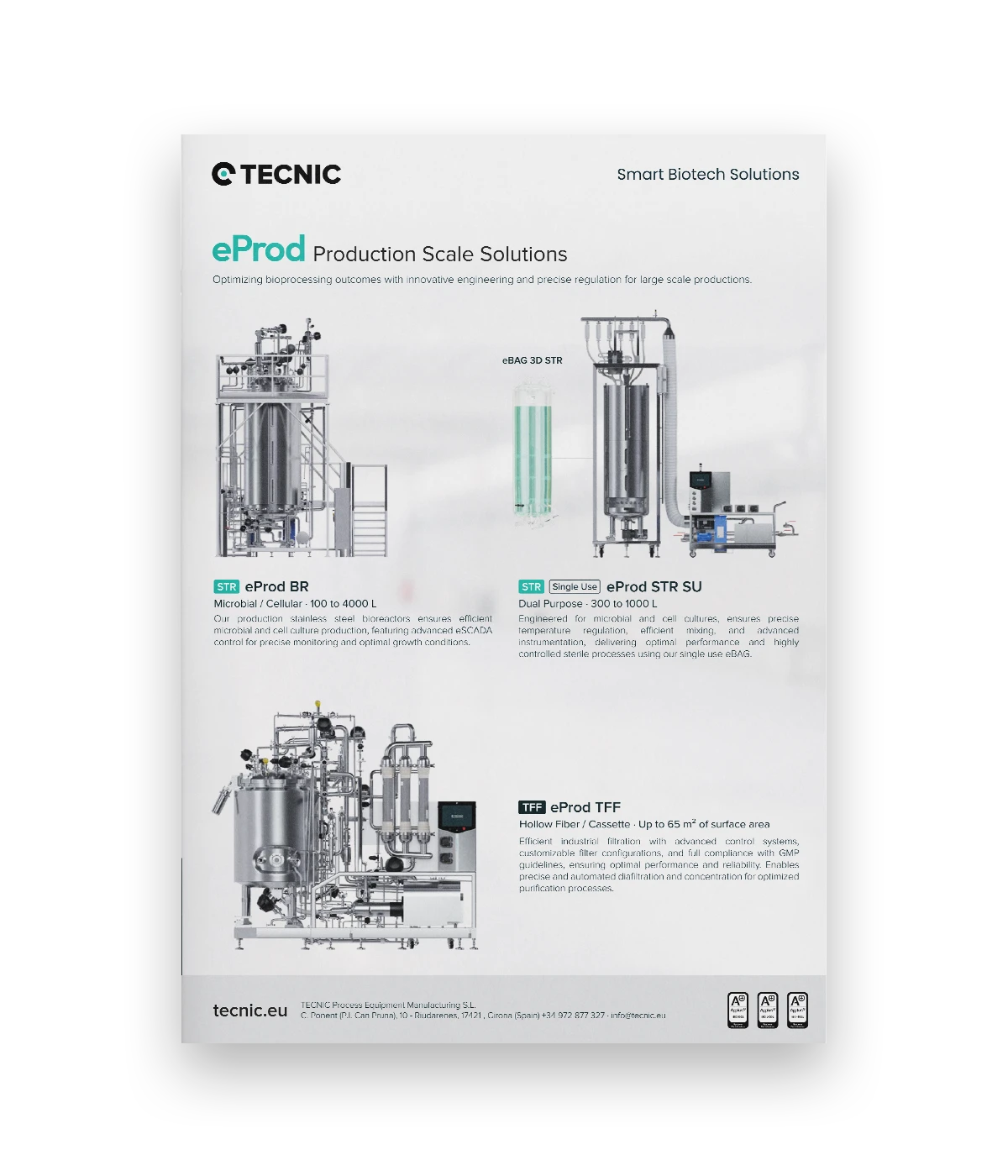
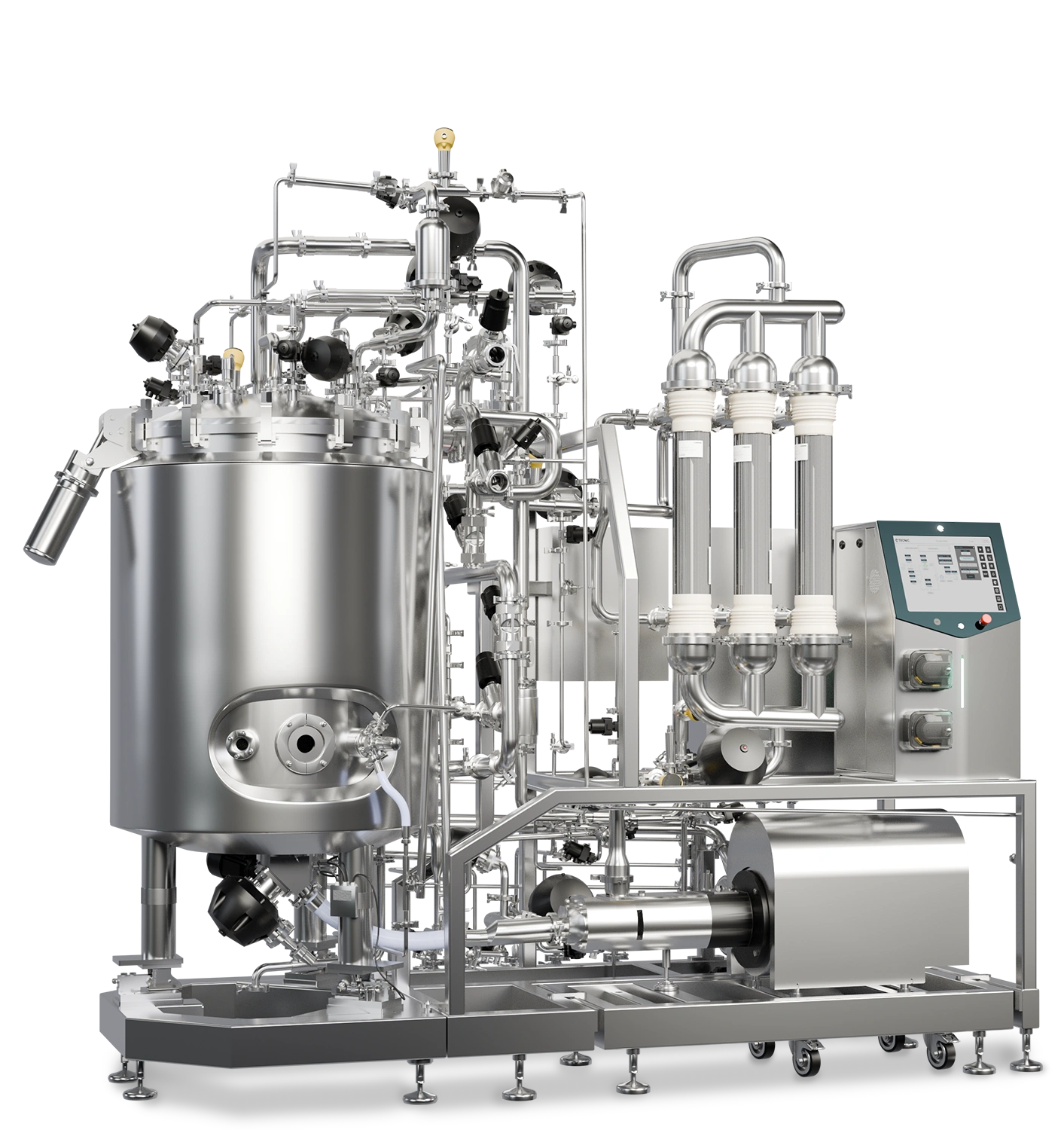
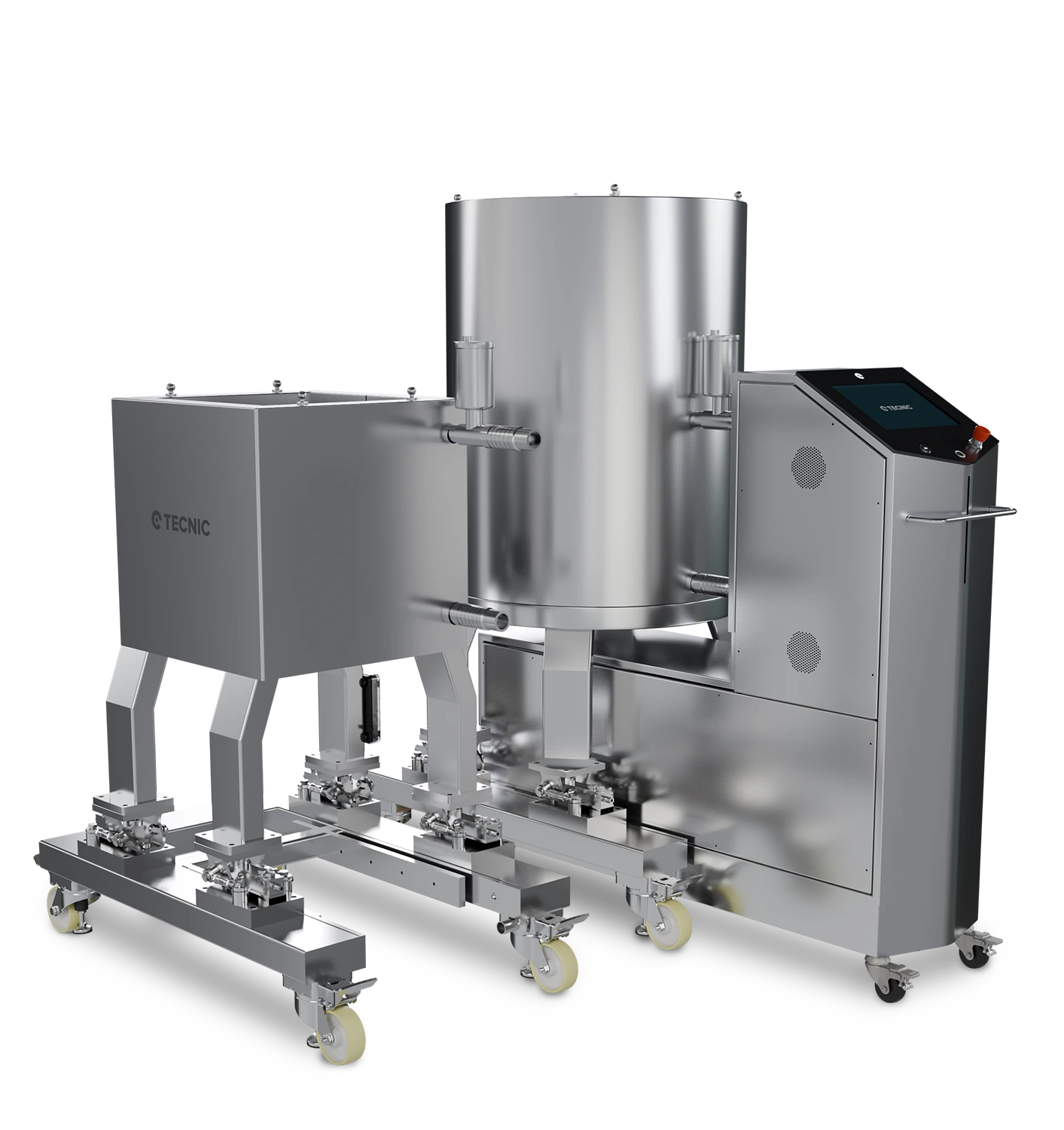
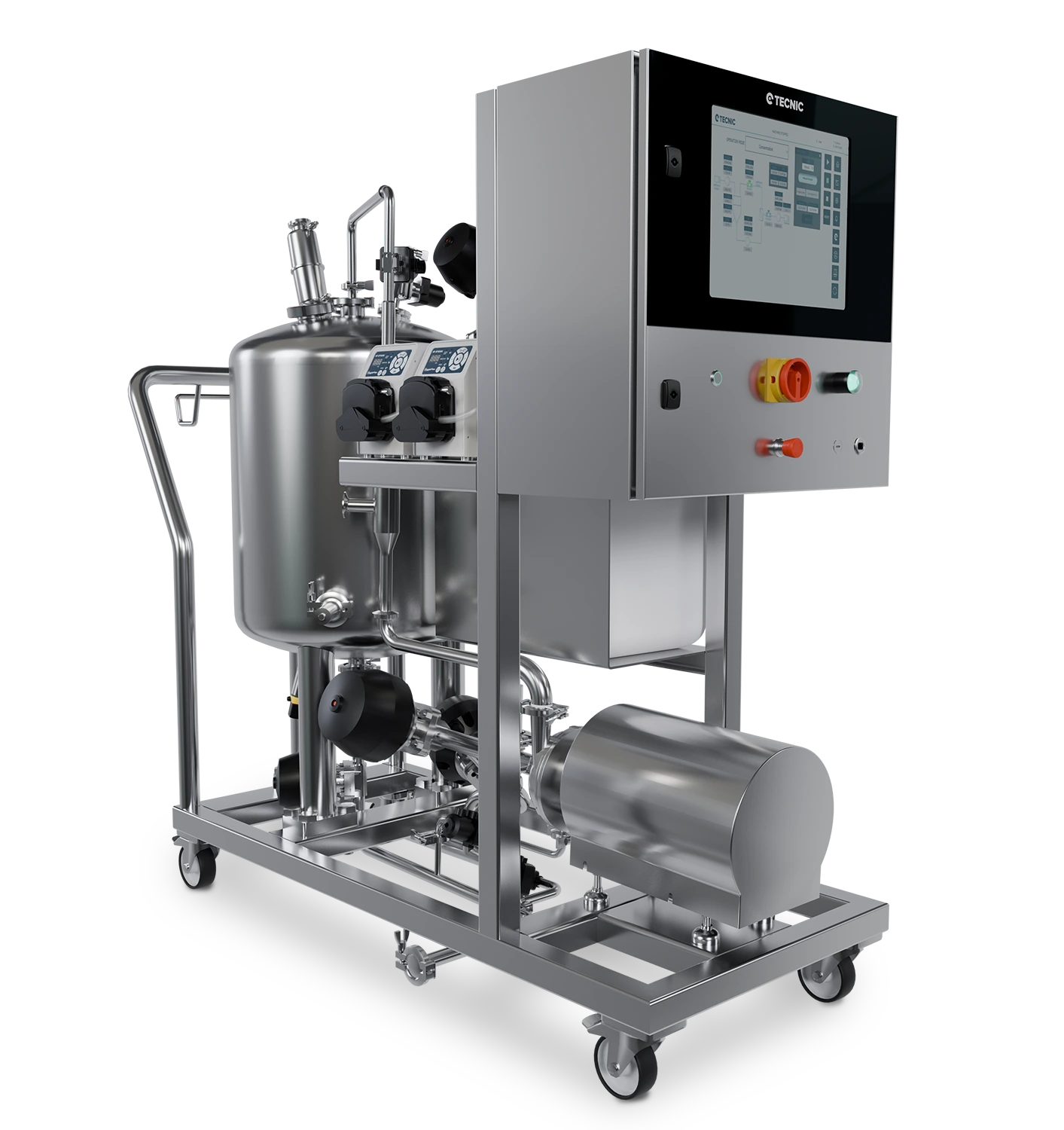
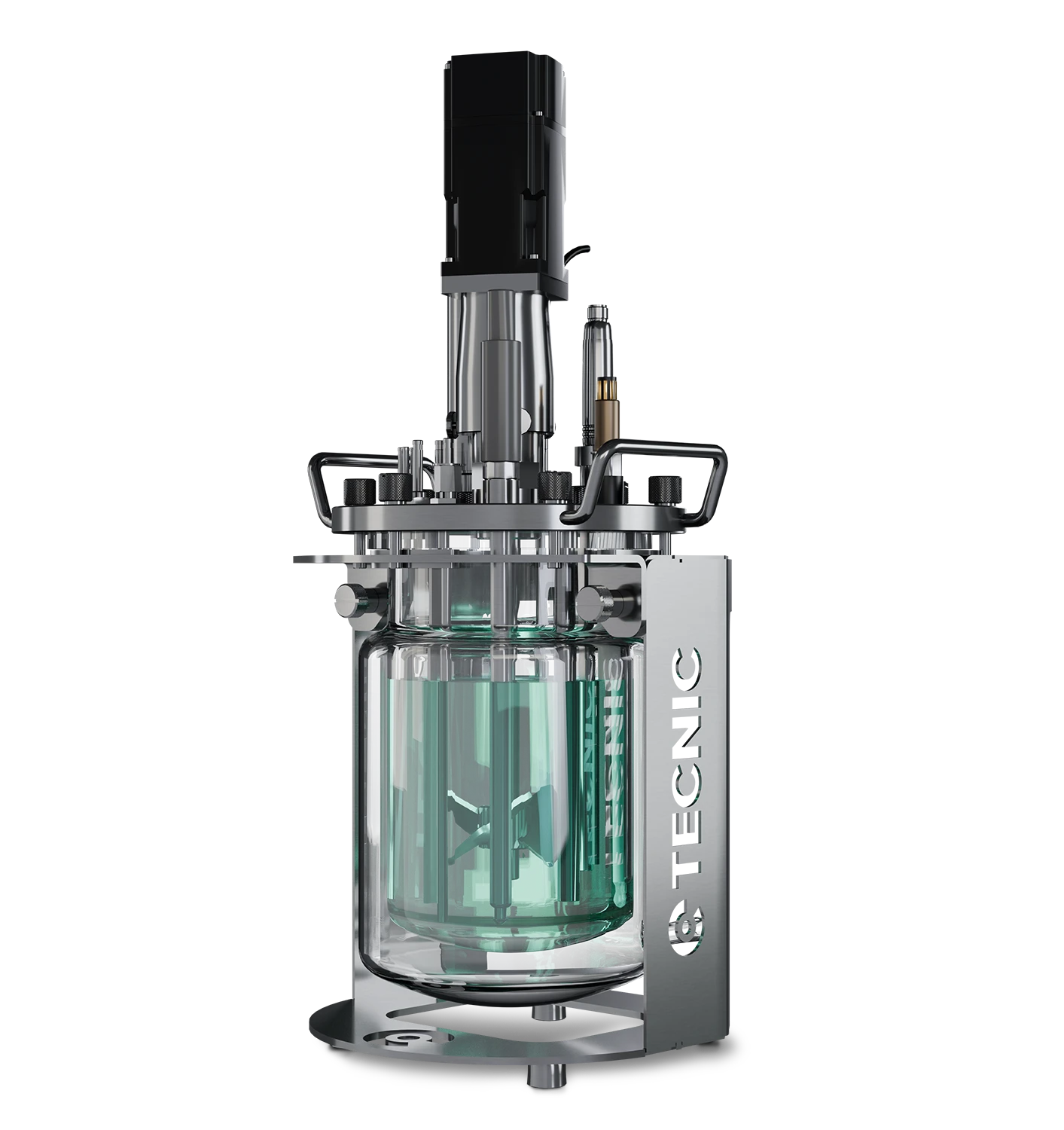
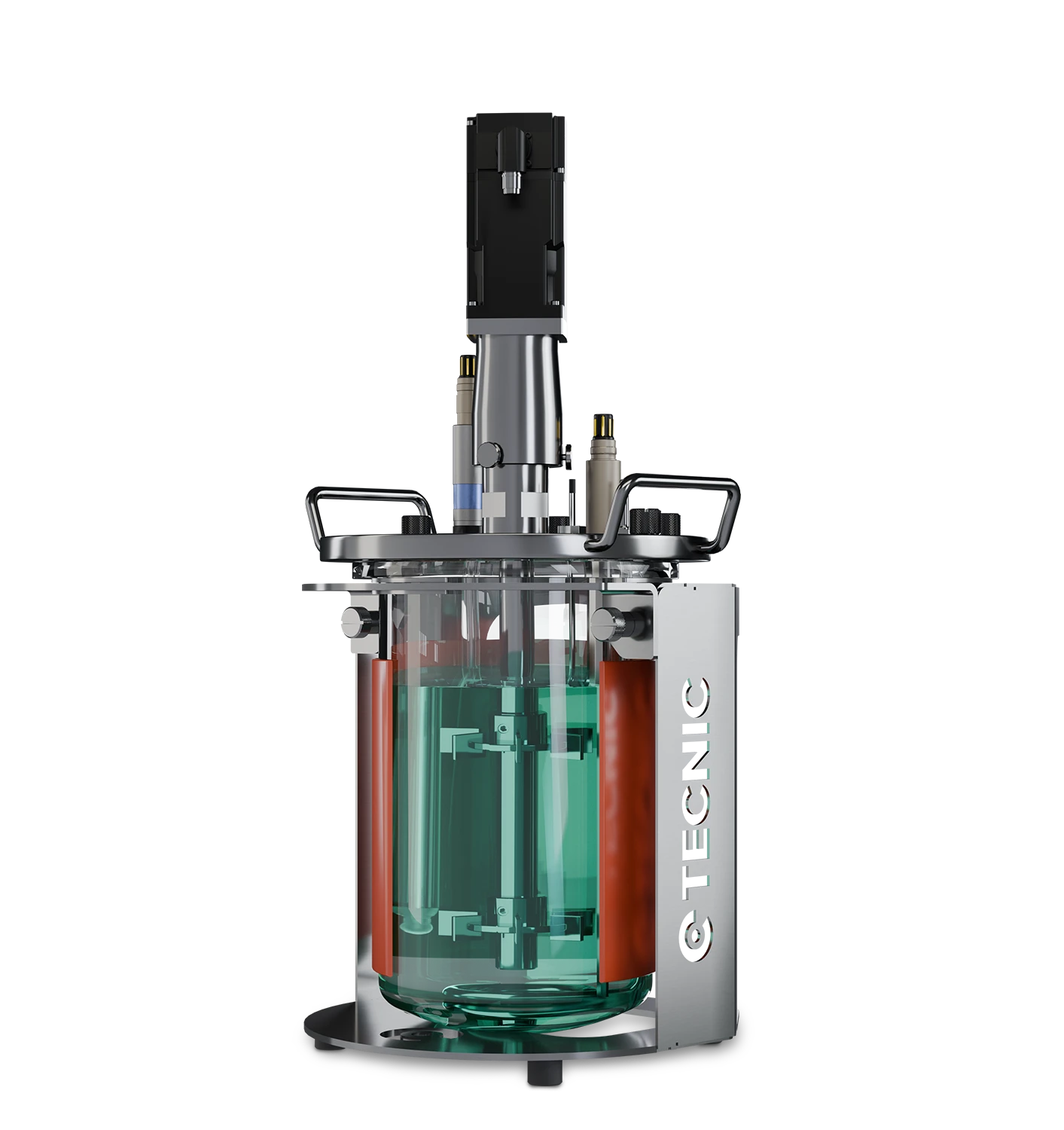
TECNIC fits this comparison directly because its bioreactor range covers both microbial and cell-culture applications from lab to production. That makes it a good reference point for understanding how one platform family can support both fermenter-type microbial processes and broader bioreactor workflows.
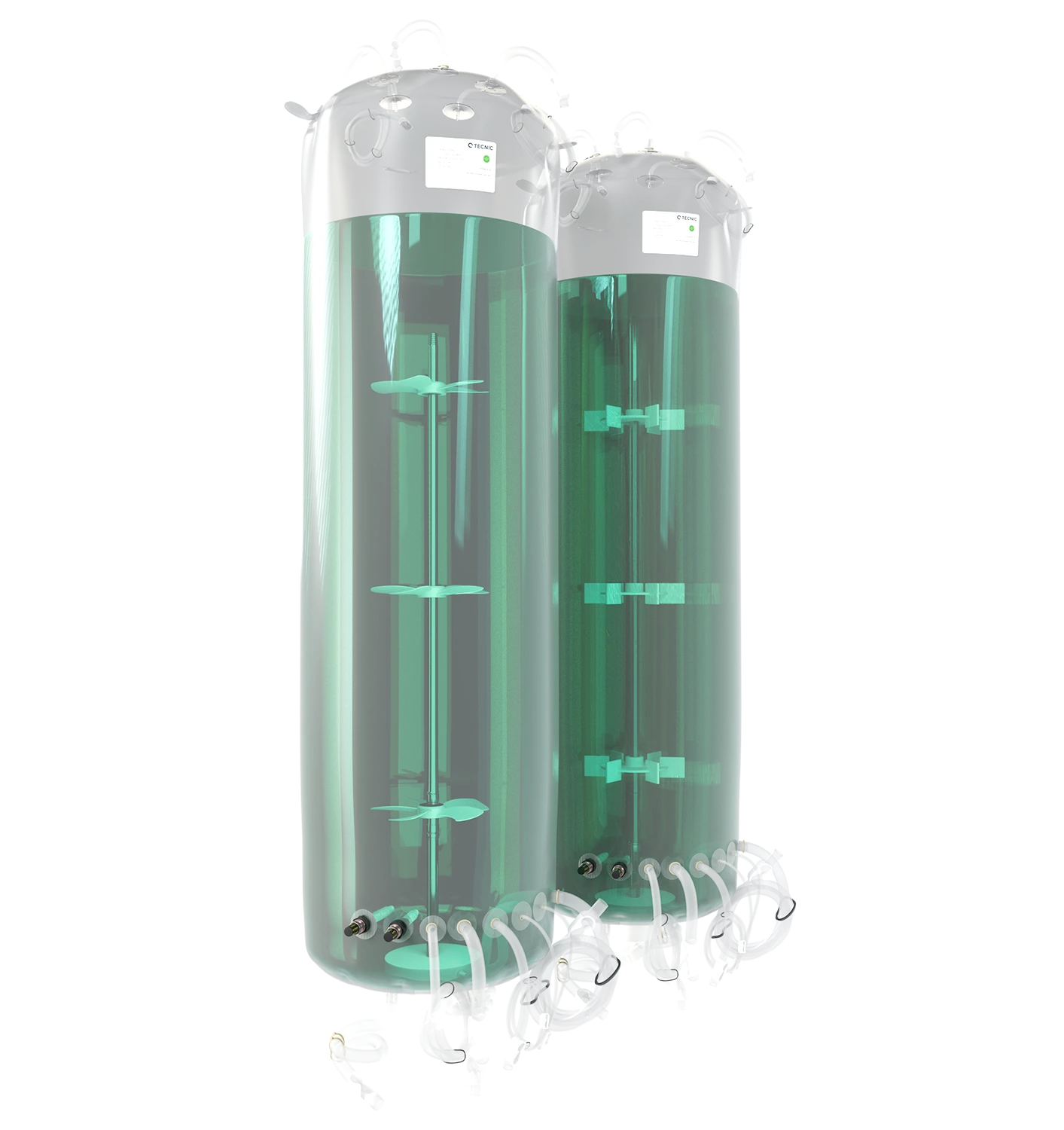
Bioreactors
Relevant when microbial and cell-based processes need to be developed within a common stirred-tank technology framework.
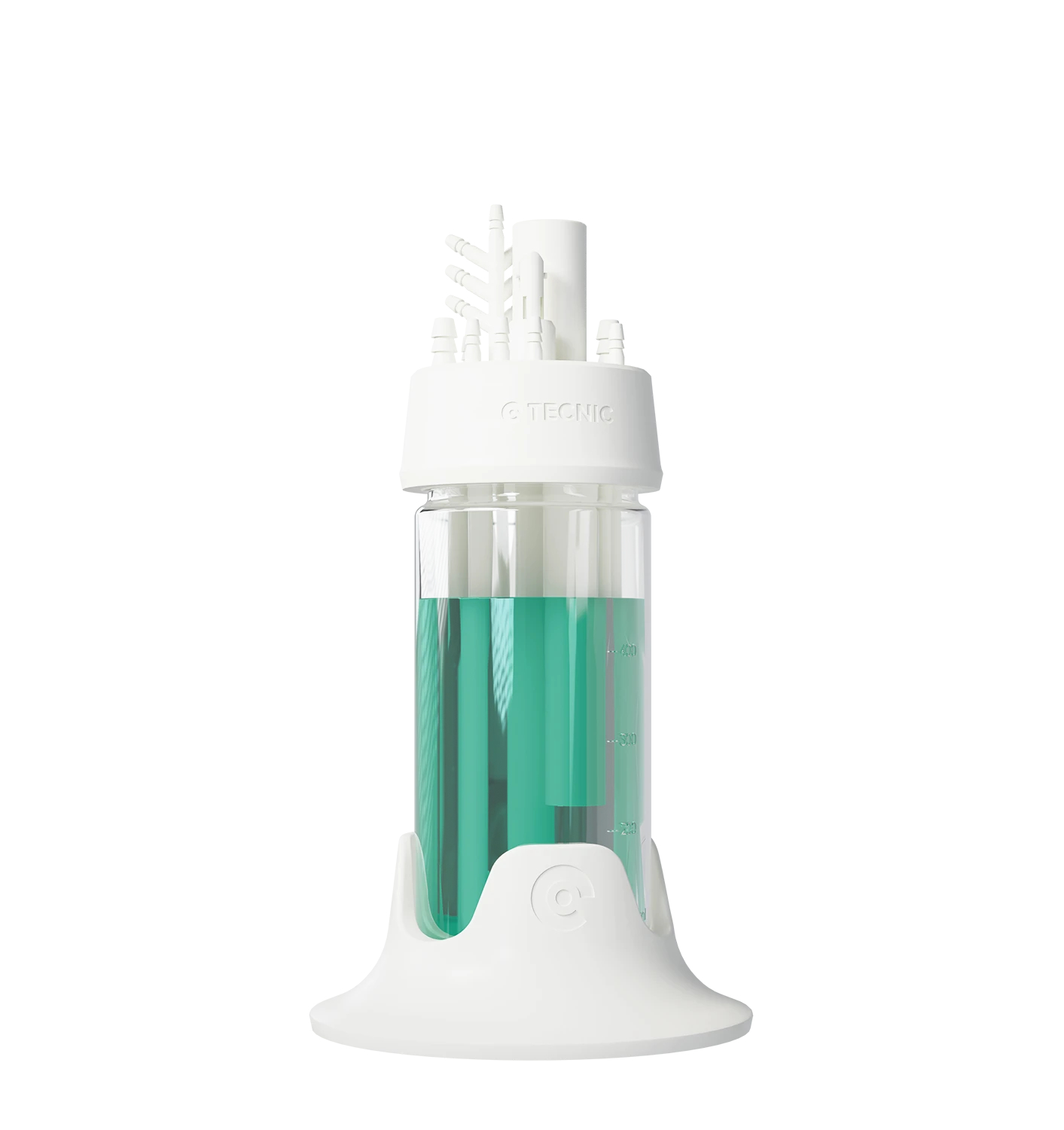
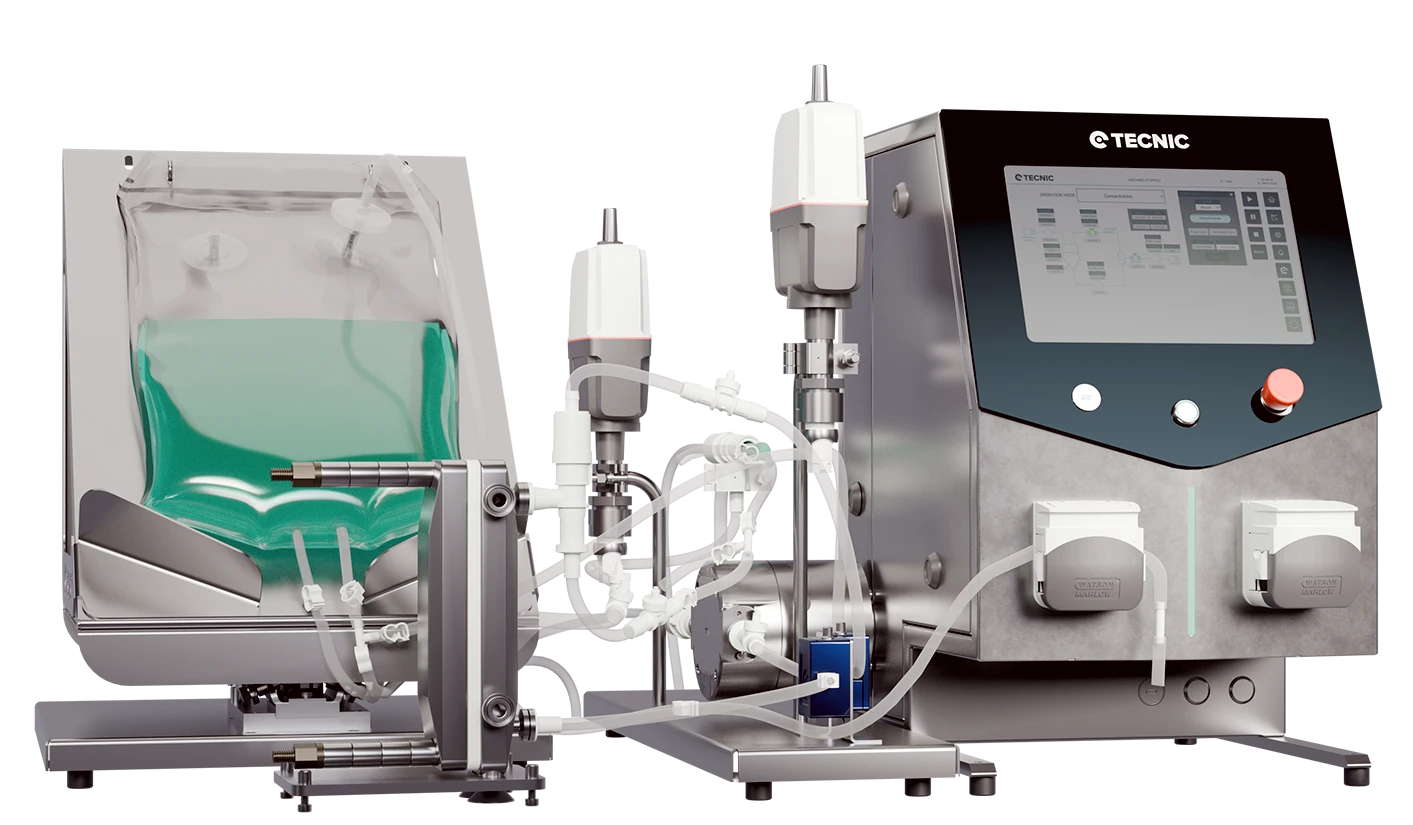
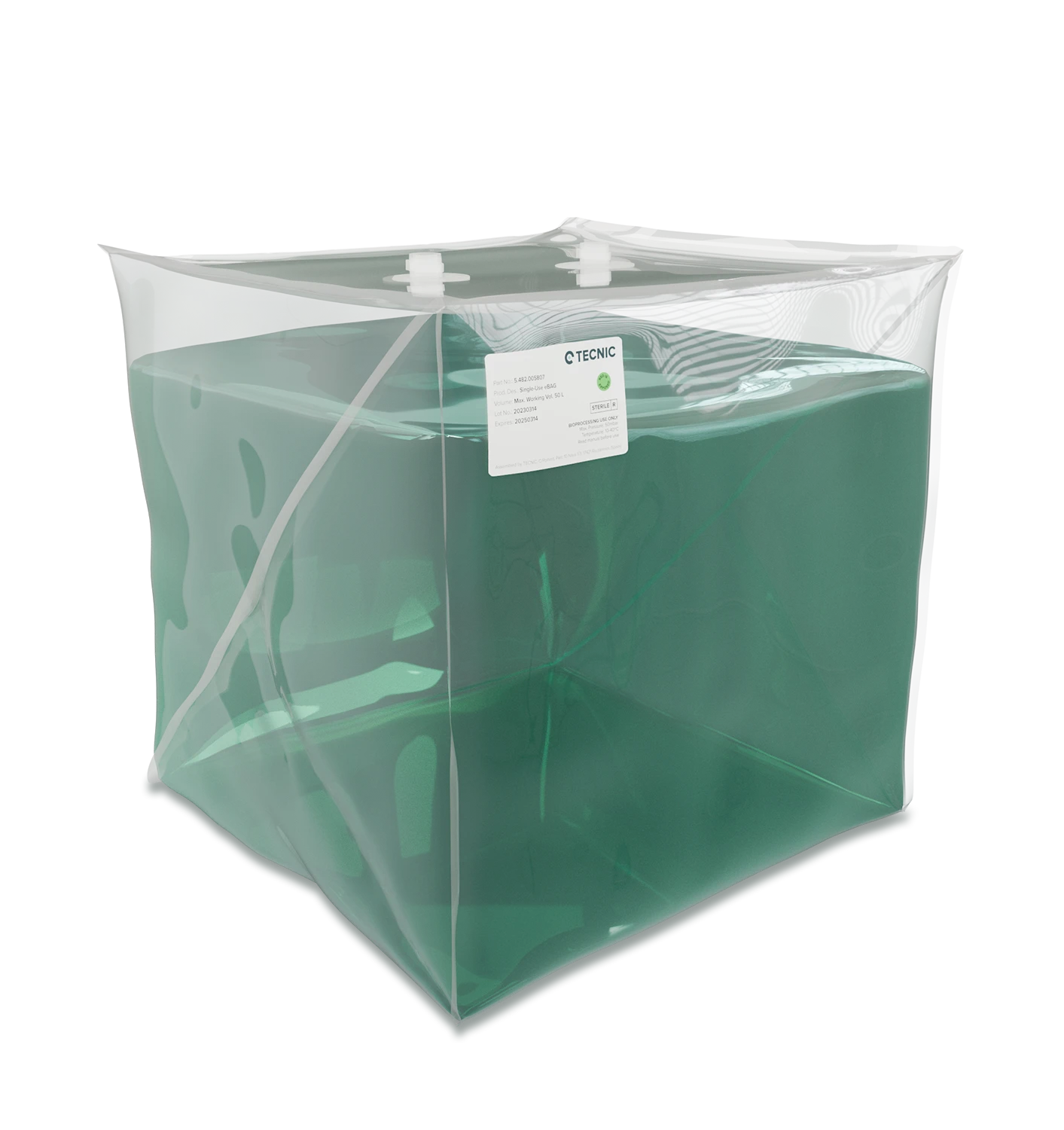
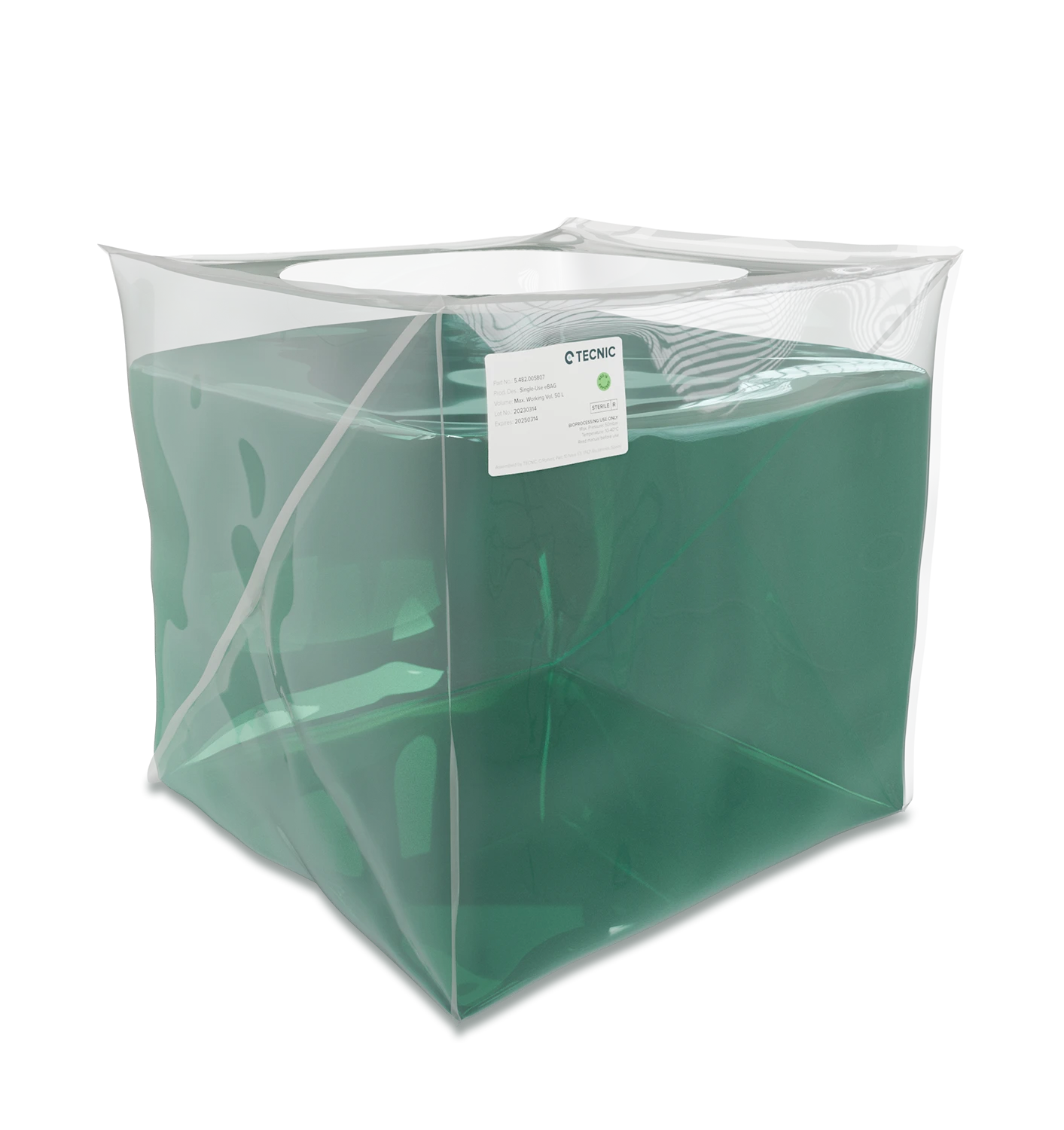
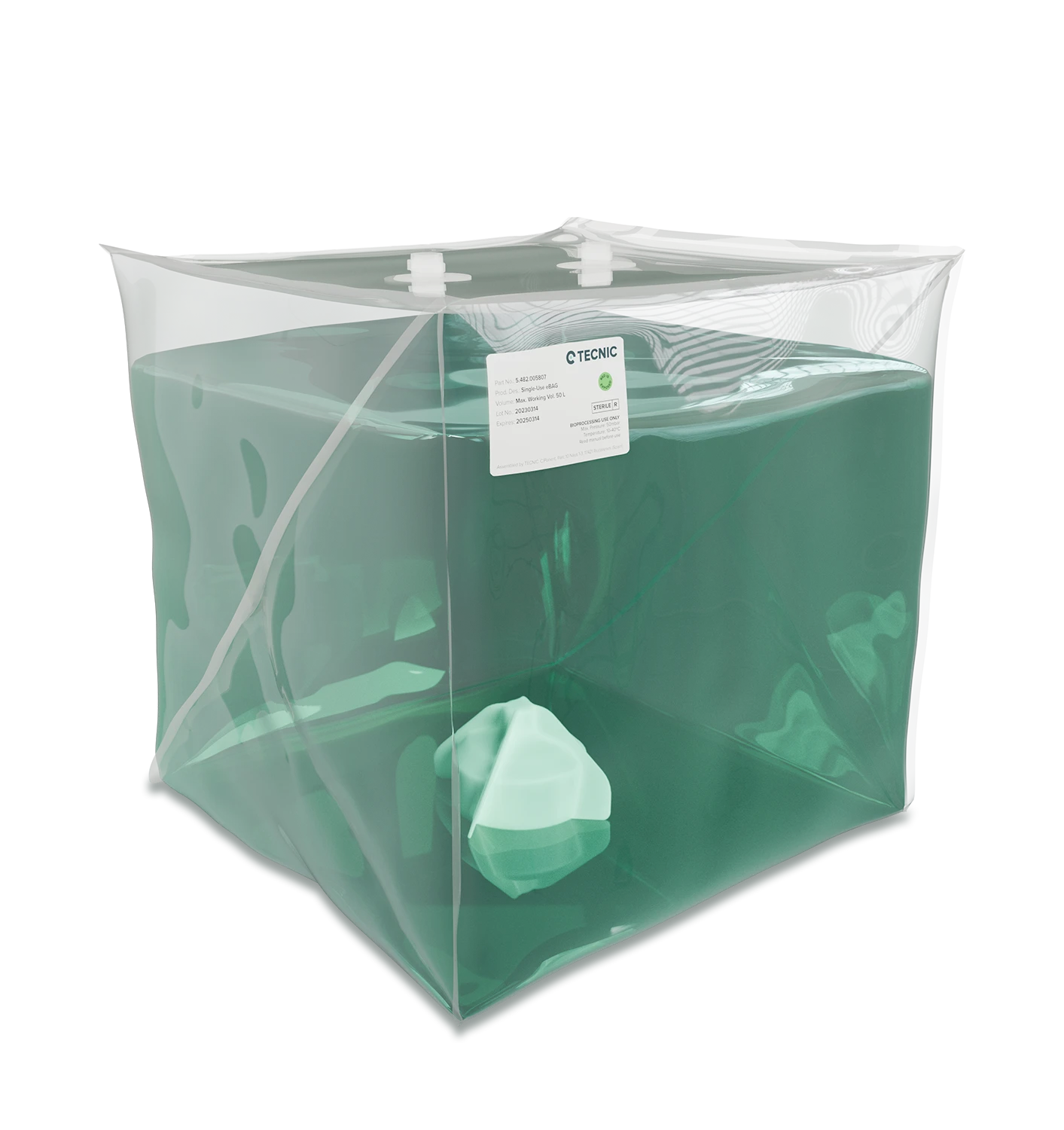
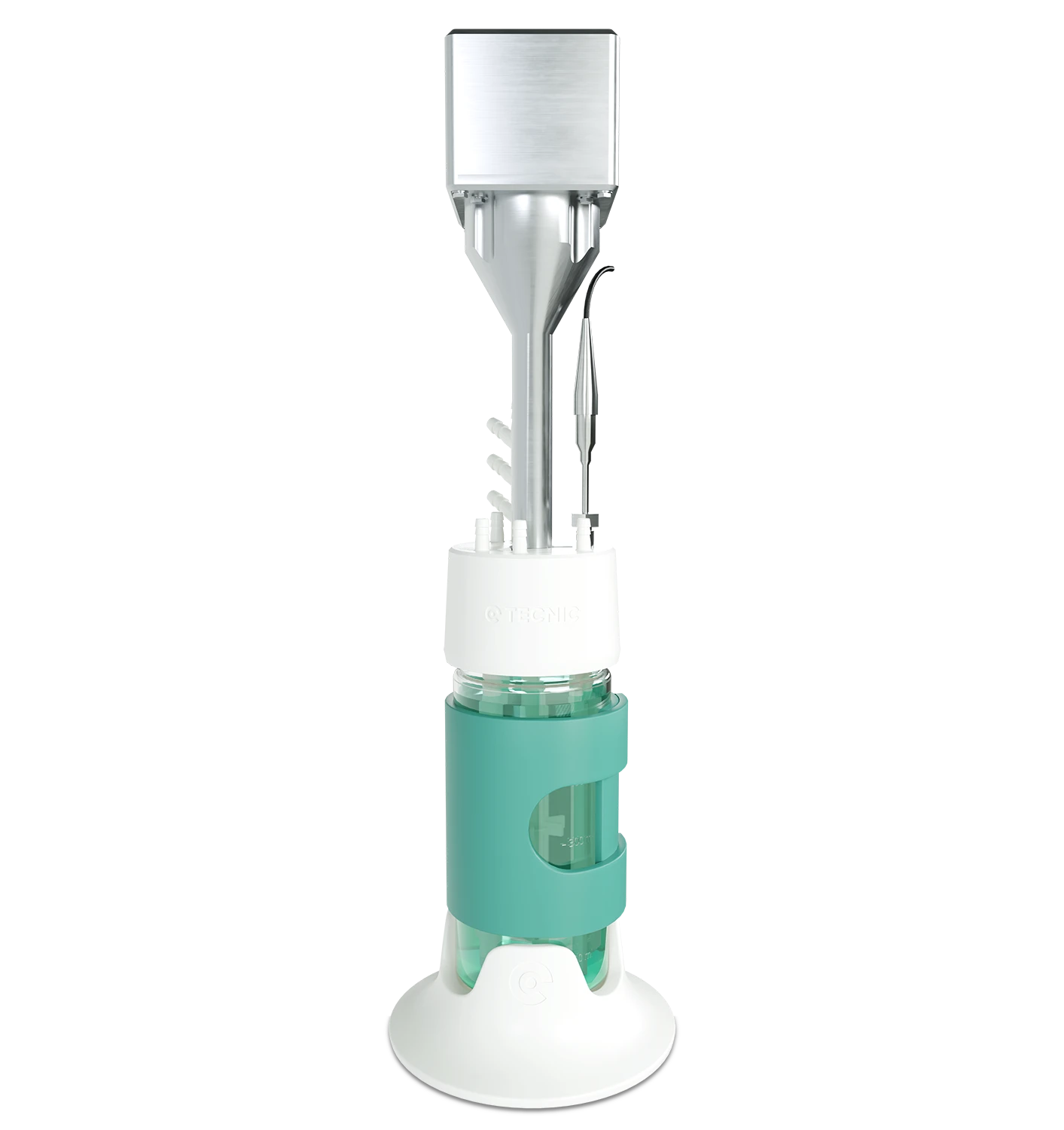
Single-use bioreactors
Especially relevant in cell culture and advanced therapy workflows where flexibility and lower-shear operation may be important.
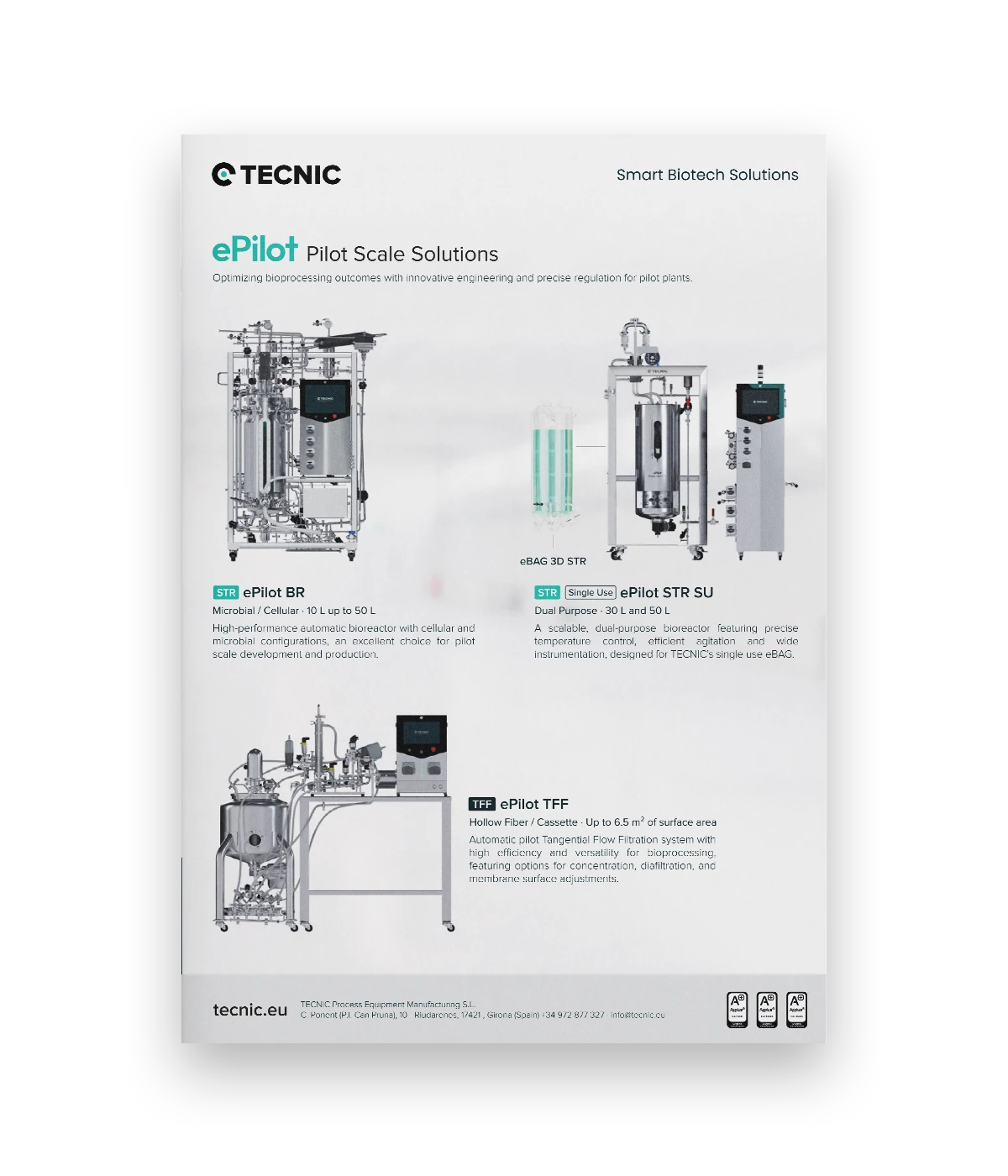
ePilot Bioreactor
Useful when microbial and cell-culture process logic needs to be translated into more representative pilot-scale operation.
Contact TECNIC
When your process sits between fermentation and broader bioreactor logic, direct technical discussion is more useful than relying on terminology alone.
This article works best when the fermenter versus bioreactor distinction is explained as both a terminology issue and a biological-process issue.
Frequently asked questions
What is the difference between a fermenter and a bioreactor?
A fermenter usually refers to a vessel used for microbial fermentation, while bioreactor is the broader term for controlled biological cultivation systems.
Is every fermenter a bioreactor?
In practical terms, yes. A fermenter is usually considered a type of bioreactor, but with a more specific microbial-process meaning.
Why is the word bioreactor used more often in biopharma?
Because biopharma often deals with mammalian and other delicate cell cultures, and bioreactor is the broader and more appropriate term for those processes.
Can the same vessel design be called both a fermenter and a bioreactor?
Yes. The hardware can be very similar, but the preferred term often depends on whether the process is microbial or broader cell culture.
Does a fermenter always mean anaerobic fermentation?
No. In biotechnology, fermenter is often used for aerobic microbial processes as well, especially in industrial microbiology.
Reviewing whether your process is better described as fermentation or broader bioreactor cultivation?
Explore TECNIC’s bioreactor solutions or speak with our team to review the right platform for microbial or cell-culture workflows.