








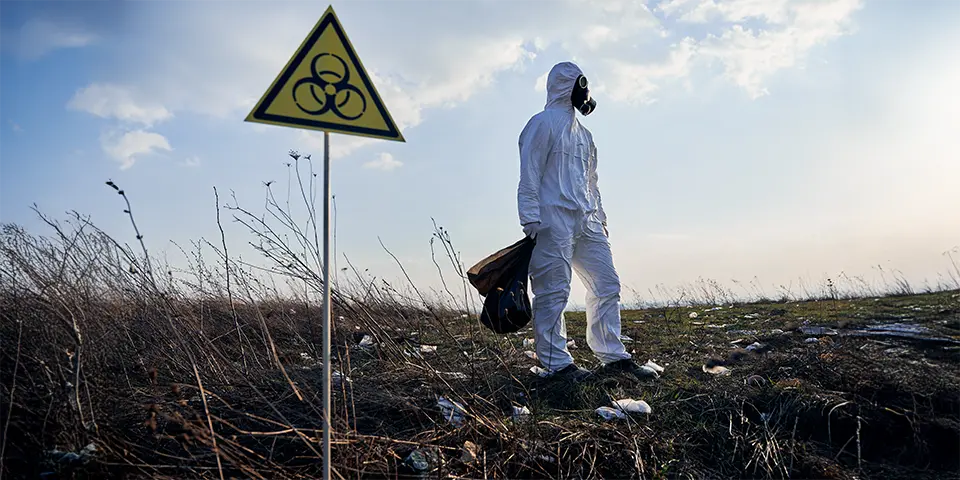
Black biotechnology is the branch of biotechnology linked to high-risk pathogens, biodefense, biosecurity and the prevention of malicious biological misuse. It sits at the intersection of science, public health and national security.
The field is not about promoting harmful use. Its legitimate role is defensive: understanding dangerous biological threats well enough to detect them earlier, contain them safely and strengthen preparedness through diagnostics, surveillance and countermeasures.
Black biotechnology matters because biological threats are not only medical problems. They are also security, preparedness and governance problems.
What is black biotechnology?
Black biotechnology refers to the area of biotechnology concerned with dangerous biological threats and the systems needed to prevent, detect and respond to them. It is often associated with biodefense, pathogen surveillance and biosecurity.
Unlike other biotechnology branches that focus mainly on medicine, food or industrial production, black biotechnology is centered on security and preparedness. Its legitimate purpose is protective, reducing risk and improving resilience.
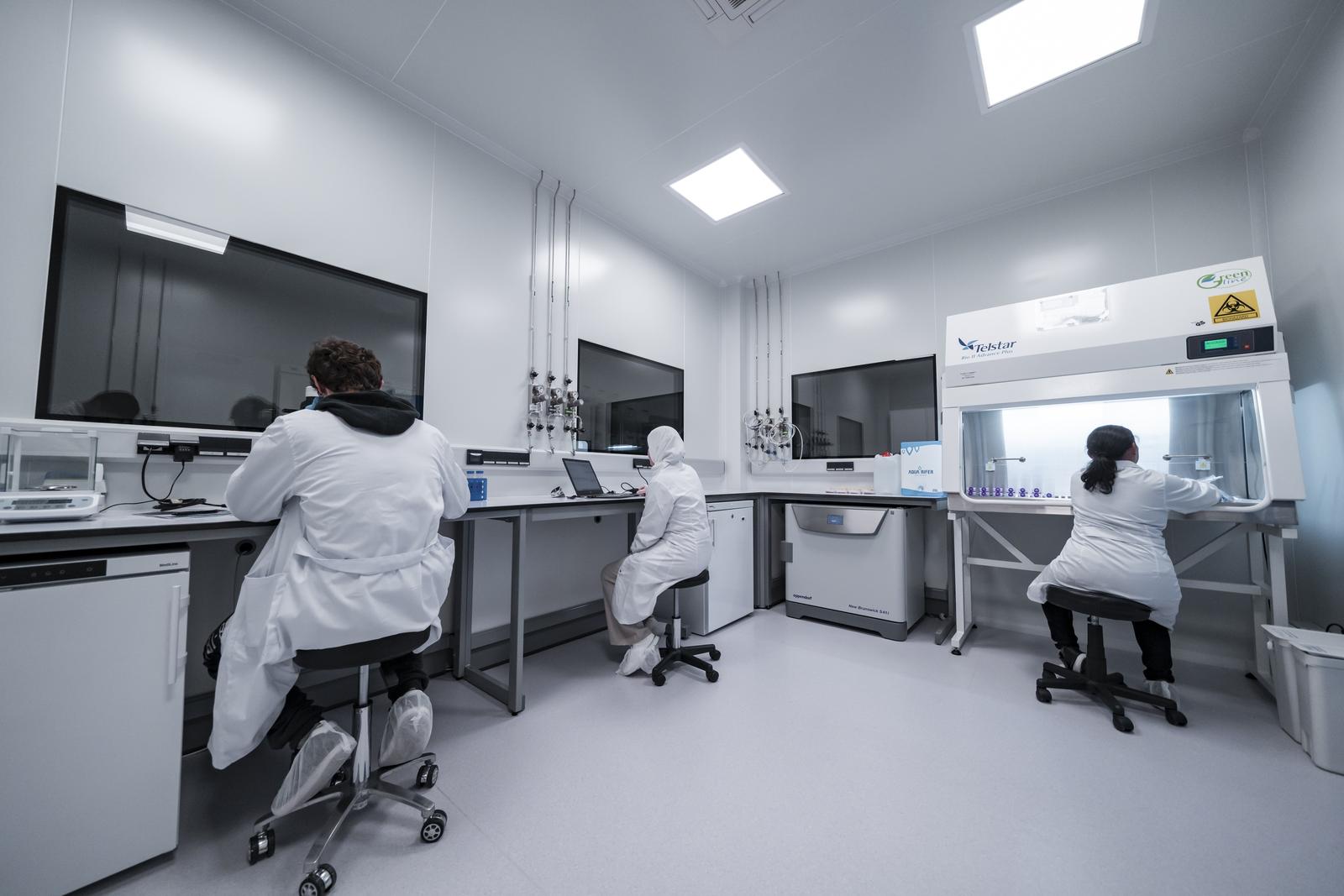
In a responsible context, black biotechnology is about defense, preparedness and risk reduction.
Why black biotechnology matters today
The field matters because biological risk now sits inside a much broader technological landscape. High-containment laboratories, genomic surveillance, rapid diagnostics and outbreak monitoring all shape how societies prepare for severe biological threats.
It also matters because the line between public-health resilience and security preparedness is increasingly connected. Faster detection, stronger diagnostics and better coordination help in both natural outbreaks and deliberate-threat scenarios.
Faster awareness can reduce the impact of dangerous biological events.
Institutions need response capacity before a crisis begins, not after it expands.
Biological threats do not respect borders, so surveillance and response cannot stay purely local.
Seven key security fields in black biotechnology
A useful way to understand black biotechnology is through its main defensive functions. The exact categories can vary, but the field usually connects these seven areas.
| Field | Main purpose | Why it matters |
|---|---|---|
| High-containment research | Study dangerous agents under strict conditions | Improves understanding while reducing release risk |
| Genomic surveillance | Track pathogens and variants | Supports earlier detection and stronger epidemiological response |
| Rapid diagnostics | Identify threats faster | Shortens the gap between suspicion and action |
| Countermeasure development | Support vaccines, therapeutics and response tools | Strengthens resilience before and during crises |
| Outbreak modelling | Estimate spread and intervention impact | Improves preparedness and decision-making |
| Biosecurity systems | Prevent misuse, theft or unsafe handling | Protects both facilities and society |
| Policy and governance | Set legal and ethical limits | Helps defensive science remain accountable and legitimate |
Biosecurity vs biodefense
These concepts are closely related but not identical. Biosecurity focuses on preventing loss, misuse, unsafe handling or accidental exposure related to dangerous biological materials. Biodefense focuses more on preparedness and countermeasures against deliberate biological threats.
Biosecurity protects the system from misuse, while biodefense prepares the system to respond if a serious threat emerges.
Main risks and governance needs
Black biotechnology always raises governance questions because the same scientific capabilities that support protection can also create dual-use concern. That is why transparency, oversight, biosafety standards and international coordination remain central to the field.
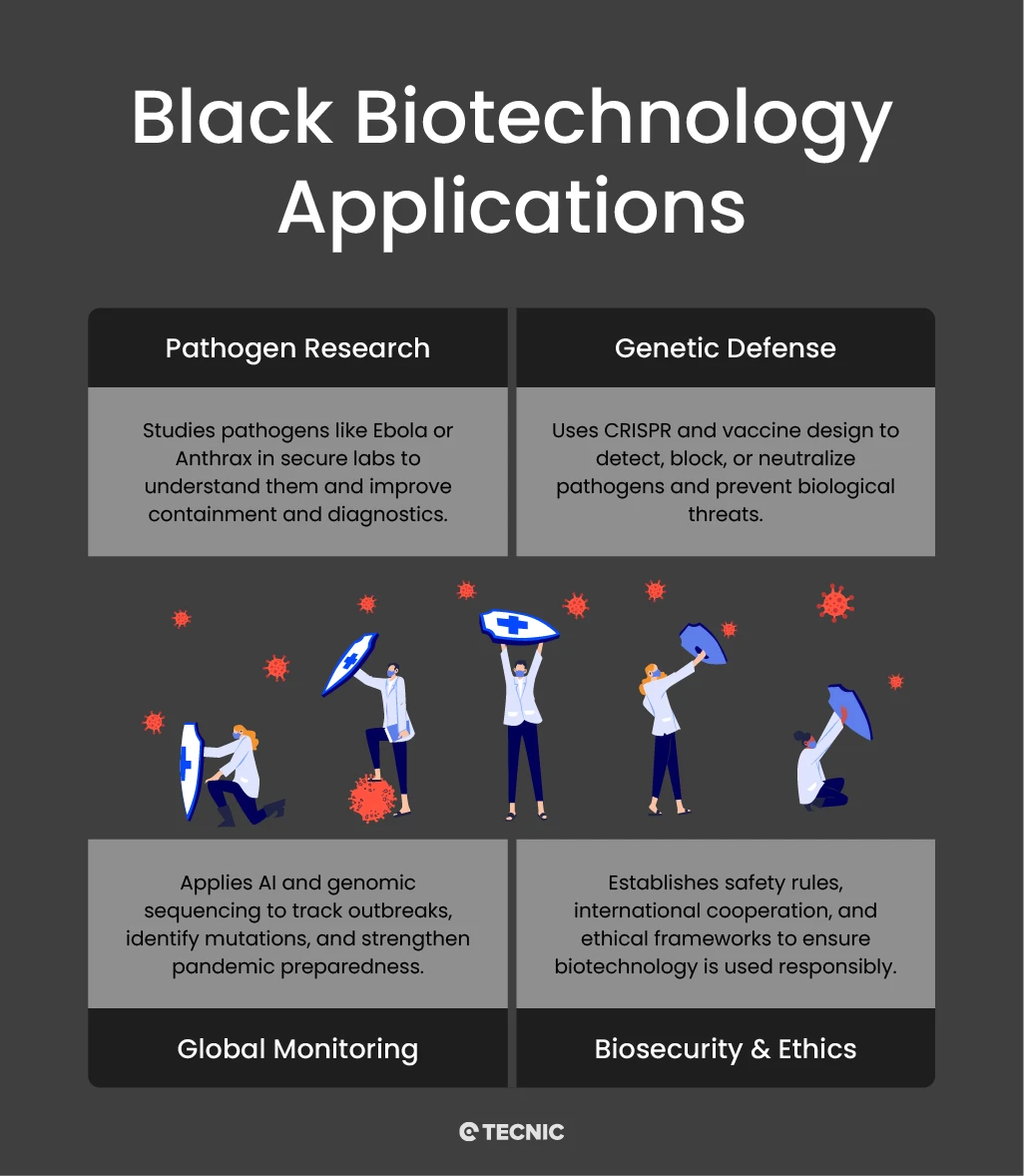
The field only remains legitimate when defensive value is matched by strong ethics, strong oversight and strict safety culture.
How TECNIC fits this context
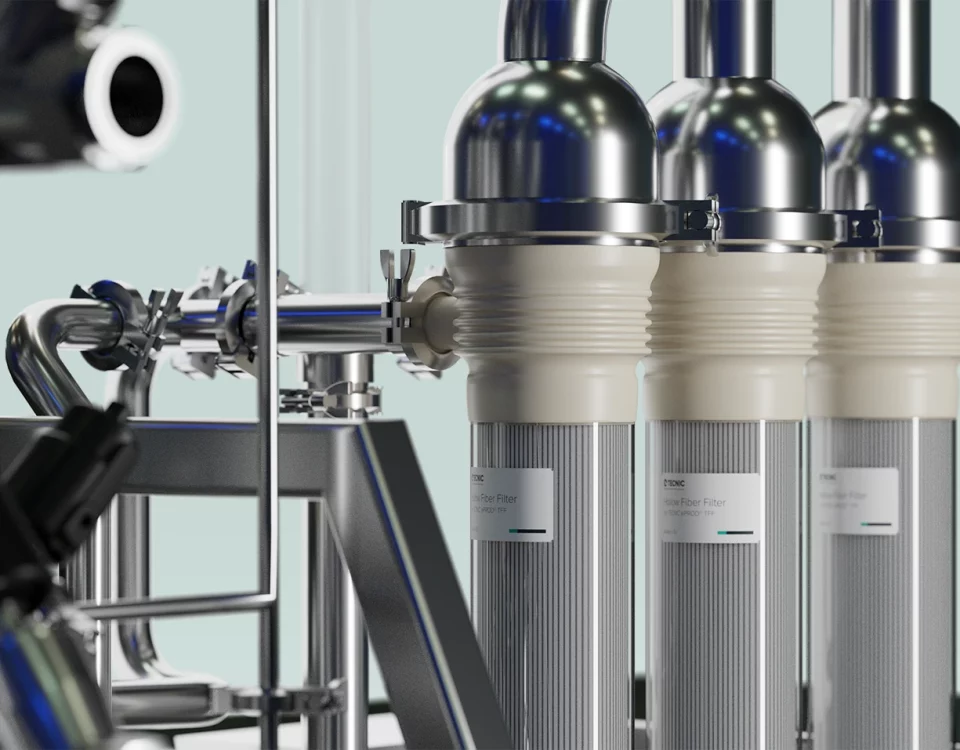
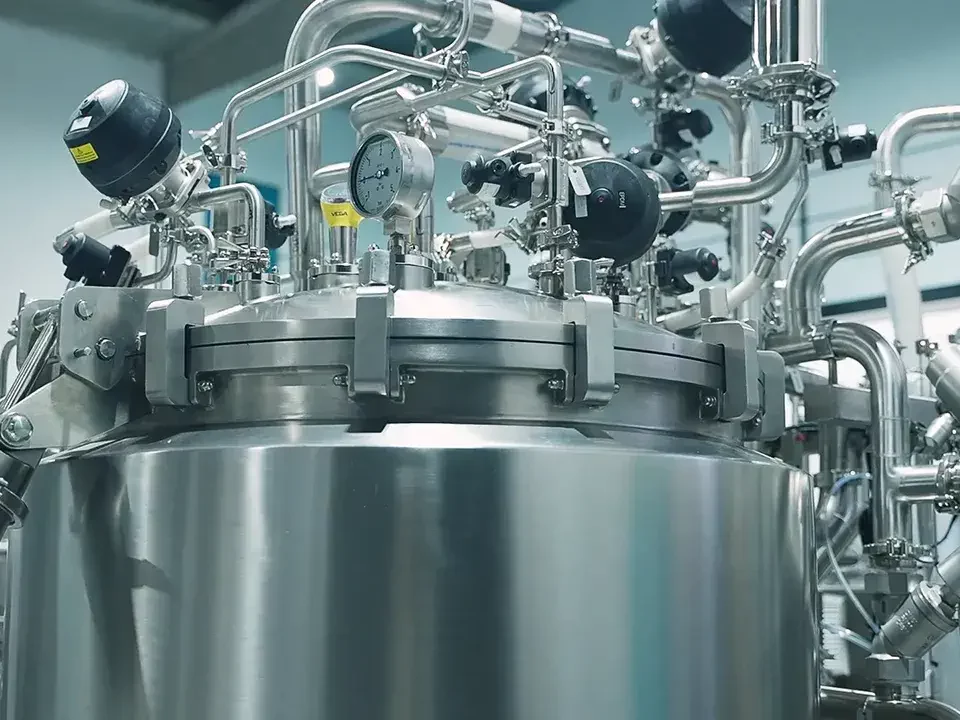
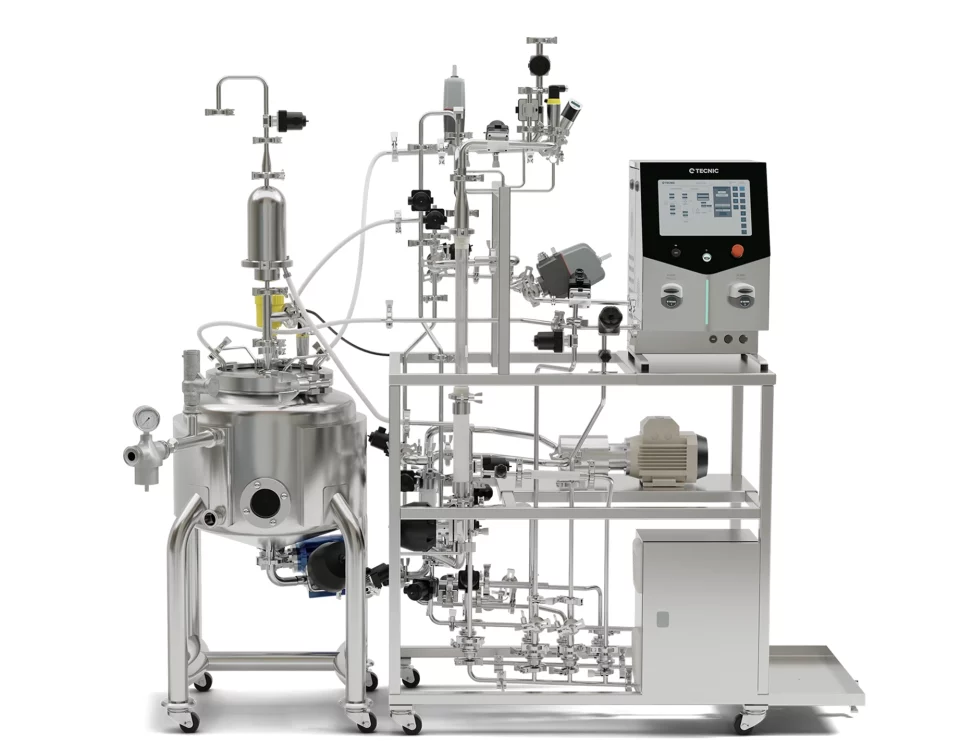
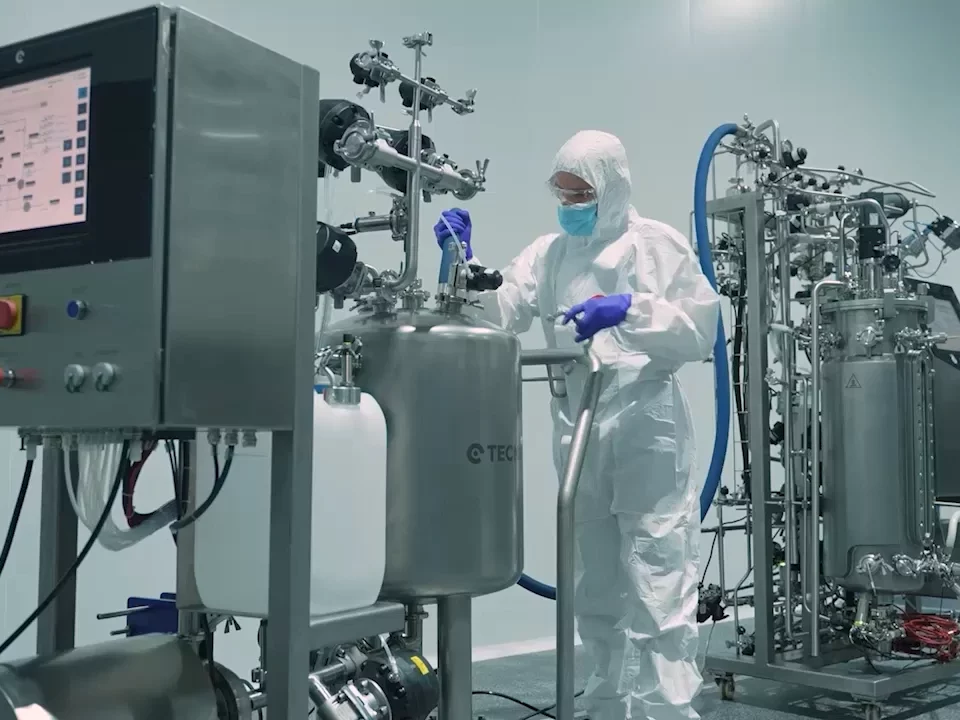
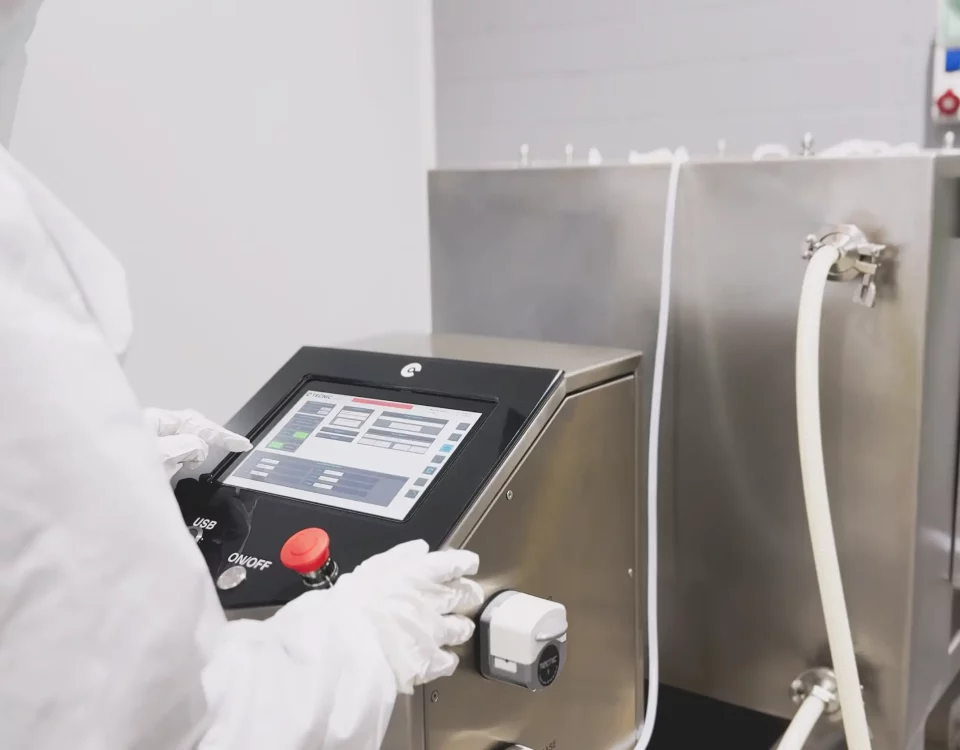
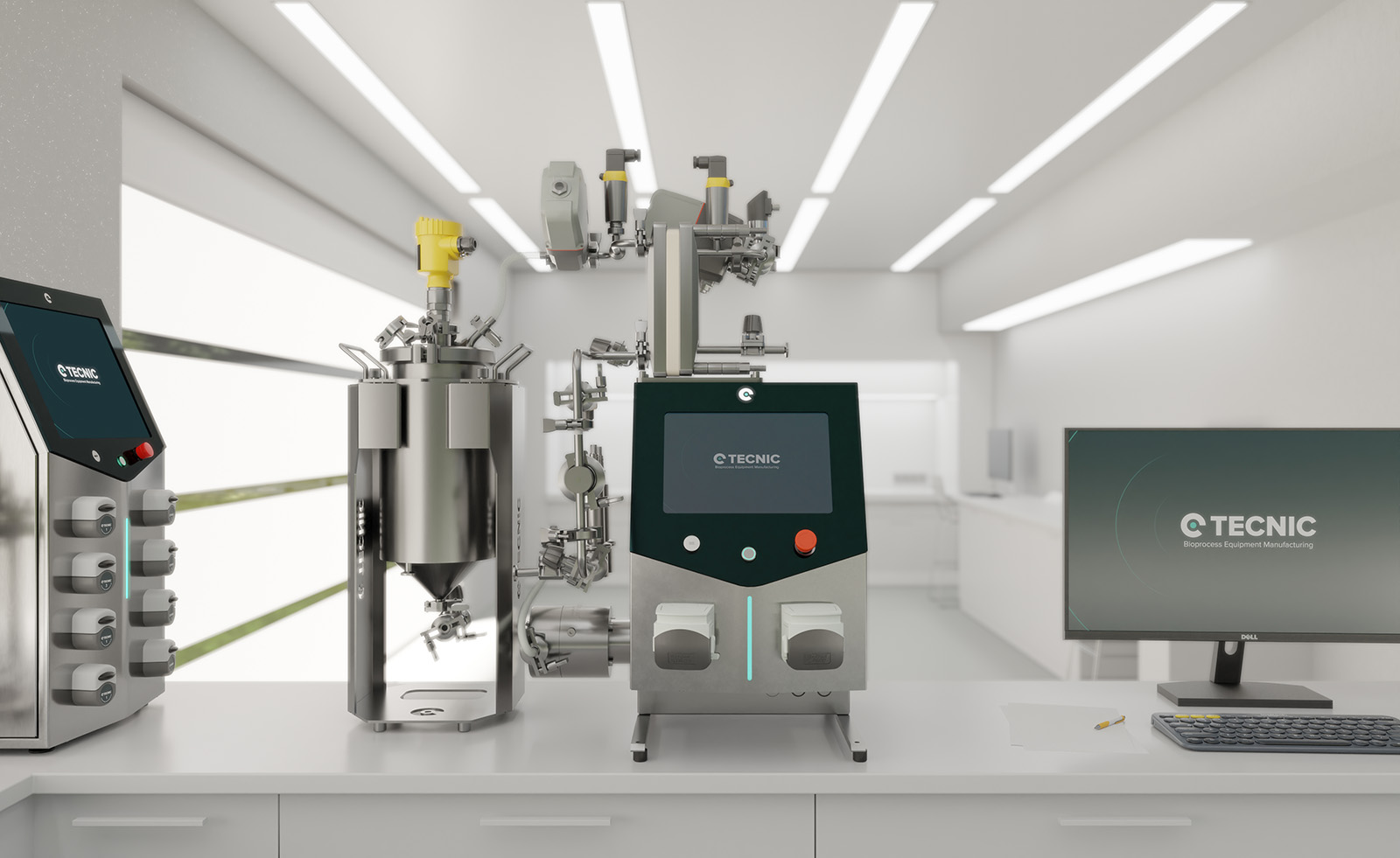
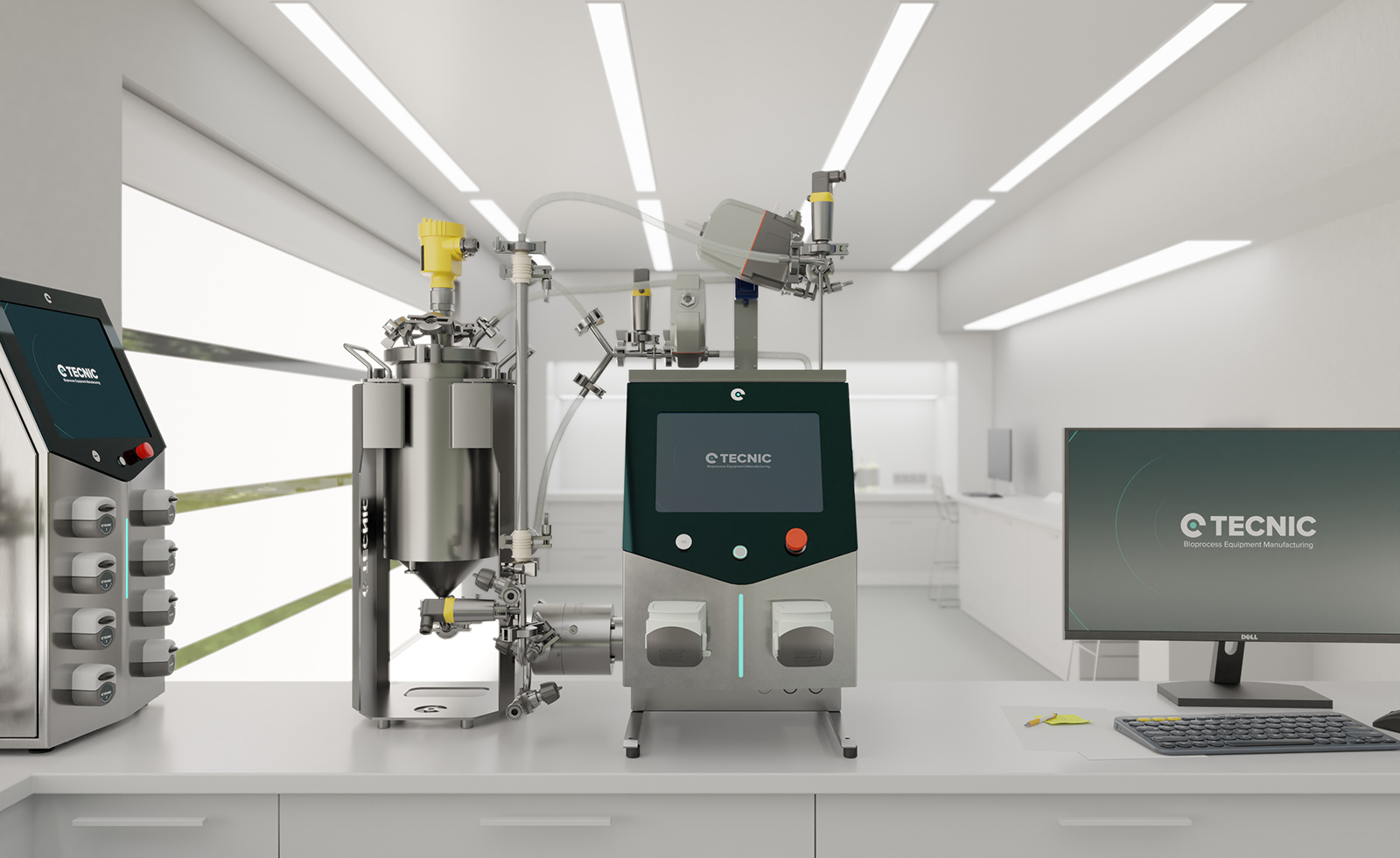
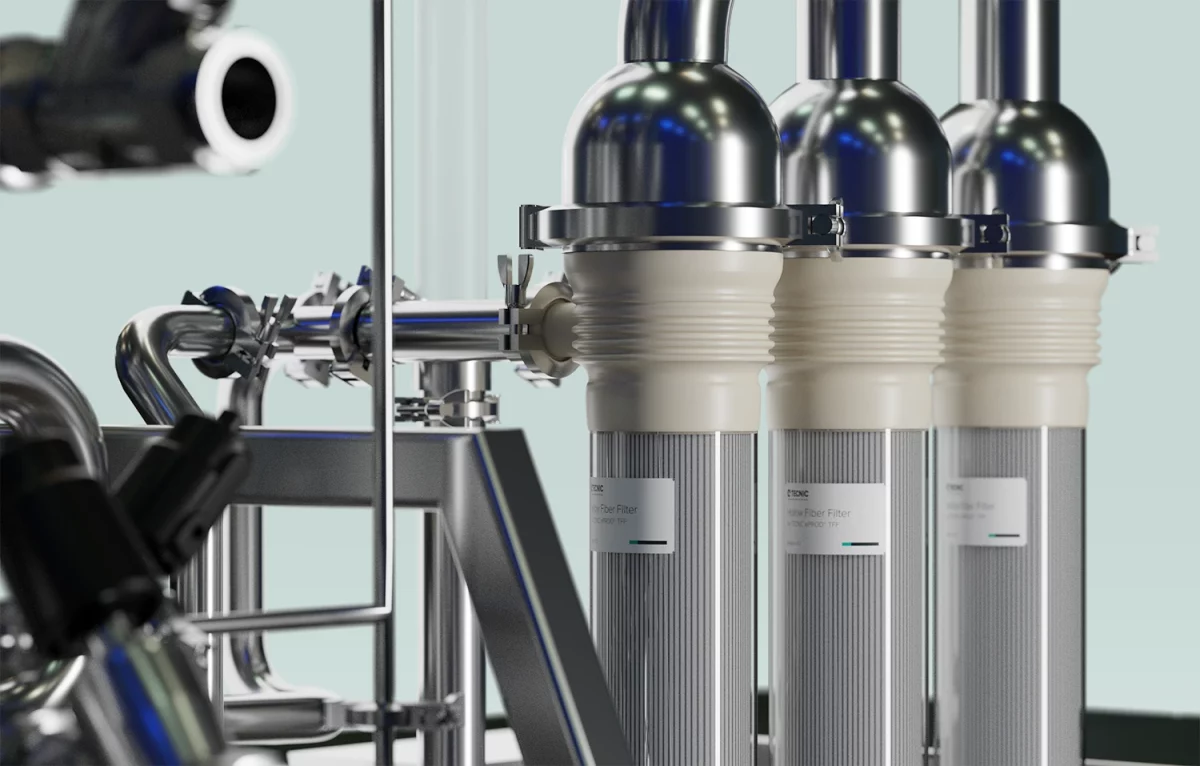
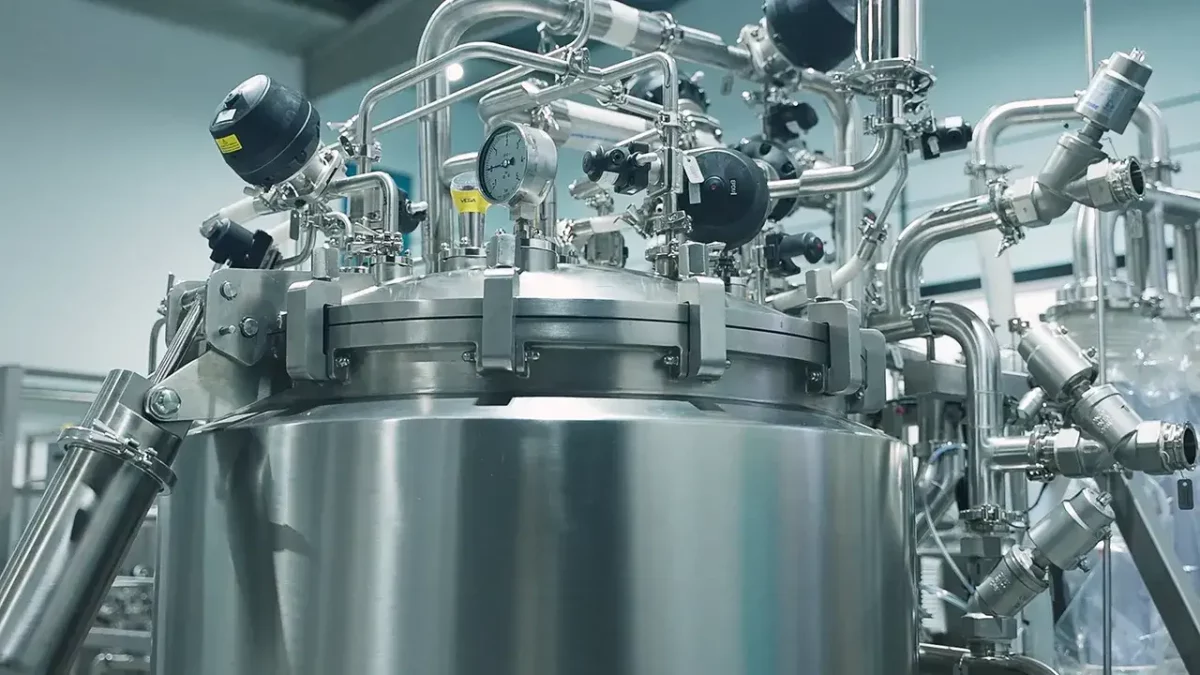
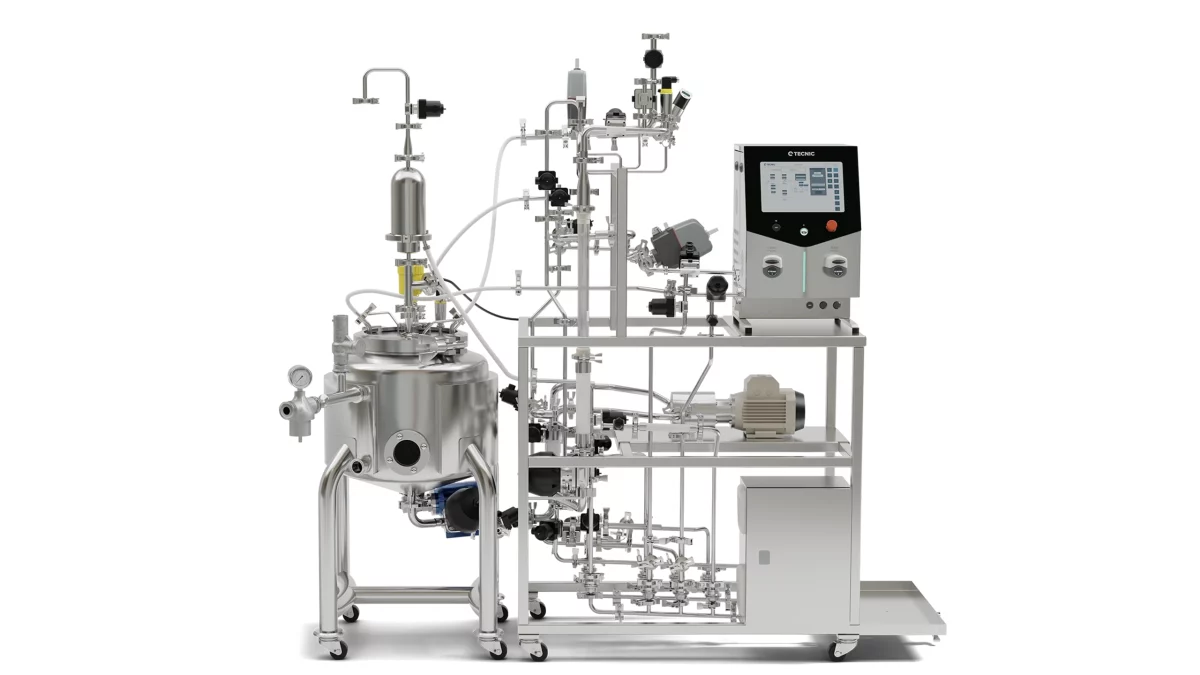
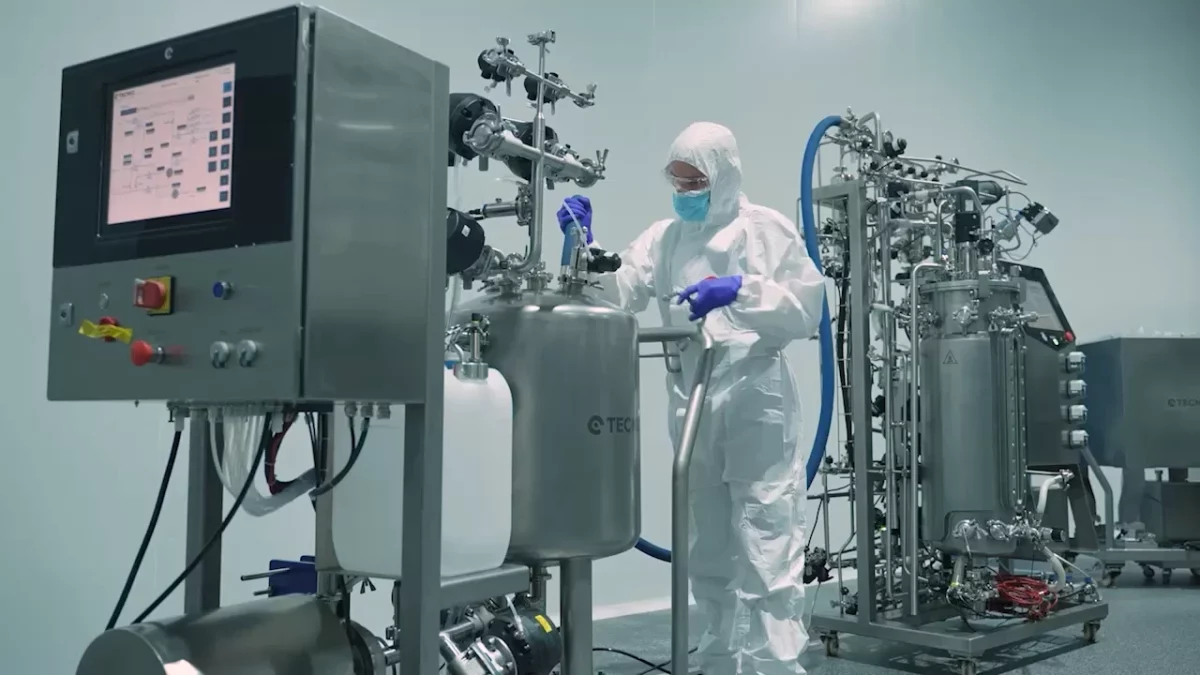
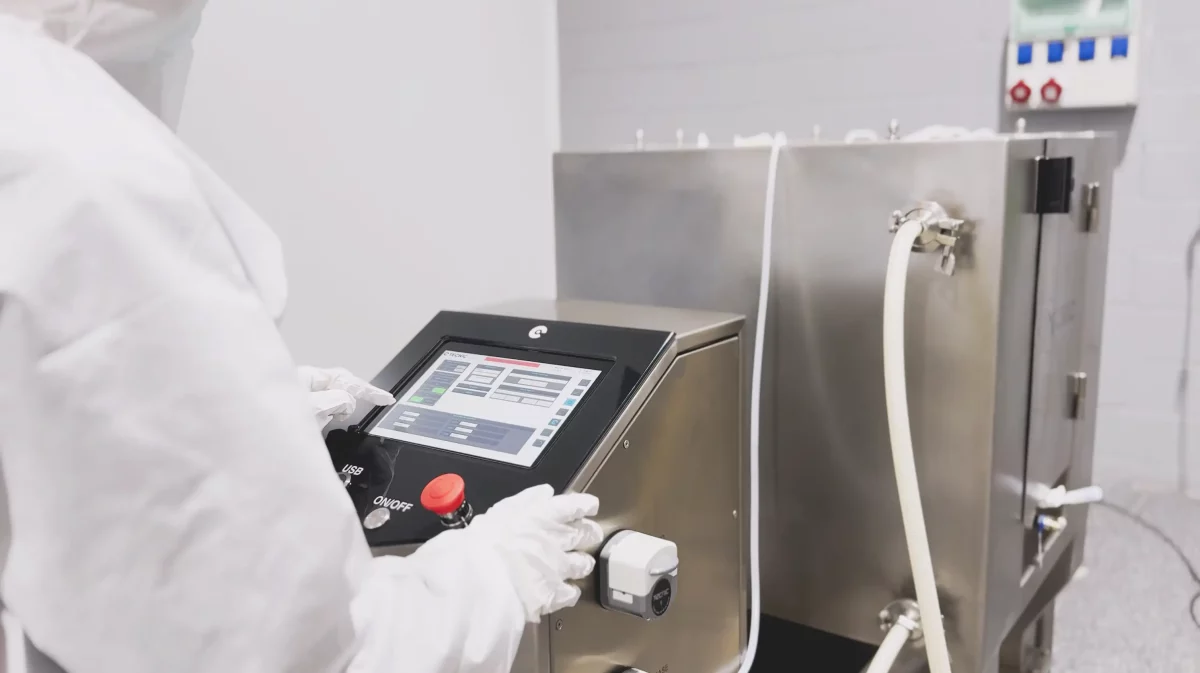
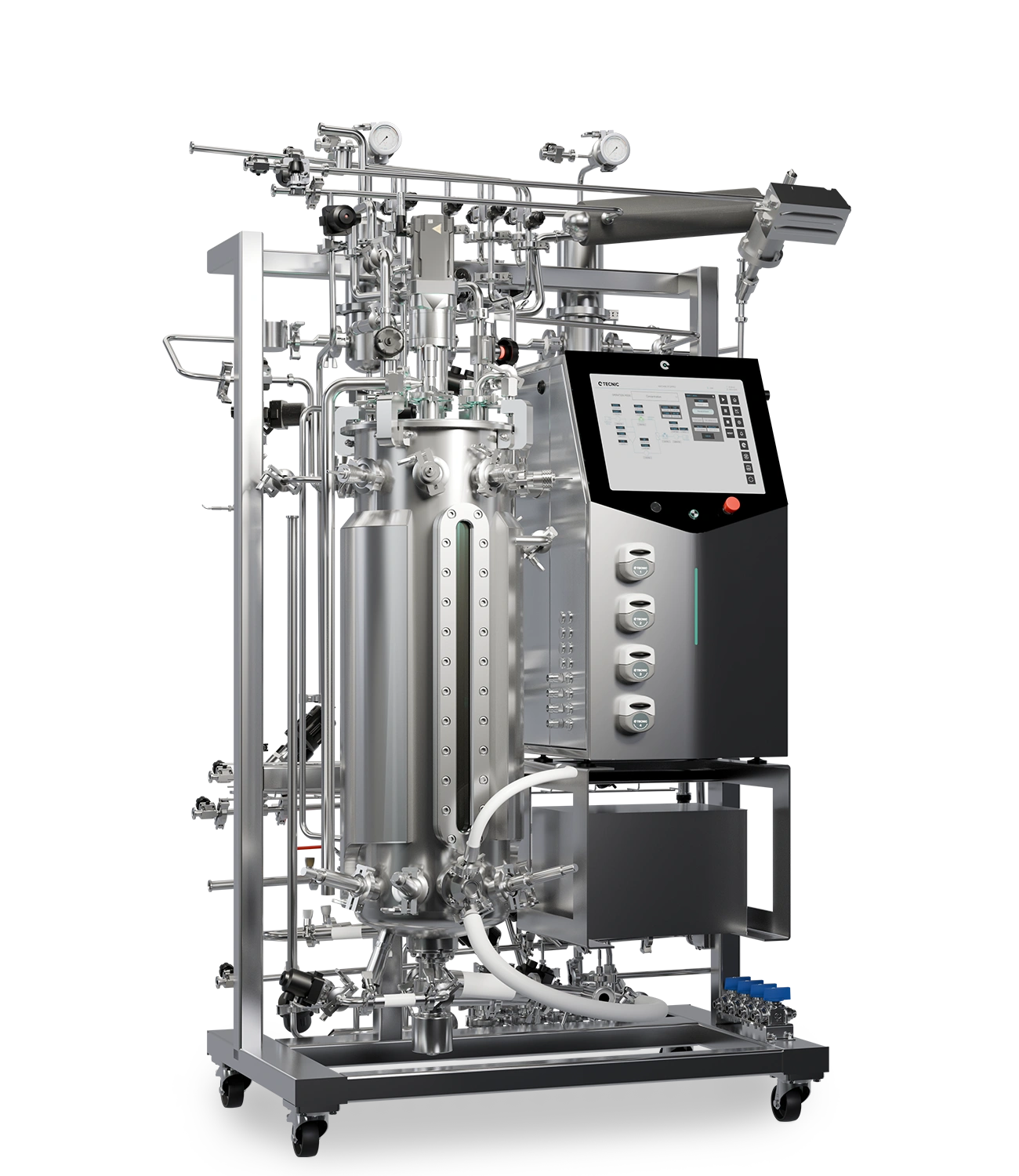
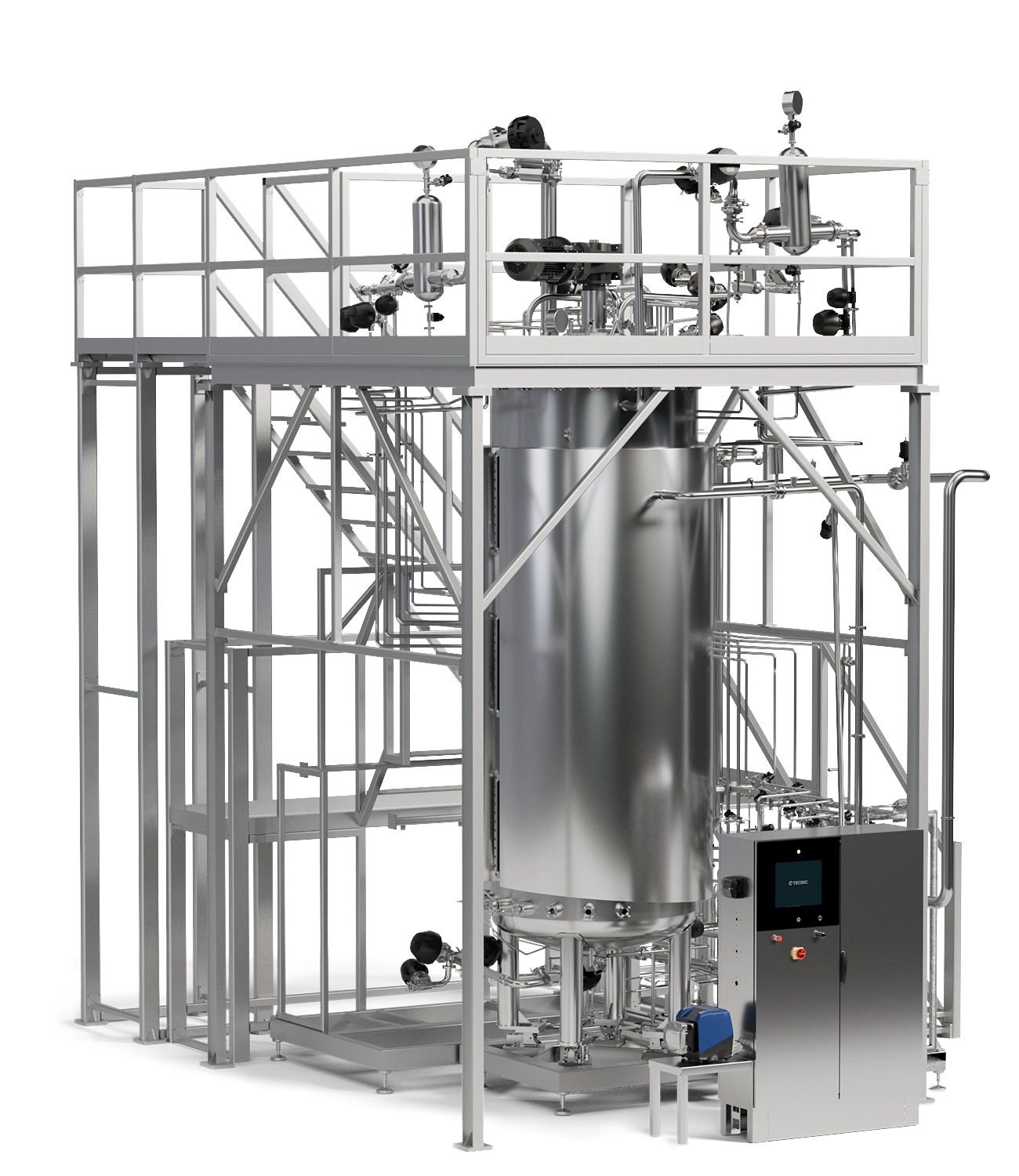
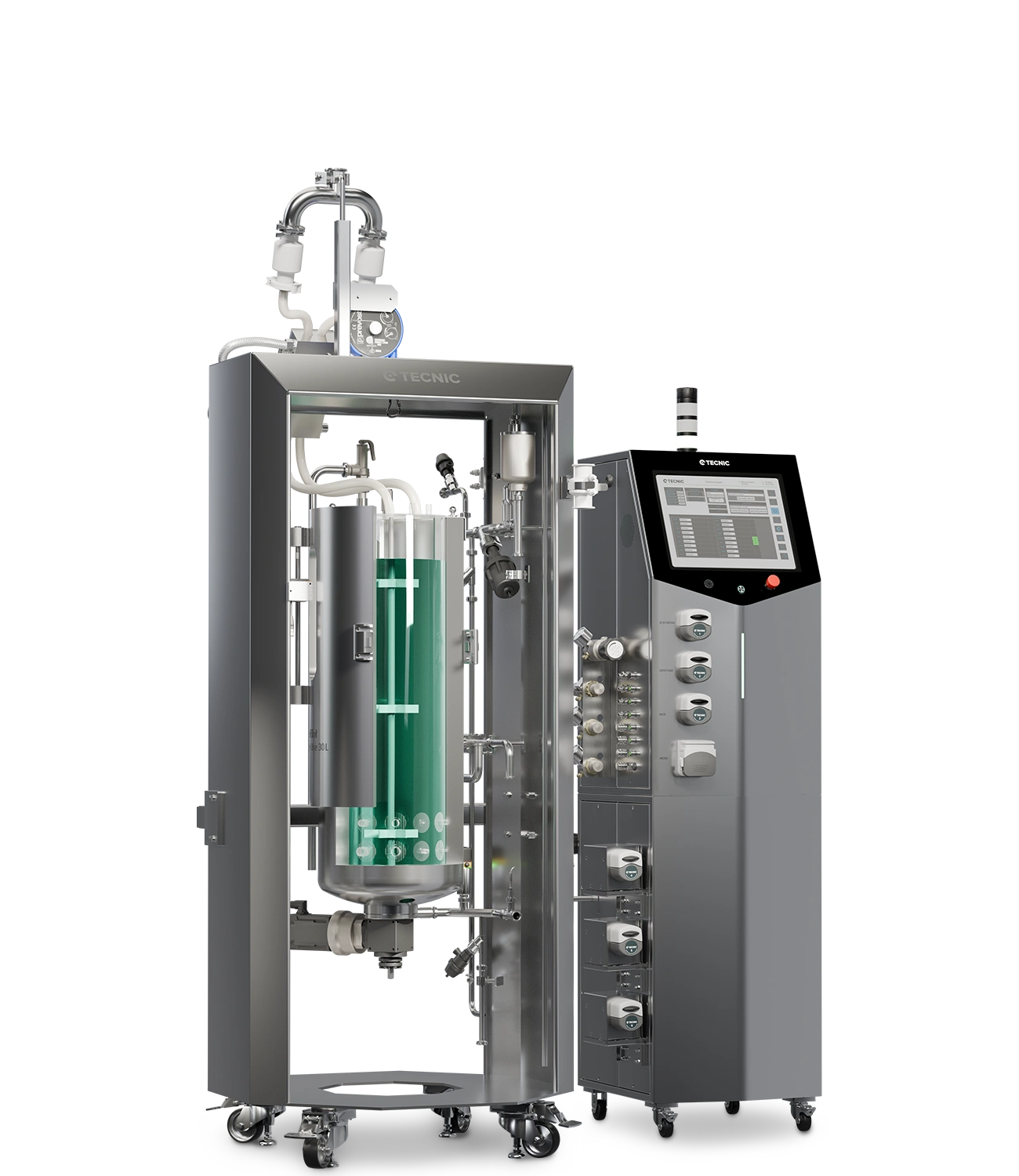
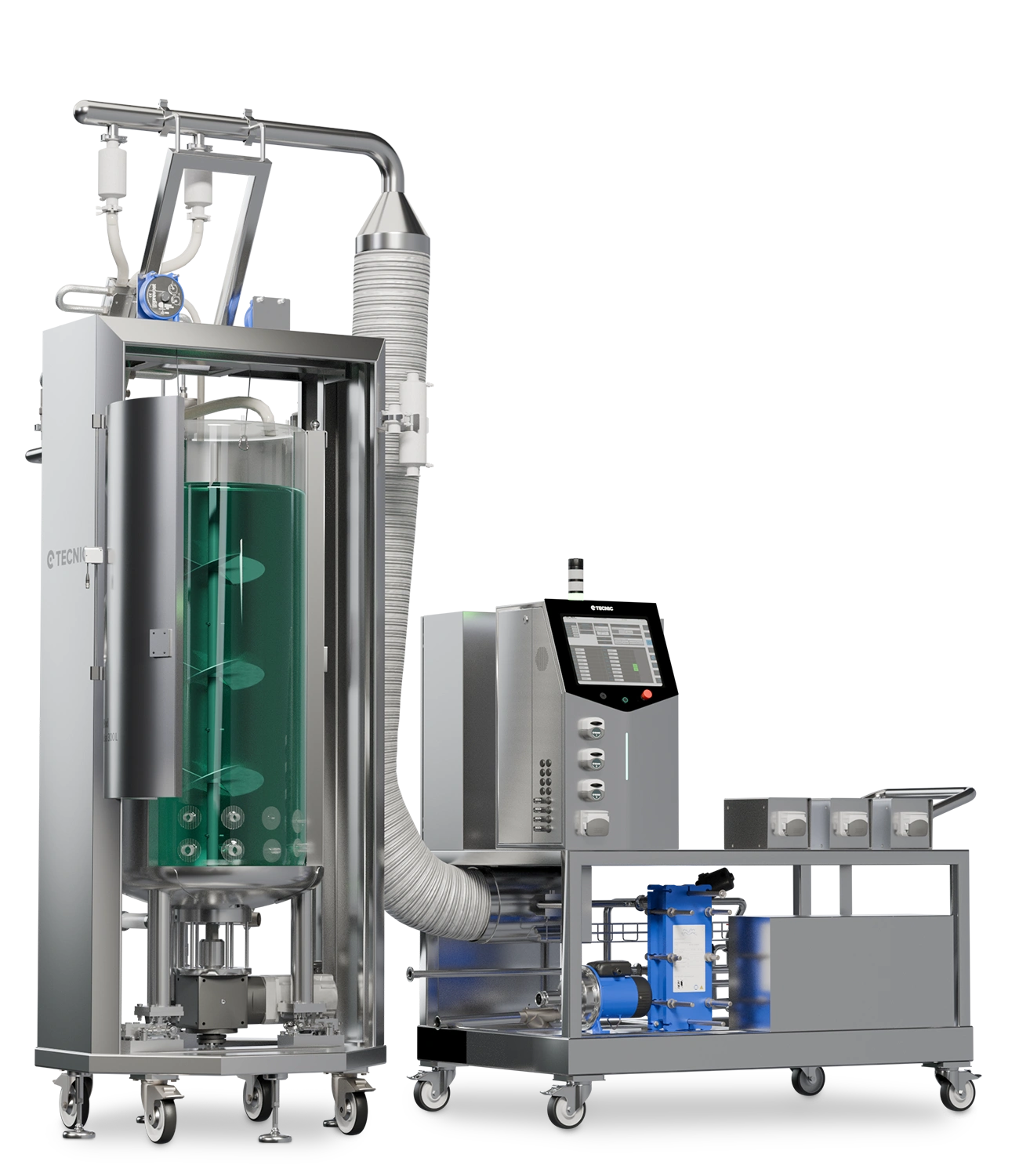
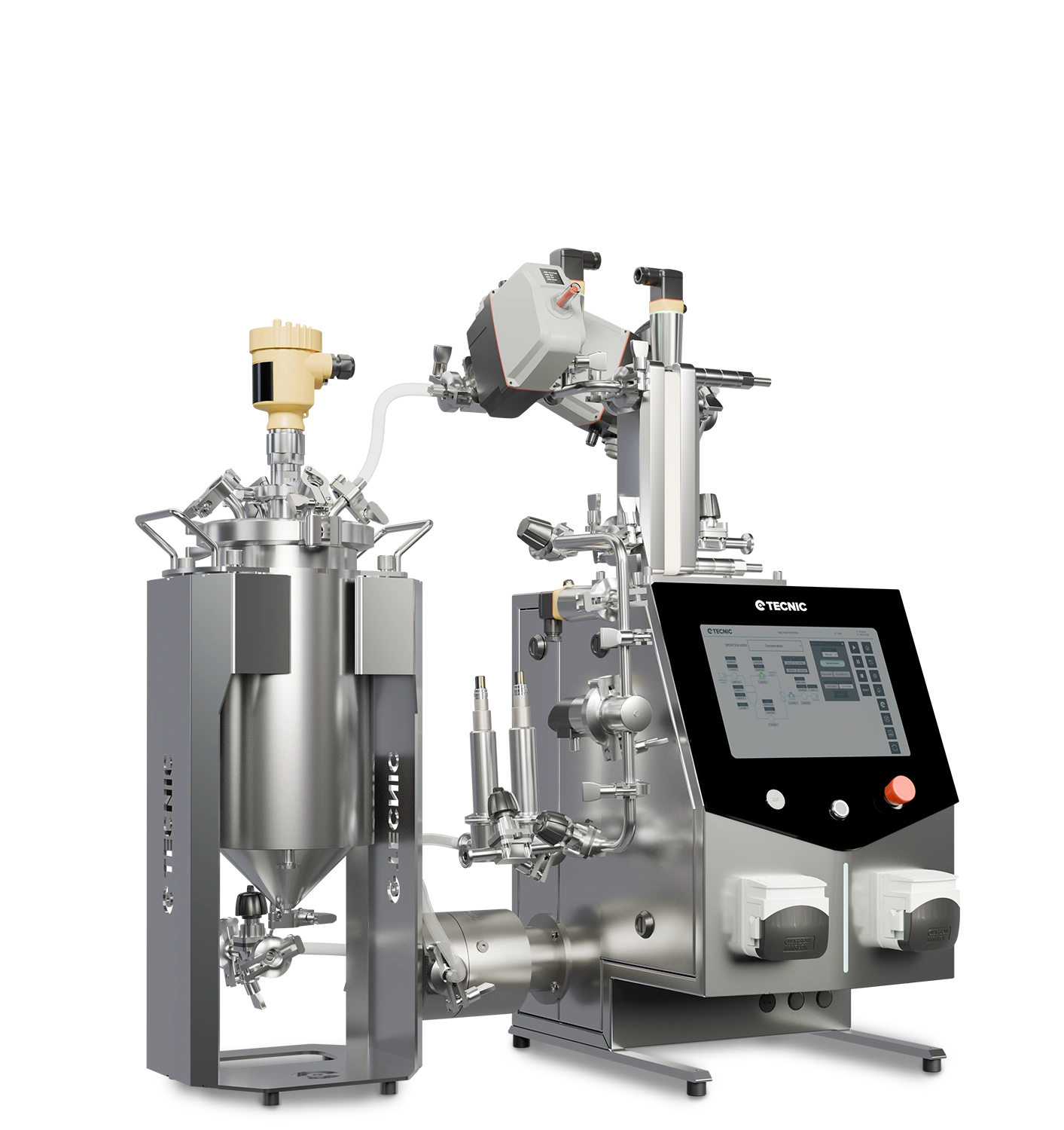
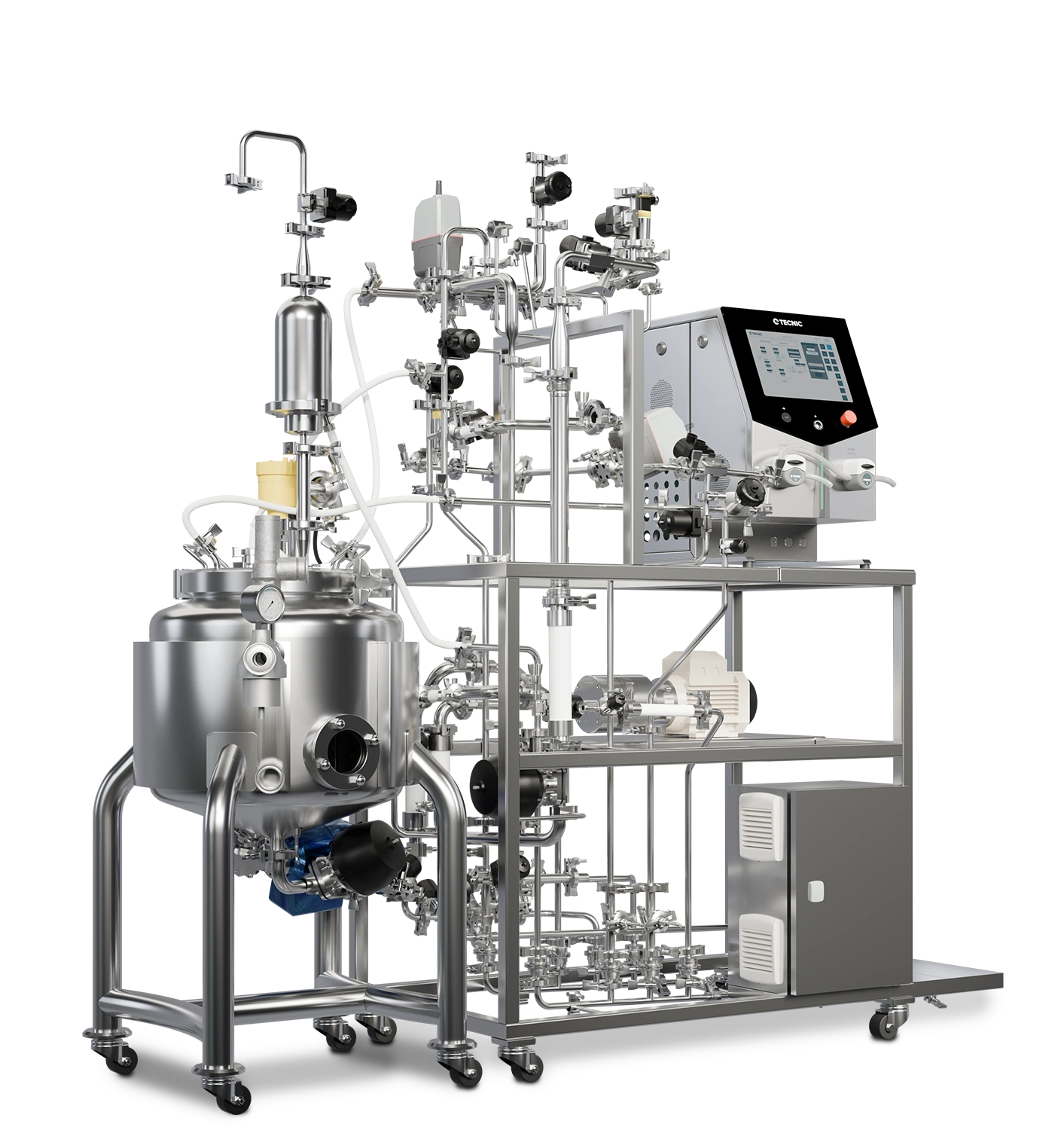
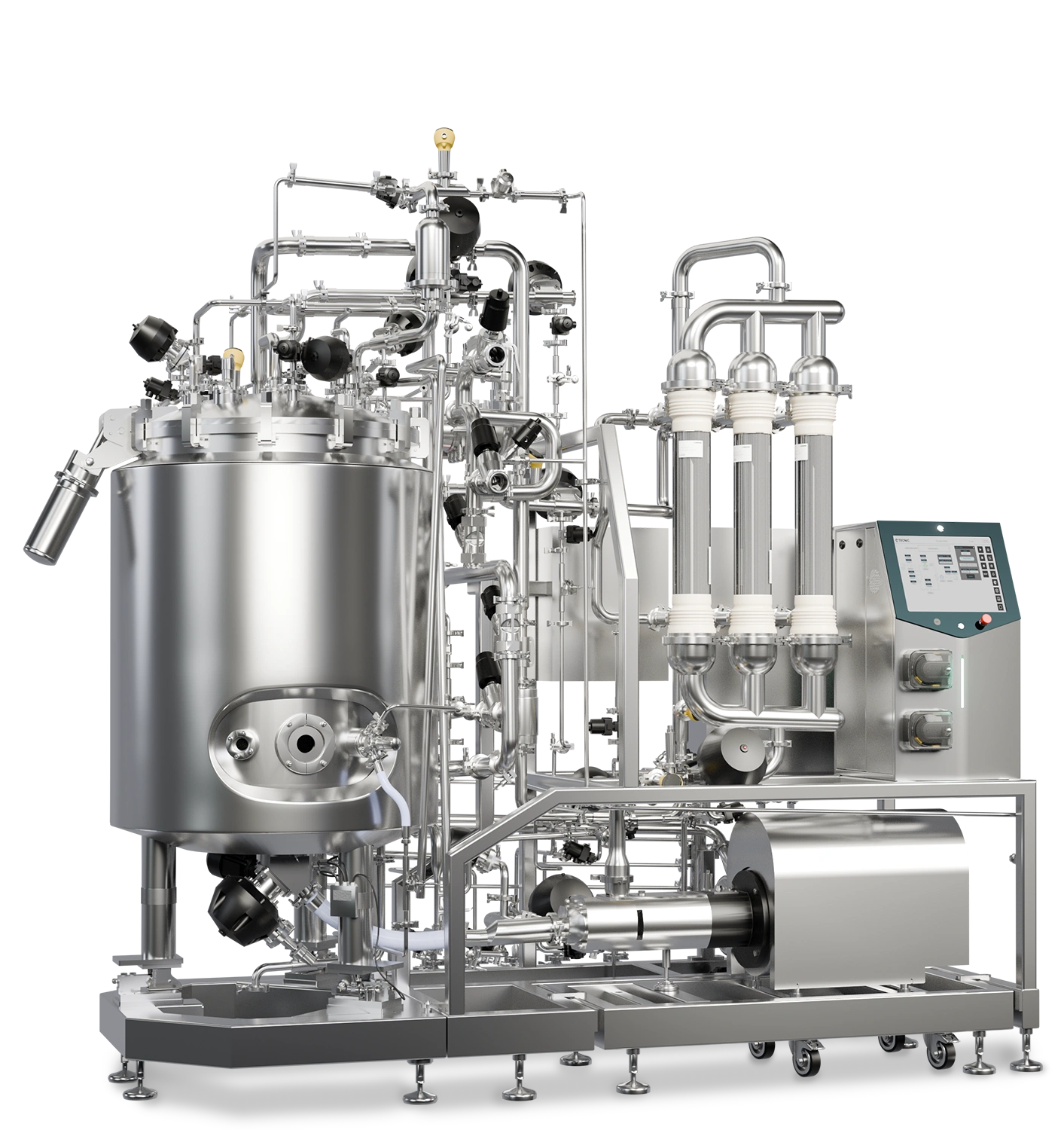
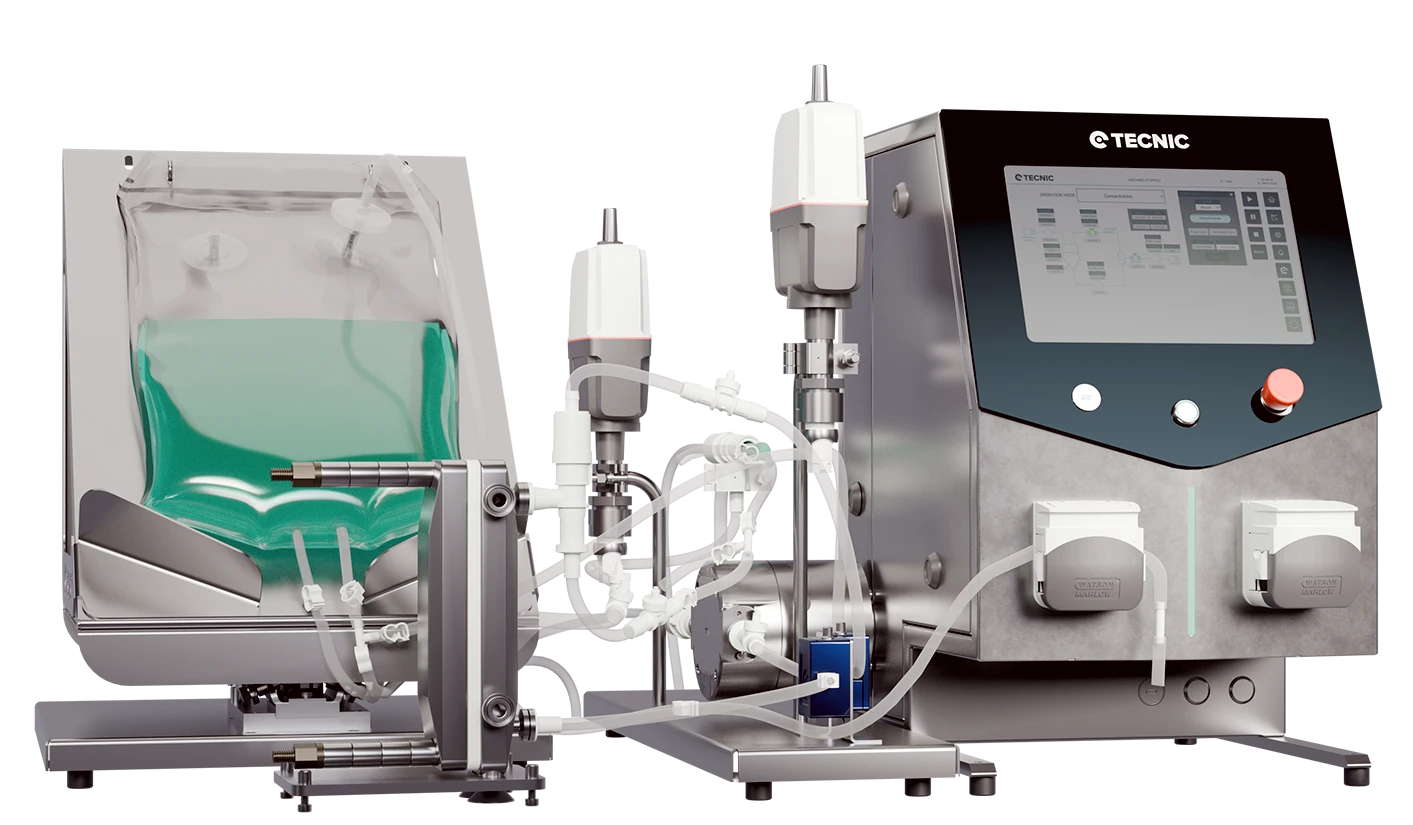
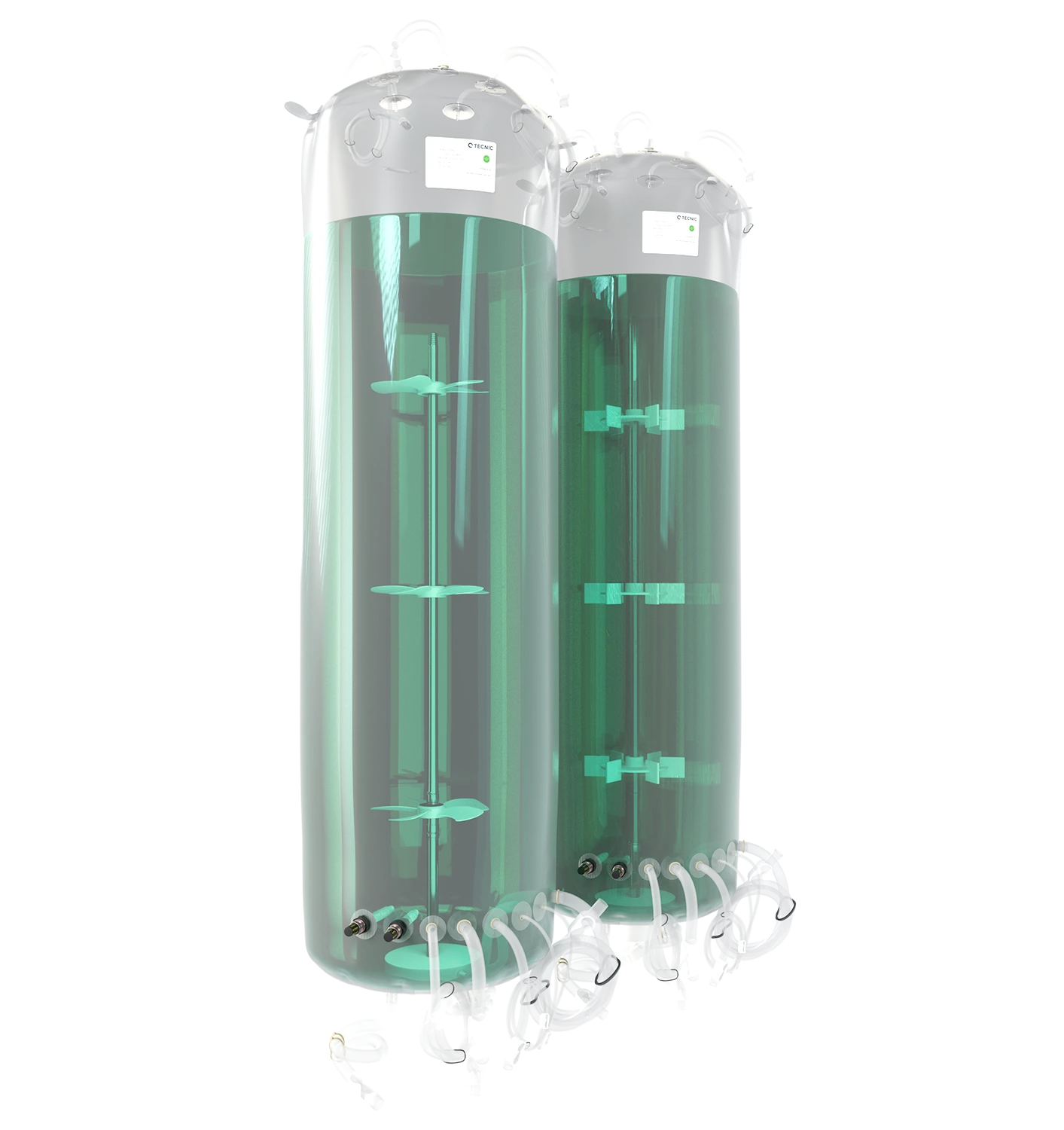
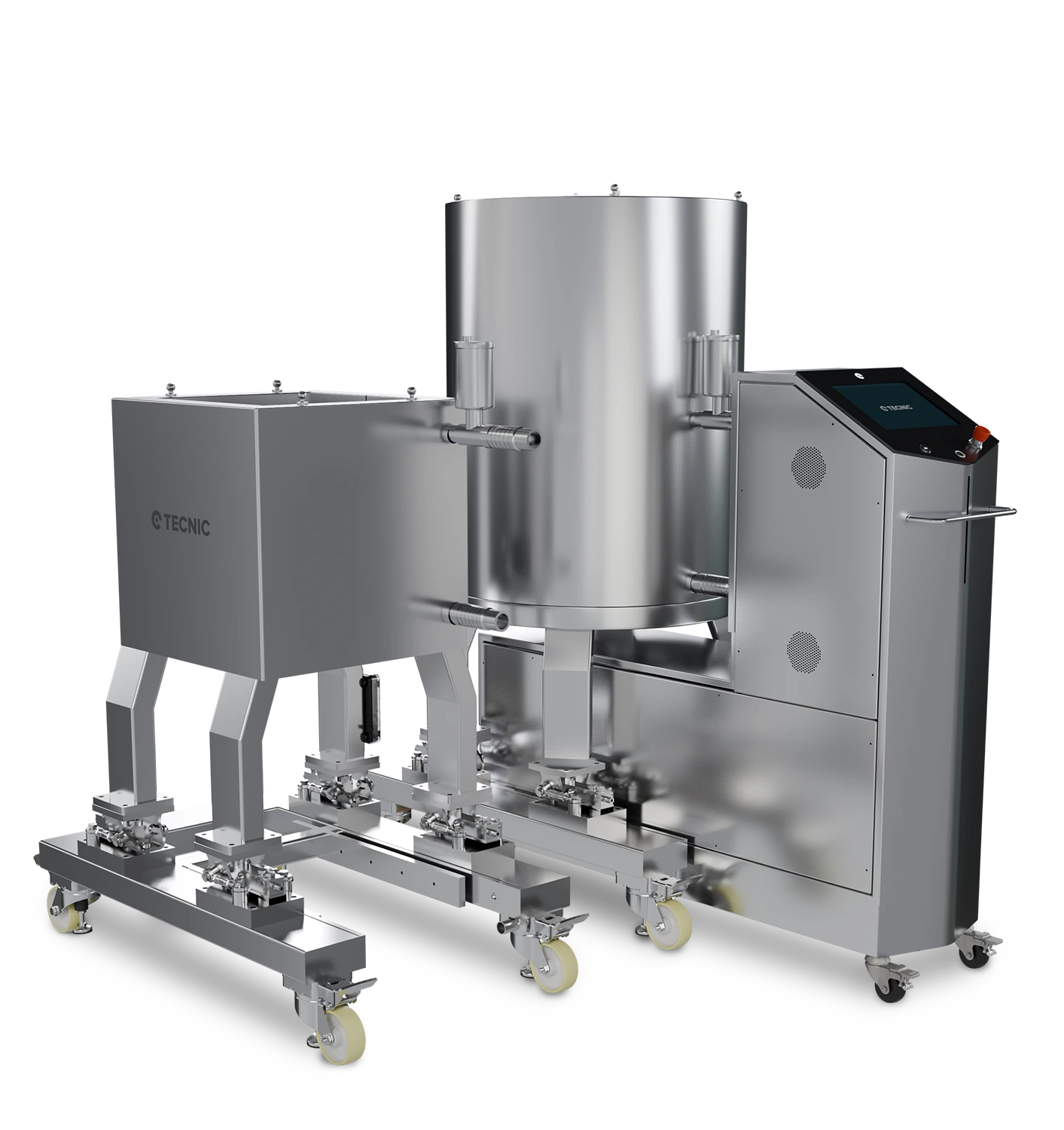
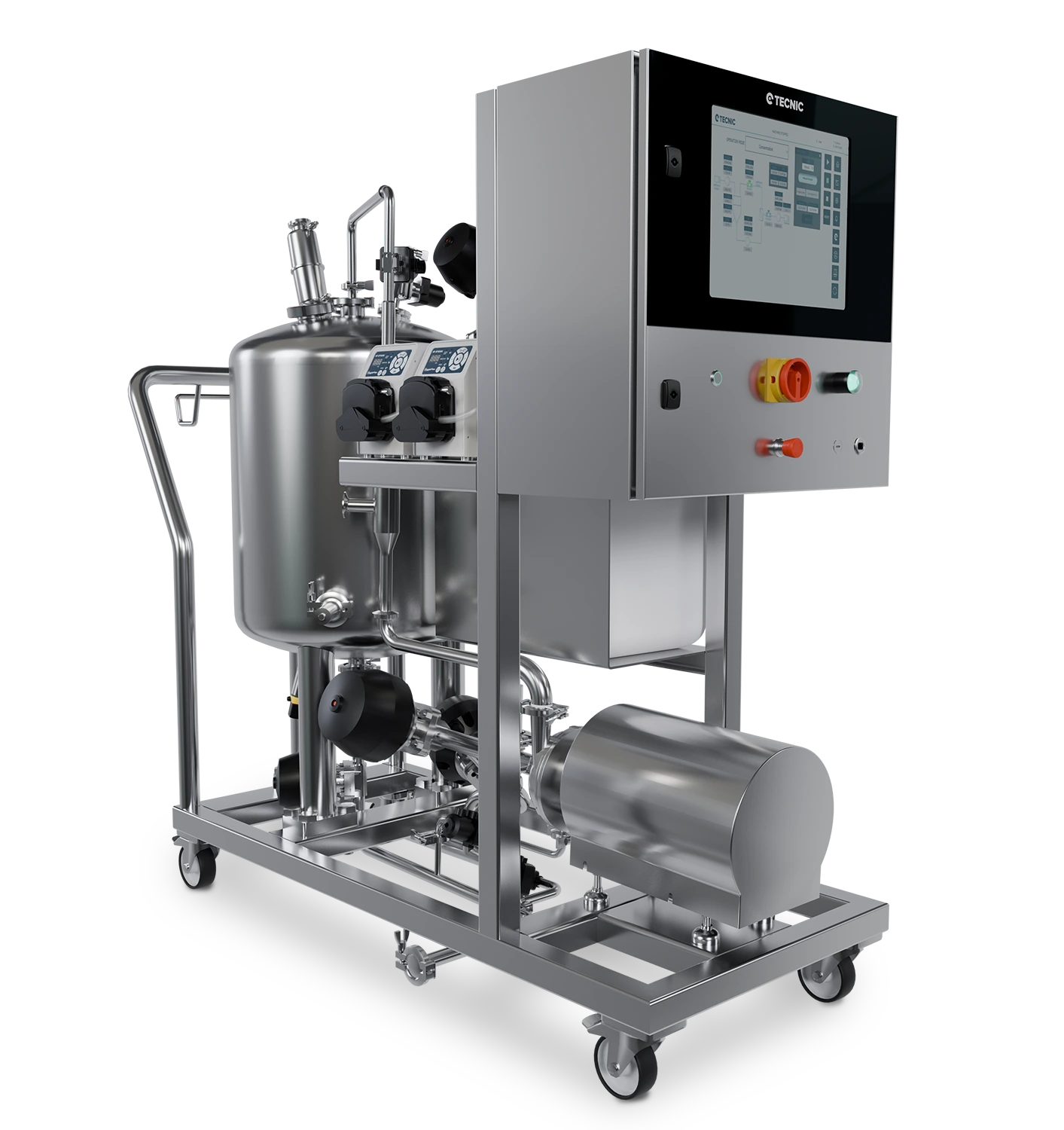
TECNIC fits this topic from the angle of controlled bioprocessing, reproducibility and traceable environments. In any high-accountability biotechnology setting, the need for process control, reliable equipment behavior and consistent operational logic becomes even more important.
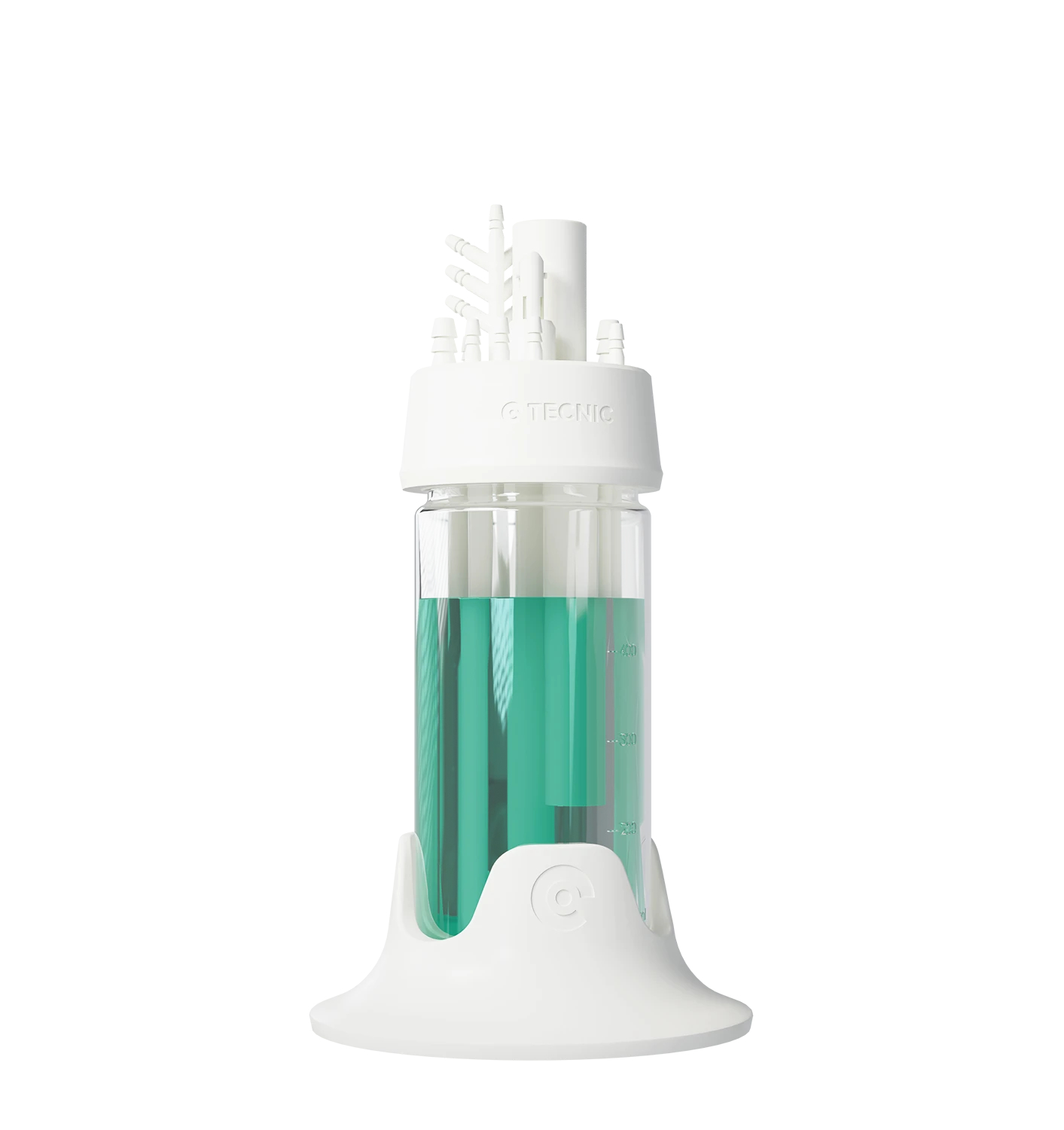
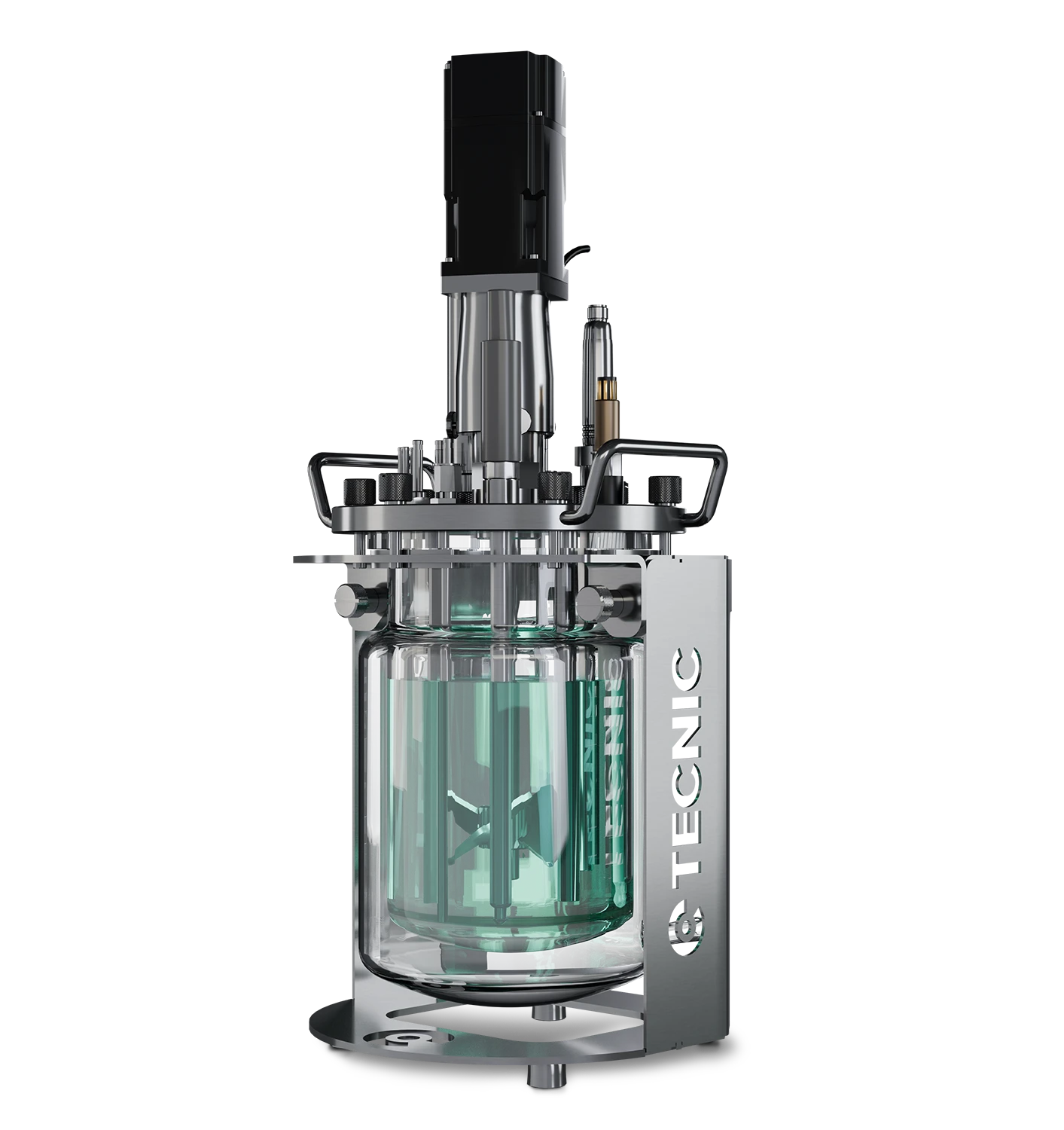
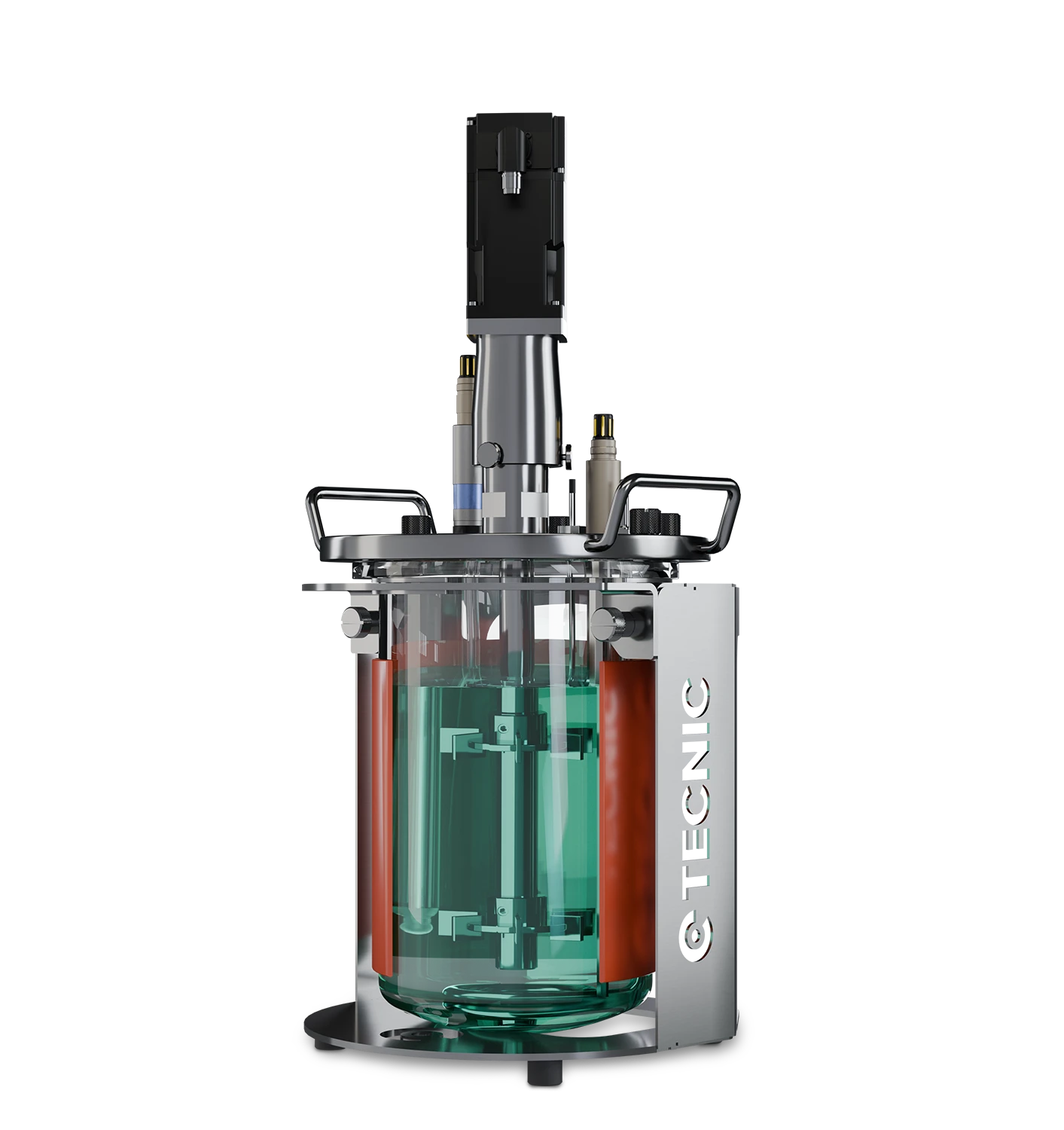
Bioreactors
Relevant when biological workflows require stable, controlled and reproducible environments.
Software and control
Traceability, user control and process consistency become more important in sensitive and highly regulated contexts.
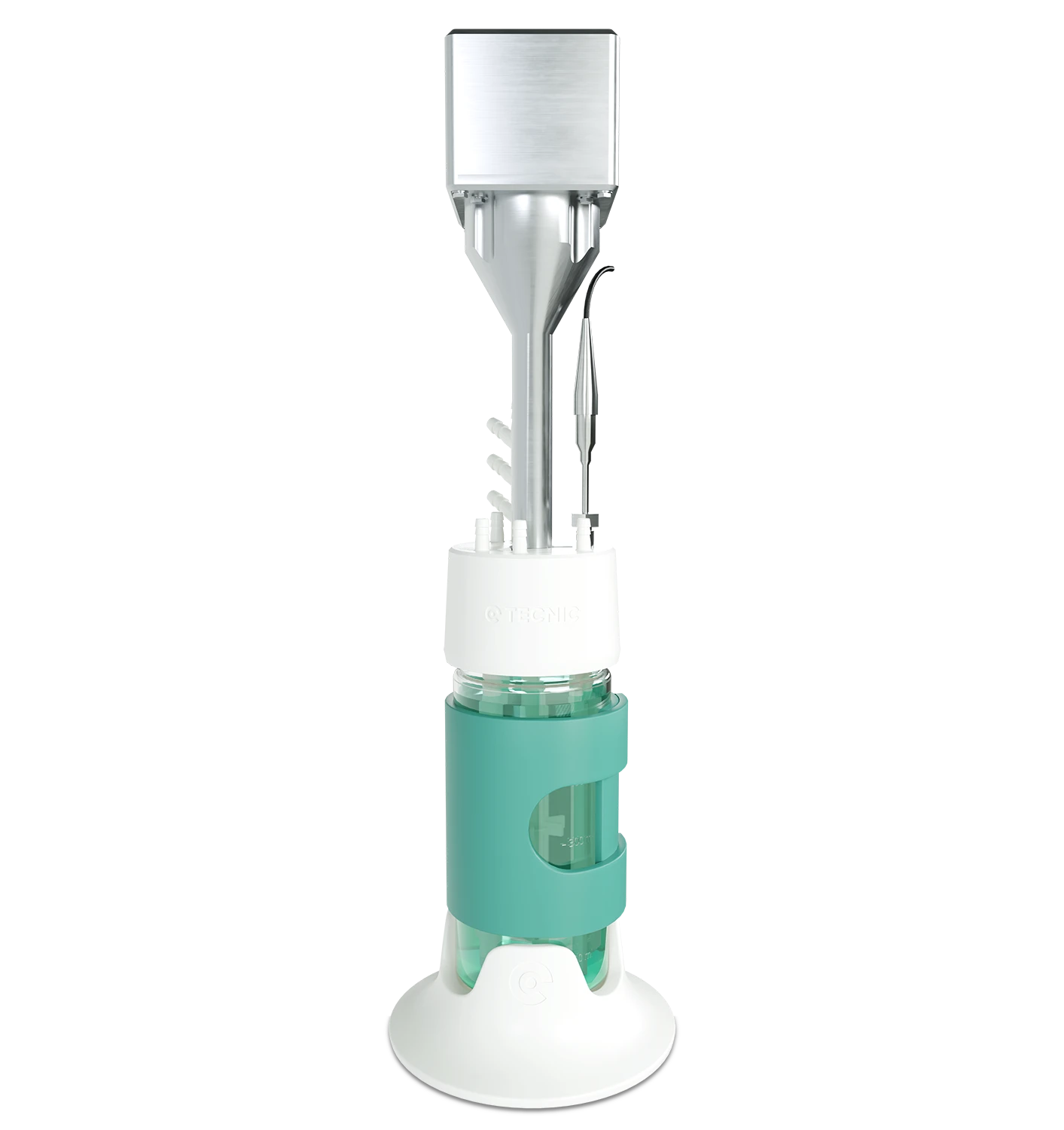
Laboratory equipment
Useful where controlled development environments are essential for reproducibility and oversight.
Contact TECNIC
When sensitive biotechnology workflows demand tighter process control, direct technical discussion is more useful than broad theory alone.
This article works best when black biotechnology is framed around defense, surveillance, biosecurity and responsible governance, not around operational threat details.
Frequently asked questions
What is black biotechnology?
It is the branch of biotechnology concerned with dangerous biological threats, biodefense and biosecurity.
Why is black biotechnology important?
Because it supports preparedness, surveillance, diagnostics and safer response to serious biological threats.
Is black biotechnology only about bioterrorism?
No. In legitimate contexts it is mainly about prevention, defense, monitoring and public-health security.
What is the difference between biosecurity and biodefense?
Biosecurity focuses on preventing misuse or unsafe handling, while biodefense focuses on preparedness and countermeasures against deliberate threats.
What is the biggest challenge in black biotechnology?
One major challenge is balancing defensive scientific progress with strong oversight, safety and public trust.
Exploring how sensitive biotechnology workflows depend on control and traceability?
Explore TECNIC’s bioprocess solutions or speak with our team to review the right setup for controlled and accountable biotechnology environments.