



Alternative proteins and fermentation processes are becoming increasingly important because they offer new ways to produce valuable ingredients without relying only on conventional animal-based supply chains. They combine biotechnology, process engineering and food innovation in one rapidly growing field.
Fermentation is not new, but its role is changing. It is now part of advanced strategies to produce proteins, ingredients and functional compounds with greater control, reproducibility and scalability. That is why the conversation is no longer only about food trends, but about process technology.
Alternative protein is not one single product category. It is a broader biotechnology field where fermentation plays a central role in creating new production routes.
What are alternative proteins?
Alternative proteins are proteins produced through routes other than traditional livestock-based systems. Depending on the context, that can include plant-based proteins, fermentation-derived proteins and cultivated-cell approaches.
What makes this field especially relevant for biotechnology is that some of the most promising routes depend on controlled biological production systems. That immediately turns the topic into a bioprocess question, not only a food-market one.
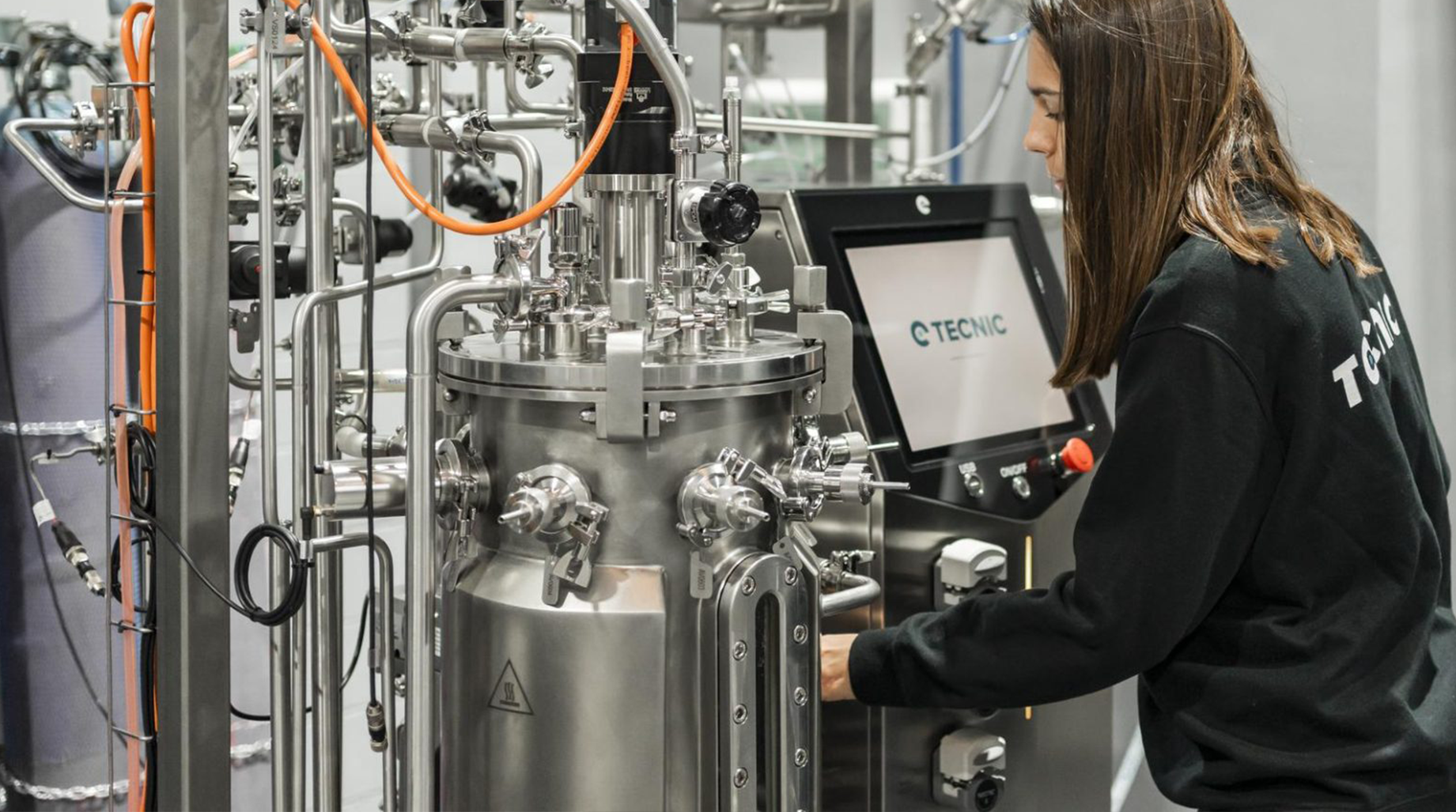
The relevance of alternative proteins depends not only on the ingredient itself, but on whether it can be produced reliably and at scale.
Why fermentation matters so much in alternative protein
Fermentation matters because it provides a highly controllable route for producing useful biological compounds. In the context of alternative protein, it can be used to create functional ingredients, microbial biomass or targeted protein production under defined process conditions.
This is one of the reasons the field has attracted so much attention. Fermentation allows biotechnology to move from concept to production logic with clearer process control than many people expect when they first hear the term.
Fermentation gives tighter control over growth, metabolism and productivity than less structured routes.
It creates a path from laboratory development toward pilot and production operation.
Consistency matters because food and biotech applications depend on stable quality and output.
Main fermentation routes in this field
Fermentation in alternative protein is not a single route. The field generally includes several production strategies, each with different biological and process implications.
Biomass fermentation
Uses the microbial biomass itself as the target product or as part of the final protein-rich ingredient.
Precision or ingredient-focused fermentation
Uses engineered or selected microorganisms to produce specific target compounds or proteins with defined functional value.
The process route matters because not all fermentation goals ask for the same biology, hardware or downstream strategy.
Why this field is growing so quickly
Alternative protein is growing because it sits at the intersection of several strong drivers: demand for more diversified protein supply, sustainability pressure, innovation in food systems and the increasing maturity of industrial biotechnology.
Fermentation is especially attractive here because it gives a route that is familiar to biotechnology teams while still enabling new product categories and ingredient strategies.

Main process challenges in alternative protein fermentation
The field has strong potential, but it also has real process challenges. Many promising ideas still need to prove that they can be produced consistently, economically and at useful industrial scale.
Alternative protein becomes meaningful at industrial level only when biology, engineering and economics all work together.
How TECNIC fits this alternative protein workflow
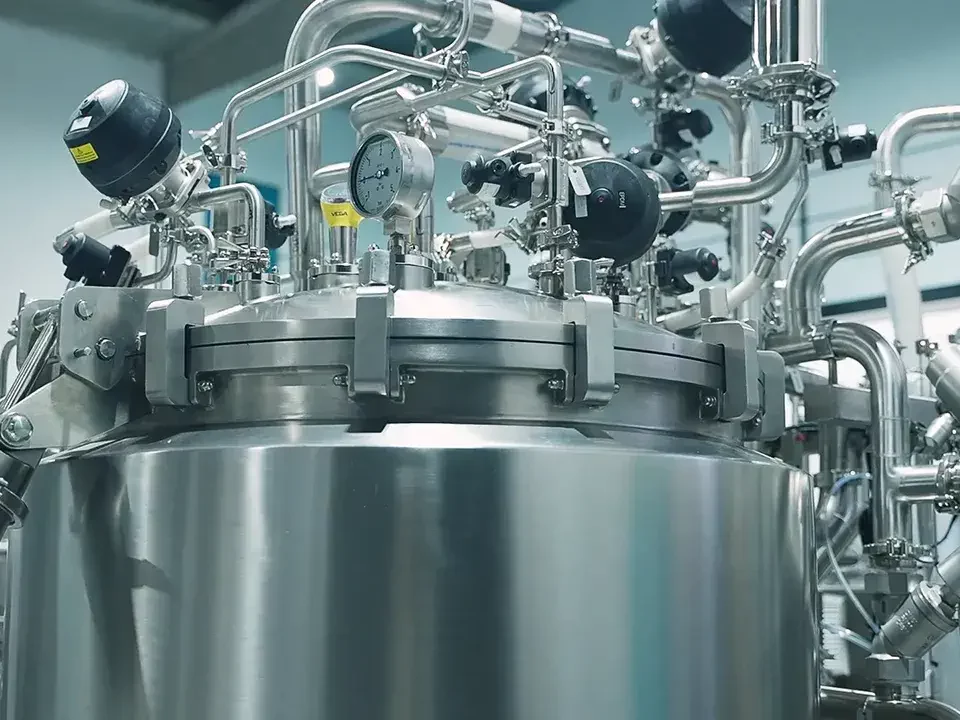
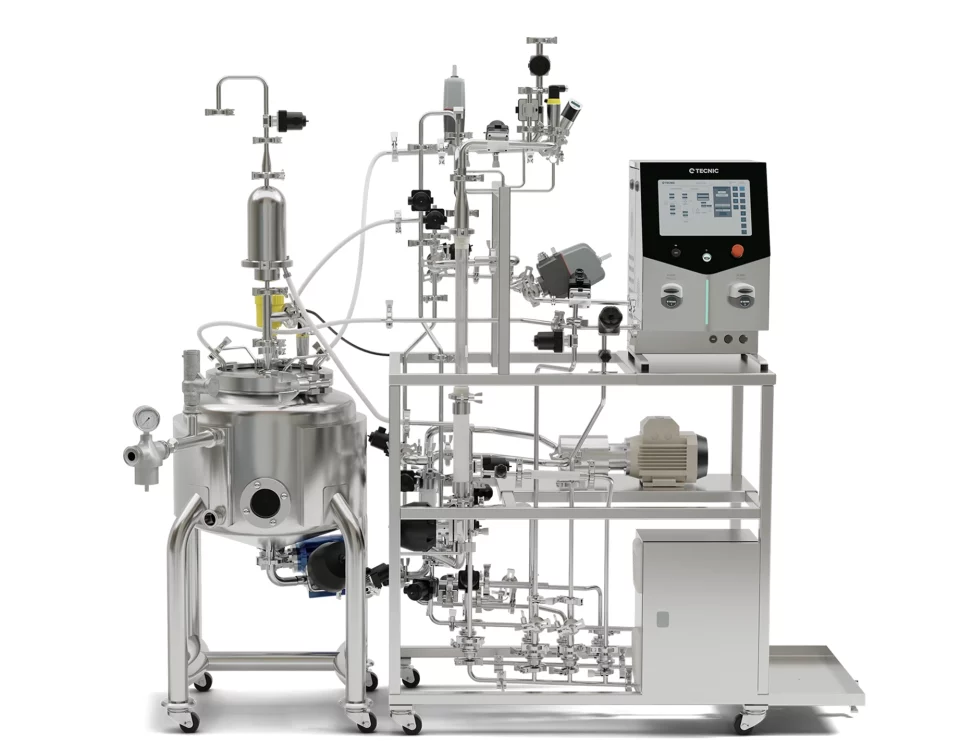
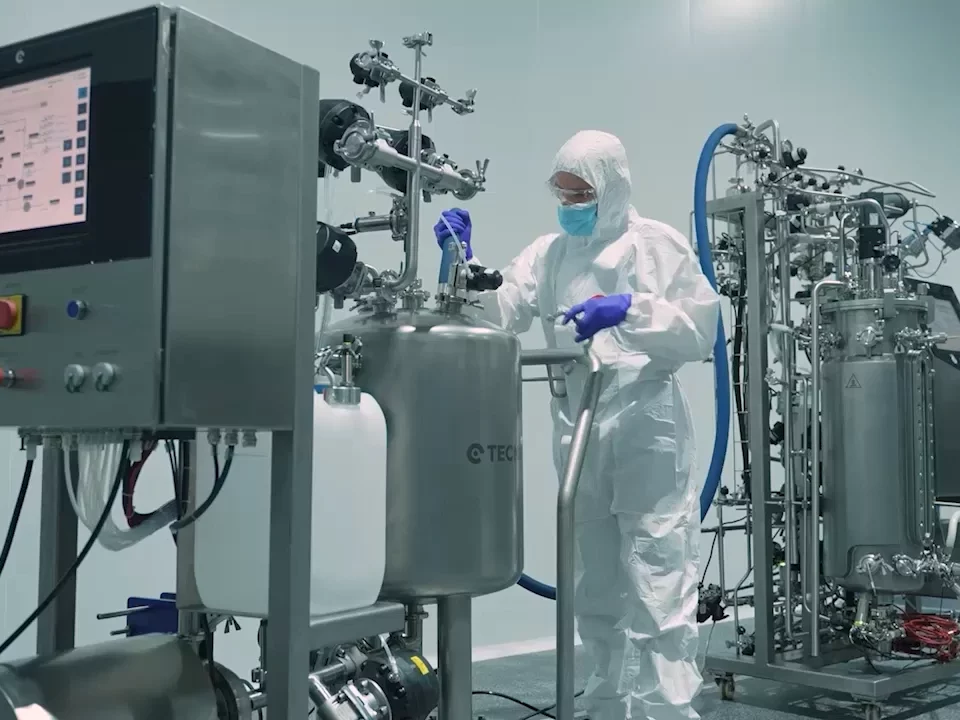
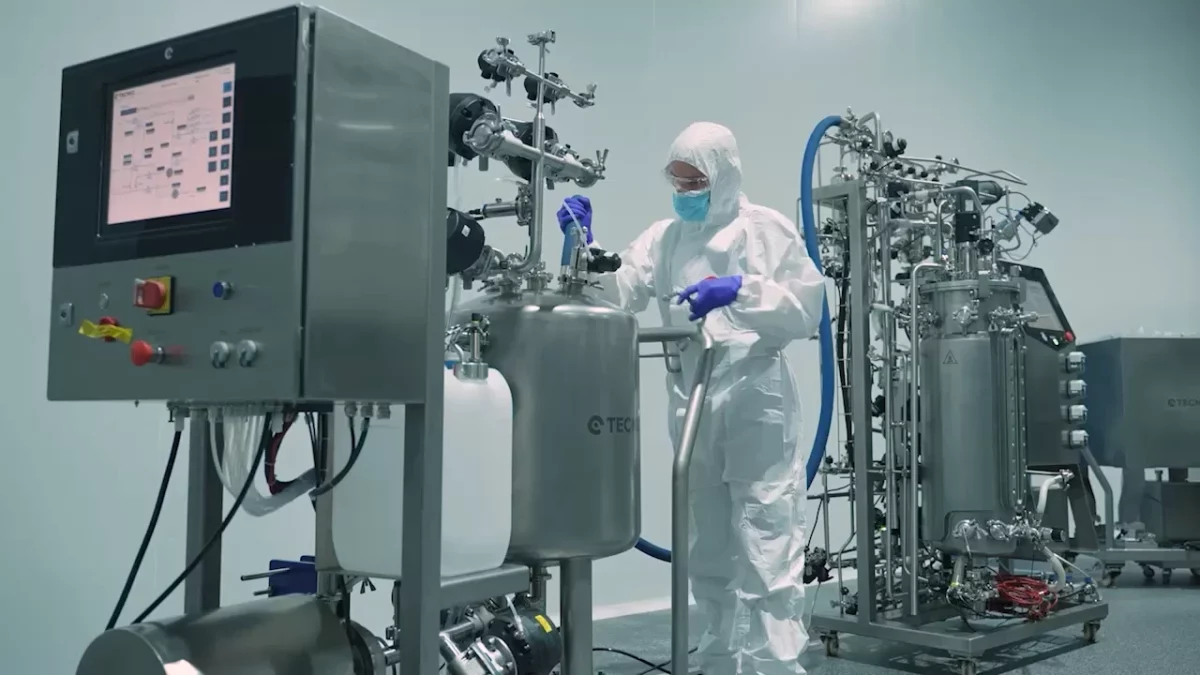
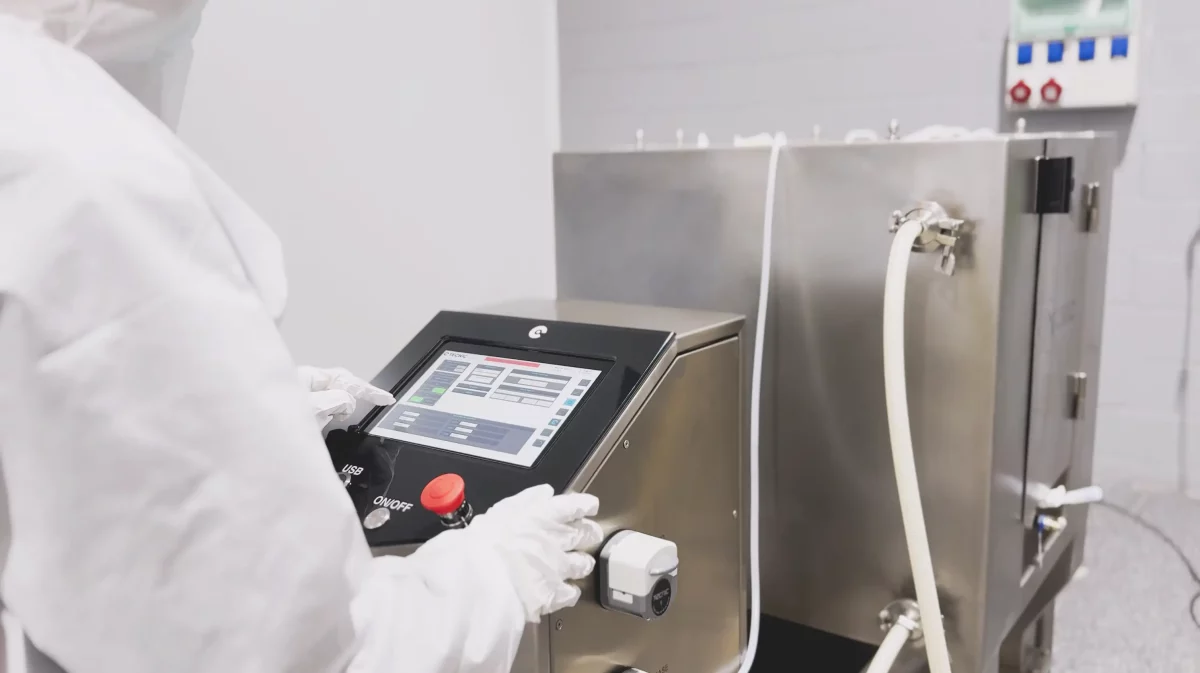
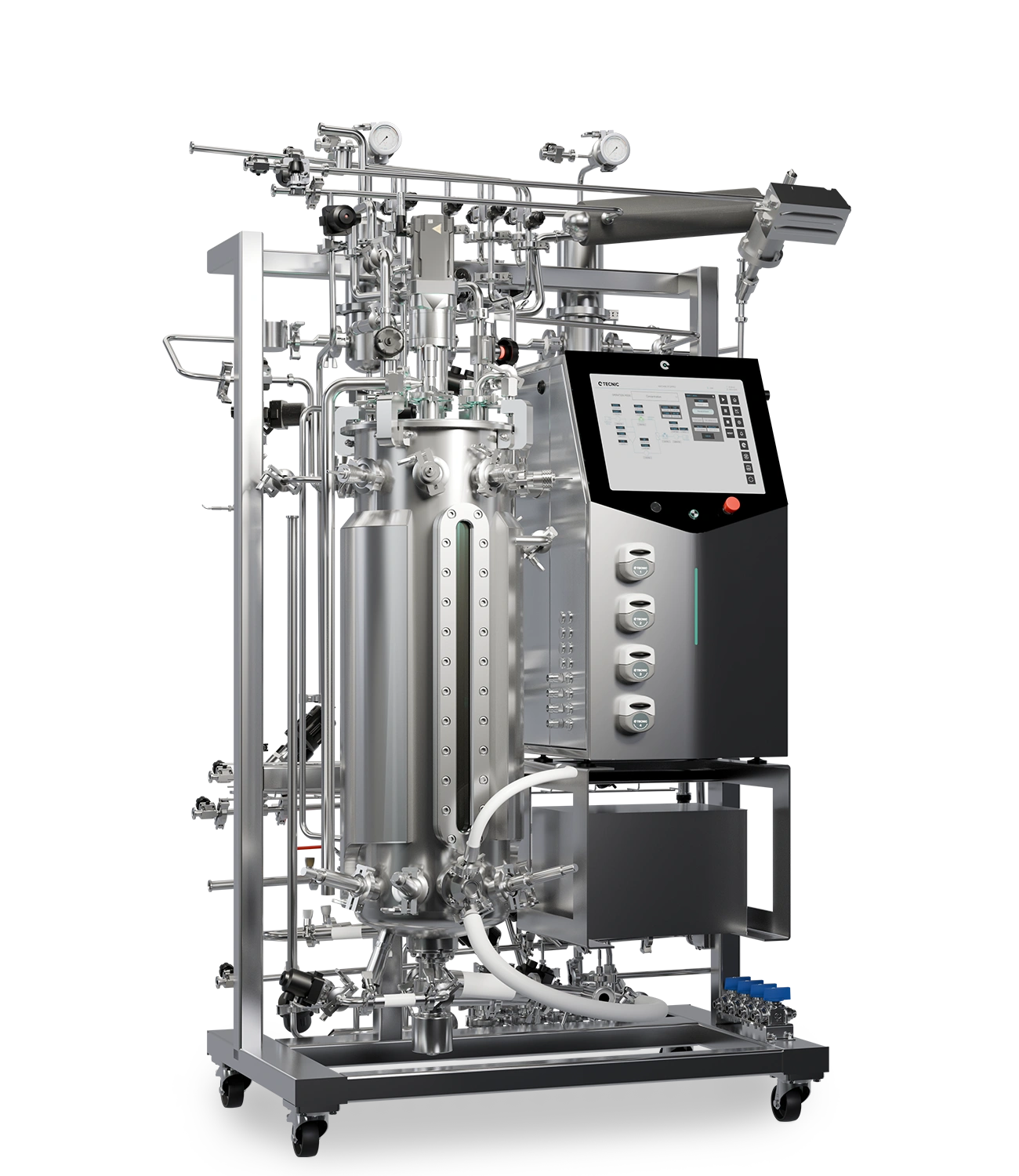
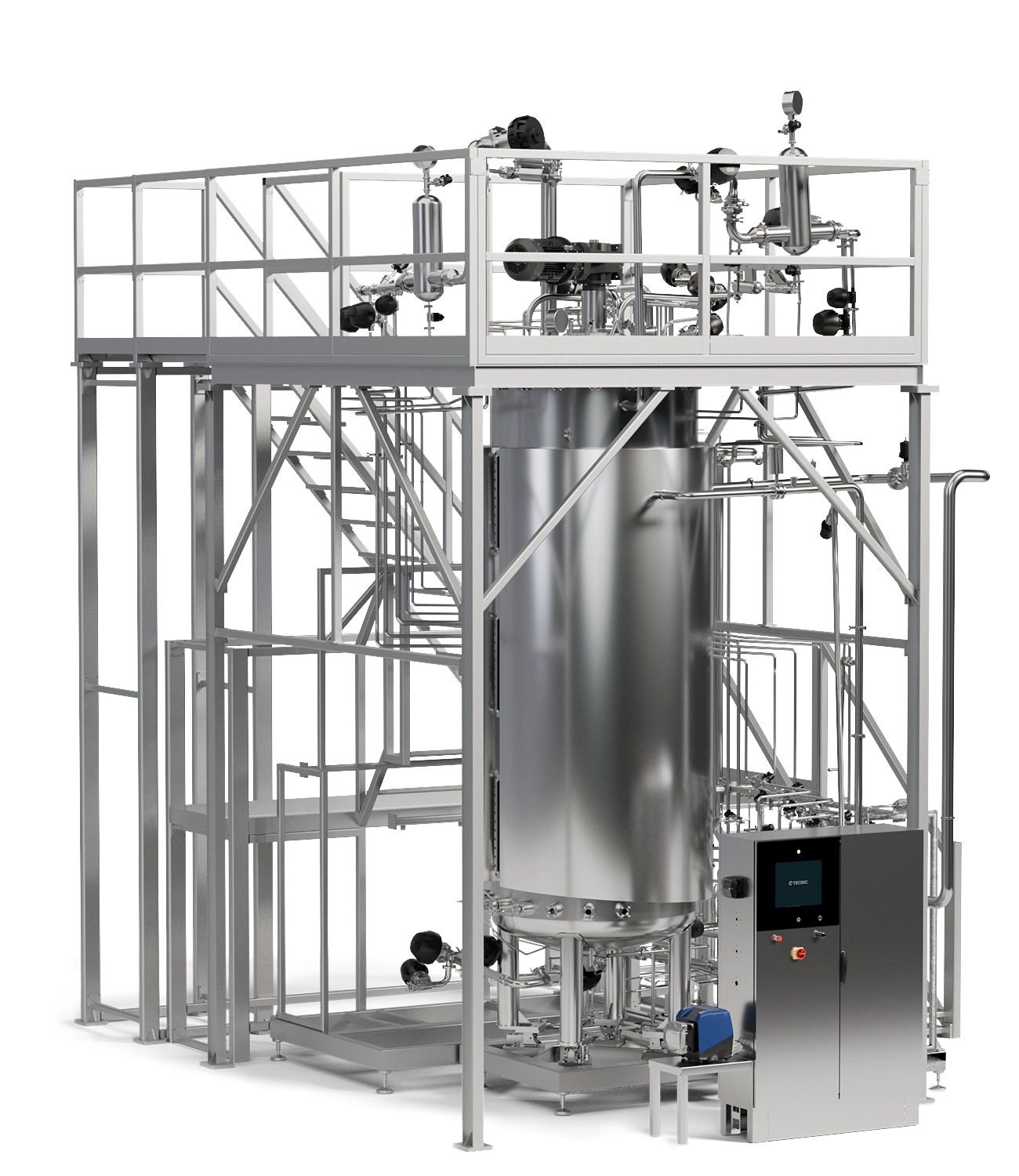
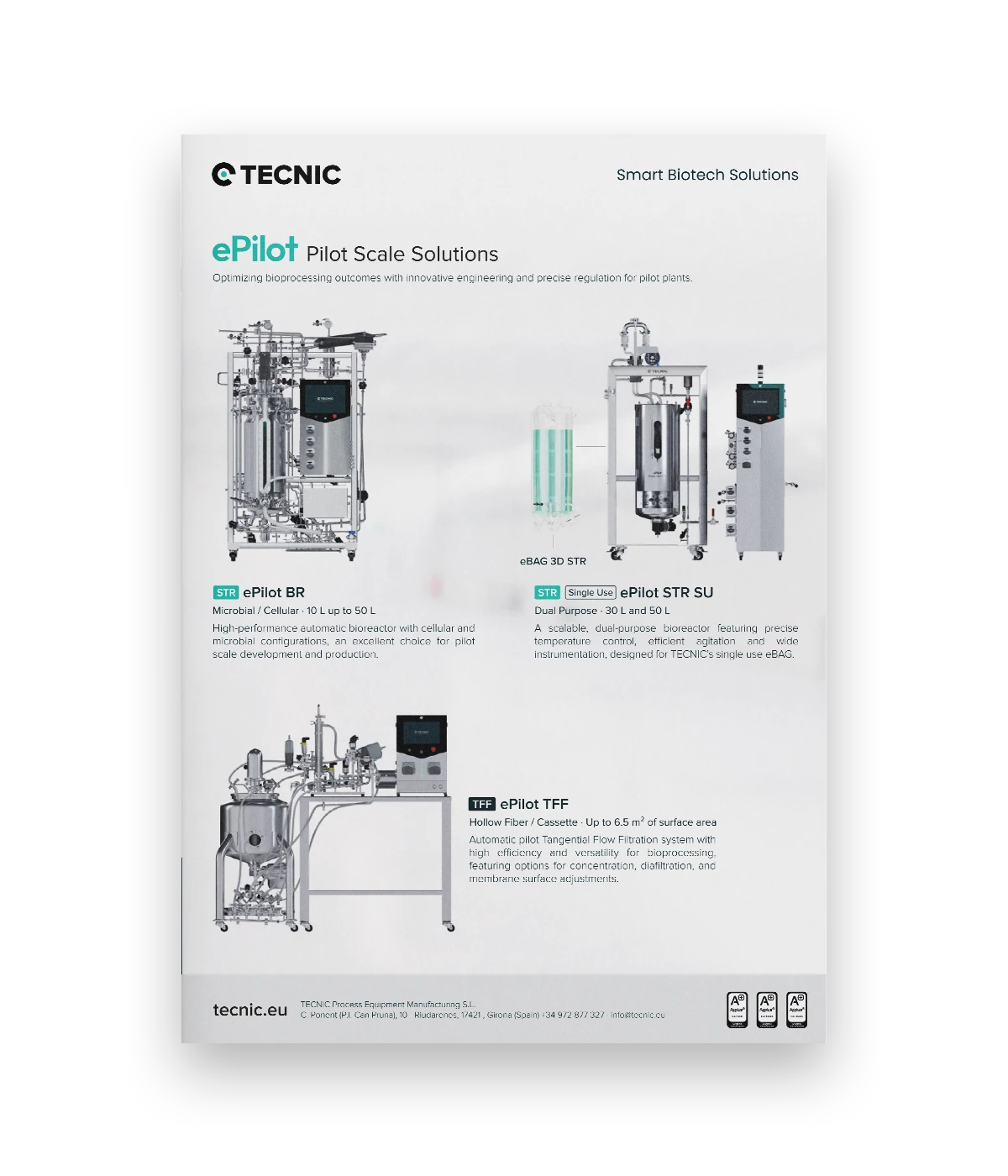
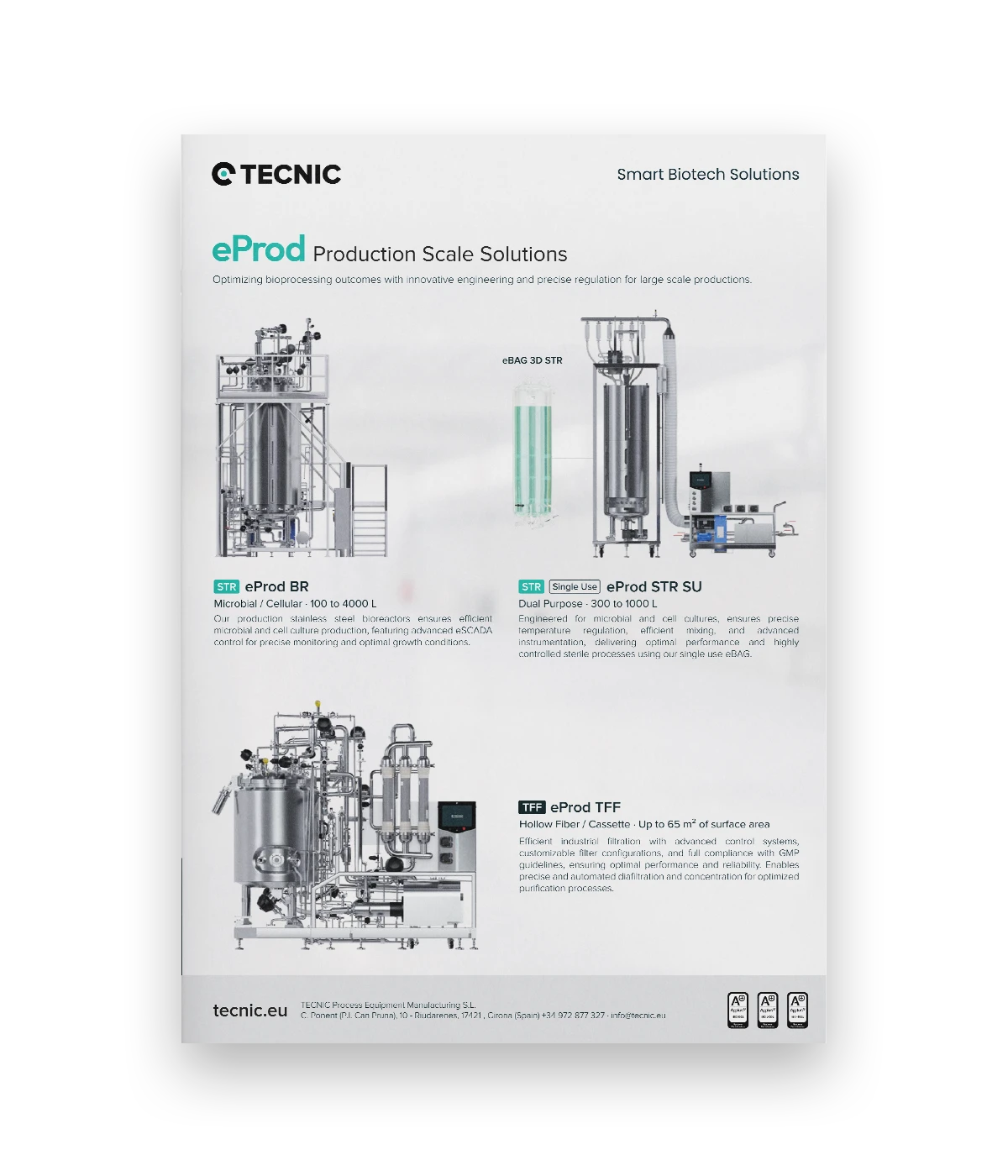
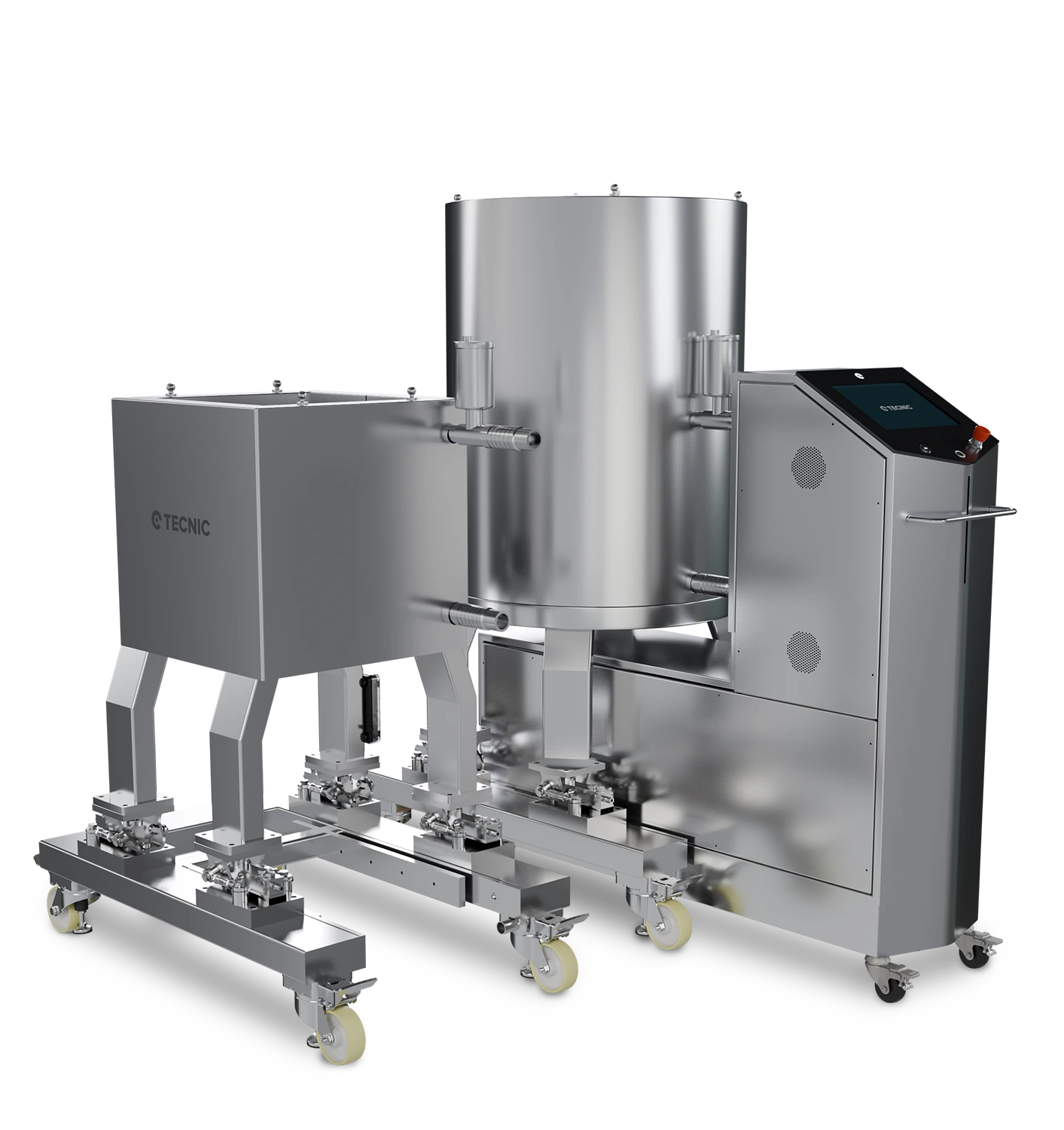
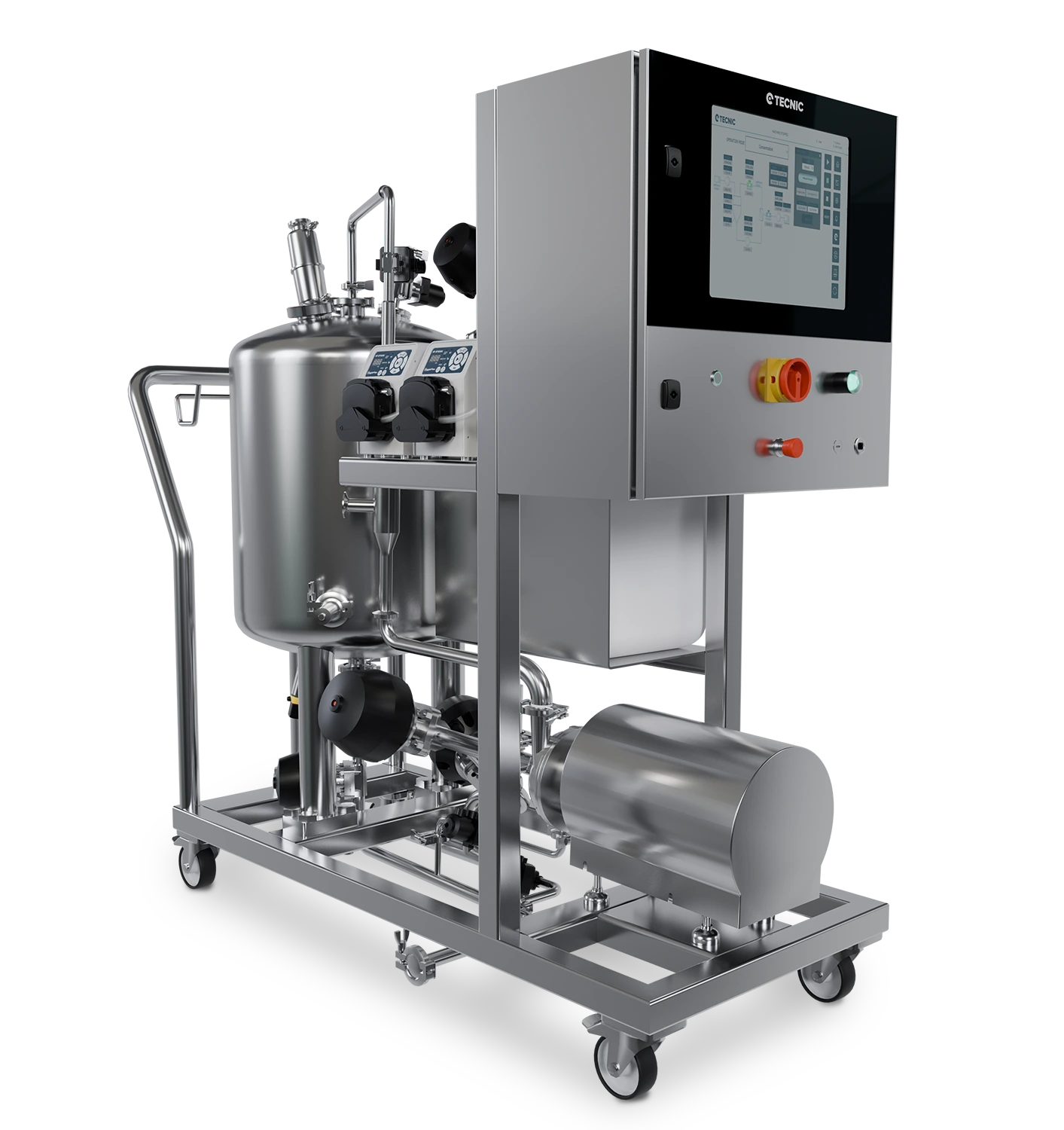
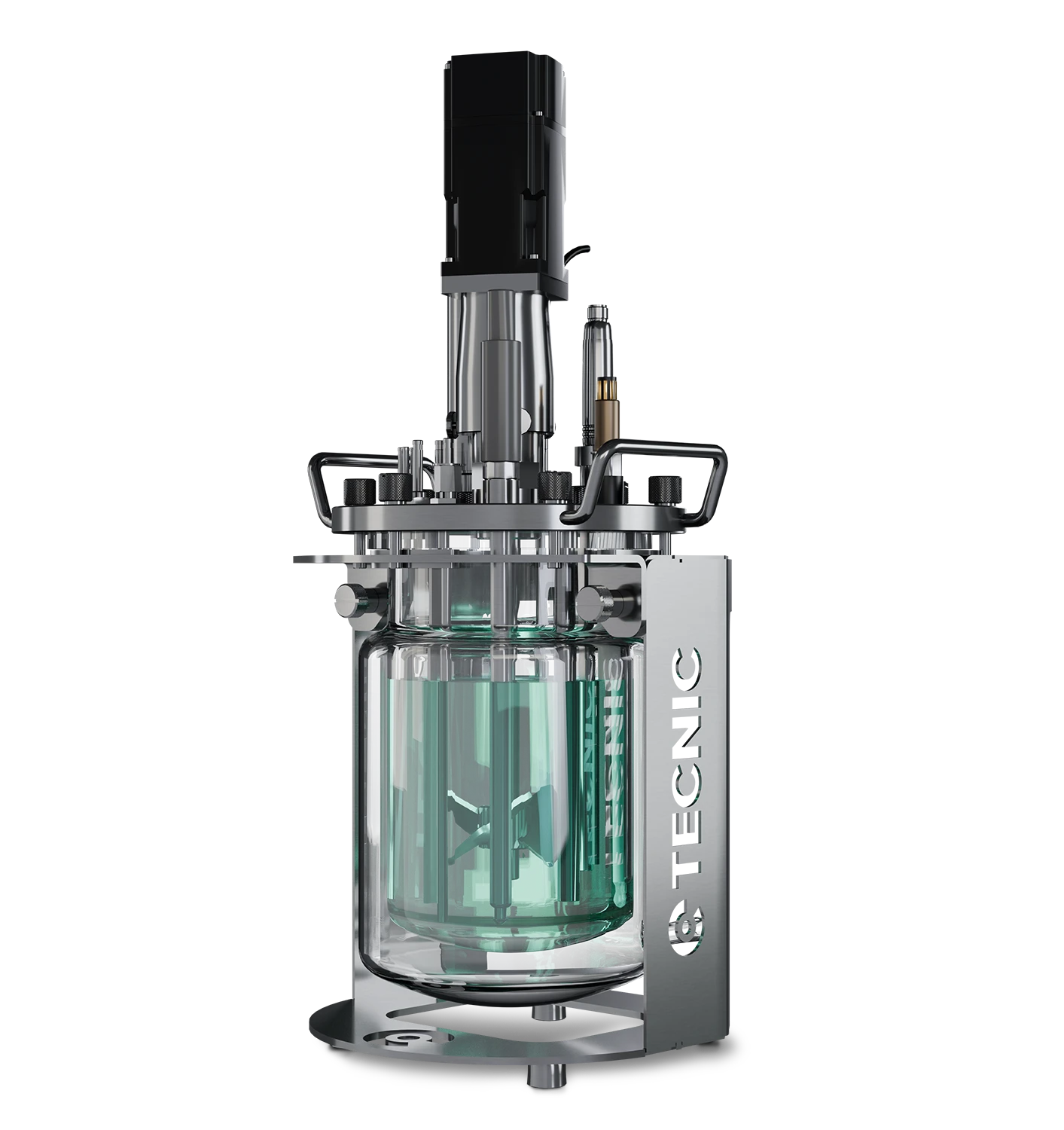
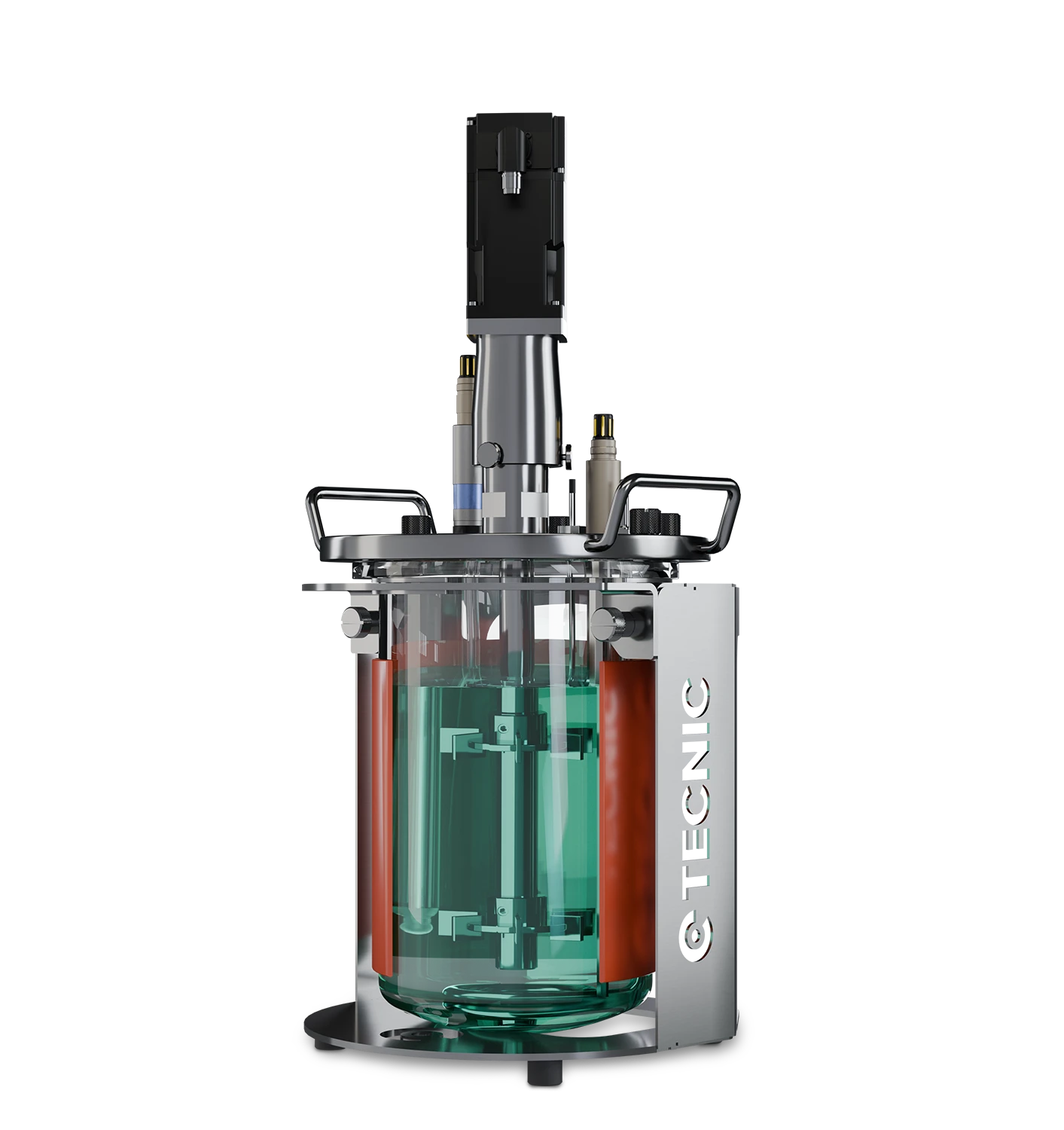
TECNIC fits naturally into this topic because alternative protein production depends heavily on controlled fermentation environments, scale-up logic and reliable bioprocess equipment. That makes bioreactors especially relevant from early development to larger-scale process work.
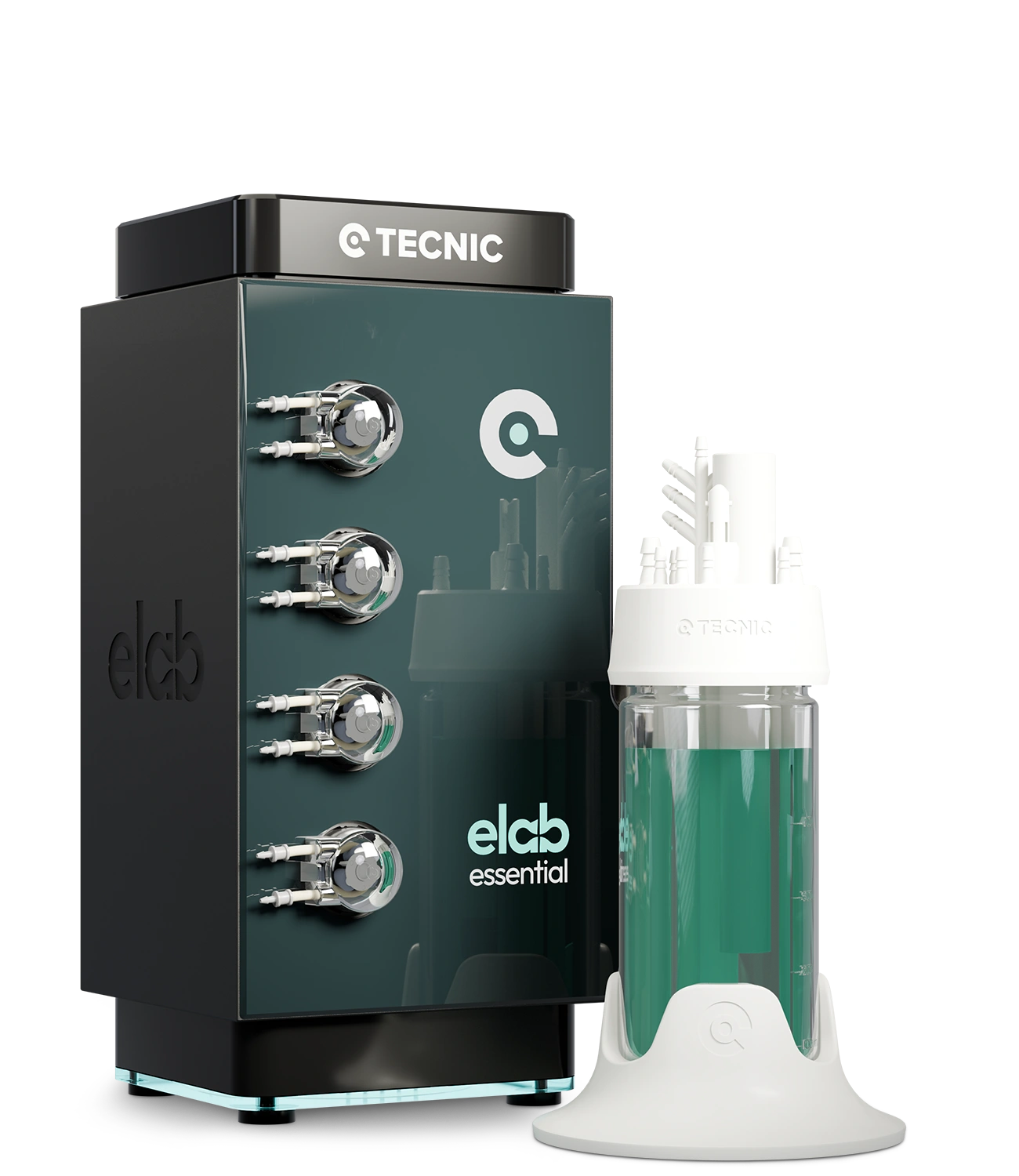
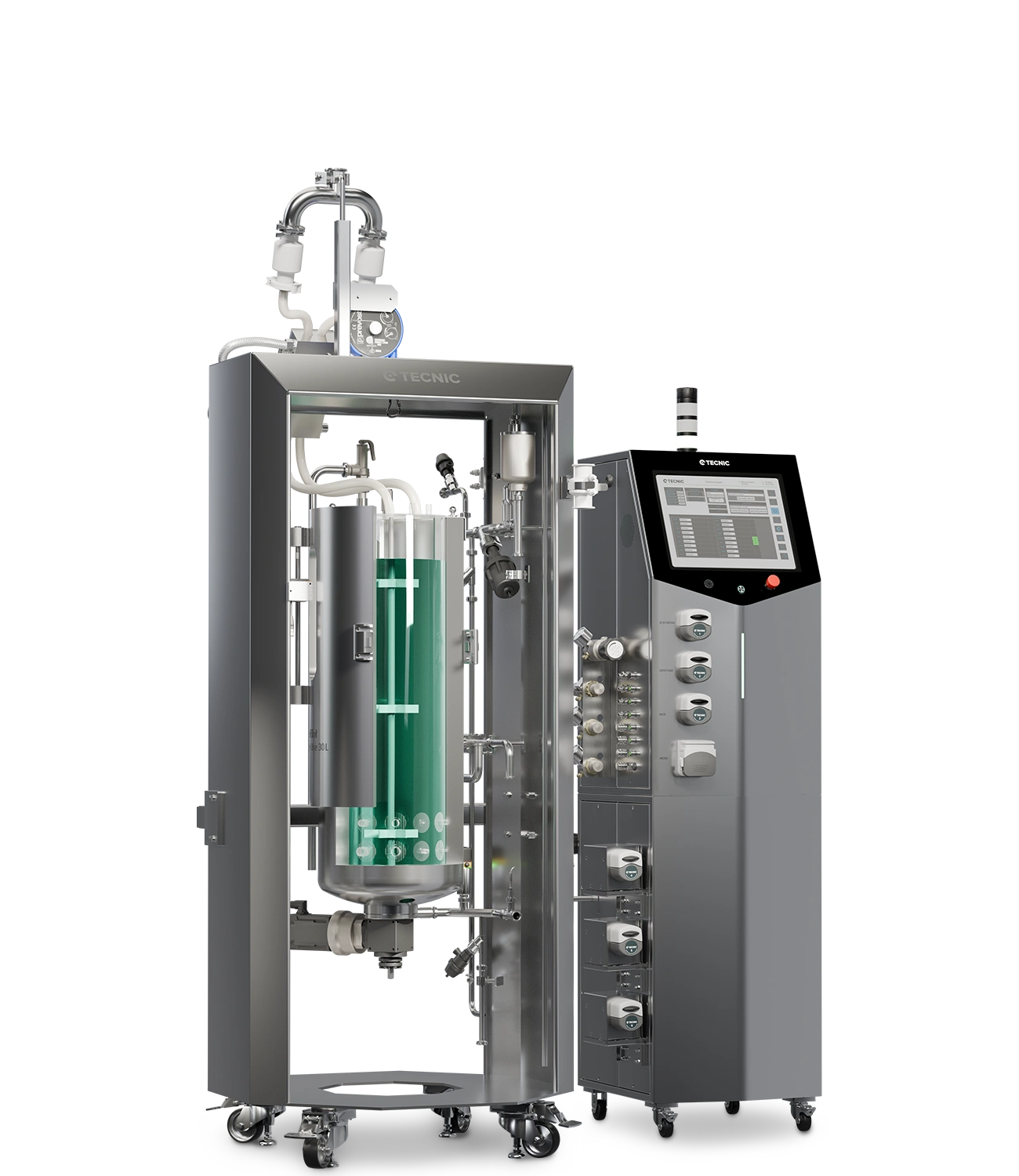
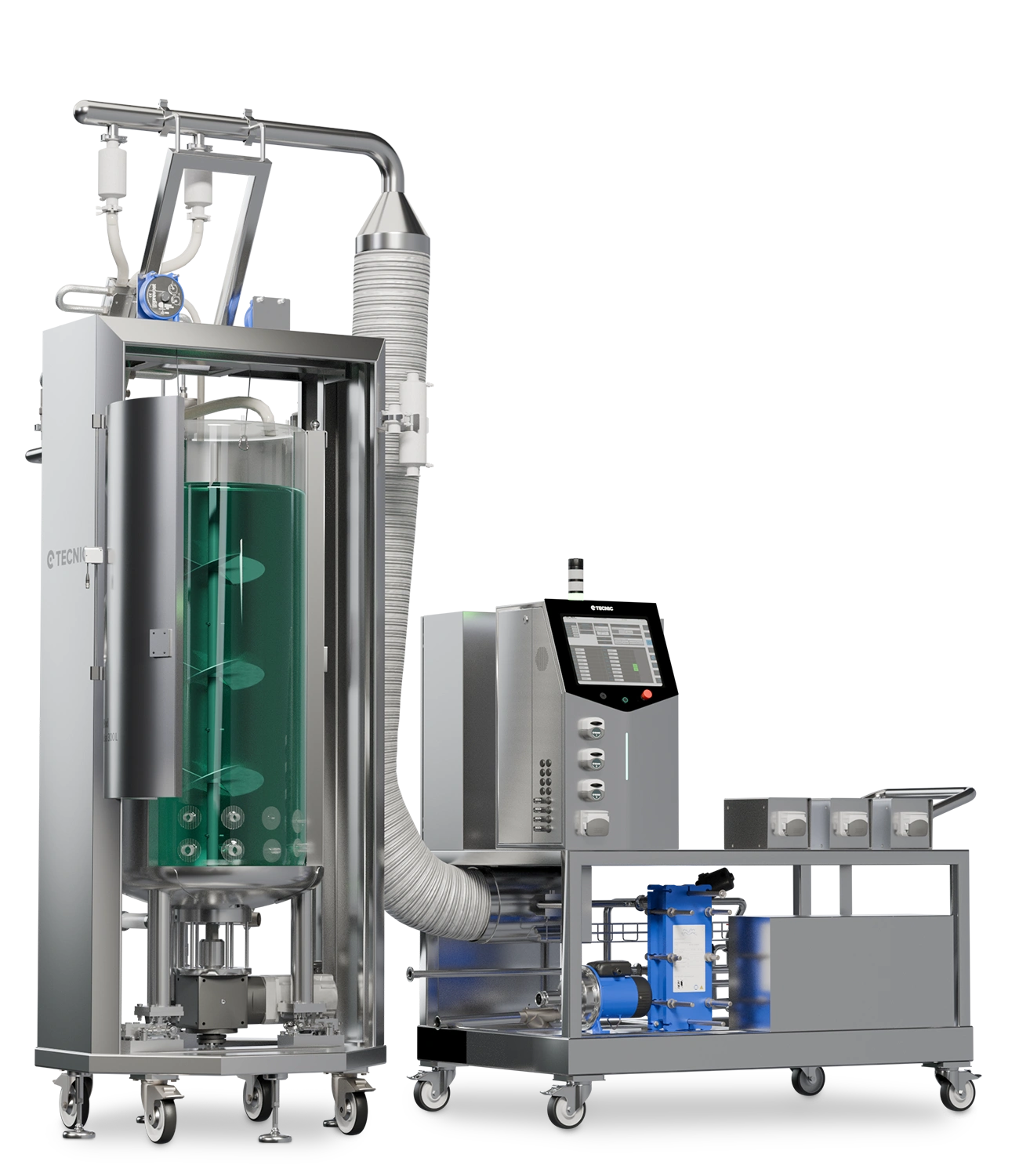
Bioreactors
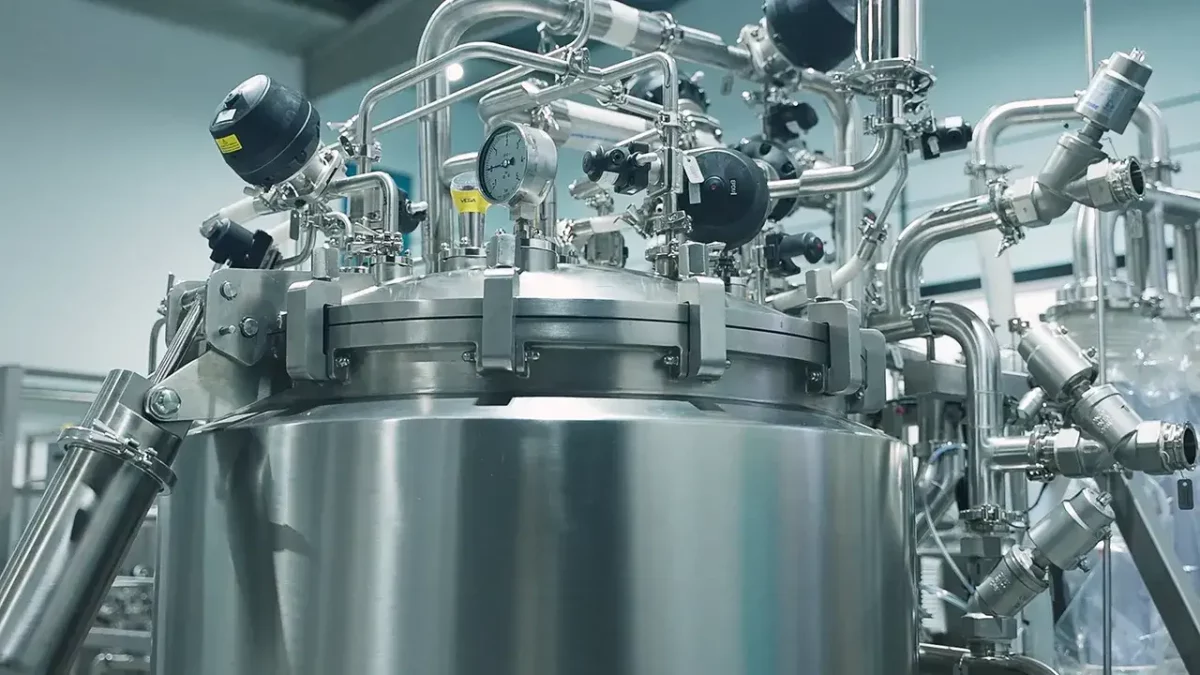
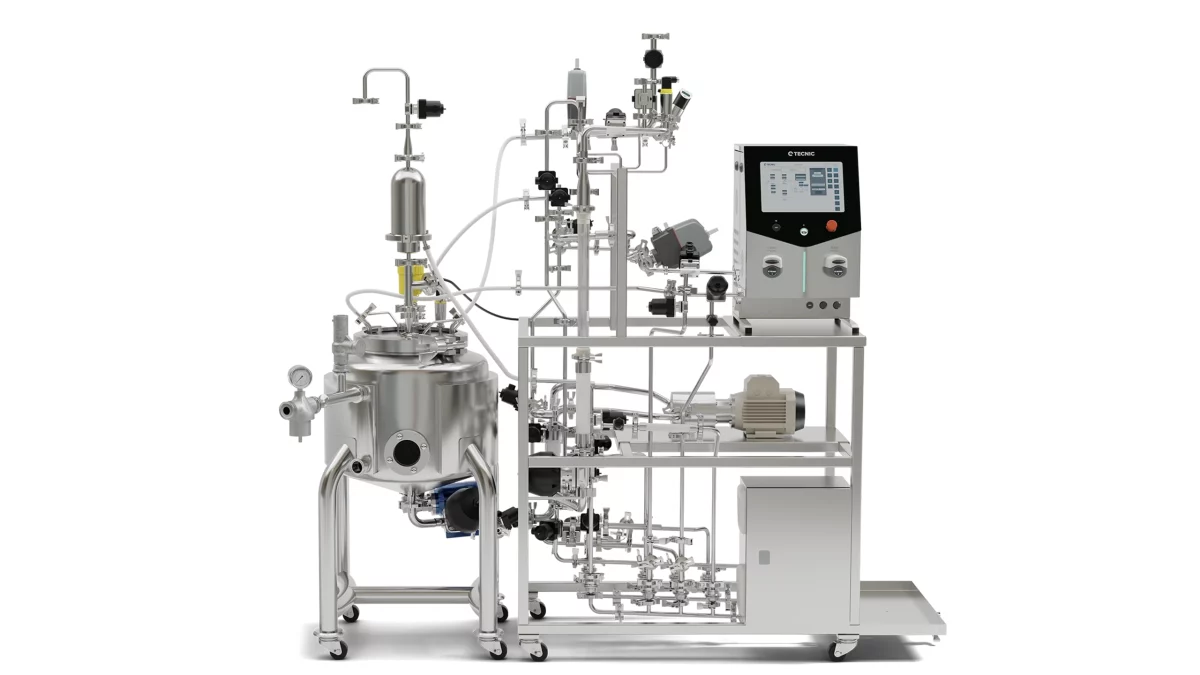
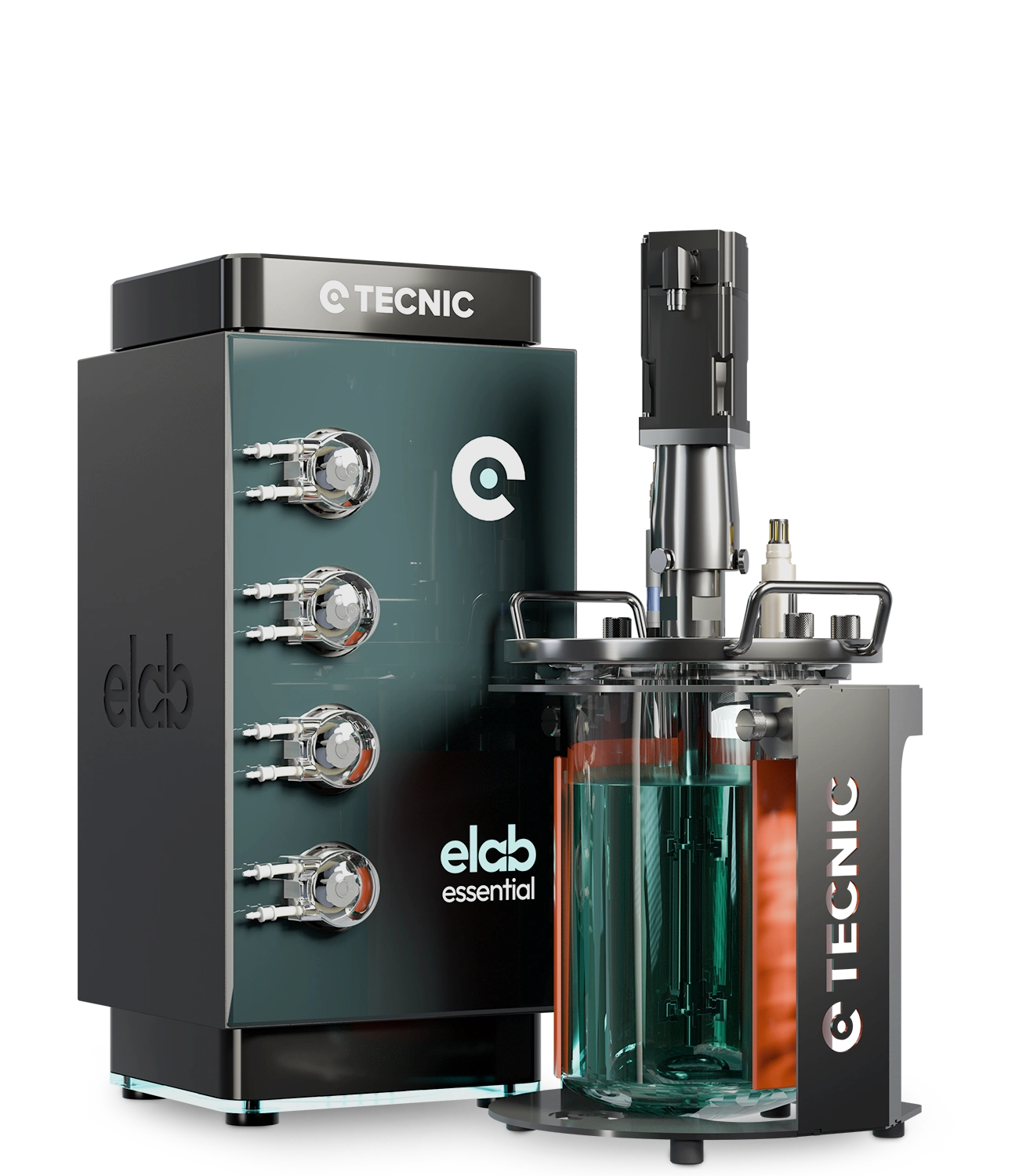
Relevant when fermentation workflows need controlled development, optimization and scalable process routes.
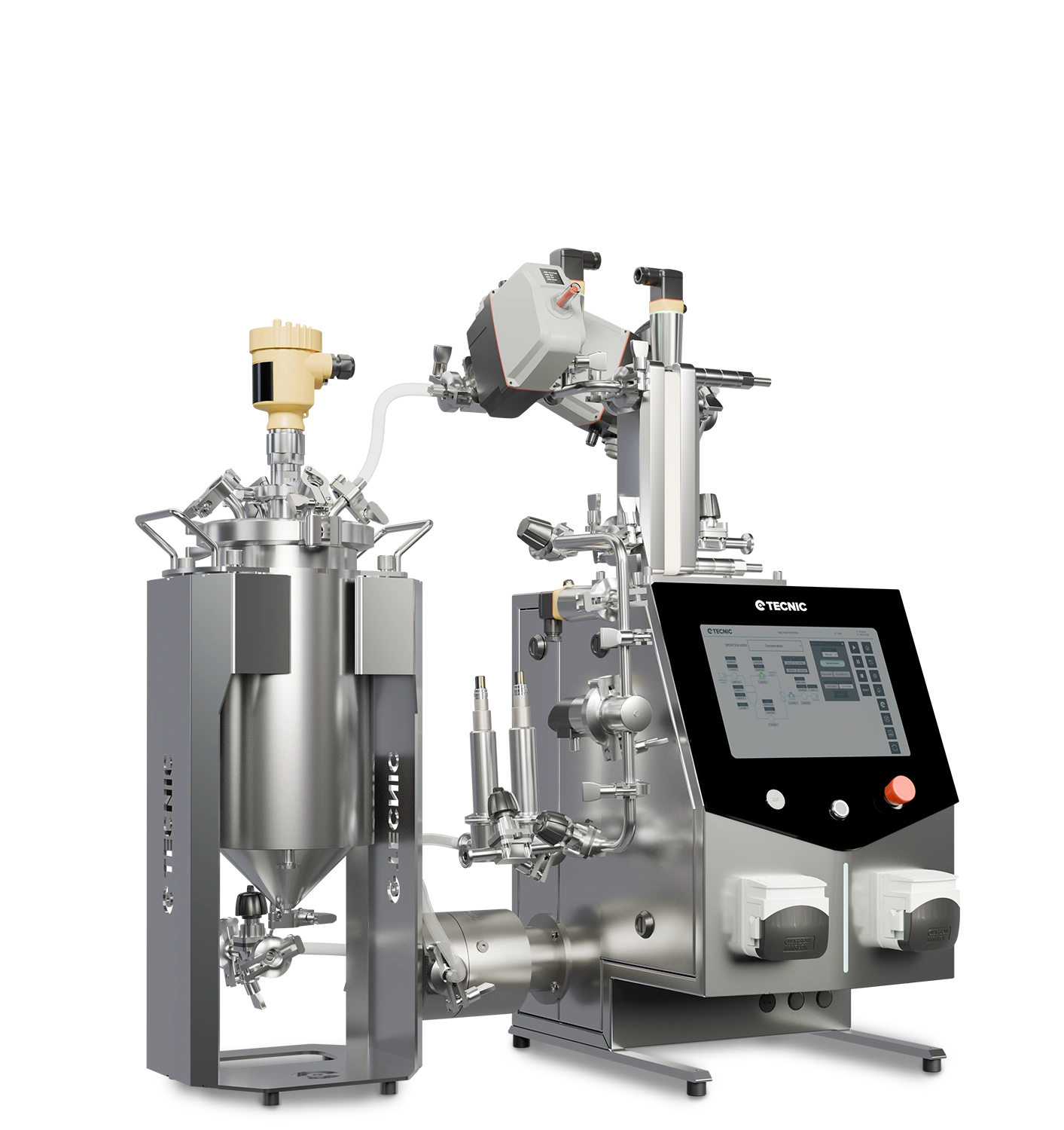
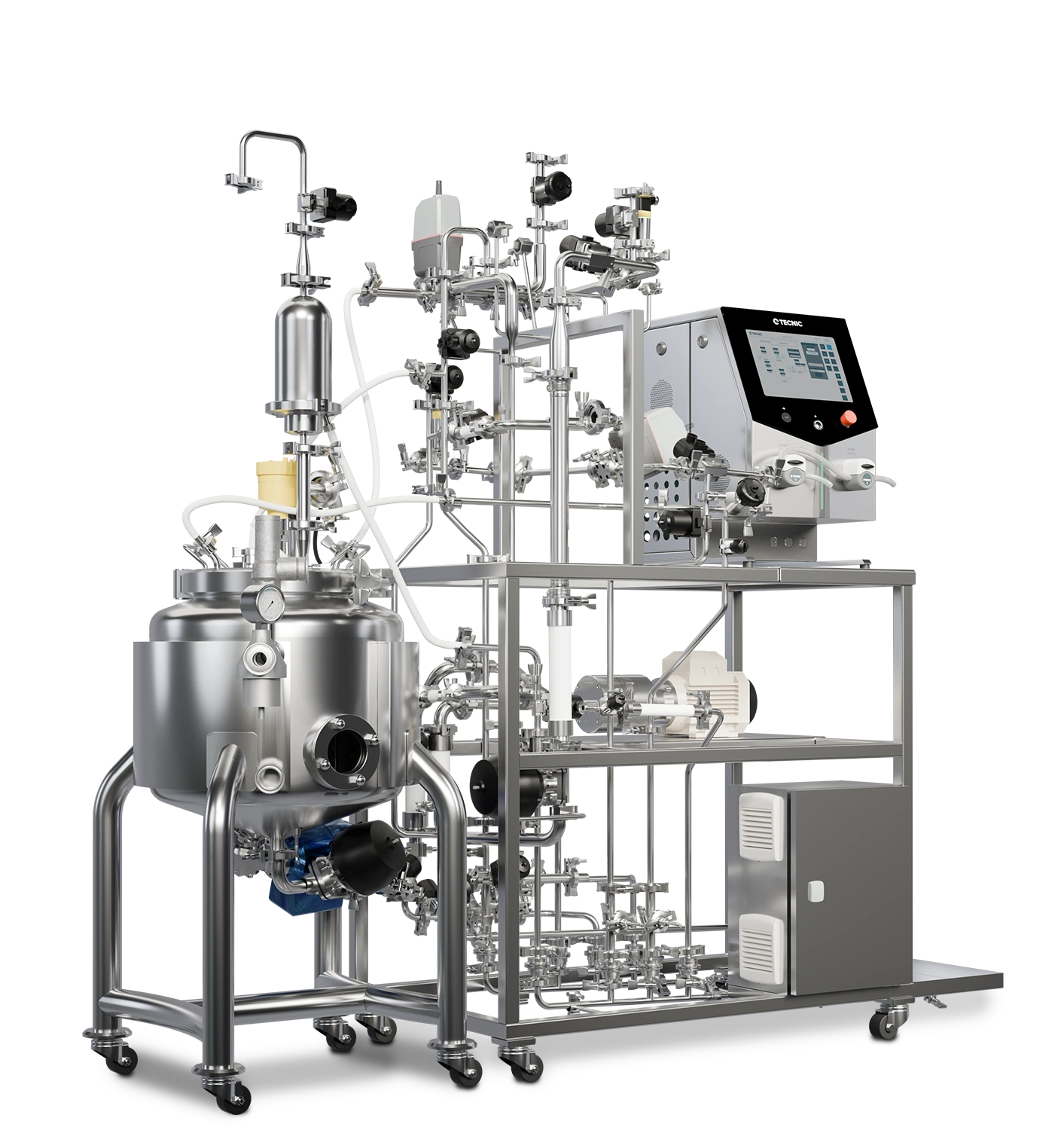
Laboratory equipment
Useful for early-stage process screening, media work and controlled experimental development.
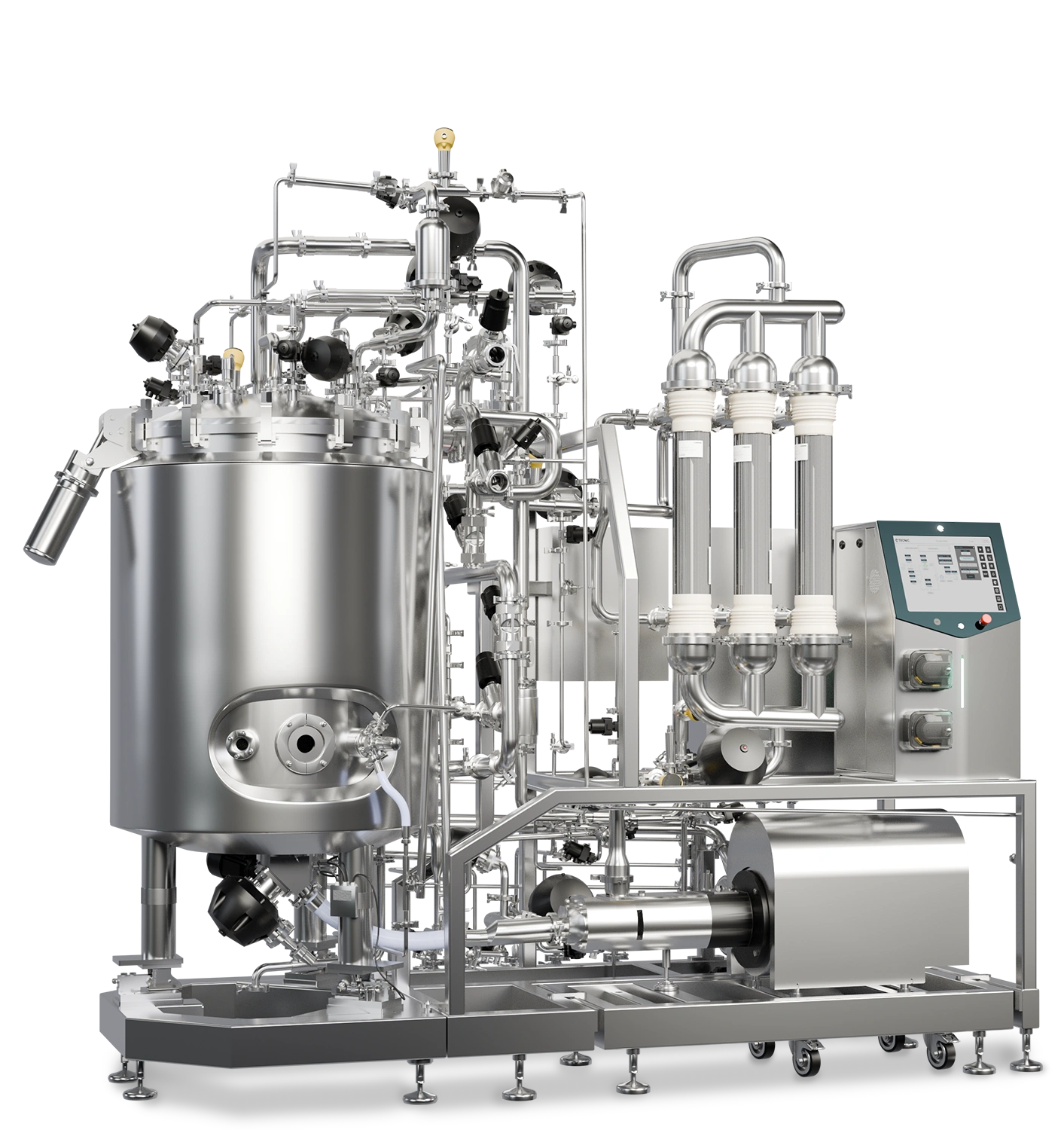
TFF systems
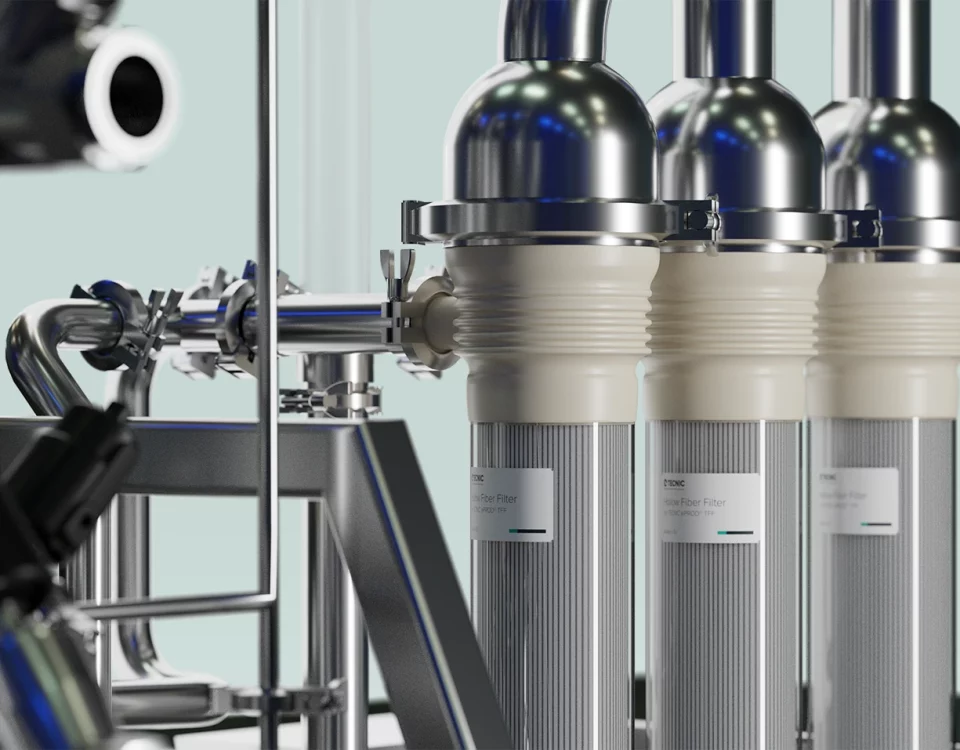
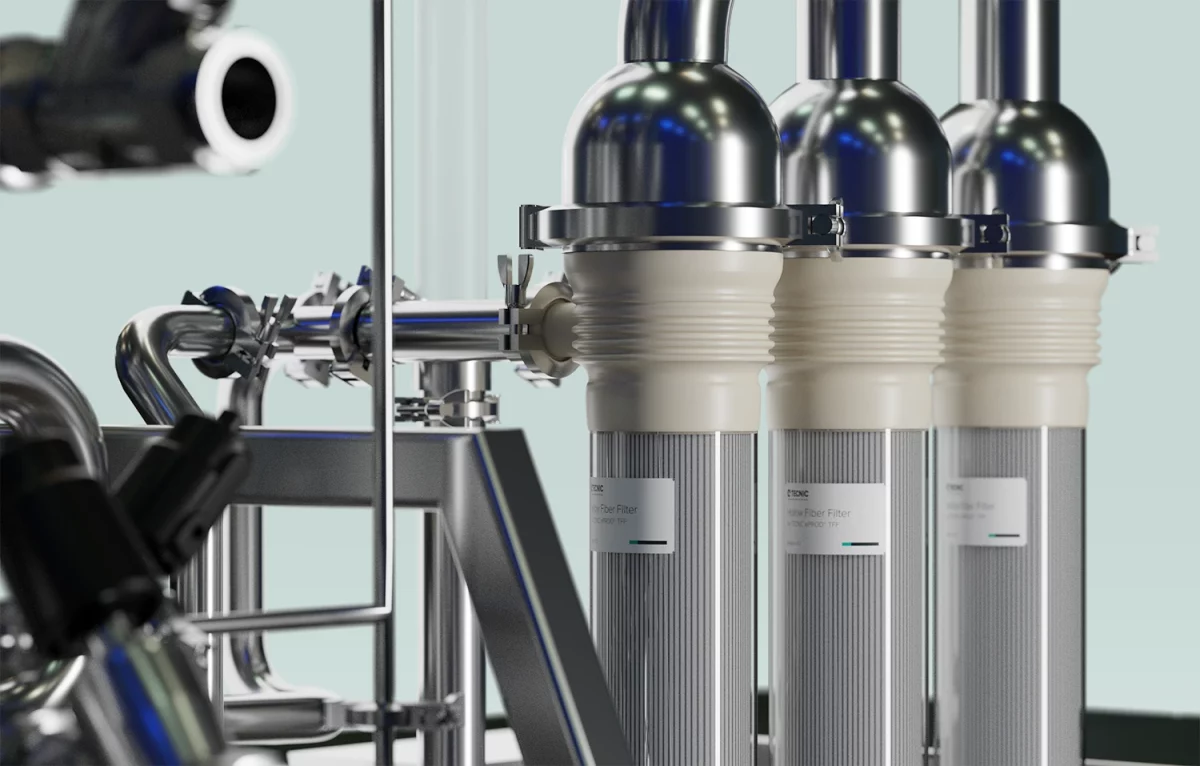
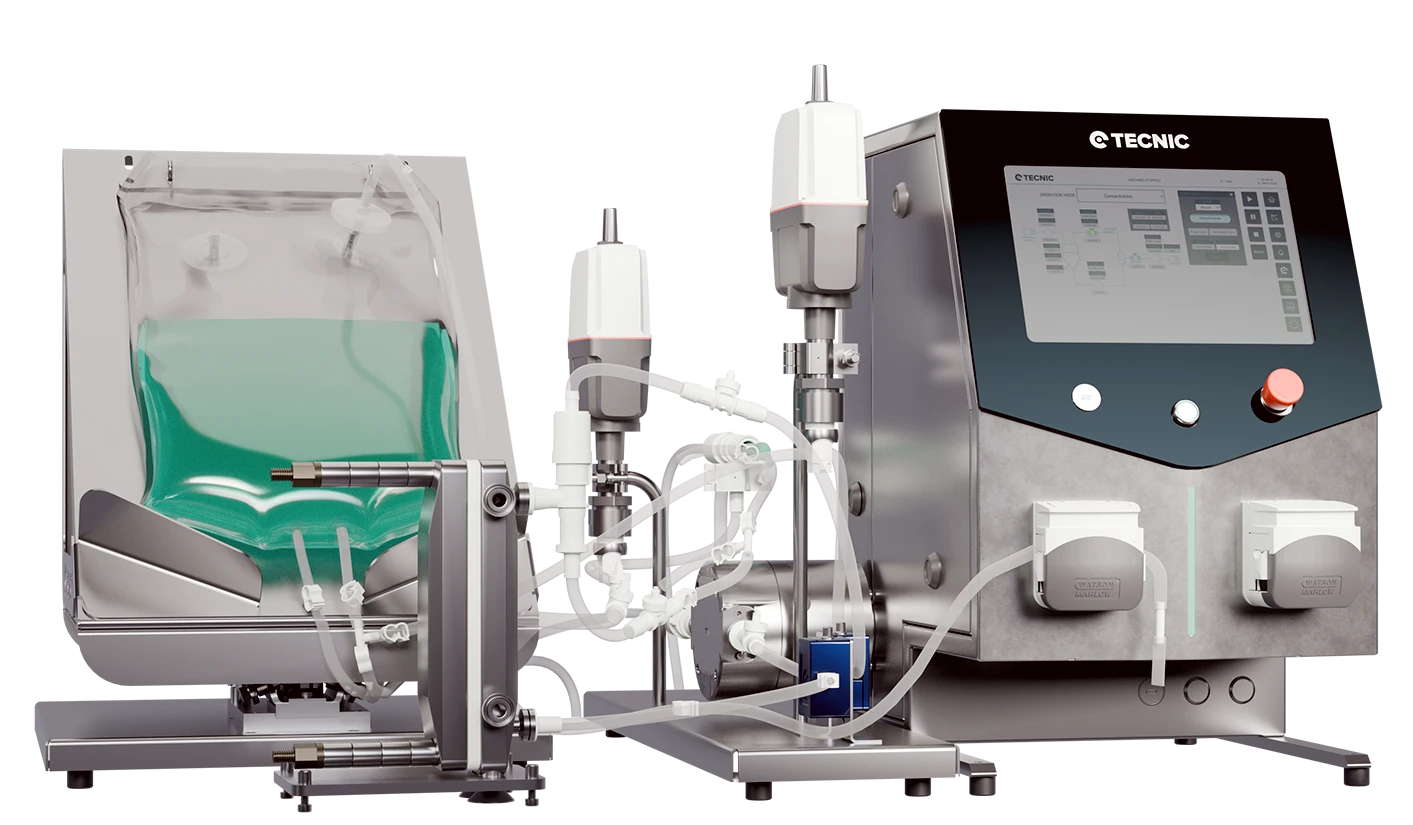
Relevant when fermentation workflows need clarification, concentration or downstream support after cultivation.
Contact TECNIC
When alternative protein development becomes a real process challenge, technical discussion is more useful than a generic trend overview.
This article works best when alternative protein is presented as a process field shaped by fermentation, scale-up and recovery, not only as a market trend.
Frequently asked questions
What are alternative proteins?
They are proteins produced through routes other than traditional livestock-based systems, including fermentation-derived and other biotech-based approaches.
Why is fermentation important for alternative protein?
Because it provides a controlled and scalable way to produce useful biological ingredients and protein-related compounds.
Is alternative protein only a food trend?
No. It is also a biotechnology field with strong process, scale-up and production implications.
What is the main challenge in alternative protein production?
One of the main challenges is proving that a promising biological idea can be produced consistently and economically at scale.
Why are bioreactors relevant in this field?
Because fermentation-based protein production depends on controlled cultivation and reliable scale-up routes.
Exploring fermentation workflows for alternative protein development?
Explore TECNIC’s bioprocess solutions or speak with our team to review the right setup for controlled fermentation and scale-up.