
Double tube sheet heat exchangers are a specialized shell-and-tube solution designed for processes where fluid separation is critical. Their value is not only thermal performance, but the extra safety barrier they provide against cross-contamination.
In biopharma and high-purity process environments, that distinction matters a lot. When one side carries product and the other carries utility fluid, even a small internal leak can become a major quality and compliance issue. The double tube sheet design helps prevent that risk from becoming a hidden problem.
A double tube sheet exchanger adds a second barrier and a leak-detection space between fluids, helping protect product integrity in critical thermal processes.
What is a double tube sheet heat exchanger?
A double tube sheet heat exchanger is a shell-and-tube exchanger that uses two separate tube sheets at each end of the tube bundle instead of a single shared one. Between those two sheets there is an intermediate space that acts as a leakage detection zone.
This means that if a tube or tube-to-sheet joint fails, the leaking fluid is directed into that intermediate space instead of crossing into the opposite circuit. In critical processes, that extra separation can be the difference between a detectable maintenance issue and an undetected contamination event.
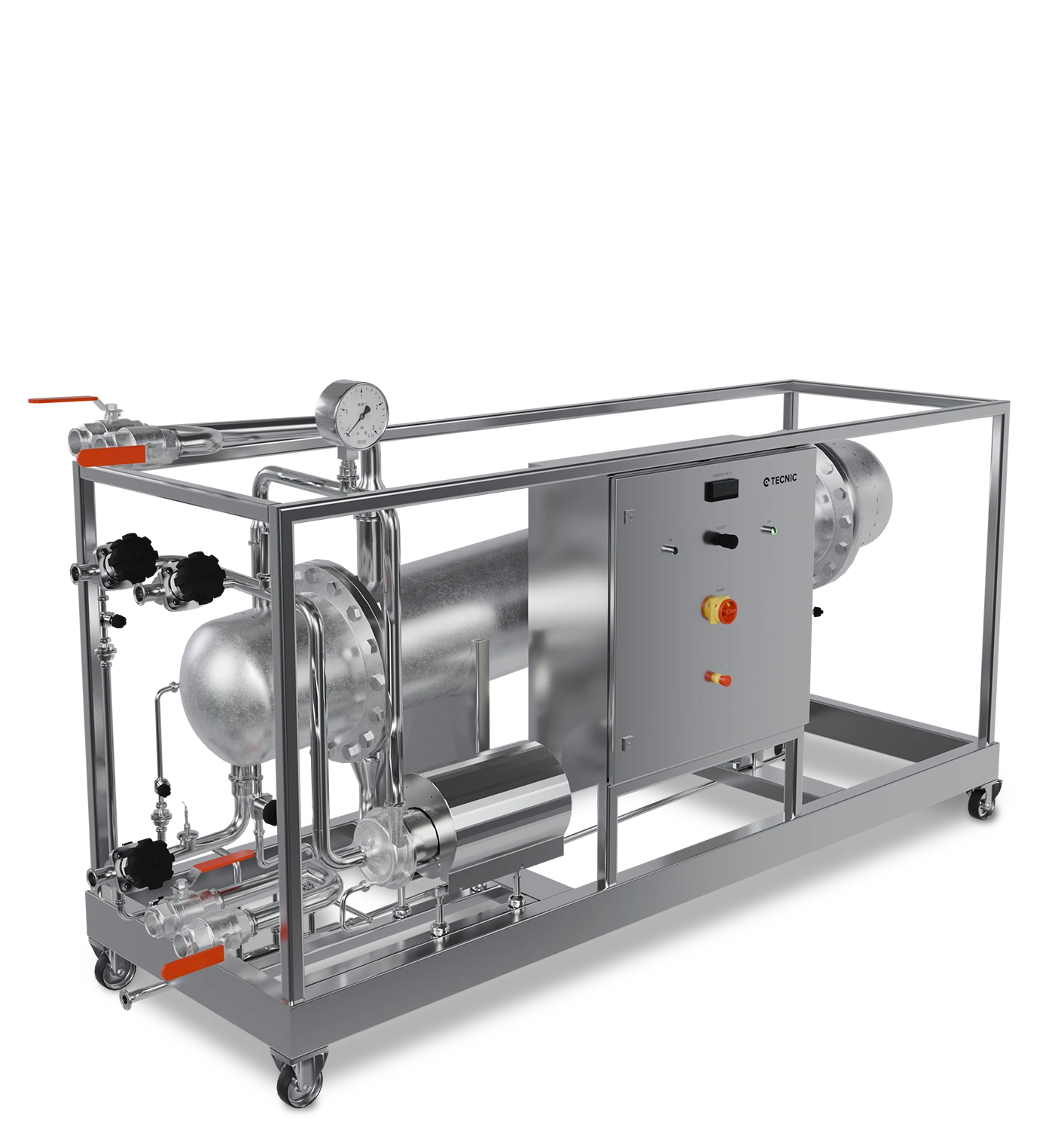
The double tube sheet concept is mainly about sanitary protection and leak management, not just about heat transfer.
How a double tube sheet heat exchanger works
From a thermal point of view, it works like a standard shell-and-tube exchanger. One fluid circulates through the tubes and the other through the surrounding shell side, exchanging heat across the tube wall.
The unit still operates on the same shell-and-tube thermal principles as a conventional exchanger.
Each tube is fixed through two separate tube sheets instead of one shared barrier.
The space between sheets acts as a visible or monitored zone where leaks can appear safely.
If a failure occurs, the fluids are kept apart instead of silently crossing circuits.
The thermodynamics stay familiar, but the sanitary risk management is much stronger.
Why double tube sheet design matters in biopharma
In biopharma, utility fluids and process fluids often have very different purity levels. Product integrity can be compromised if a hidden leak allows the two streams to mix. That is why the exchanger design itself becomes a quality and compliance issue, not just an engineering choice.
Conventional risk
In a standard single-sheet design, an internal leak may allow contamination to pass from one side to the other before it is noticed.
Double tube sheet logic
In a DTS design, the leak is diverted to the intermediate chamber, helping isolate the issue before cross-contamination occurs.
Main applications of double tube sheet heat exchangers
Double tube sheet exchangers are mainly used where product purity, sterility or regulatory expectations make hidden leaks unacceptable.
A DTS exchanger is most justified where contamination risk is more expensive than the added complexity of the design.
Advantages over standard heat exchanger designs
The main reason to choose a double tube sheet exchanger is not greater heat-transfer novelty. It is the combination of thermal performance with better leak visibility and stronger sanitary protection.
Helps prevent hidden crossover between product and utility circuits.
The intermediate chamber creates a clear place for leakage to be seen or monitored.
Supports the expectations of highly regulated and sanitary process environments.
Reduces the chance that a thermal-control device becomes the hidden source of a batch-quality issue.
How TECNIC fits this workflow
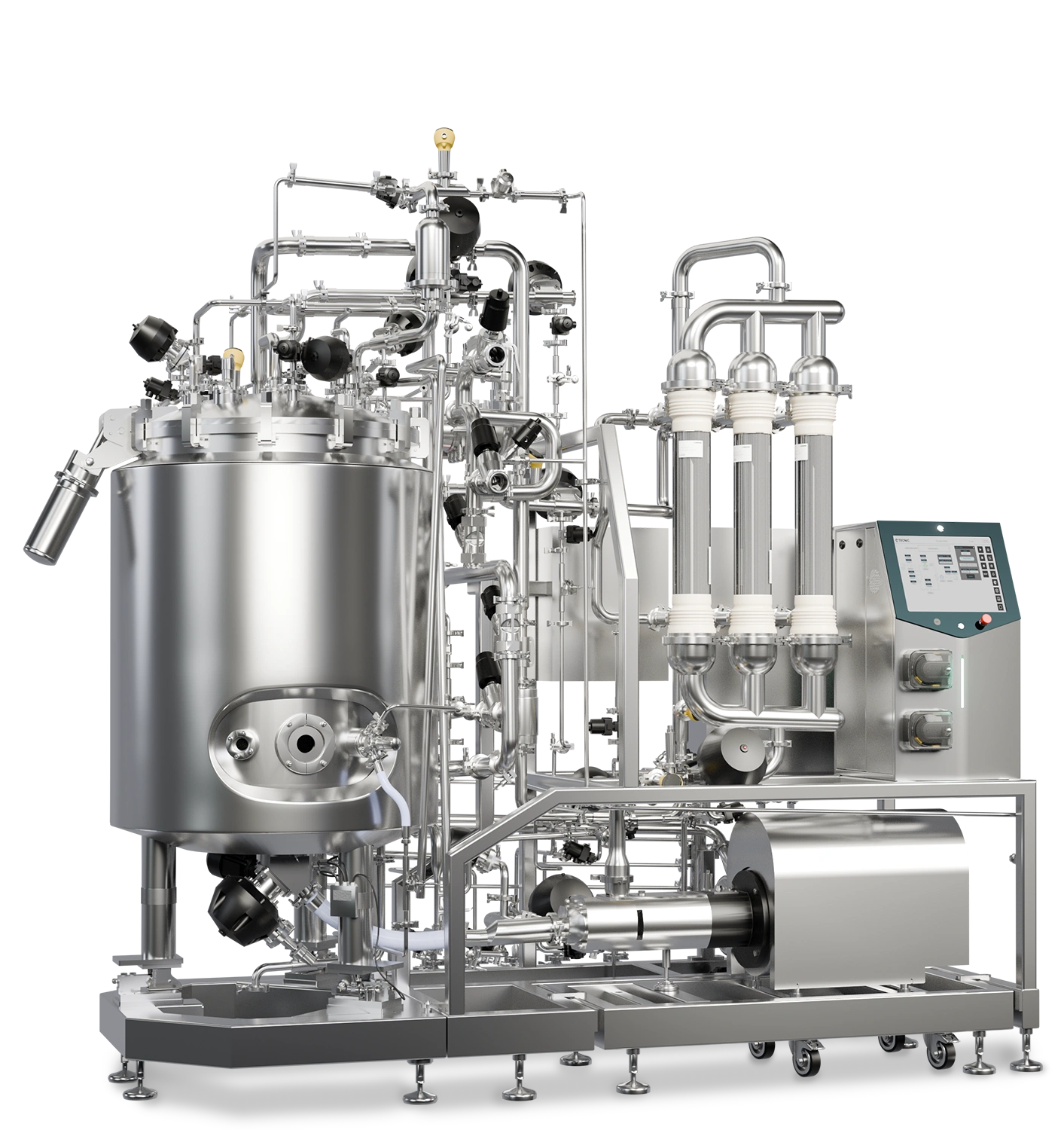
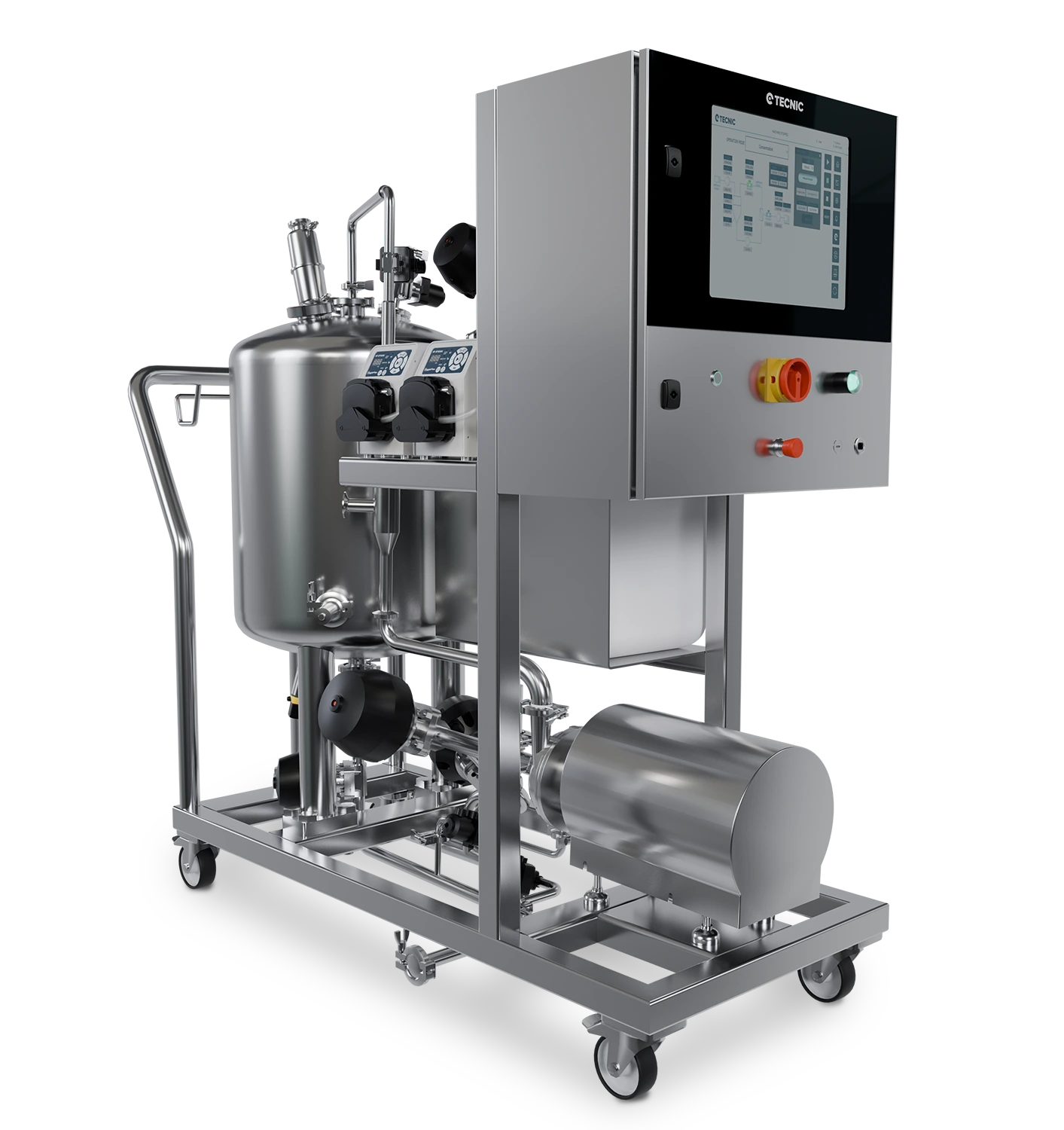
TECNIC fits this topic directly through the ePLUS® DTS, presented as a shell-and-tube heat exchanger with a double-tube-sheet configuration designed for precise temperature control and zero cross-contamination between fluids. The product page also highlights typical pharmaceutical-grade materials and finishes, including AISI 316L for product-contact parts and surface-treatment controls. [oai_citation:0‡TECNIC Bioprocess Solutions](https://www.tecnic.eu/bioprocess-technology/eplus/shell-and-tube-heat-exchanger/?utm_source=chatgpt.com)
ePLUS® DTS
Relevant when critical thermal control requires shell-and-tube performance with stronger sanitary separation between fluids.
Bioprocess equipment context
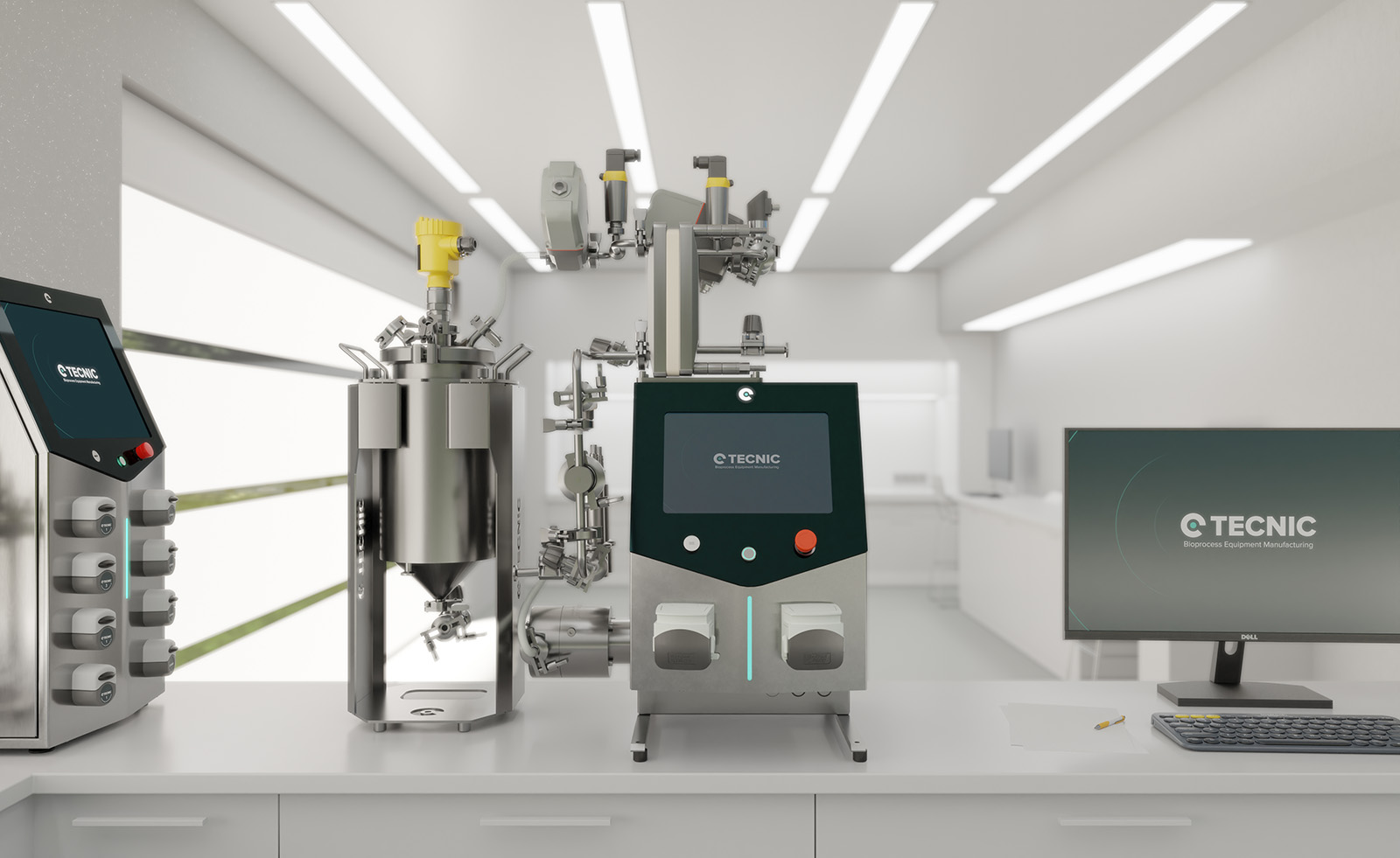
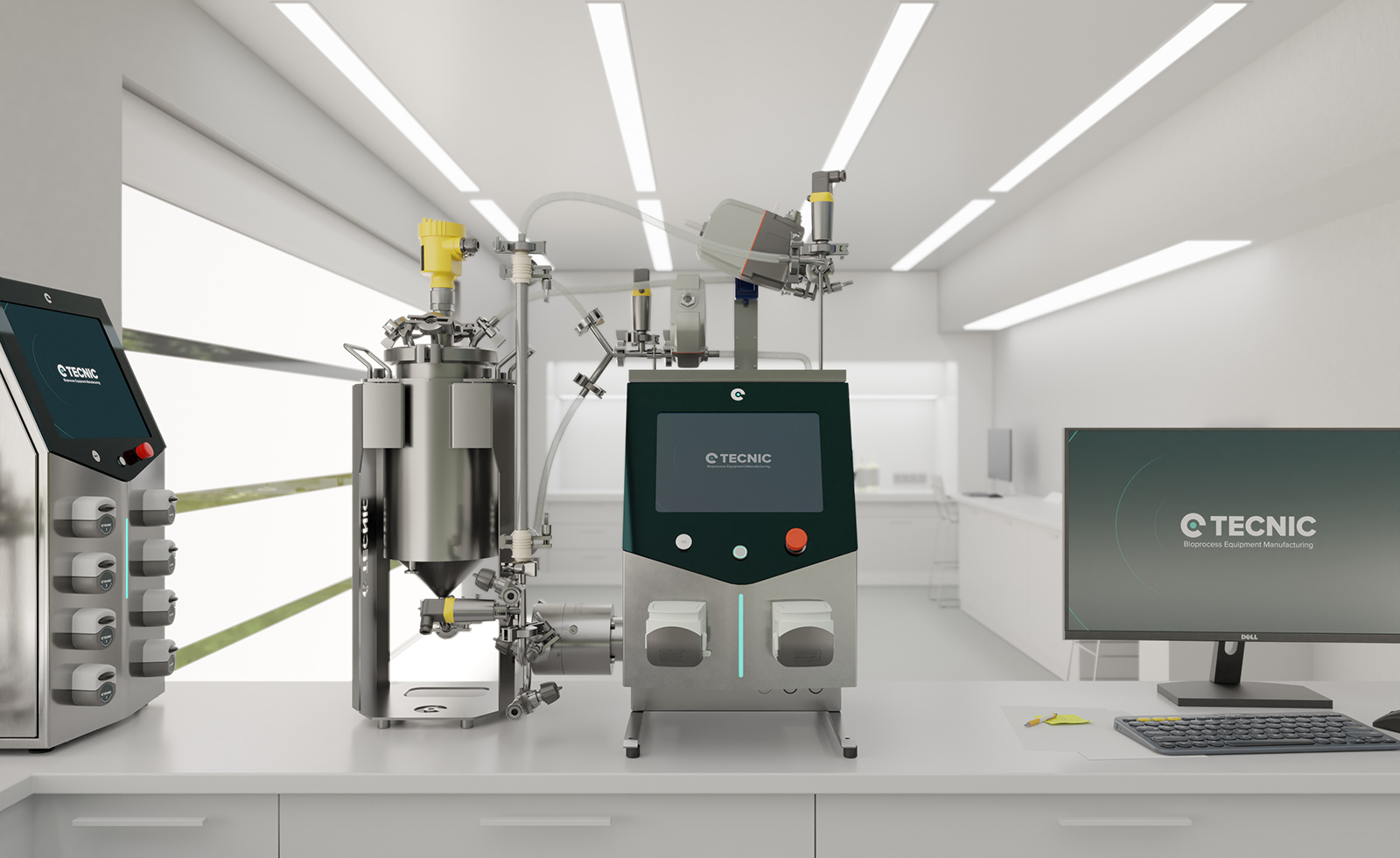
Double tube sheet exchangers fit especially well in regulated thermal circuits connected to vessels, bioreactors and sanitary process systems.
Software and control
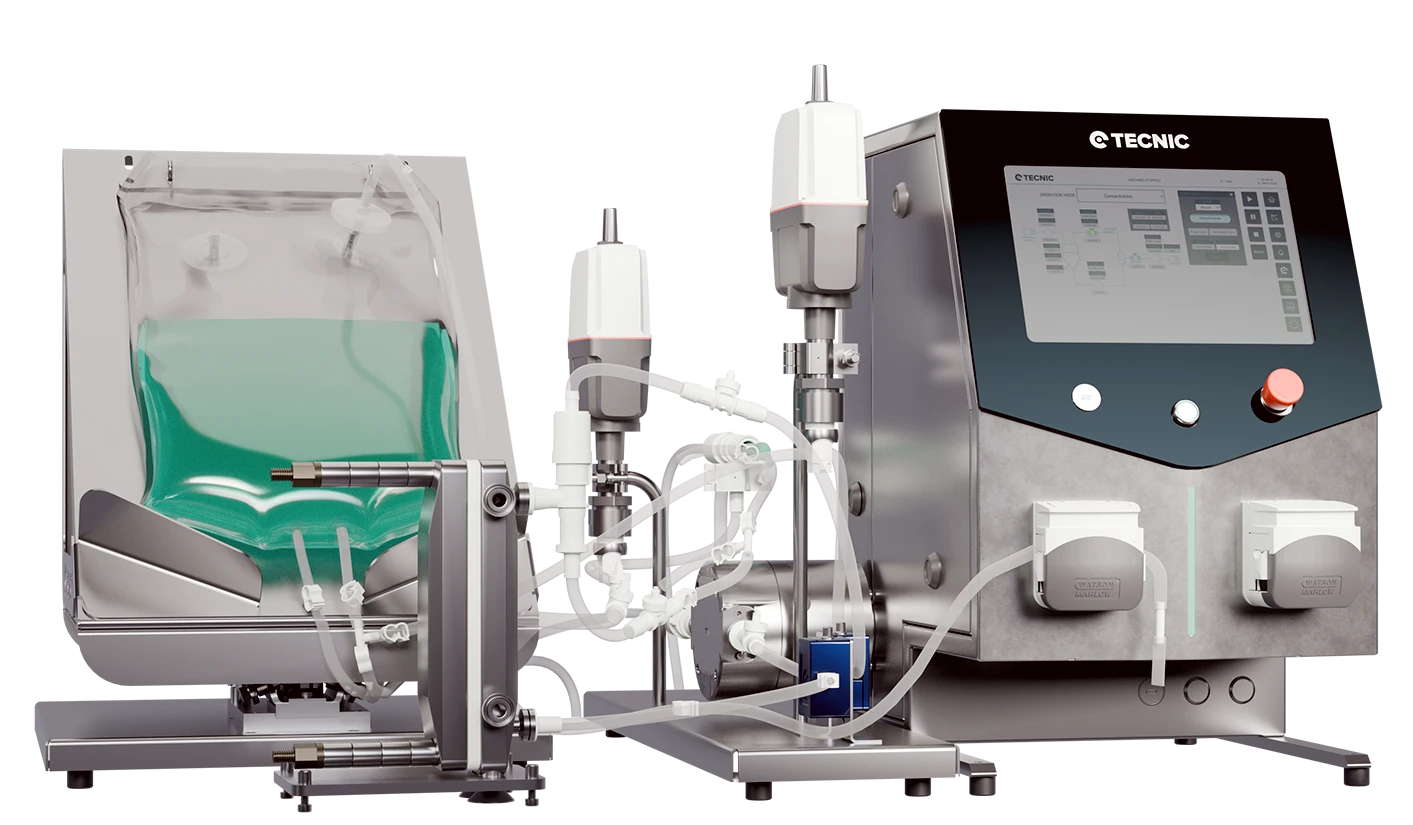
Thermal performance becomes more useful when it is linked to traceable, controlled and repeatable process operation.
Contact TECNIC
When a sanitary thermal application needs stronger protection against cross-contamination, direct technical discussion is more useful than a generic exchanger comparison.
This article works best when the DTS concept is framed as a sanitary engineering solution, not only as a thermal component.
Frequently asked questions
What is a double tube sheet heat exchanger?
It is a shell-and-tube heat exchanger that uses two separate tube sheets with an intermediate leakage-detection zone to improve fluid separation.
Why is a double tube sheet design used in biopharma?
Because it helps prevent hidden cross-contamination between product and utility fluids in critical sanitary processes.
Does a double tube sheet exchanger transfer heat differently from a standard shell-and-tube exchanger?
The heat-transfer principle is broadly the same, but the leak-management and sanitary-protection design are much stronger.
Where are double tube sheet exchangers commonly used?
They are commonly used in WFI systems, pure steam and distillation units, bioreactor thermal circuits, aseptic formulation and other high-purity process applications.
What is the main advantage of a double tube sheet exchanger?
Its main advantage is the extra protection it provides against undetected fluid crossover in critical processes.
Reviewing whether a double tube sheet exchanger fits your sanitary thermal process?
Explore TECNIC’s ePLUS® DTS or speak with our team to review the right thermal-control solution for critical bioprocess applications.