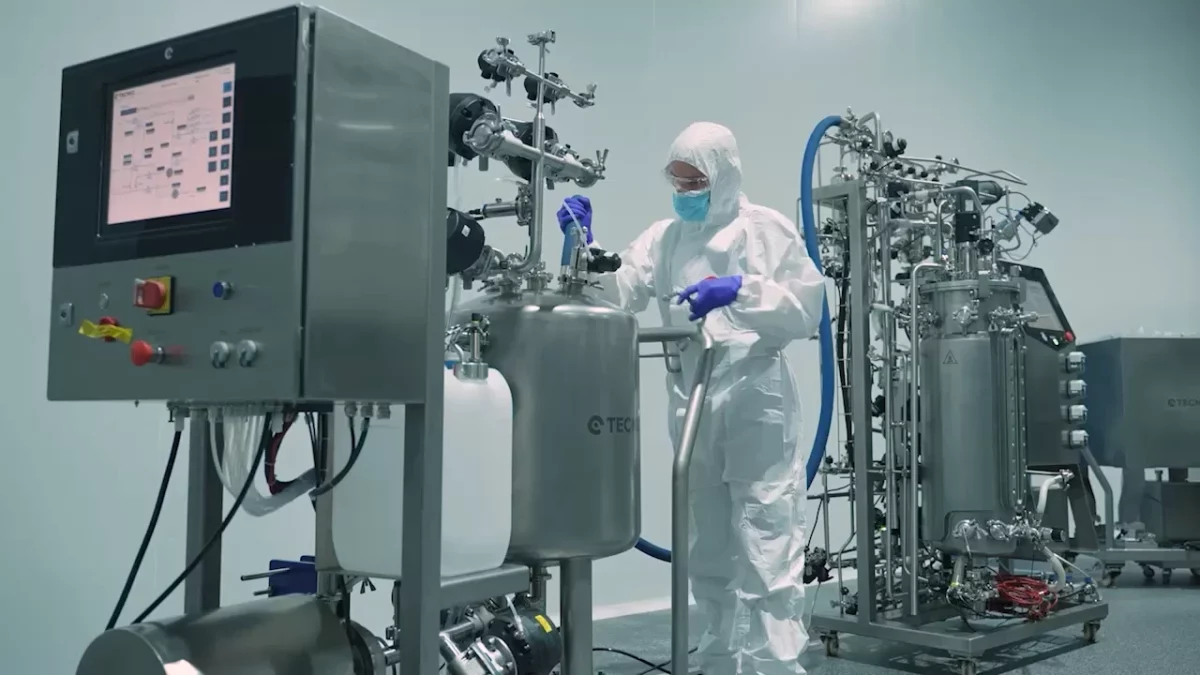

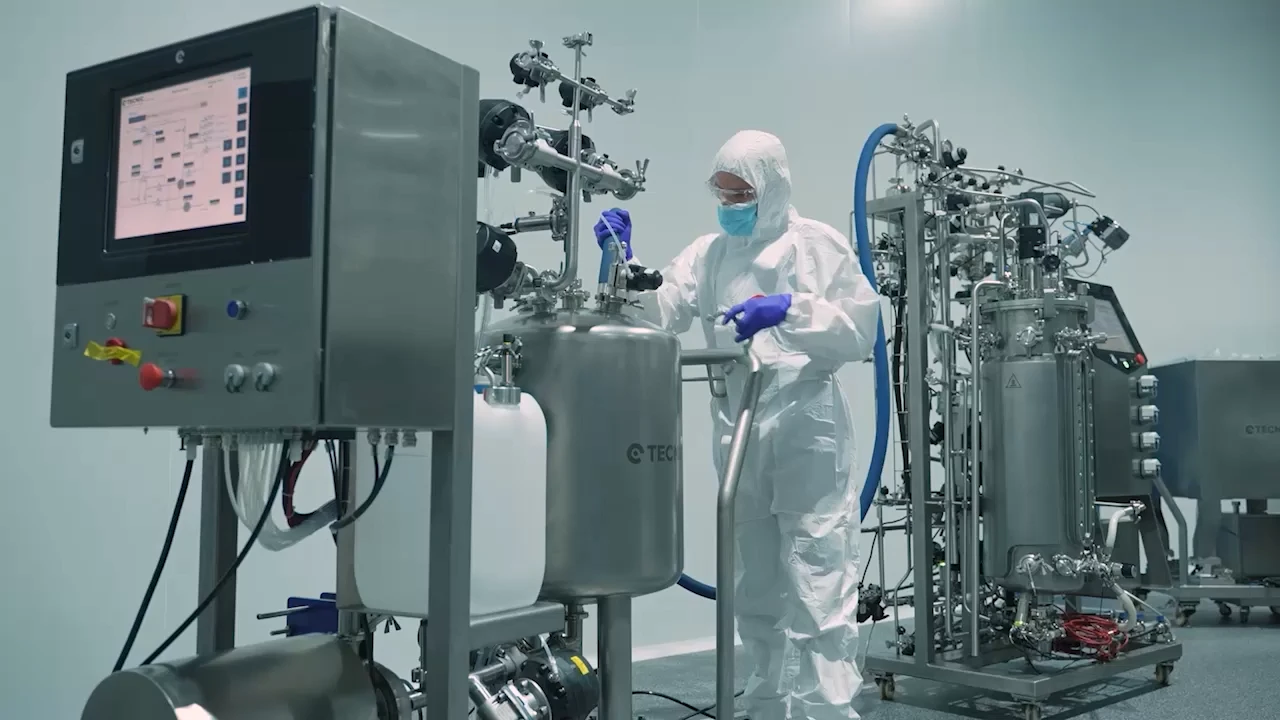
CIP and SIP systems are fundamental in biopharmaceutical production because they help ensure equipment is clean, sterile and ready for the next batch without full disassembly. In GMP environments, that is not only convenient, it is part of process reliability and product safety.
CIP, Cleaning In Place, focuses on automated internal cleaning. SIP, Sterilization In Place, focuses on sterilizing the same equipment with clean steam at controlled temperature and pressure. Together, they reduce downtime, improve reproducibility and help prevent cross-contamination.
CIP removes residues, SIP ensures asepsis. When both are integrated properly, they become one of the strongest foundations of sterile and repeatable GMP operation.
What is a CIP system?
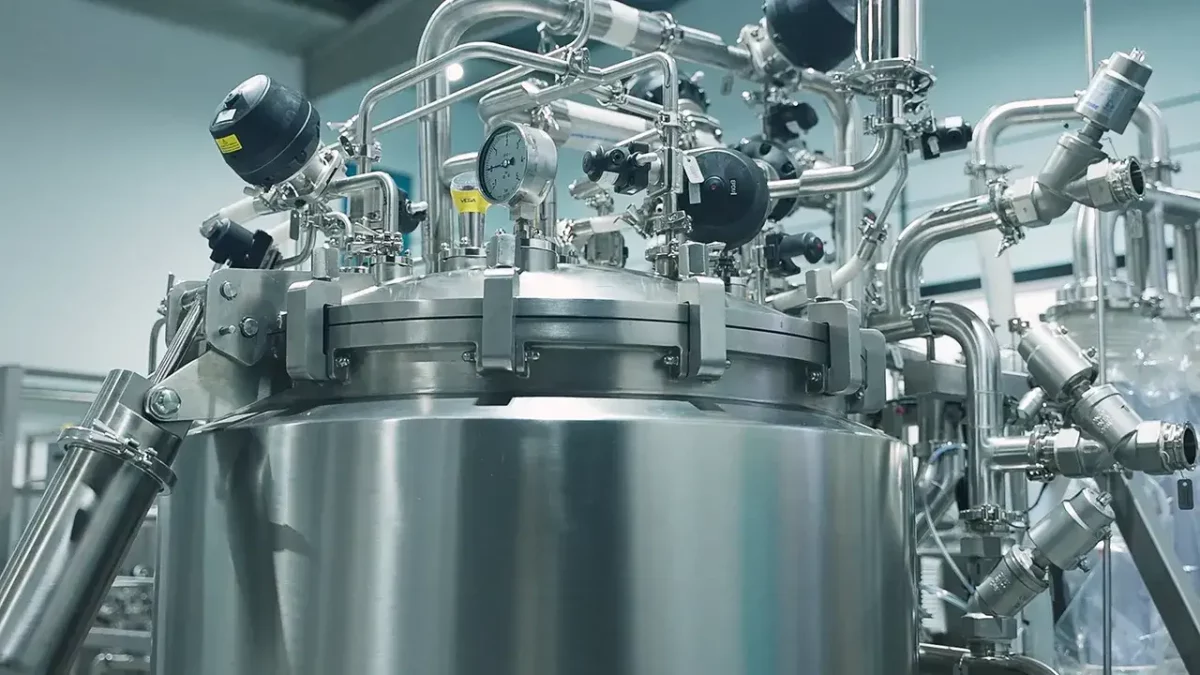
A CIP system, Cleaning In Place, is used to clean the internal surfaces of process equipment without taking the system apart. In bioprocessing, this usually means tanks, piping, heat exchangers, manifolds, sensors and other product-contact parts.
A typical CIP cycle includes a pre-rinse, detergent application, controlled circulation, intermediate rinses and a final rinse with purified water or WFI depending on the required standard. The goal is to remove residues consistently and validate that cleaning is effective under defined conditions.
Helps standardize internal cleaning without disassembling the whole process equipment.
Shortens turnaround between batches compared with more manual cleaning approaches.
Supports repeatable cleaning performance through controlled recipes and monitored parameters.
What is a SIP system?
A SIP system, Sterilization In Place, is used to sterilize process equipment by applying clean steam at controlled conditions, typically at or above 121 °C for a defined period. Its job is to eliminate viable microorganisms and establish aseptic readiness before production.
SIP is especially important in sterile and high-value biopharmaceutical environments where microbial contamination cannot be tolerated. It depends on good steam distribution, condensate control, thermal uniformity and full traceability of the cycle.
CIP makes the system clean. SIP makes the clean system sterile and ready for aseptic operation.
Main difference between CIP and SIP
The clearest difference is their purpose. CIP is designed to remove residues and contamination from previous use. SIP is designed to sterilize the cleaned system before the next batch.
CIP
Focused on cleaning, residue removal, detergent circulation and validated wash performance.
SIP
Focused on sterilization, steam exposure, microbial elimination and aseptic readiness.
A system can be cleaned without being sterile, but in sterile GMP production it cannot be considered ready until both needs are covered.
Why CIP and SIP matter in GMP environments
In GMP production, reproducibility and traceability are just as important as the physical action of cleaning or sterilizing. CIP and SIP systems matter because they help reduce human error, standardize preparation between batches and support compliance with quality expectations.
They are especially valuable in multiproduct or sensitive processes where changeover time, contamination prevention and full cycle documentation all have direct operational consequences.

Main design and validation needs
A CIP or SIP system only creates value when the design supports complete coverage, full drainage, reliable parameter control and documented validation.
In GMP environments, a CIP or SIP system is not judged only by what it does, but by how consistently and traceably it proves it.
How TECNIC fits this workflow
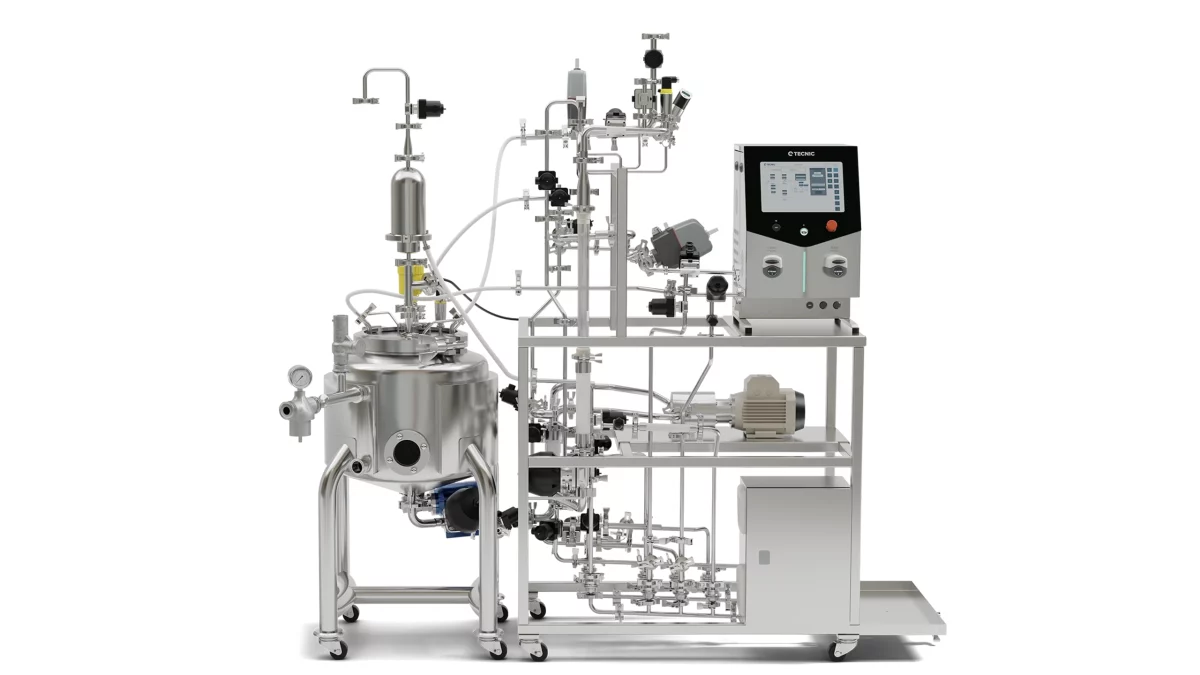
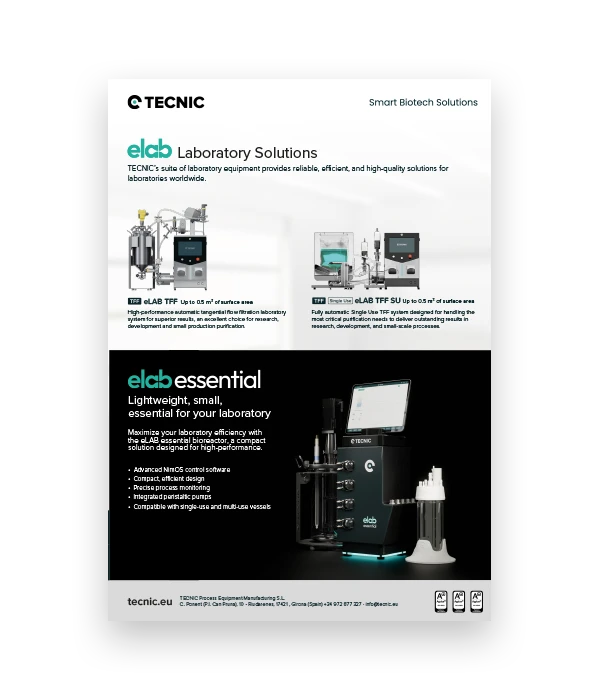
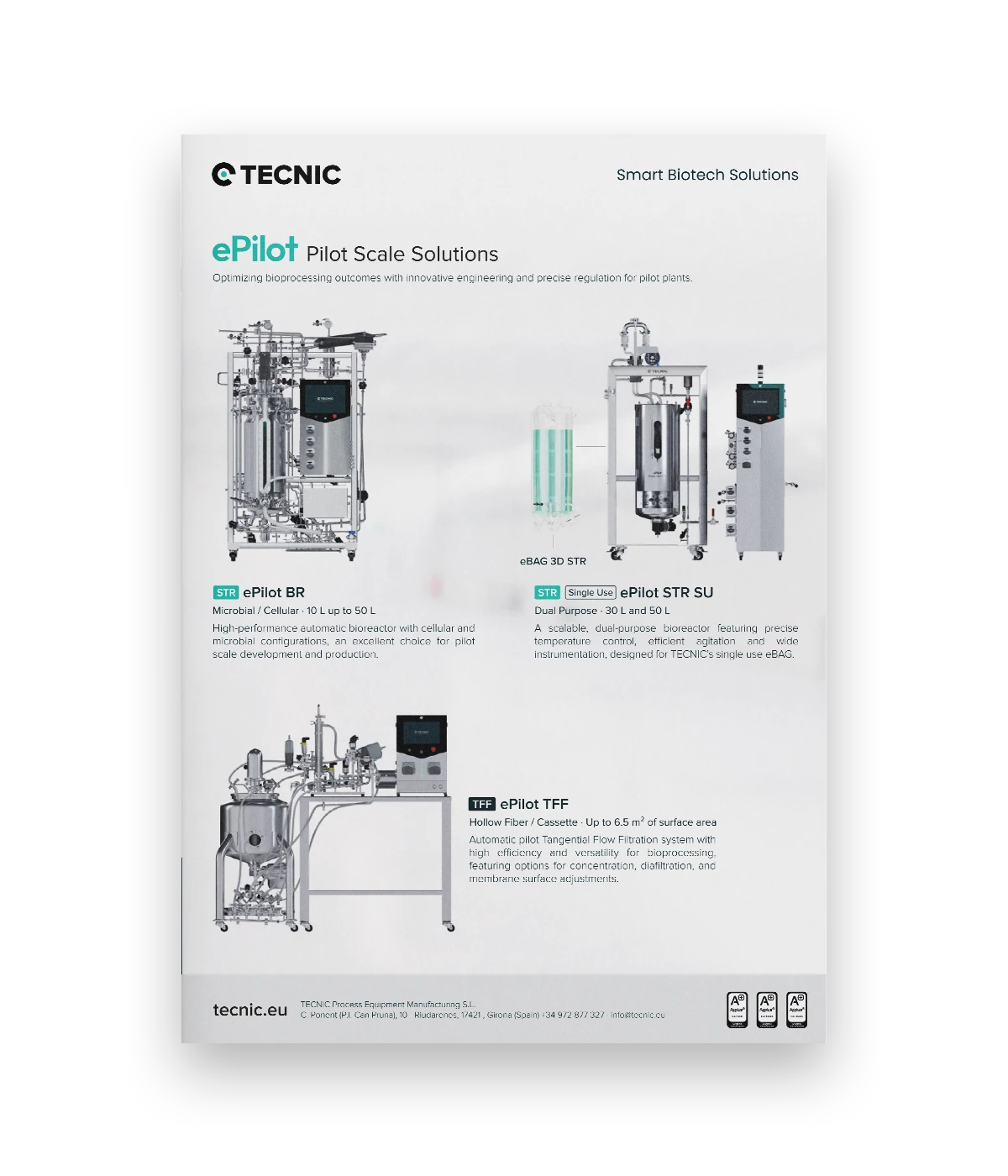
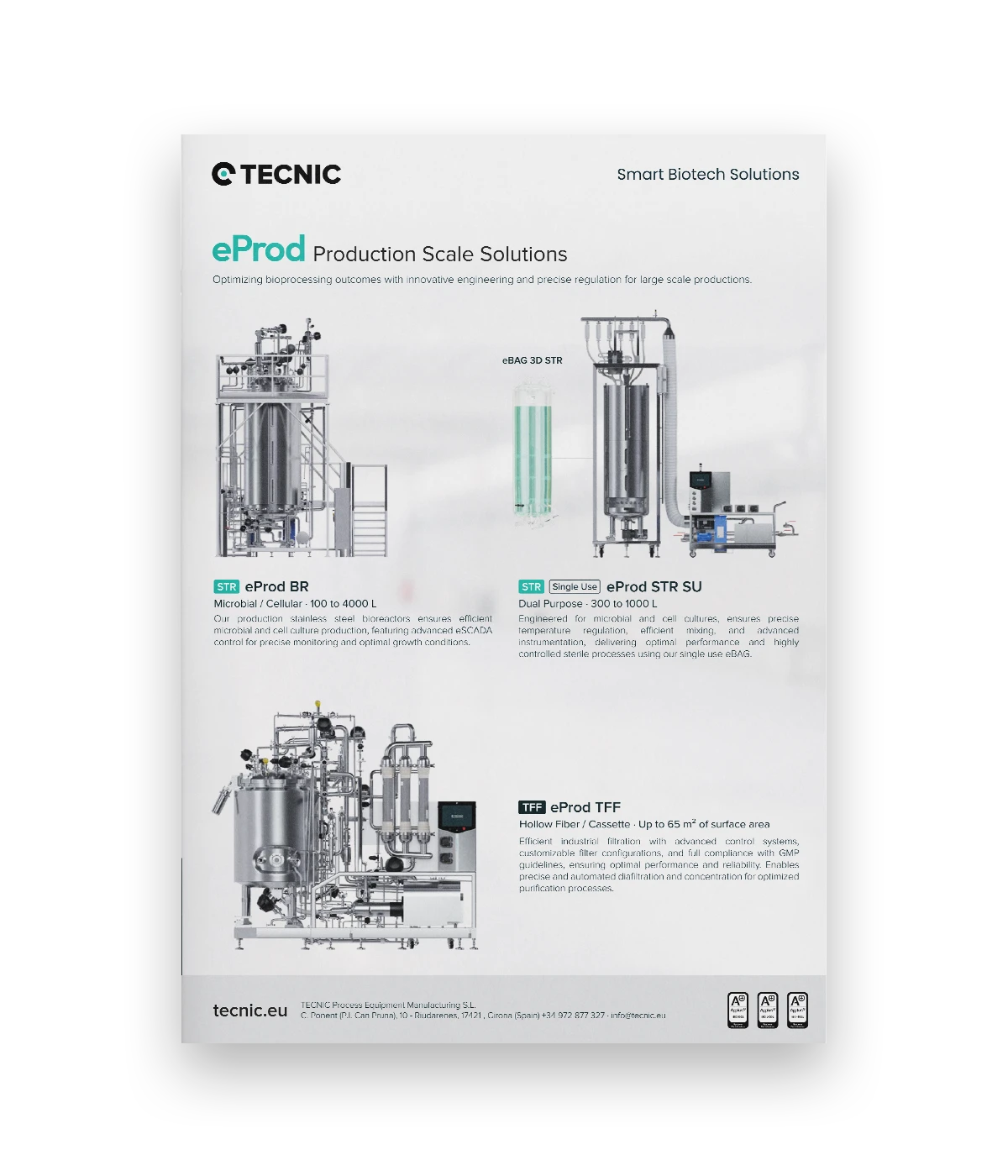
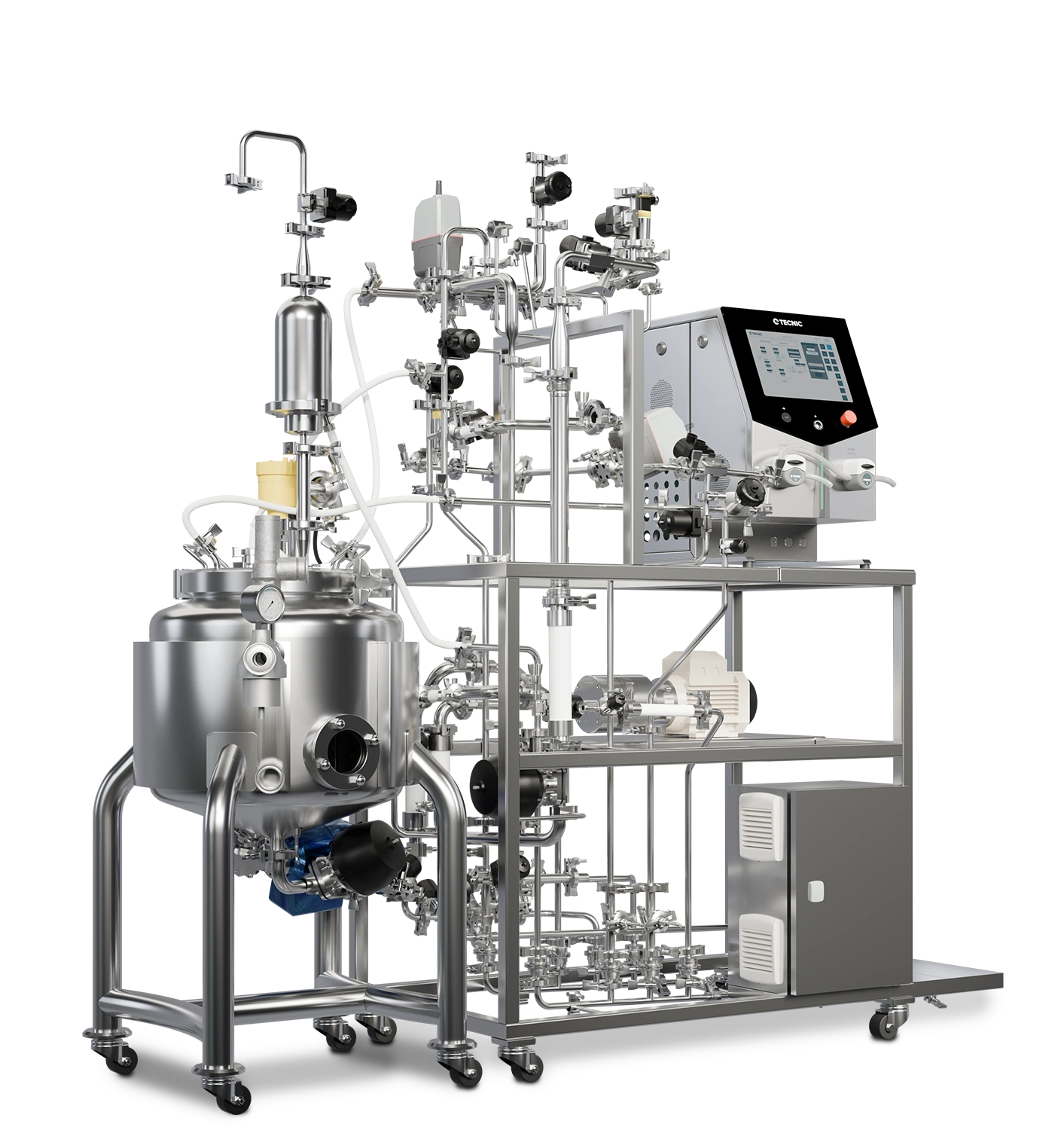
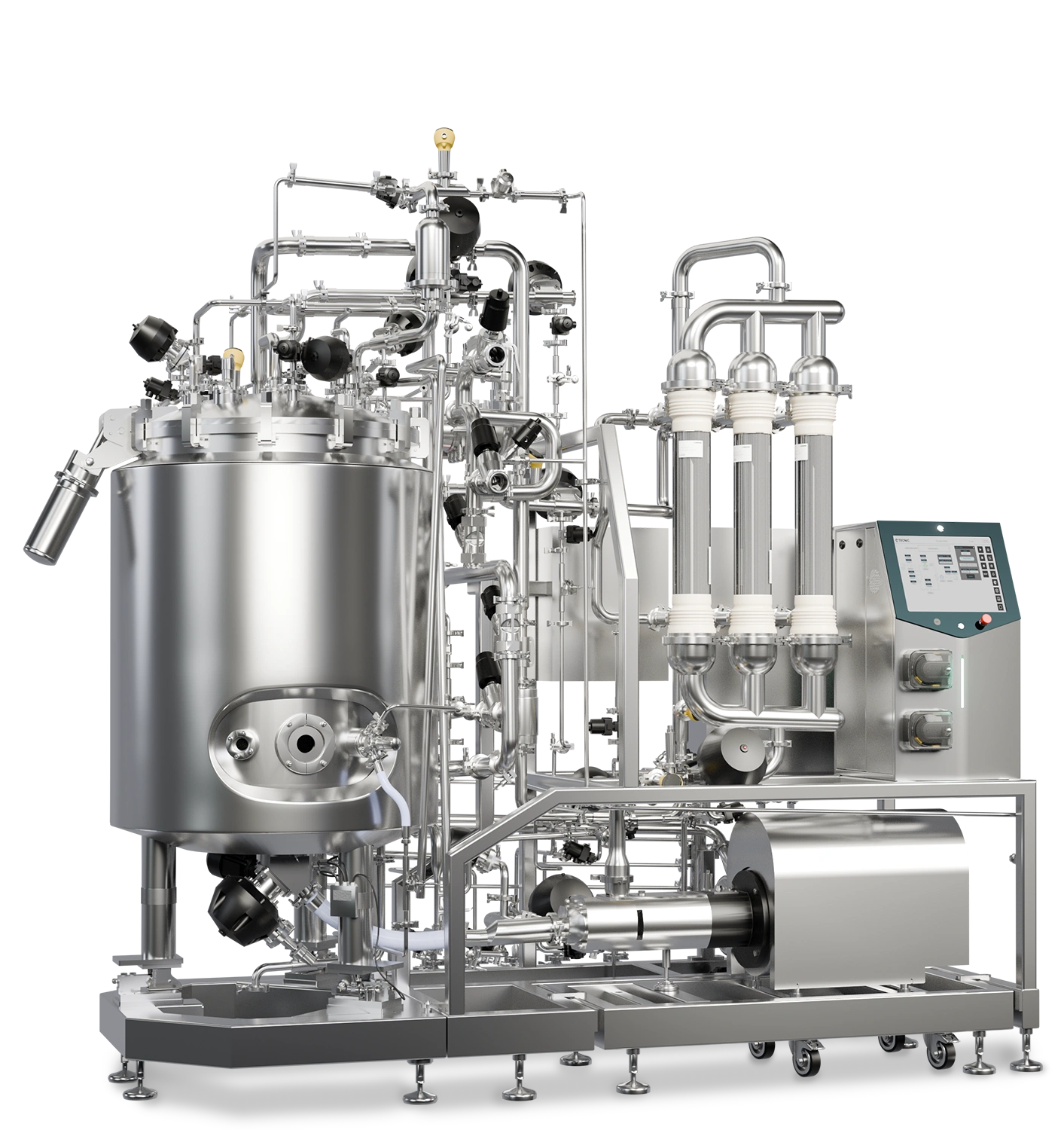
TECNIC fits naturally into this topic because CIP and SIP are tightly linked to controlled bioprocess equipment, automation and plant integration. In practice, these systems are part of how sterile, repeatable and efficient production environments are built.
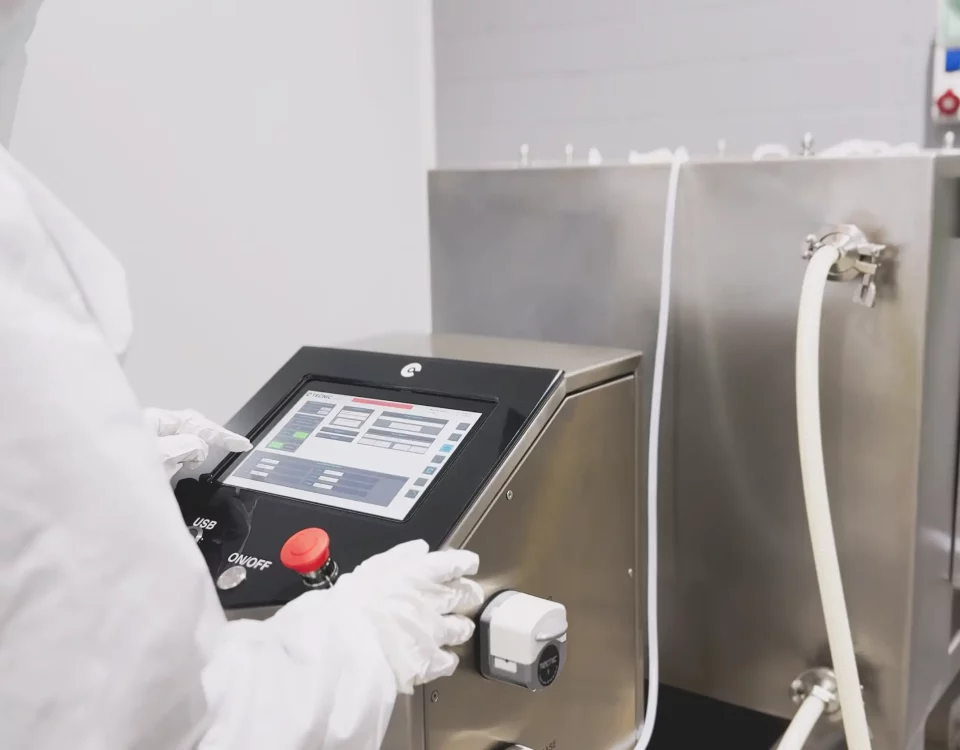
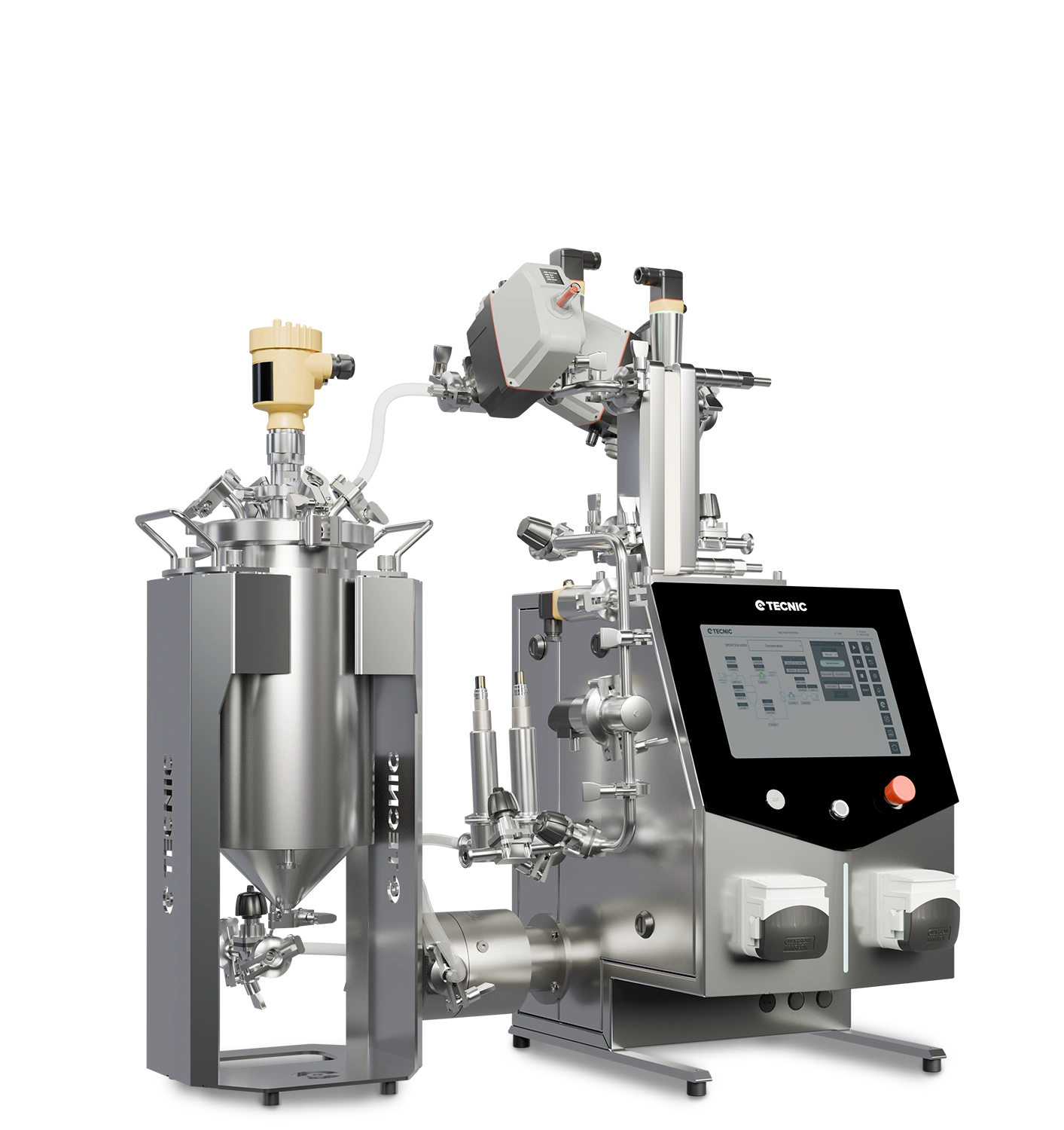
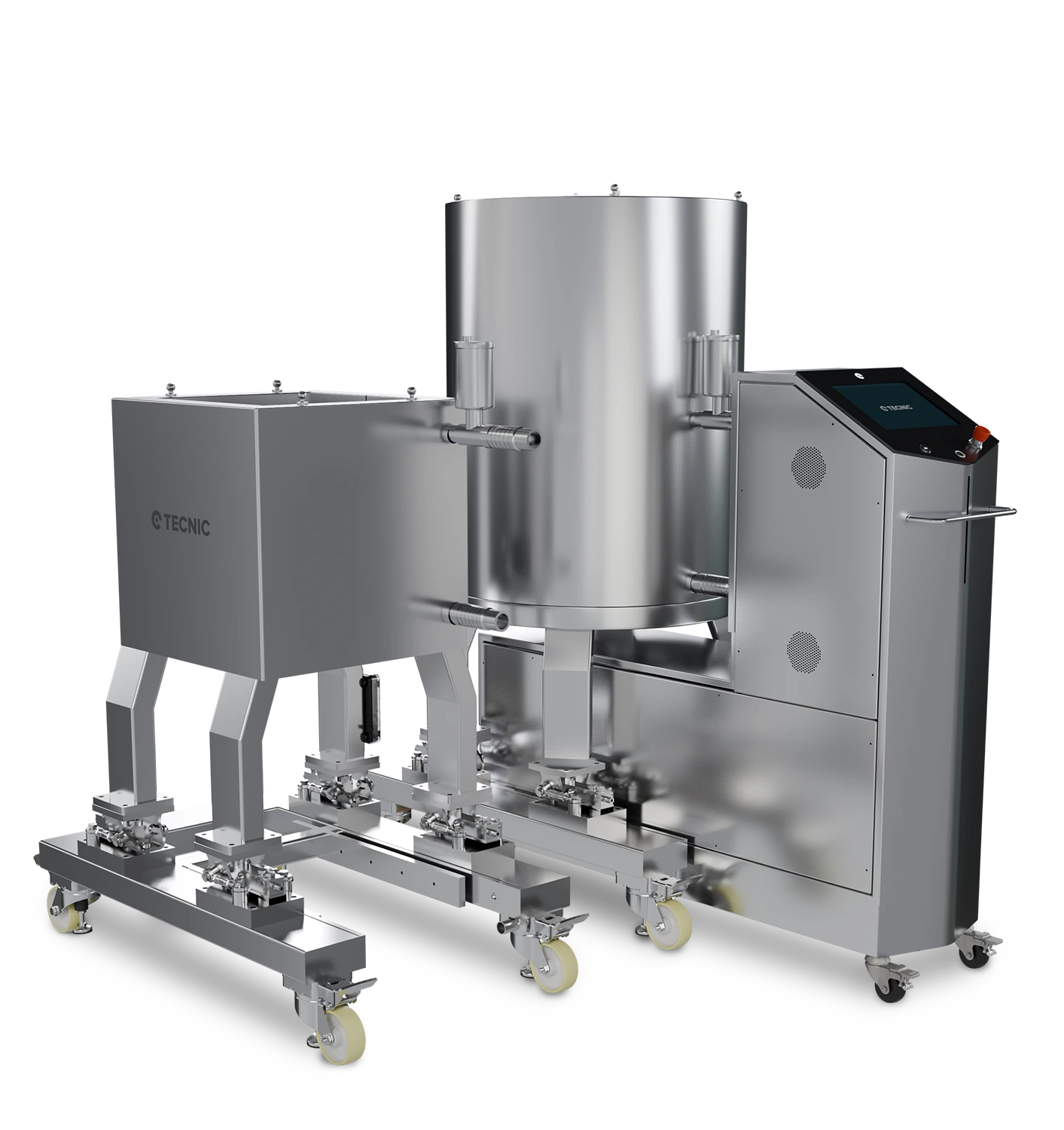
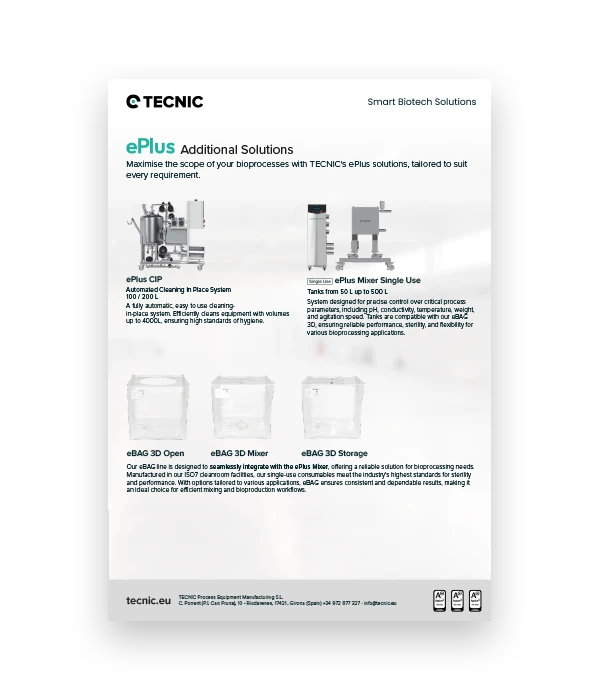
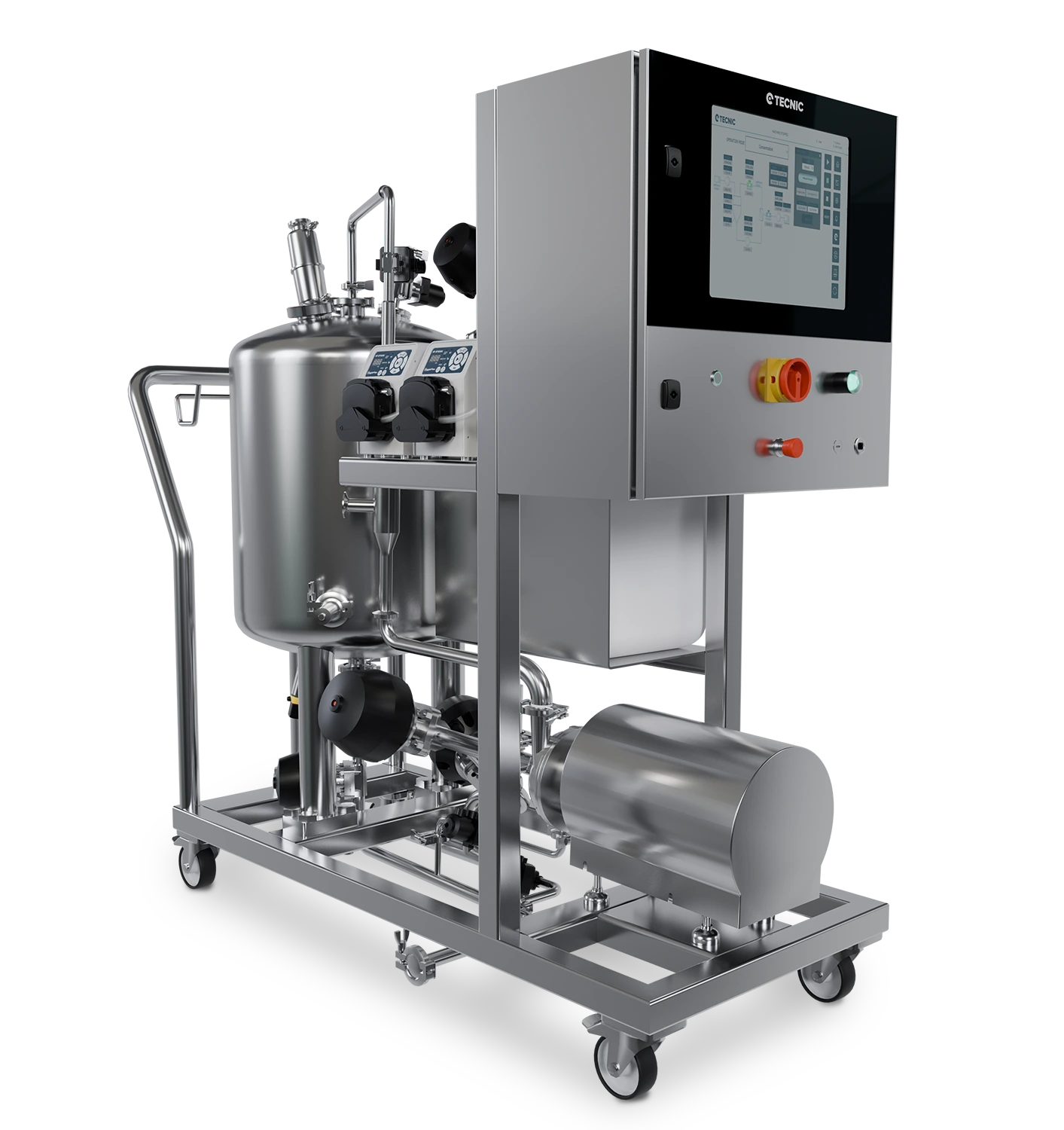
ePlus CIP
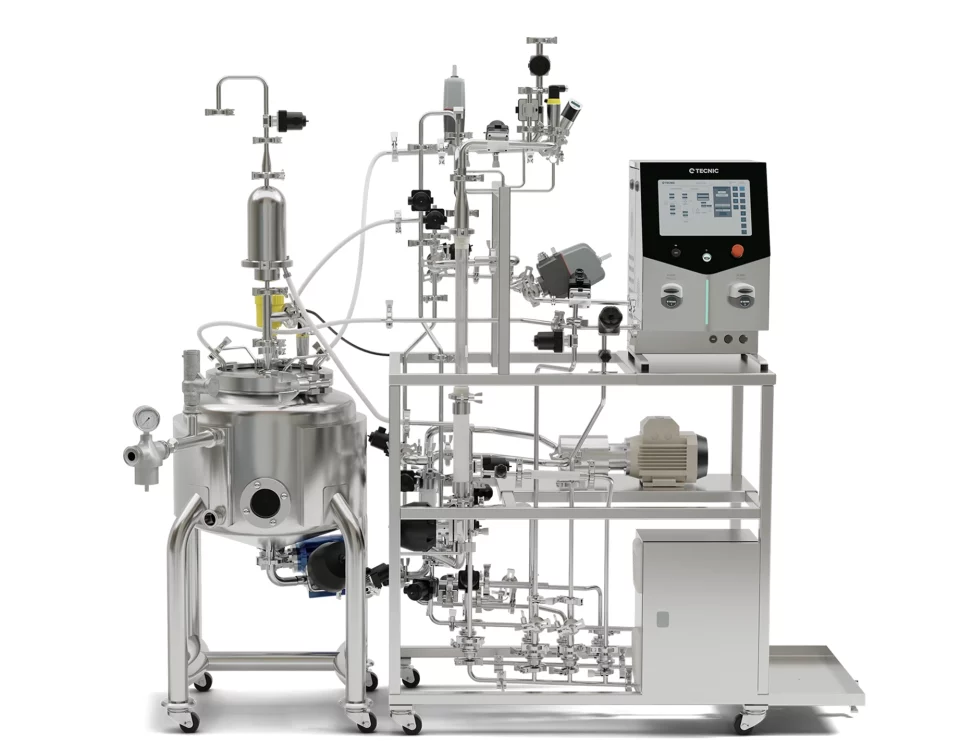
The most direct bridge from the topic to TECNIC’s portfolio, especially for plants that need validated and integrated cleaning workflows.
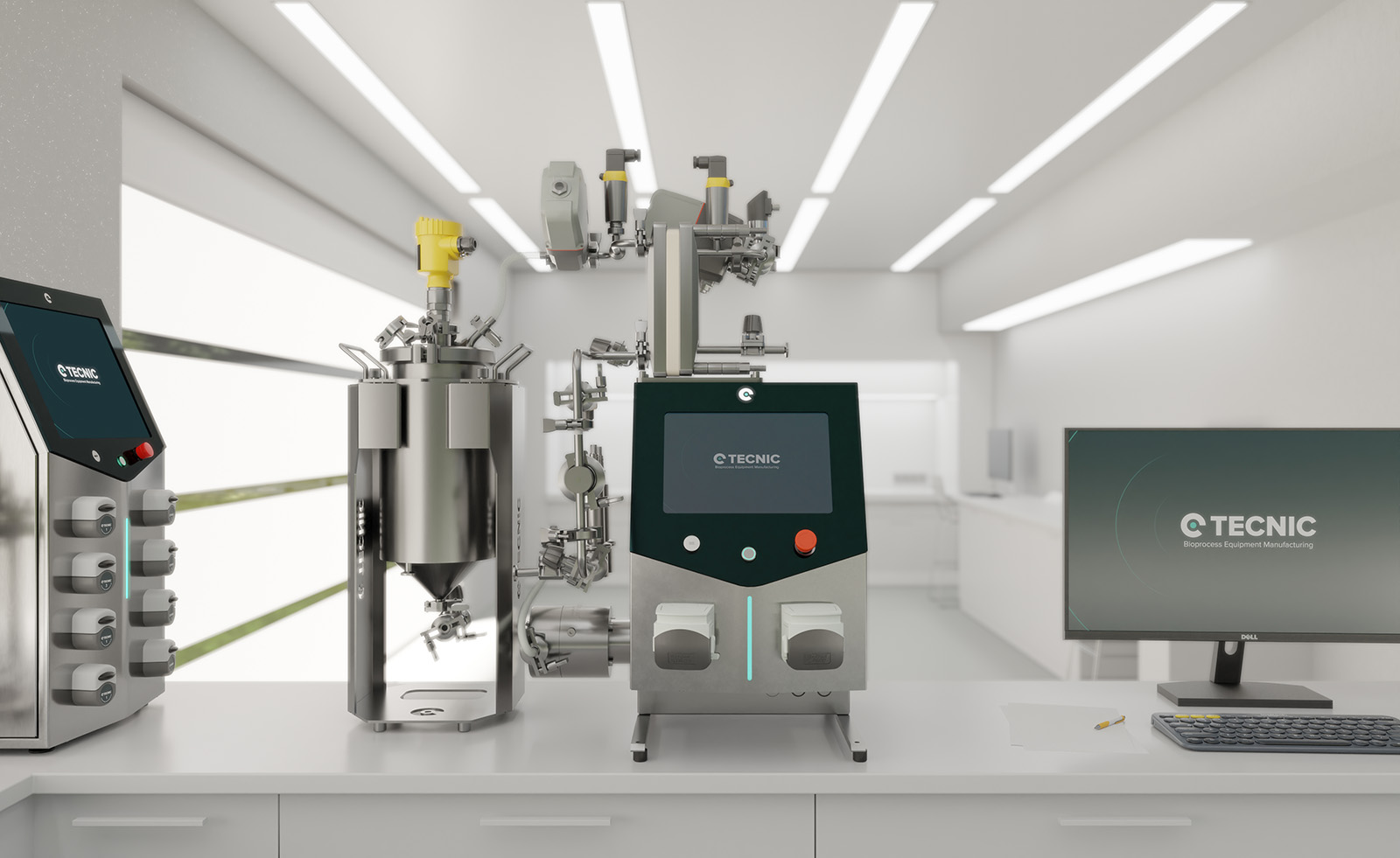
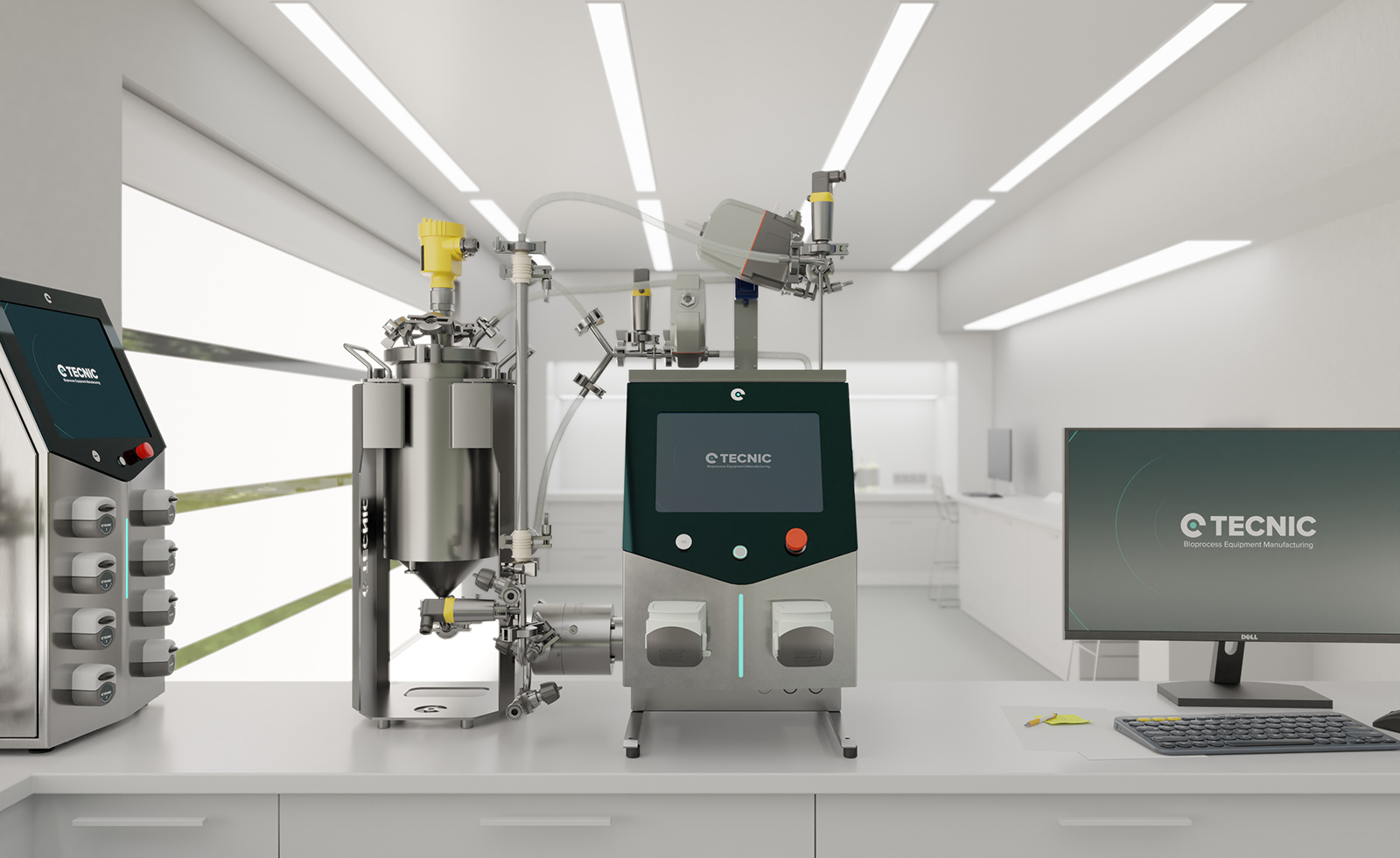
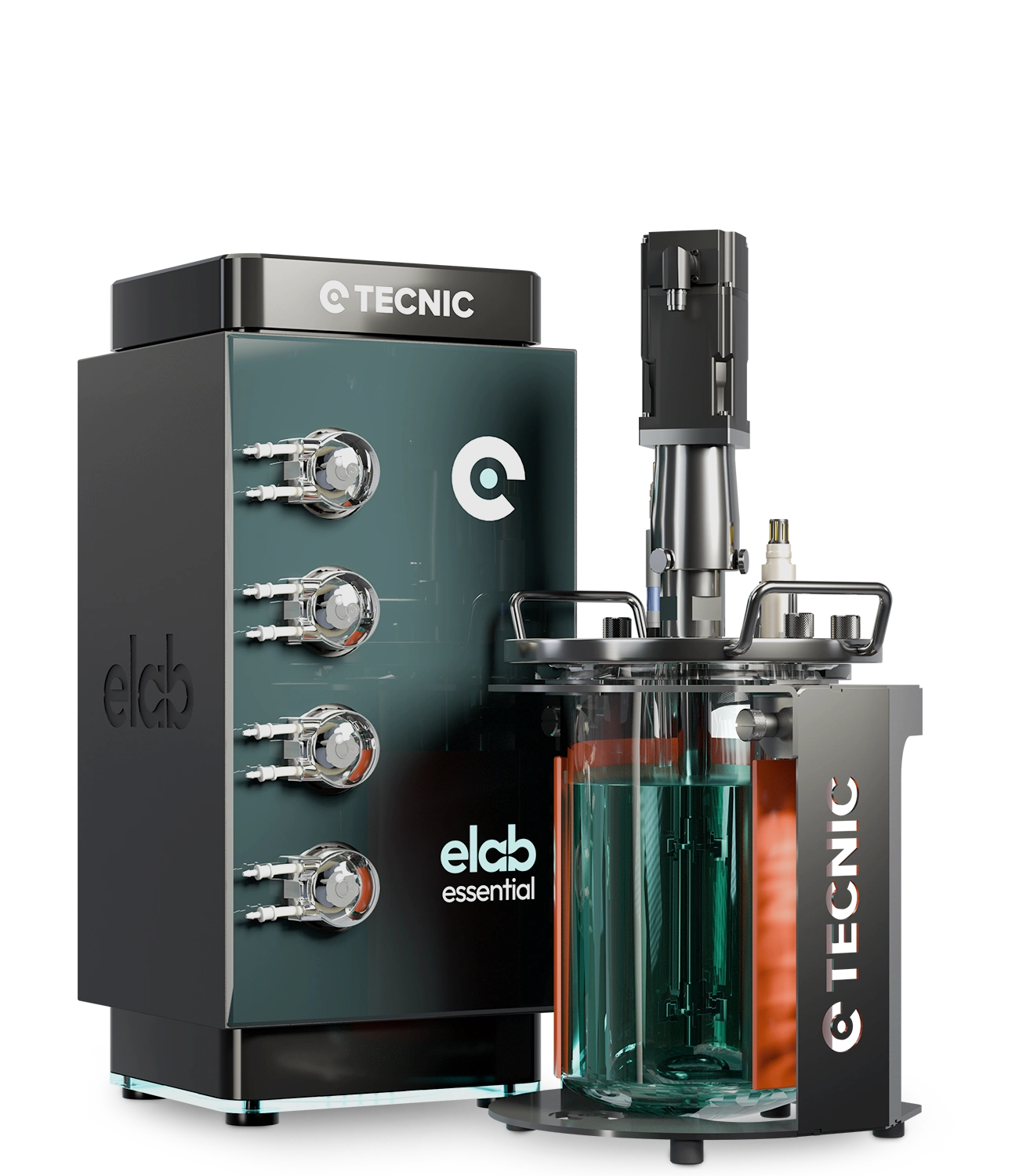
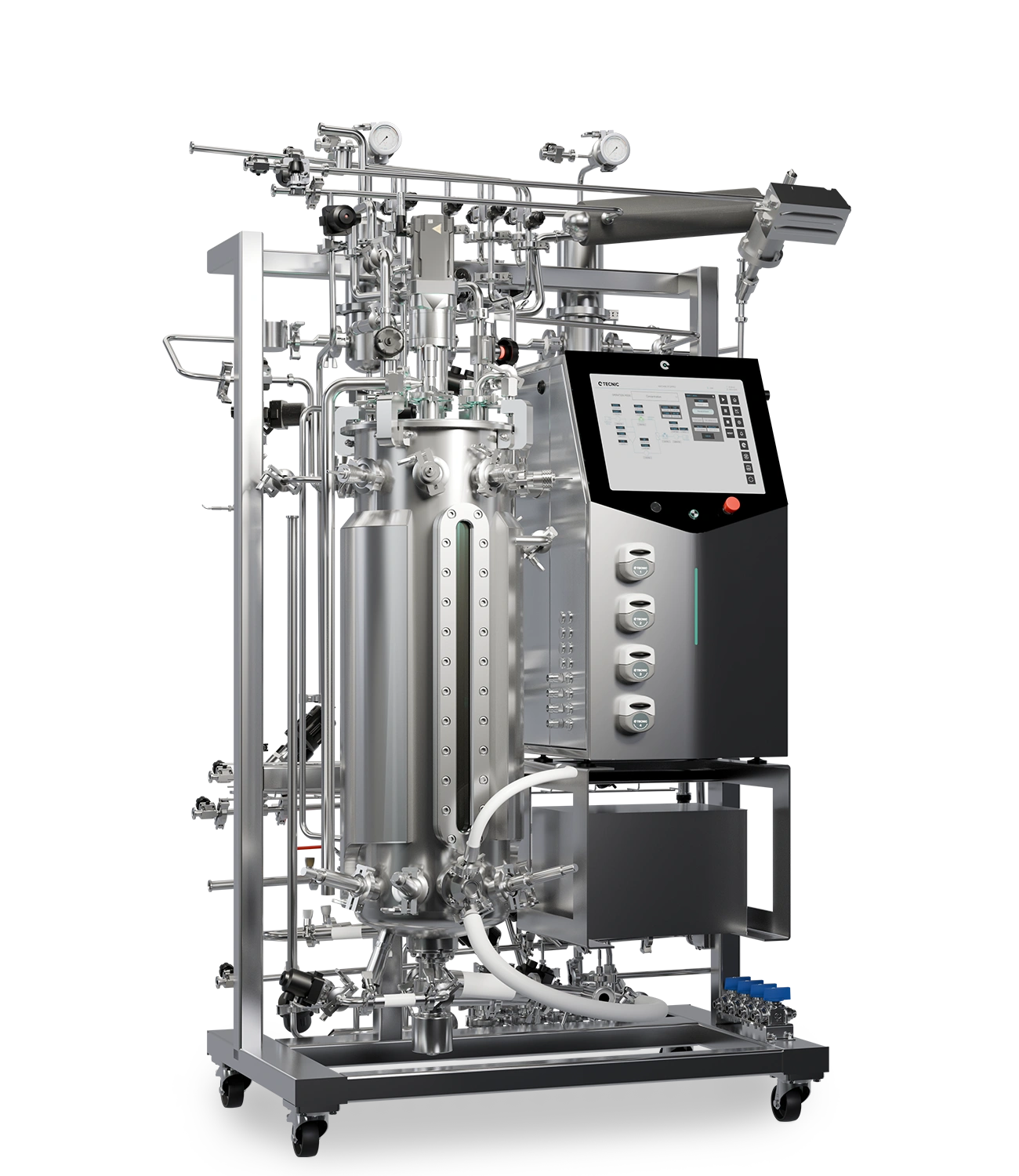
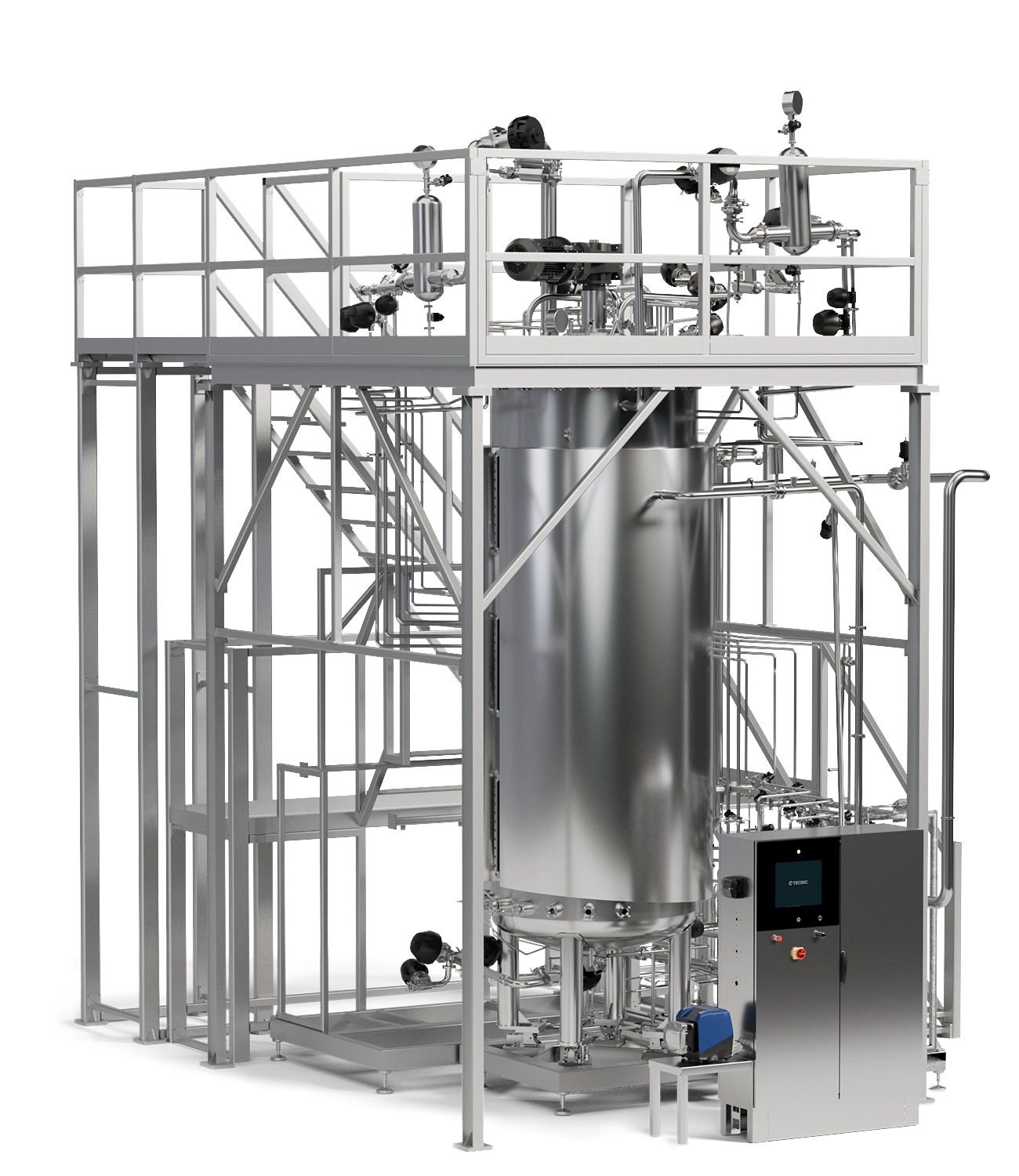
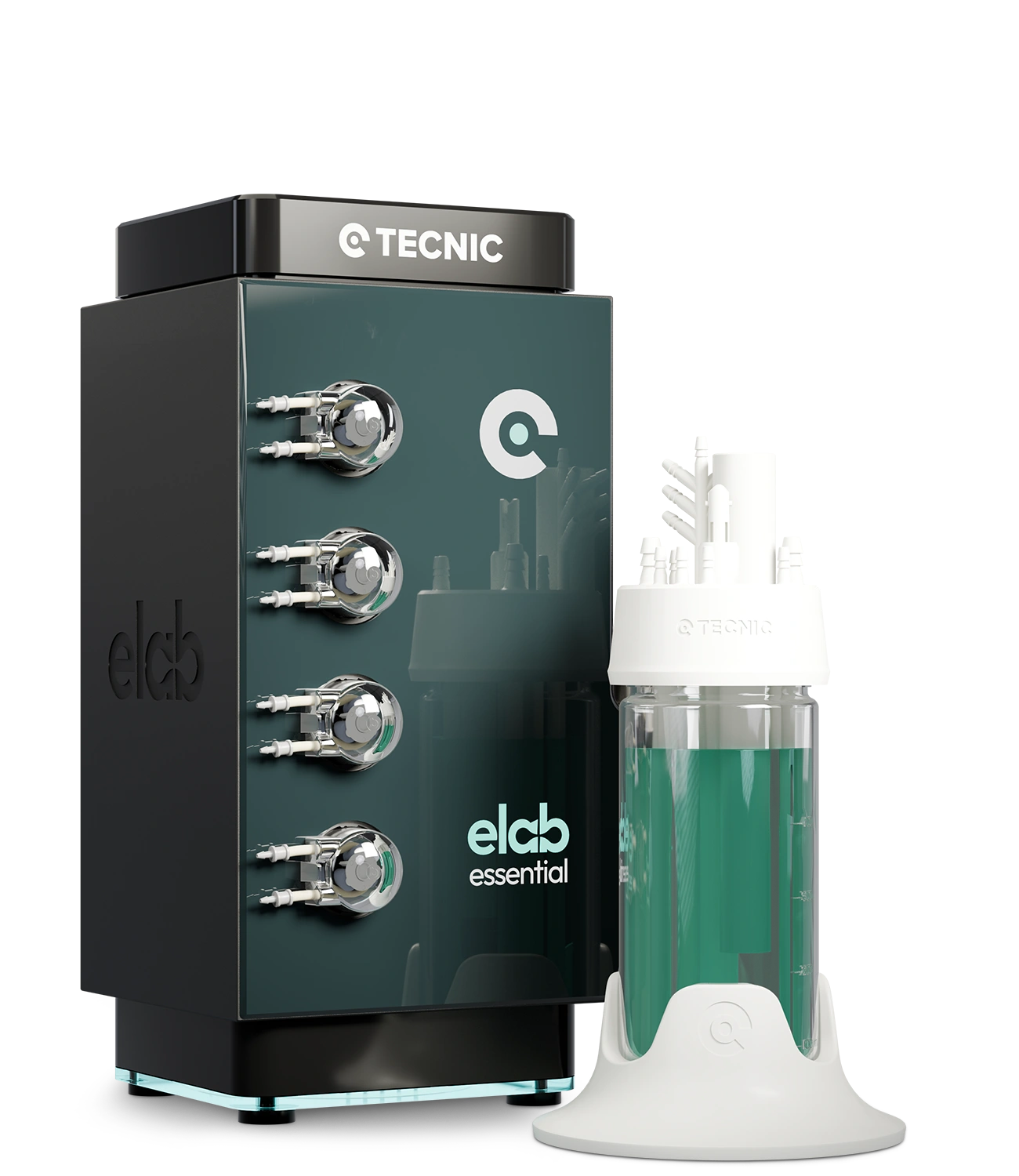
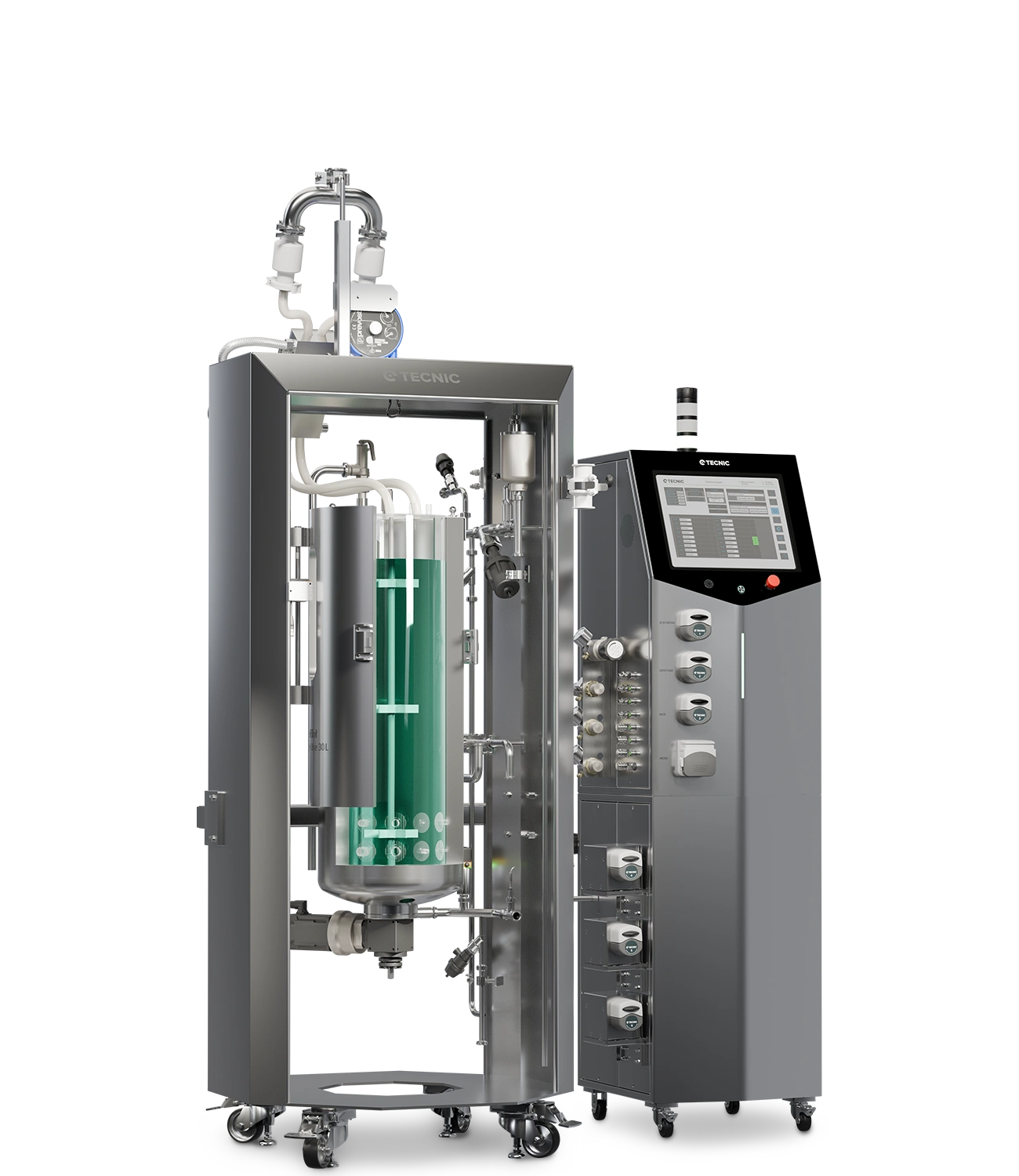
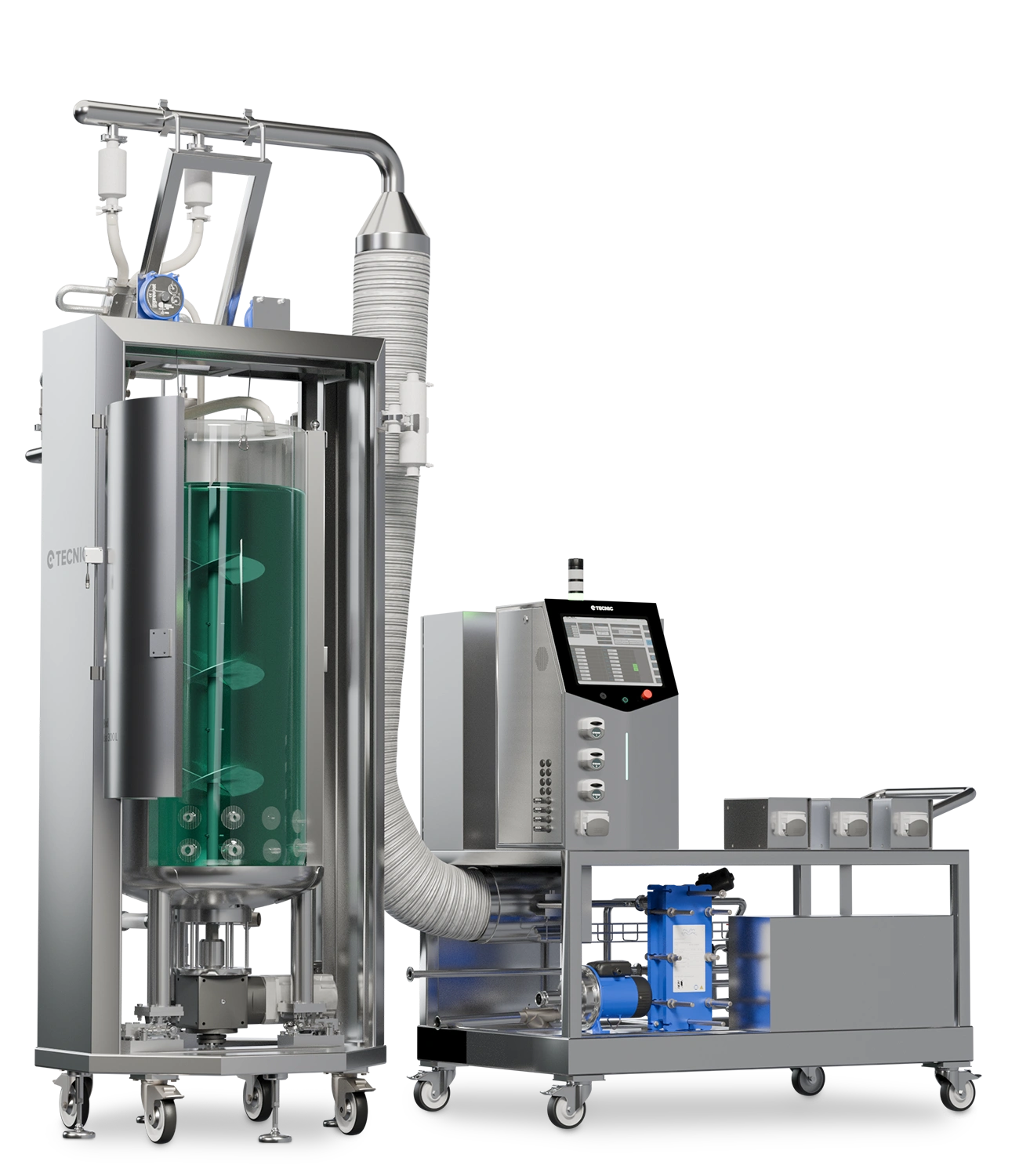
Bioreactors and process equipment
CIP and SIP only make full sense when seen as part of the broader equipment environment they prepare and protect.
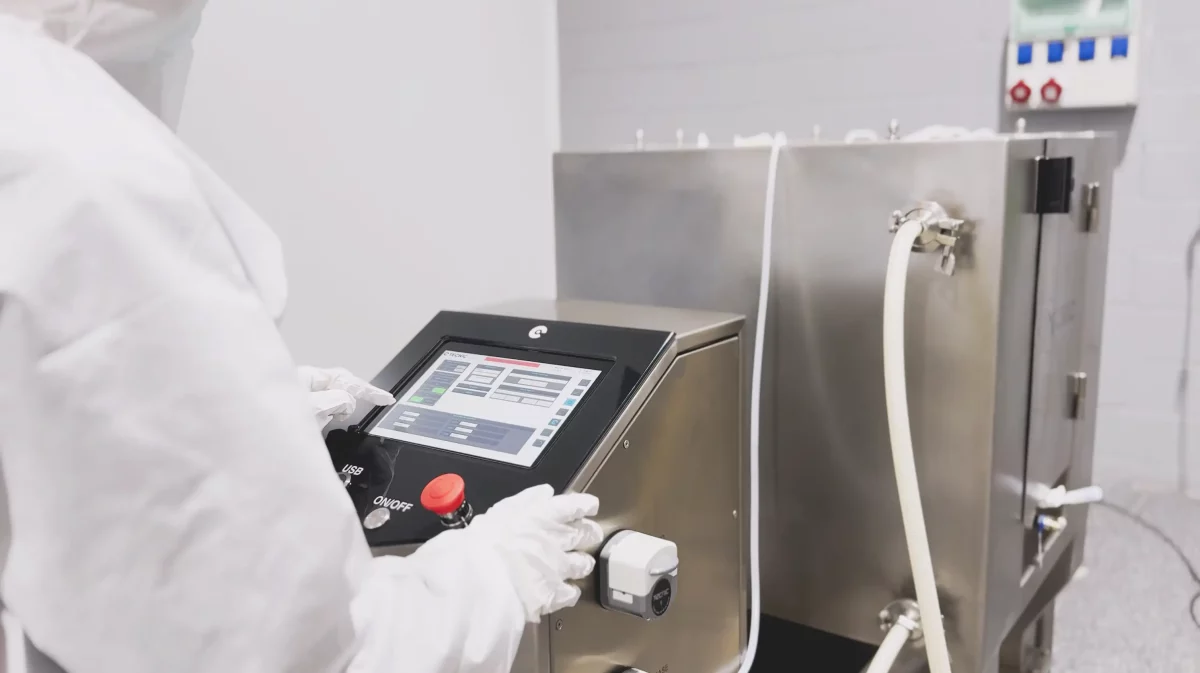
Automation and control context
Clean and sterile operation depends heavily on automation, recipe execution and reliable monitoring.
Contact TECNIC
CIP and SIP decisions are usually process-specific, so a technical discussion is often more useful than a generic comparison.
This article works best when CIP and SIP are presented as part of the full GMP equipment strategy, not only as utility add-ons.
Frequently asked questions
What is a CIP system?
It is a Cleaning In Place system used to clean the internal surfaces of process equipment without disassembly.
What is a SIP system?
It is a Sterilization In Place system that uses clean steam to sterilize process equipment before the next batch.
What is the difference between CIP and SIP?
CIP removes residues and cleans the system, while SIP sterilizes the cleaned system to ensure aseptic readiness.
Why are CIP and SIP important in GMP?
Because they help reduce contamination risk, standardize preparation between batches and support traceable, validated operation.
Which equipment can be cleaned or sterilized with CIP and SIP?
Typical examples include tanks, piping, manifolds, heat exchangers, sensors and other product-contact surfaces.
Reviewing how CIP and SIP fit your GMP process strategy?
Explore TECNIC’s CIP solutions or speak with our team to review the right approach for cleaning, sterilization and controlled plant readiness.