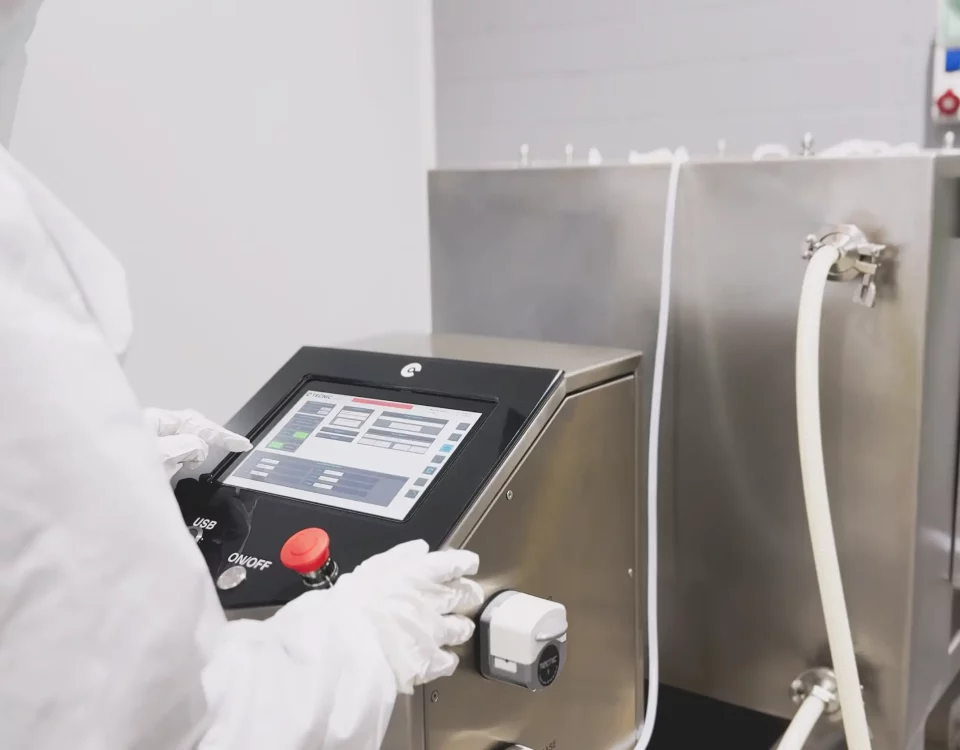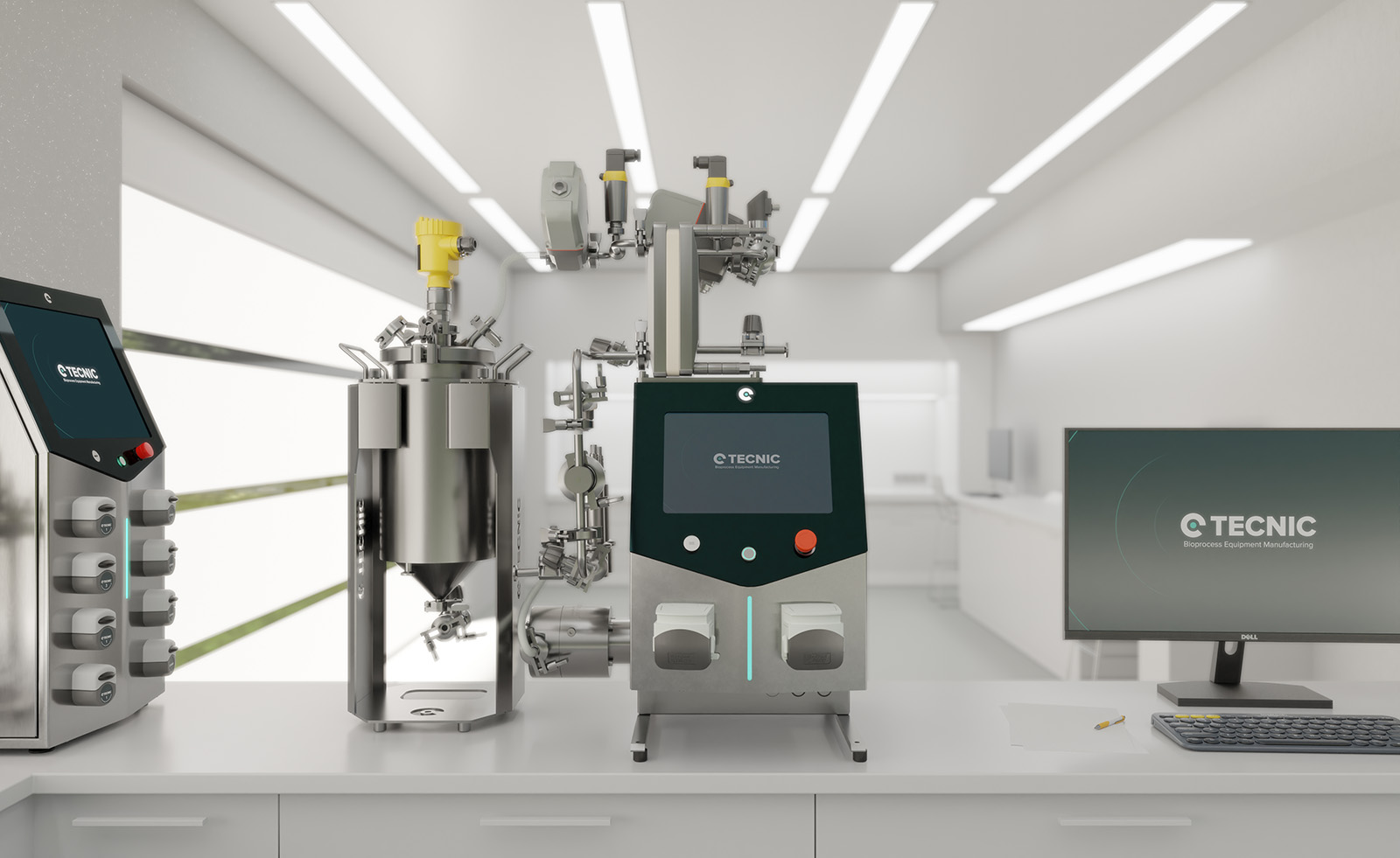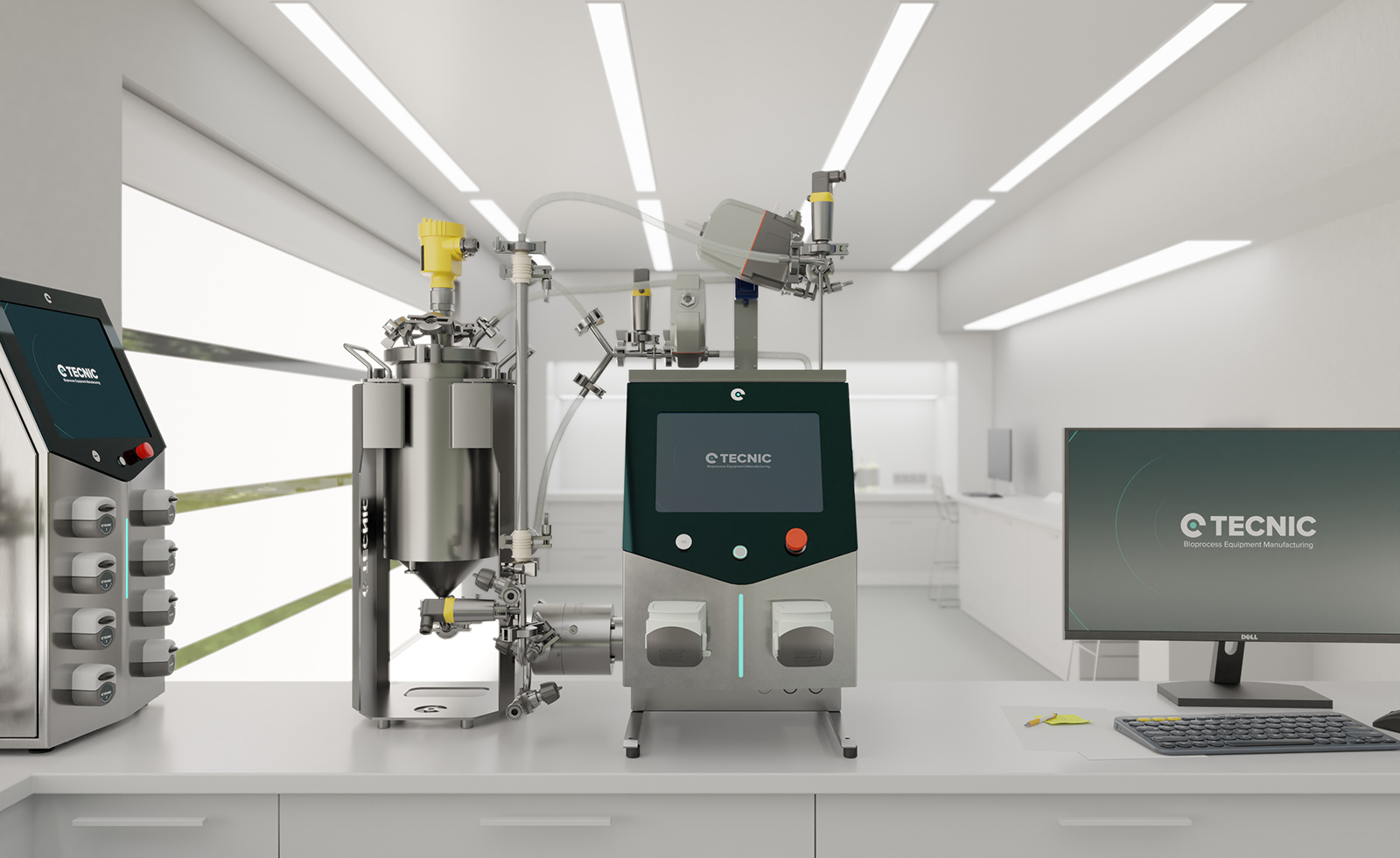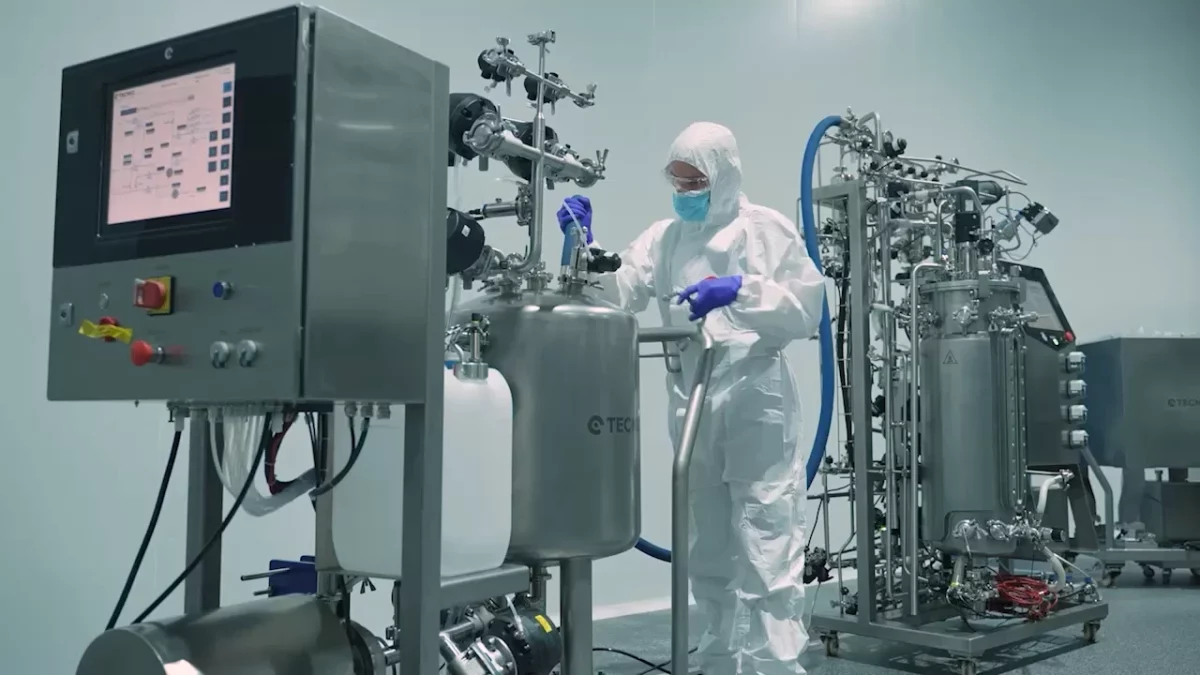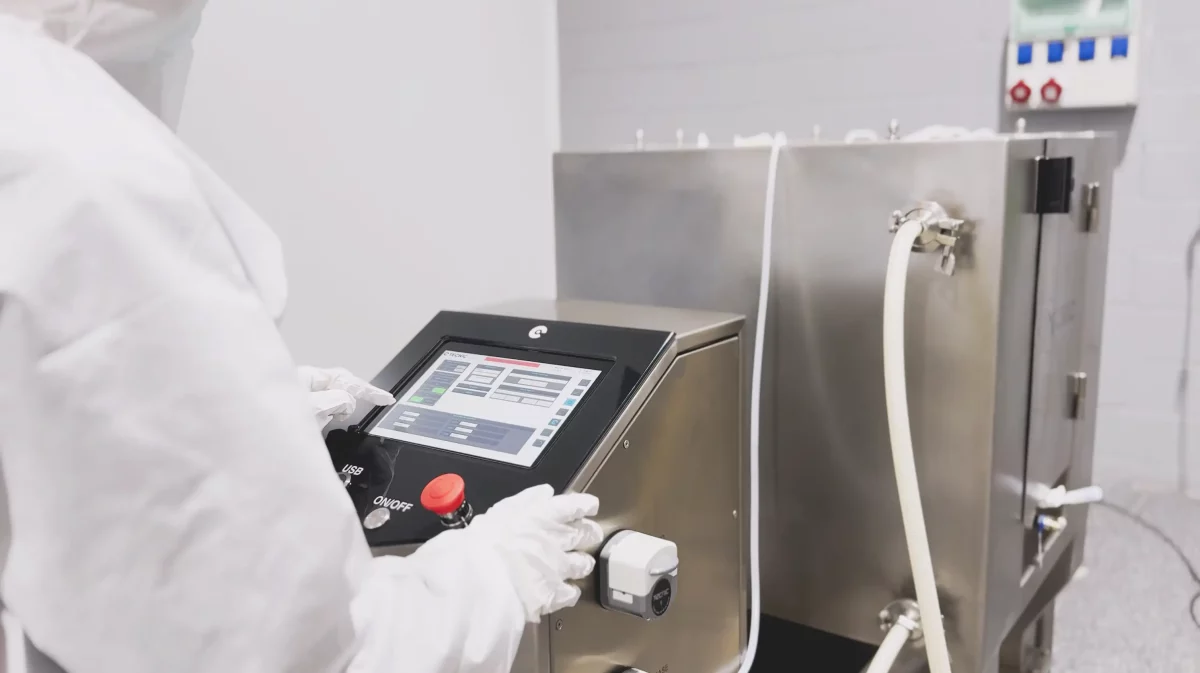
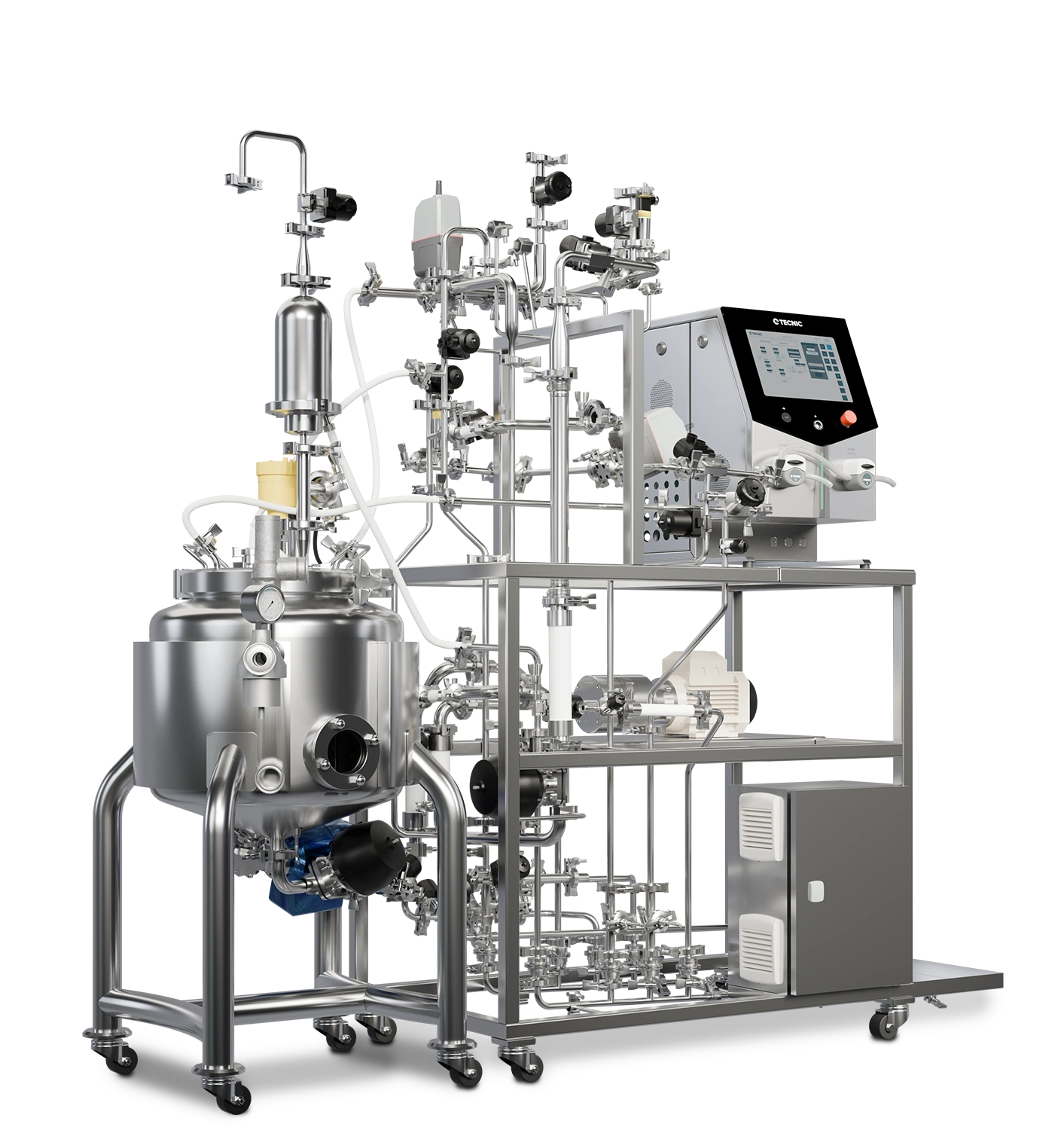
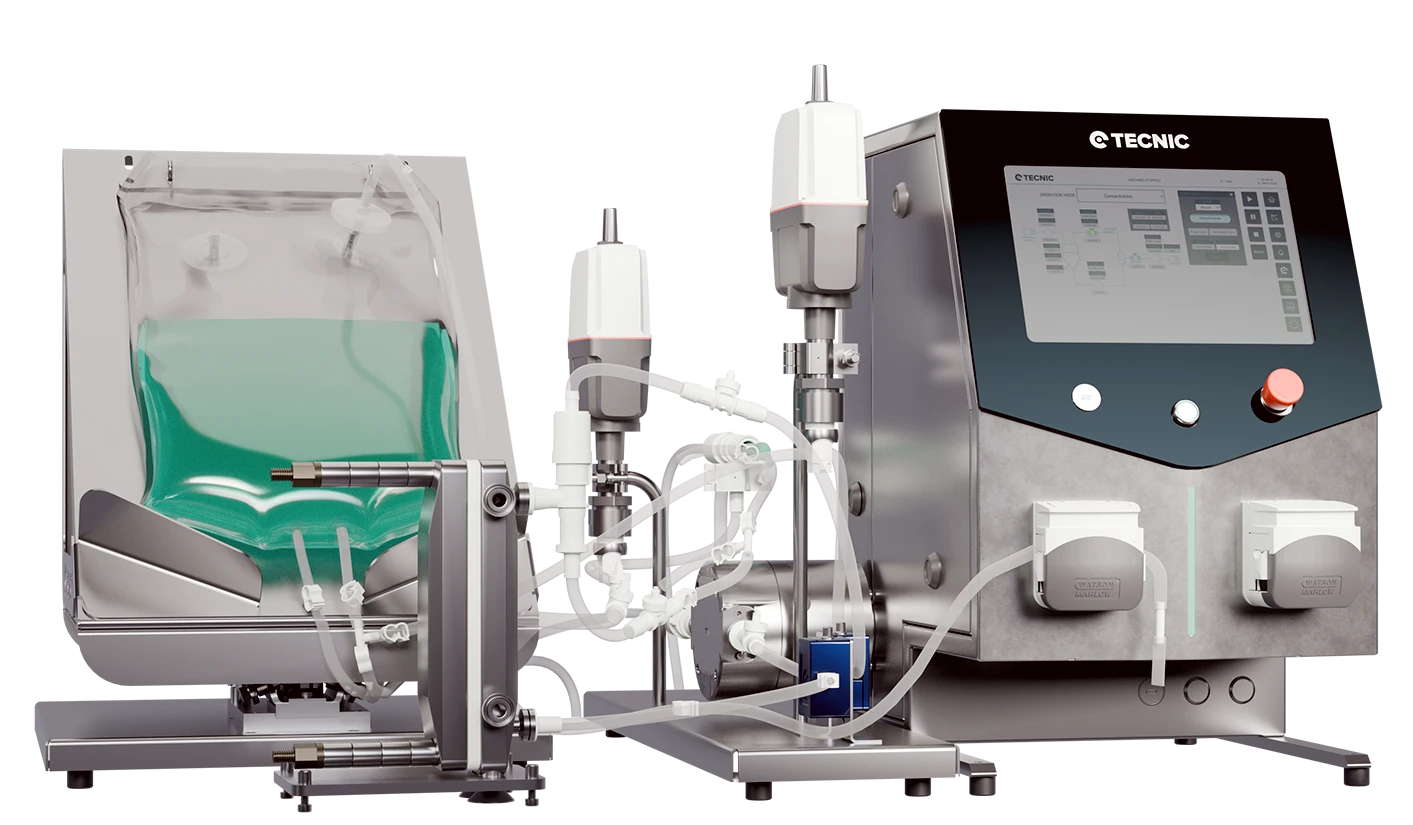

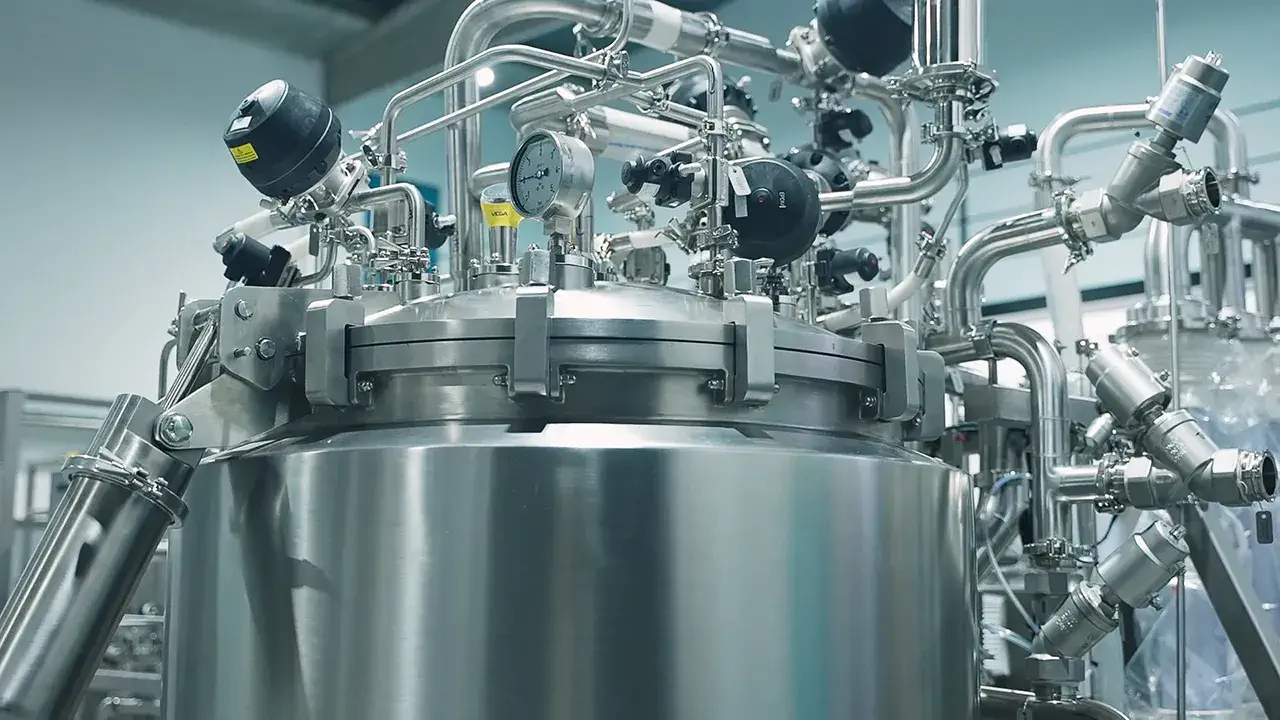
A TFF system, tangential flow filtration system, is a filtration setup where the feed flows parallel to the membrane surface instead of directly into it. That difference may sound simple, but it changes filtration performance in a major way.
By keeping the fluid moving across the membrane, TFF helps reduce buildup on the surface and keeps filtration more stable over time. That is why it is so widely used for concentration, diafiltration, clarification and many downstream bioprocess steps.
A TFF system works by combining membrane filtration with cross-flow movement. One part of the stream passes through the membrane as permeate, while the rest continues along the surface as retentate, helping reduce fouling and maintain performance.
What is TFF?
Tangential flow filtration, also called cross-flow filtration, is a membrane-based separation method where the feed stream runs parallel to the membrane surface instead of directly toward it. Only part of the liquid passes through the membrane, while the rest keeps moving and sweeps along the surface.
That movement is important because it helps reduce the rapid cake formation that is more common in dead-end or normal flow filtration. In practical terms, it makes the filtration process more stable and better suited for many biological streams.
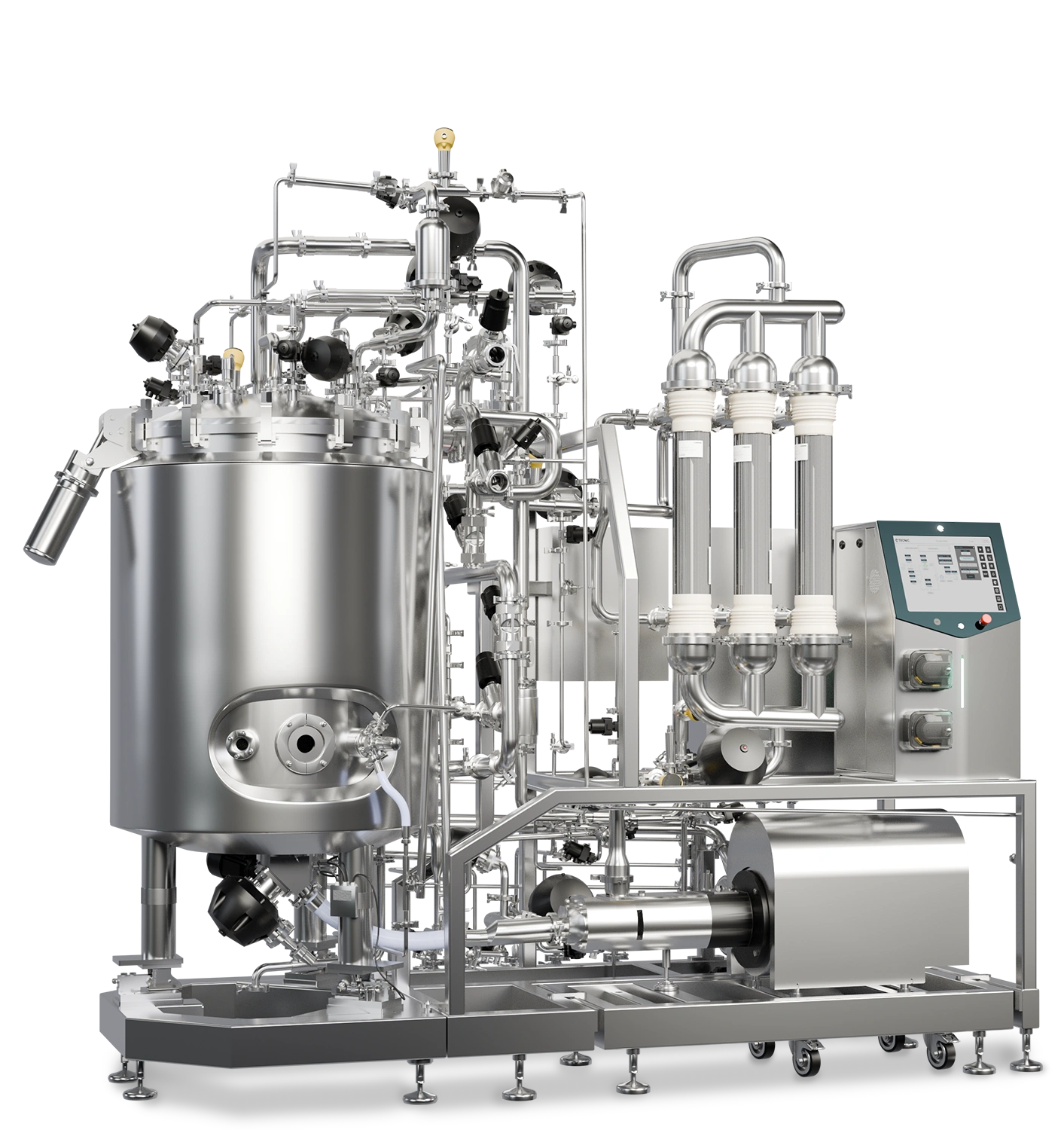
TFF is useful because it separates while continuously washing the membrane surface.
How a TFF system works
In a TFF loop, a pump recirculates the feed solution across the membrane module. A pressure difference drives solvent and smaller solutes through the membrane as permeate, while larger molecules or particles stay in the circulating stream as retentate.
The solution is held in a feed vessel or reservoir and driven into the membrane system.
The stream runs parallel to the membrane surface, helping reduce buildup.
Solvent and smaller components cross the membrane depending on pore size or cutoff.
The retained fraction continues in the loop until the target concentration or separation is reached.
The process continues until the required concentration, clarification or buffer exchange has been achieved. That is why TFF is often used not only for one-pass filtration, but for controlled downstream operations over time.
TFF vs normal flow filtration
The clearest difference between TFF and normal flow filtration is the direction of the fluid relative to the membrane. In normal flow filtration, the liquid is pushed directly into the filter. In TFF, most of the stream continues along the membrane while only part of it crosses through.
Normal flow filtration
Simpler in setup, but more prone to rapid clogging because material accumulates directly on the membrane surface.
Tangential flow filtration
Better suited to longer or more demanding filtration tasks because the cross-flow helps slow fouling and maintain flux more effectively.
TFF is usually chosen when the process needs more than a simple pass through a filter.
Main components of a TFF system
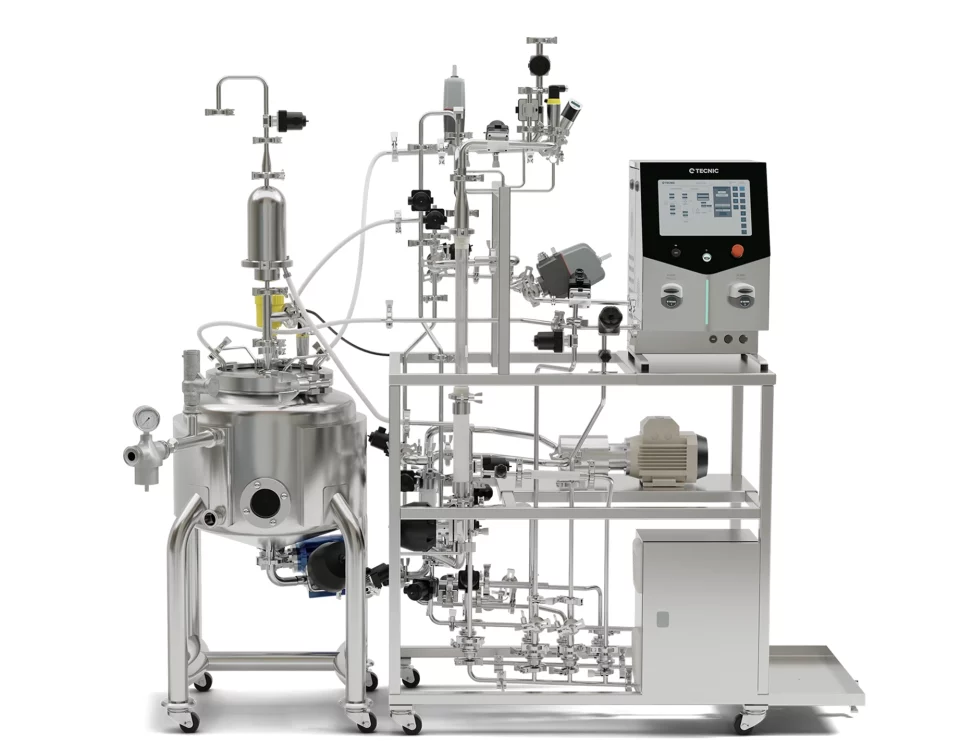
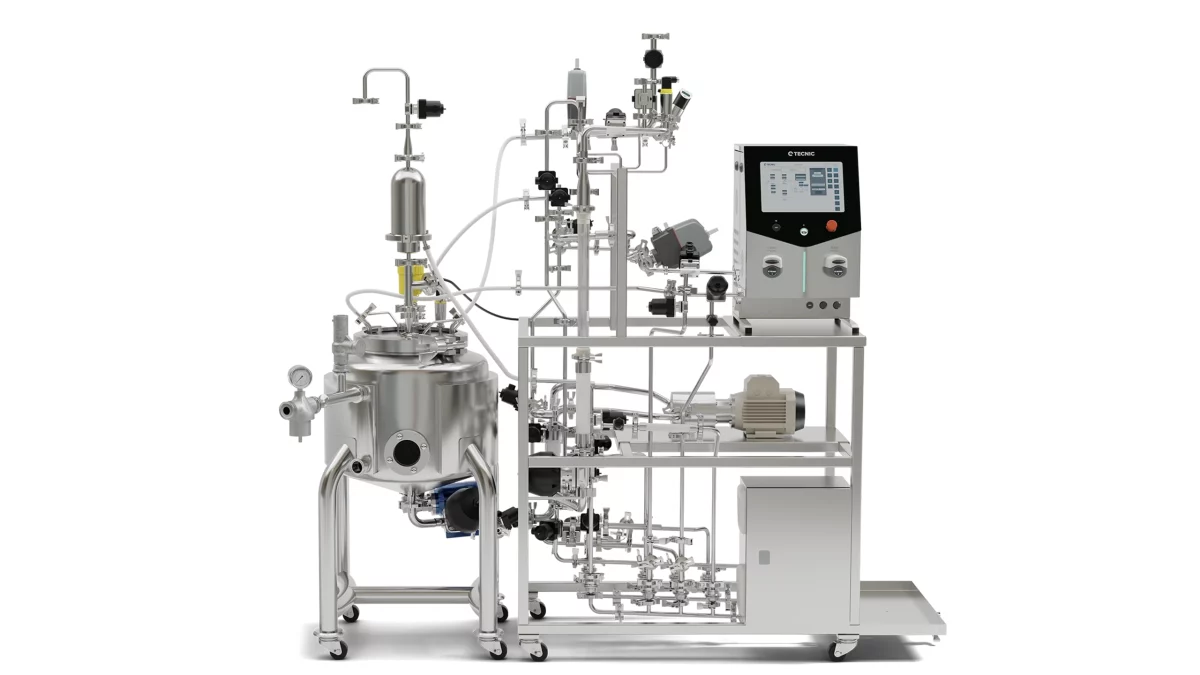
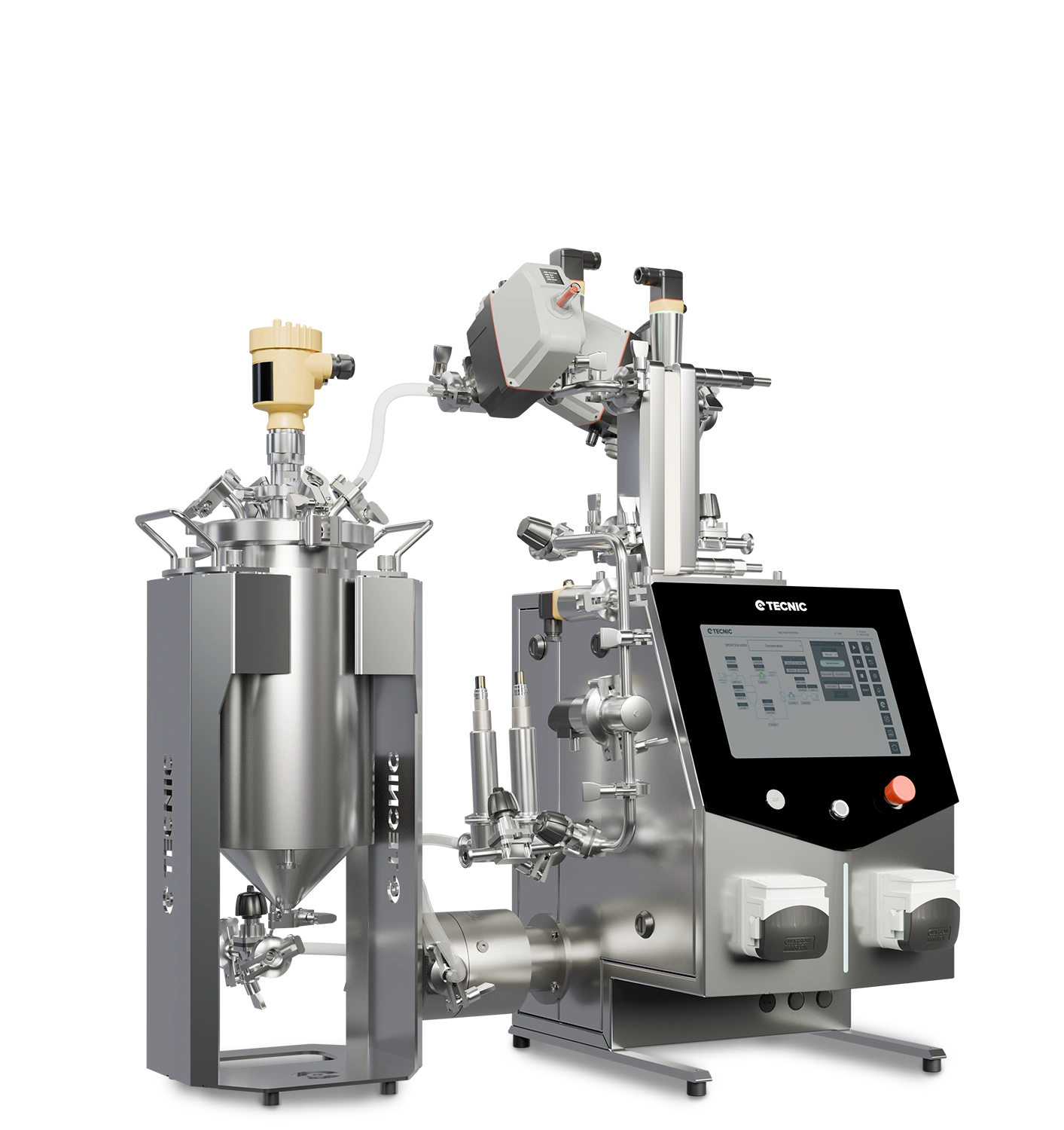
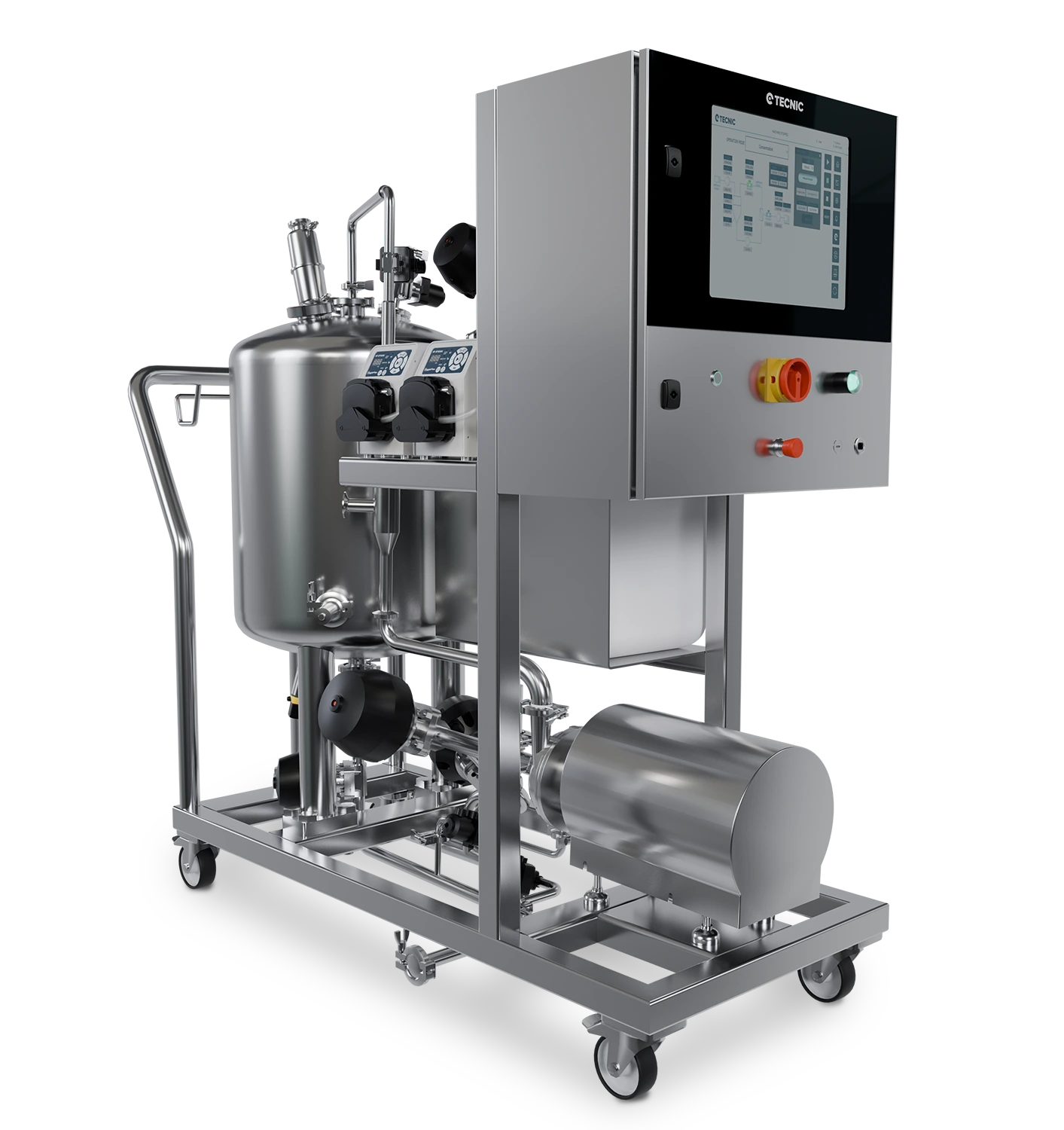
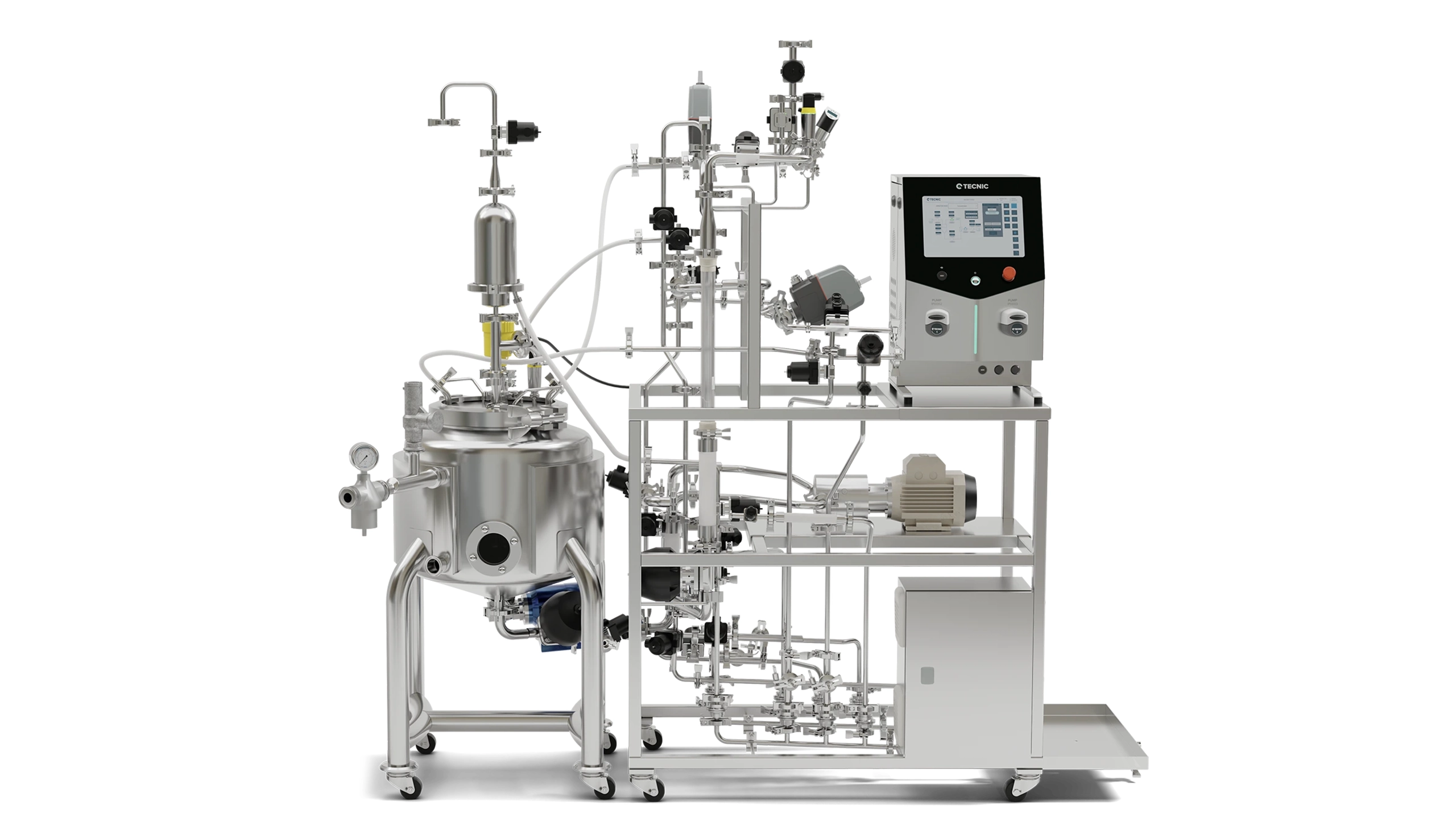
A typical TFF system includes a feed reservoir, a pump, a membrane module, pressure monitoring and controlled permeate and retentate paths. The exact format can vary, but the operating logic stays similar.
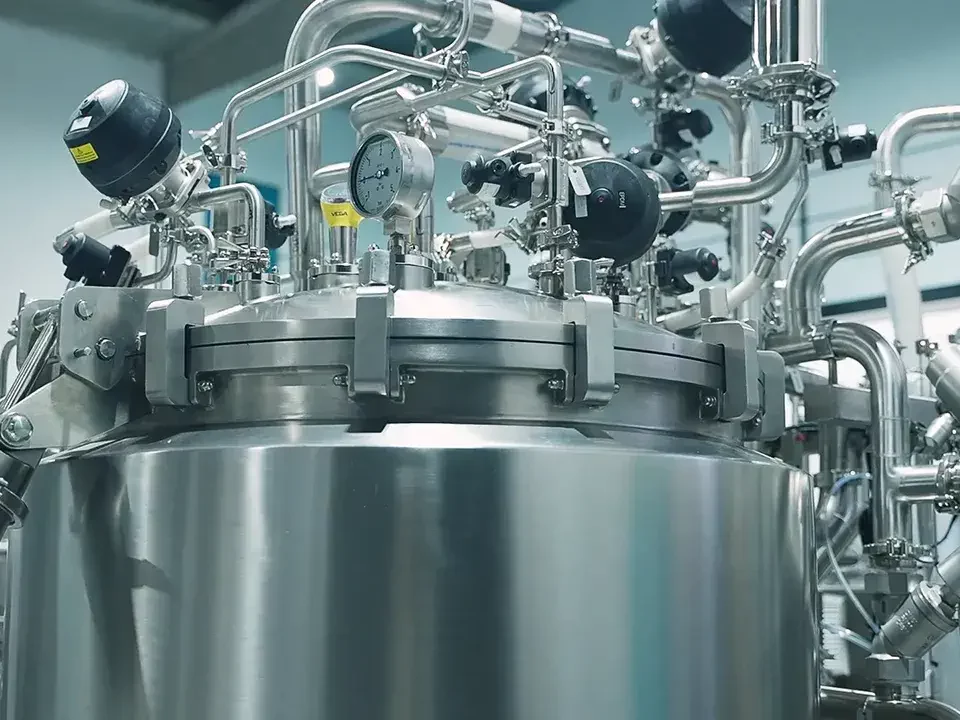
Holds the solution that will be circulated through the TFF loop.
Drives the feed across the membrane at the required flow rate.
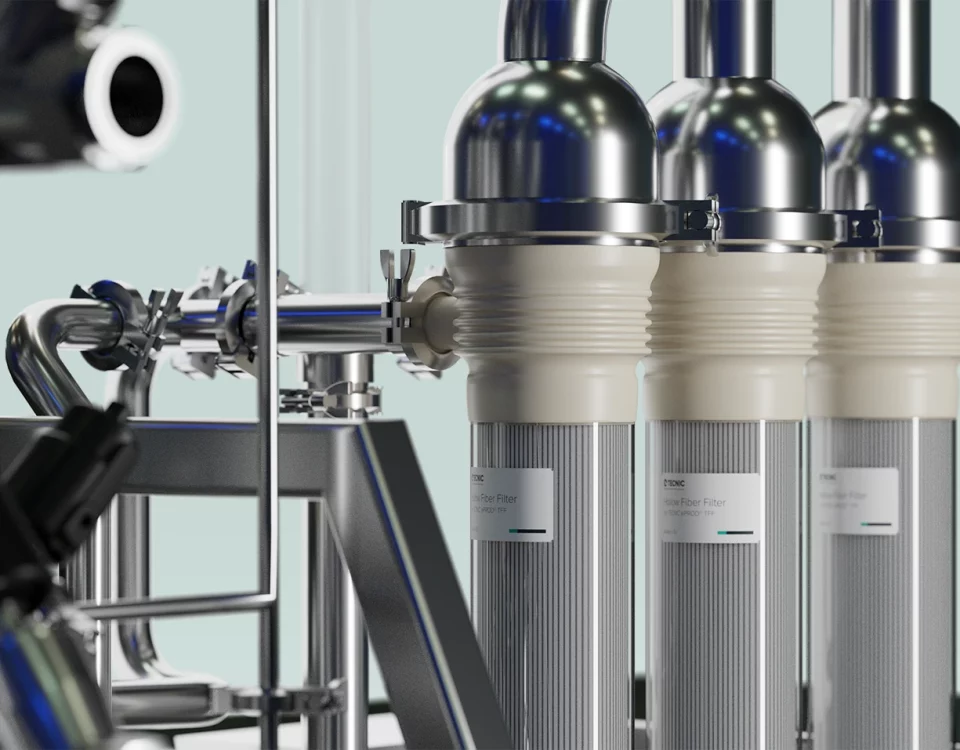
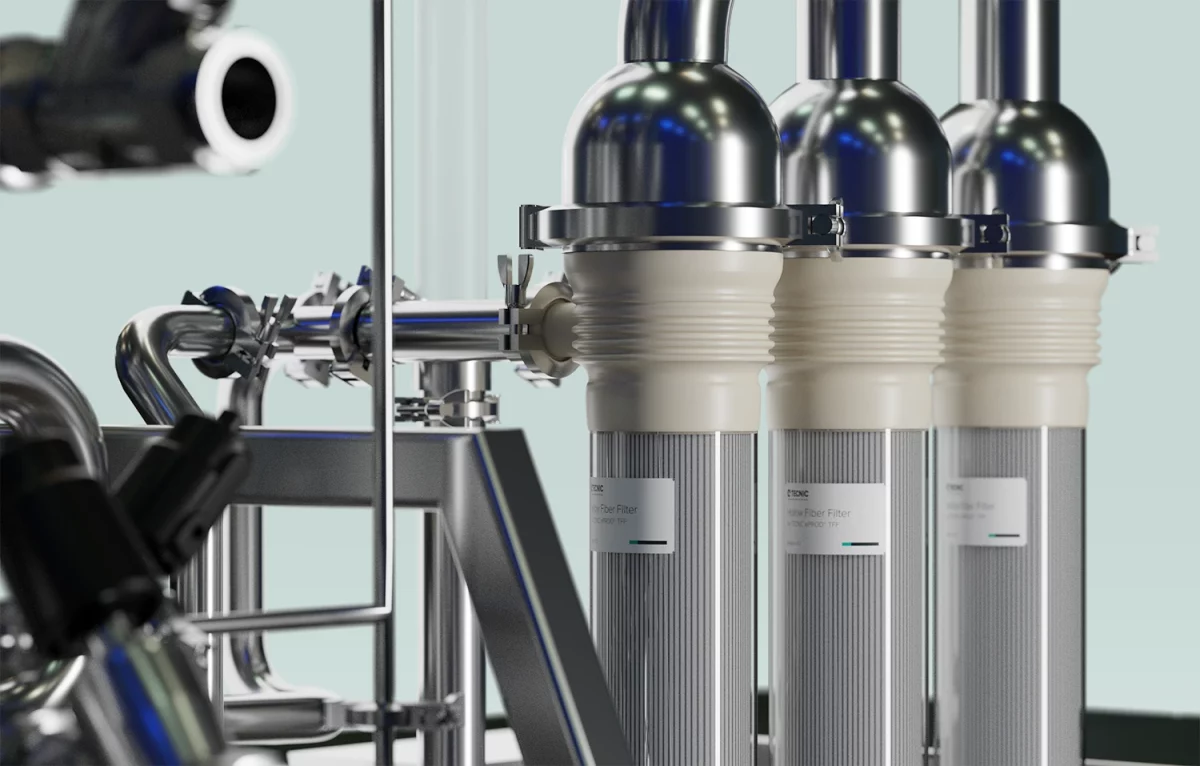
The core separation unit, often configured as a hollow fiber module or cassette format.
Common uses of TFF in bioprocessing
TFF is widely used when the process requires concentration, diafiltration, clarification support or fractionation by size. It is especially common in protein processing, antibody workflows, cell harvesting support, viral vector work and other downstream operations where stable membrane performance matters.
What teams should check before choosing a TFF system
A TFF system should be selected based on process reality, not on a generic filtration label.
The membrane has to match the retention goal, not only the process name.
Stable control matters because too much pressure or poor flow can reduce performance and damage product quality.
A good TFF route should remain practical from development to larger-scale execution.
The right TFF system is the one that matches the product, the stream and the downstream objective at the same time.
How TECNIC fits this workflow
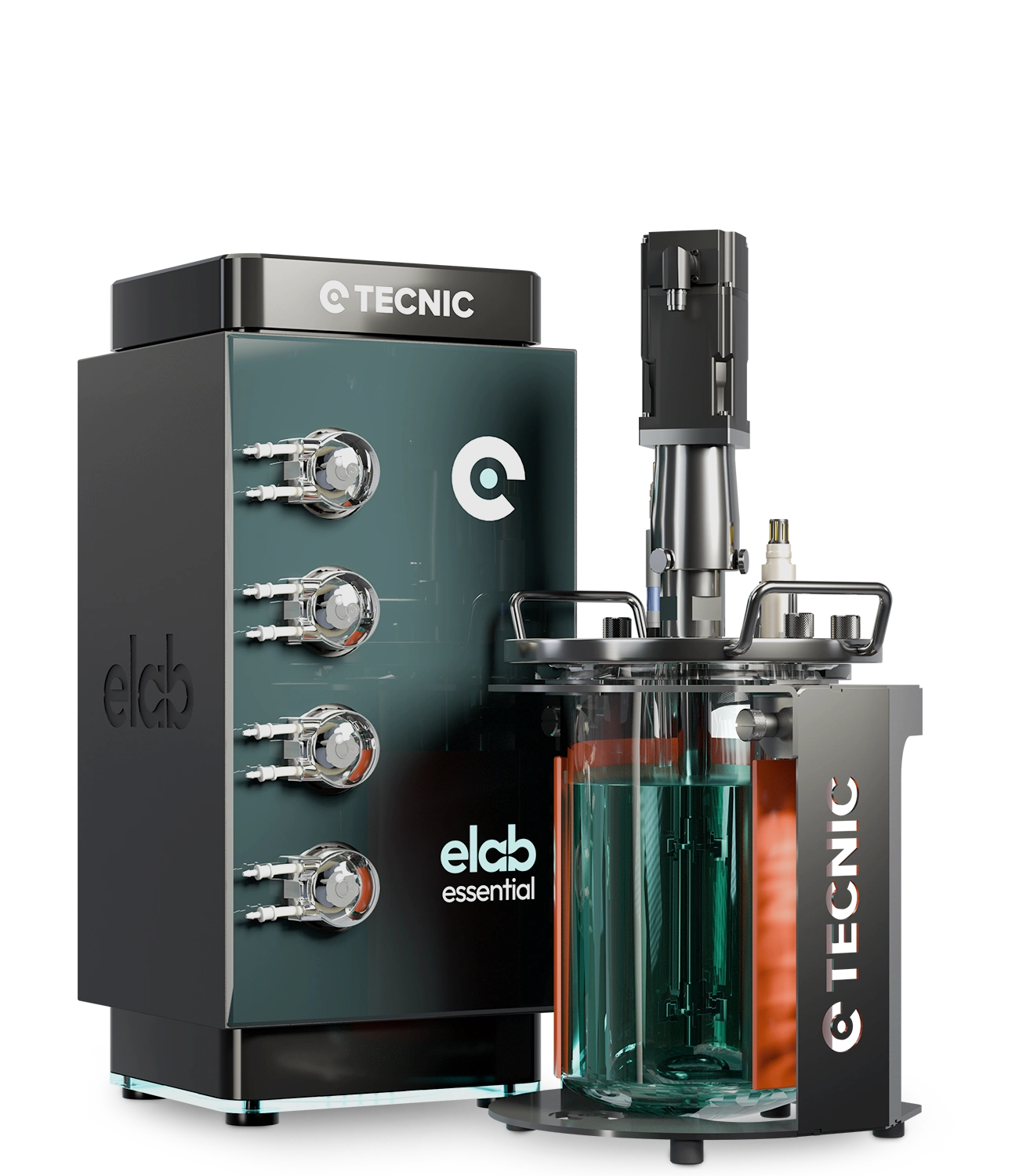
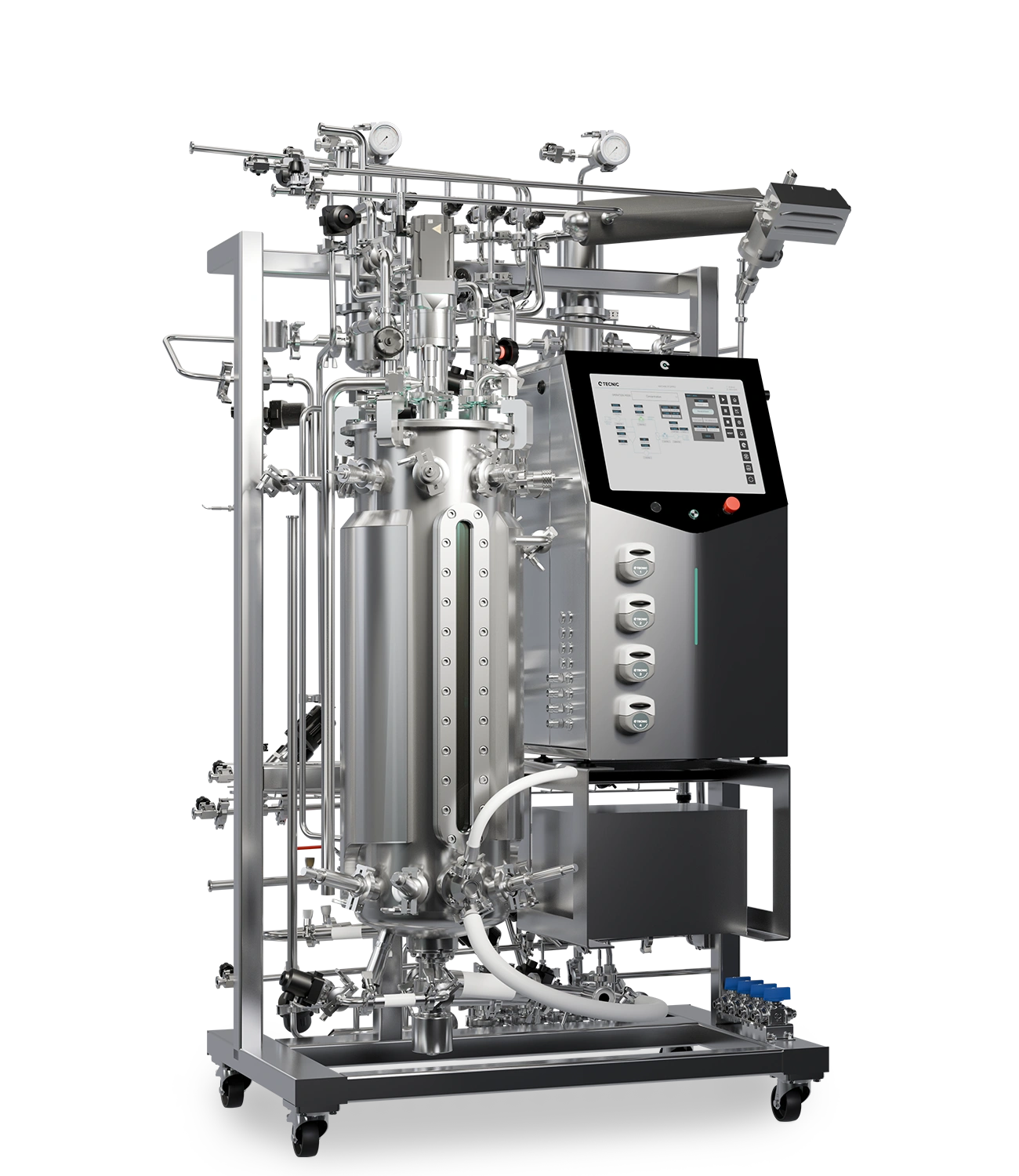
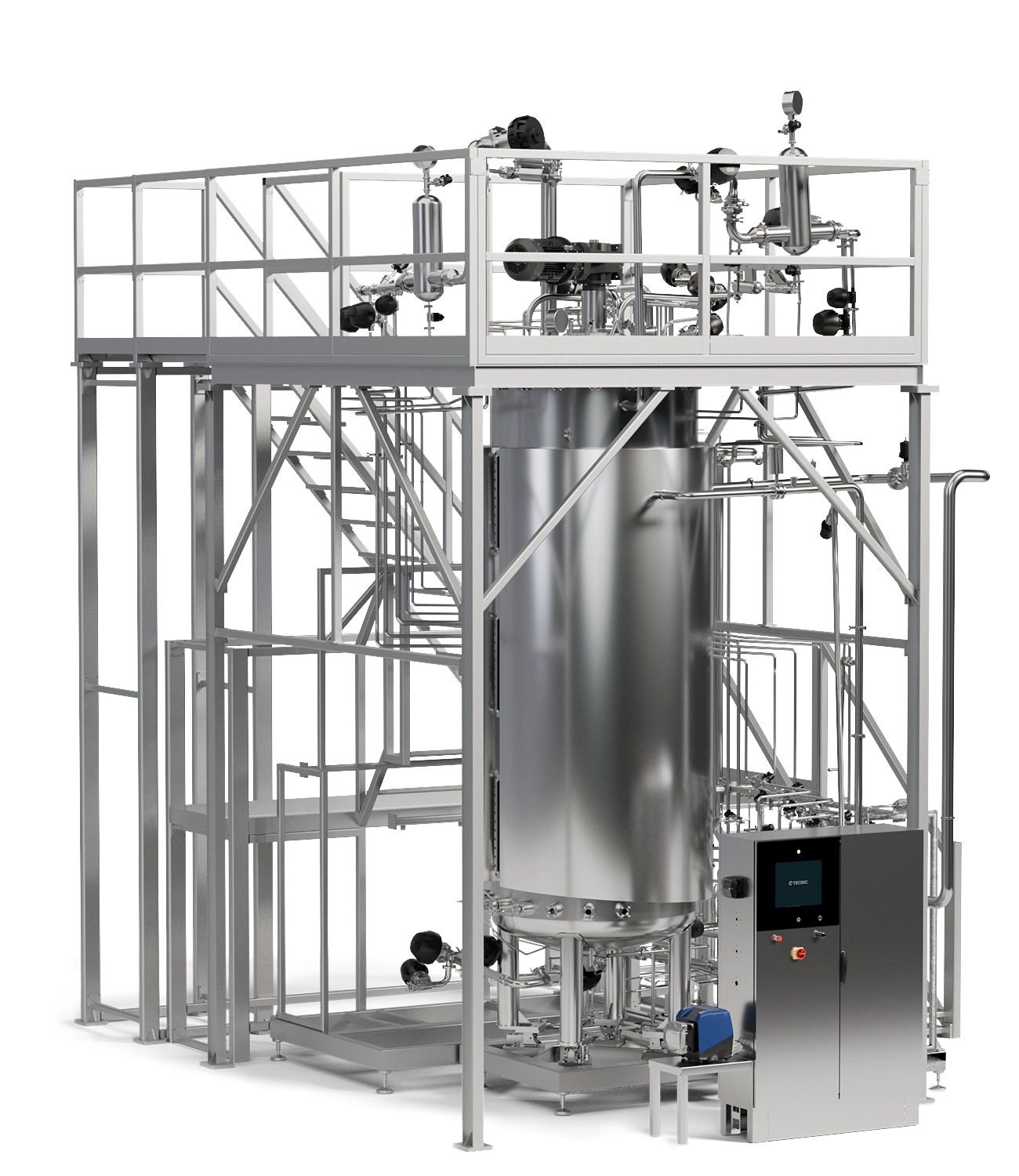
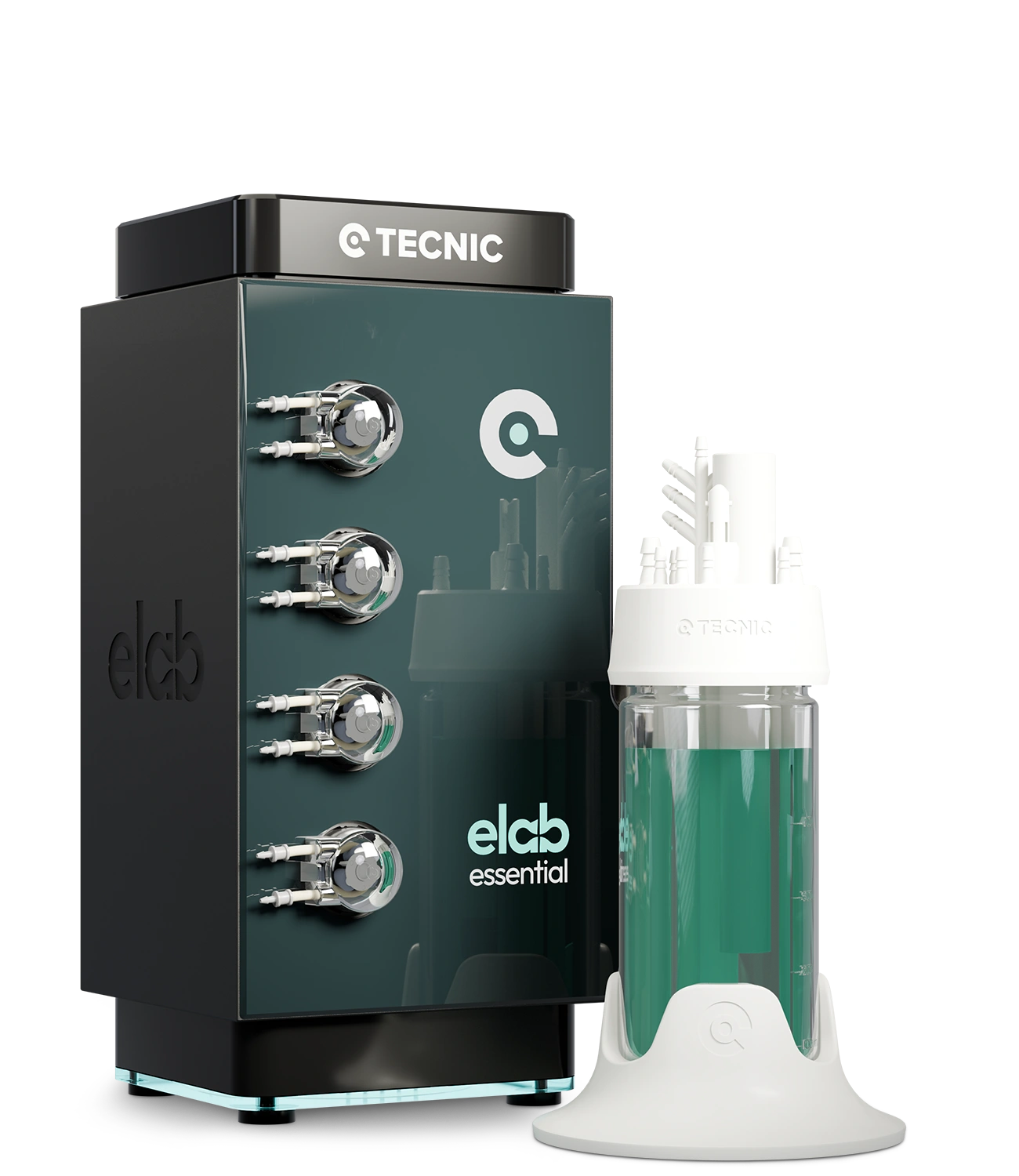
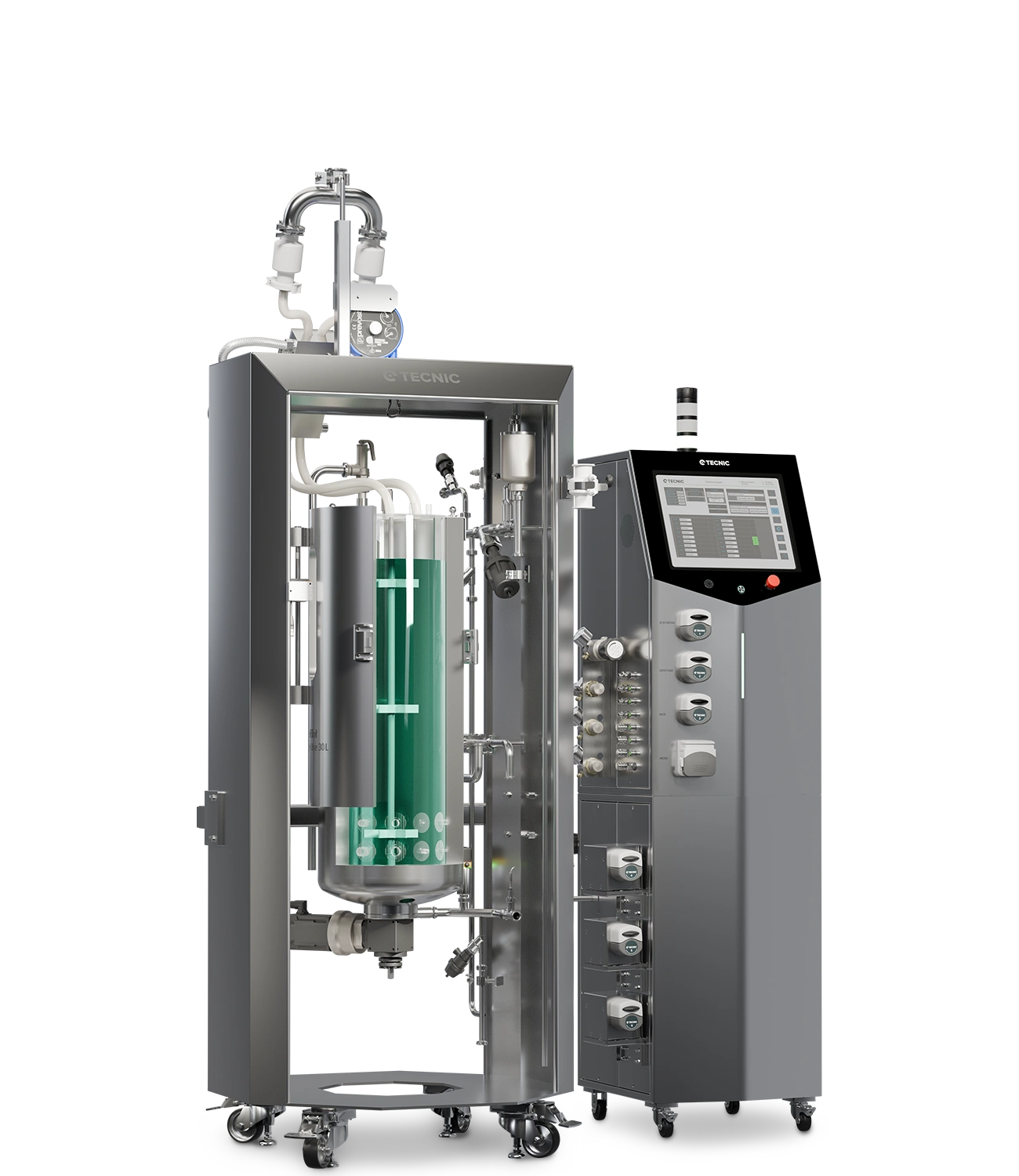
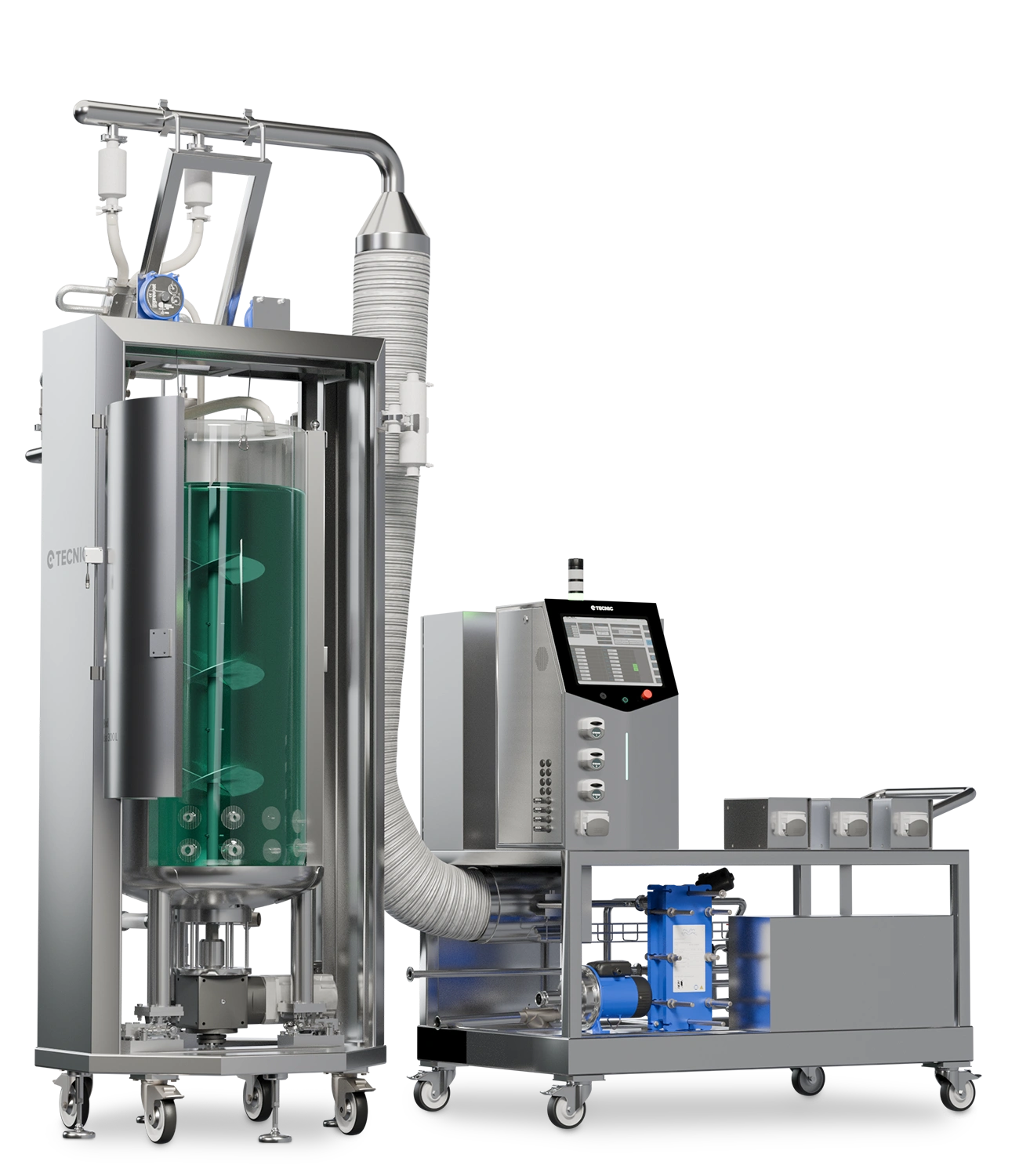
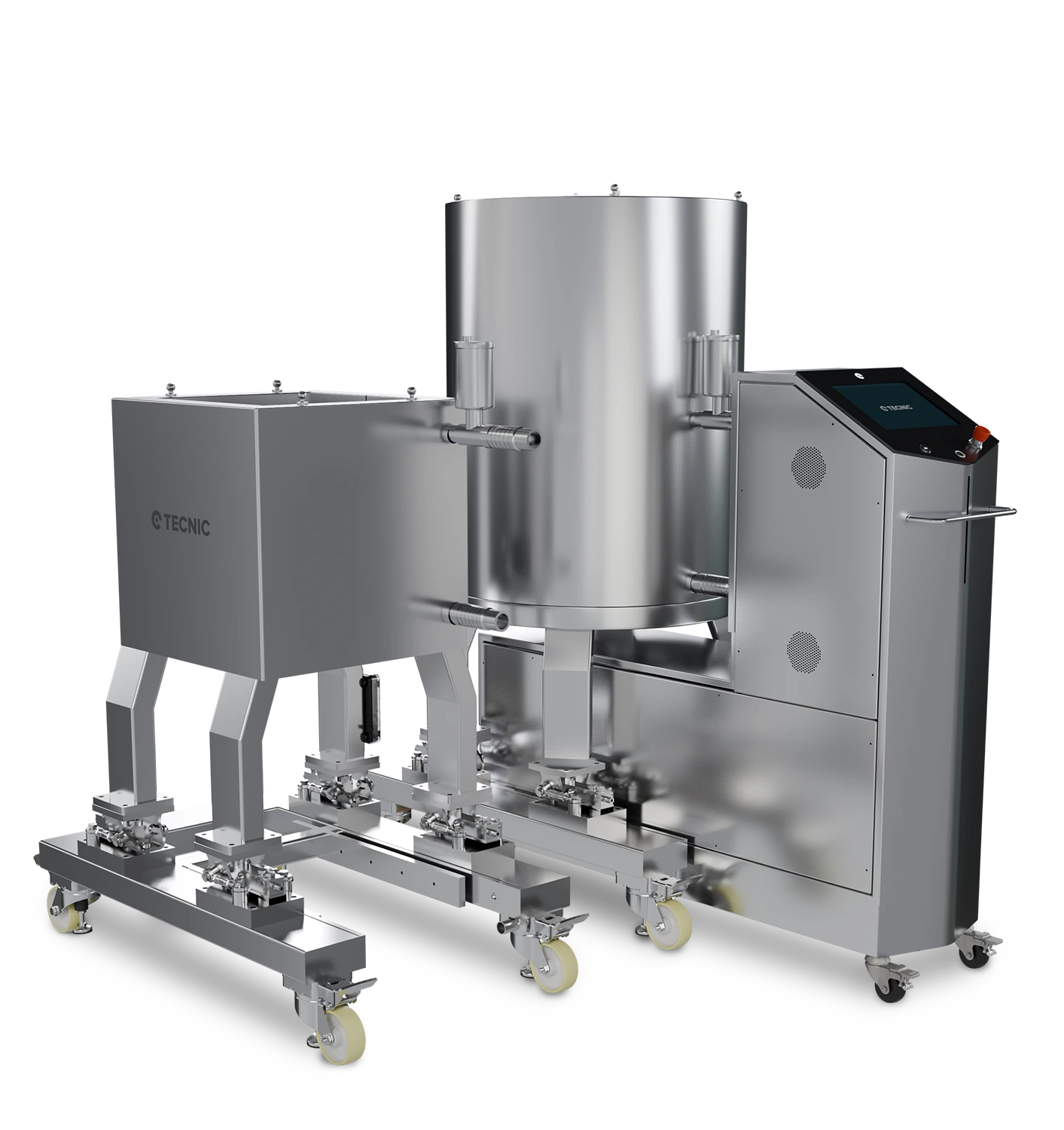
TECNIC’s TFF range fits naturally into this topic because it covers laboratory, pilot and production-oriented downstream workflows. That makes the concept easier for the reader to connect with a real process path instead of treating TFF as an isolated filtration definition.
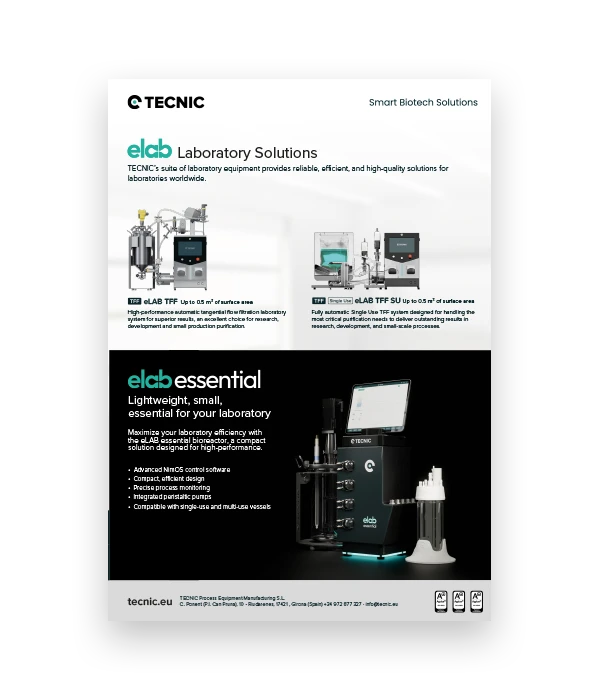
eLab TFF
Useful when the process needs a laboratory-scale route for concentration, diafiltration or downstream development.
eLab TFF SU
A relevant option when single-use handling is an advantage in lab workflows.
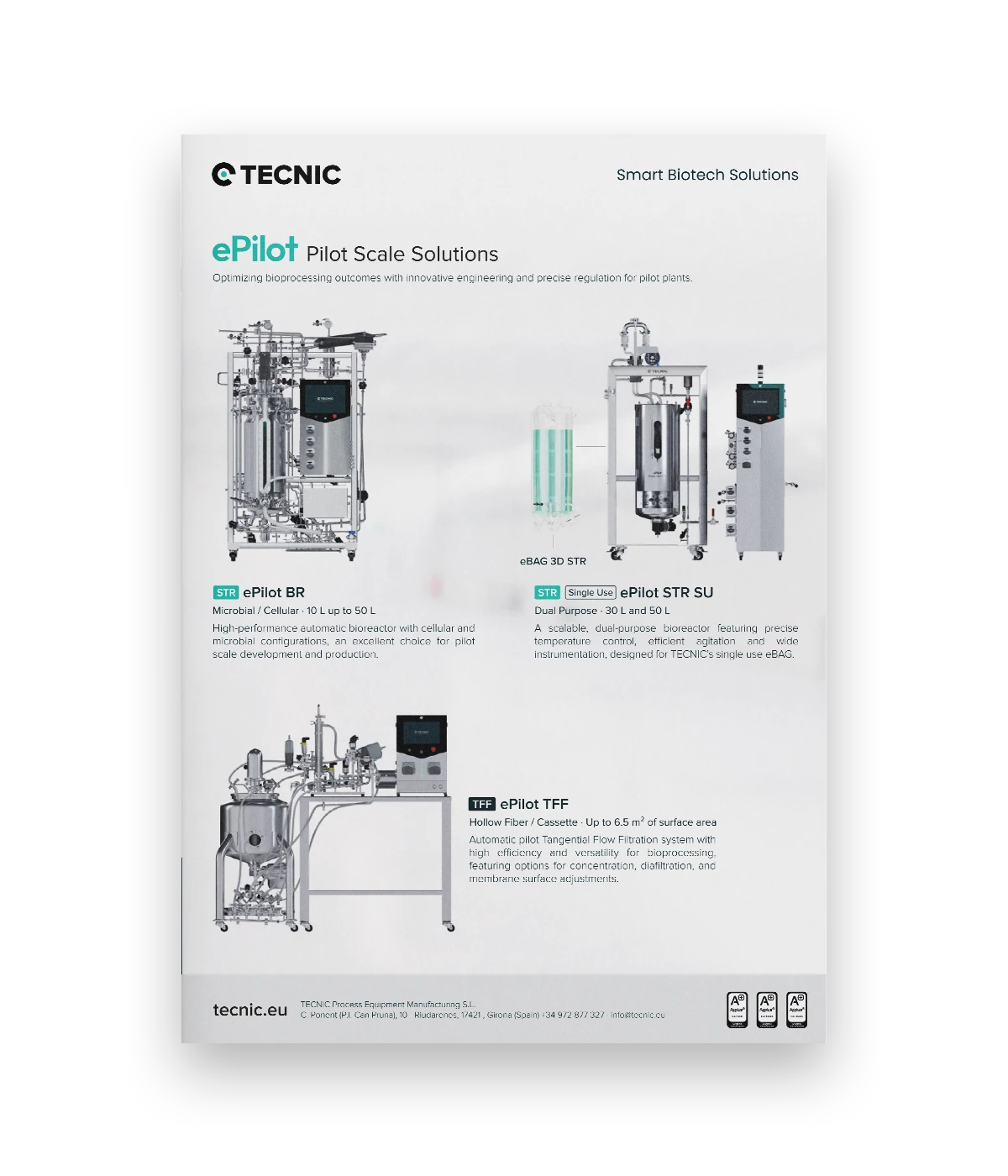
ePilot TFF
Important when the process needs a pilot bridge and not just a bench demonstration.
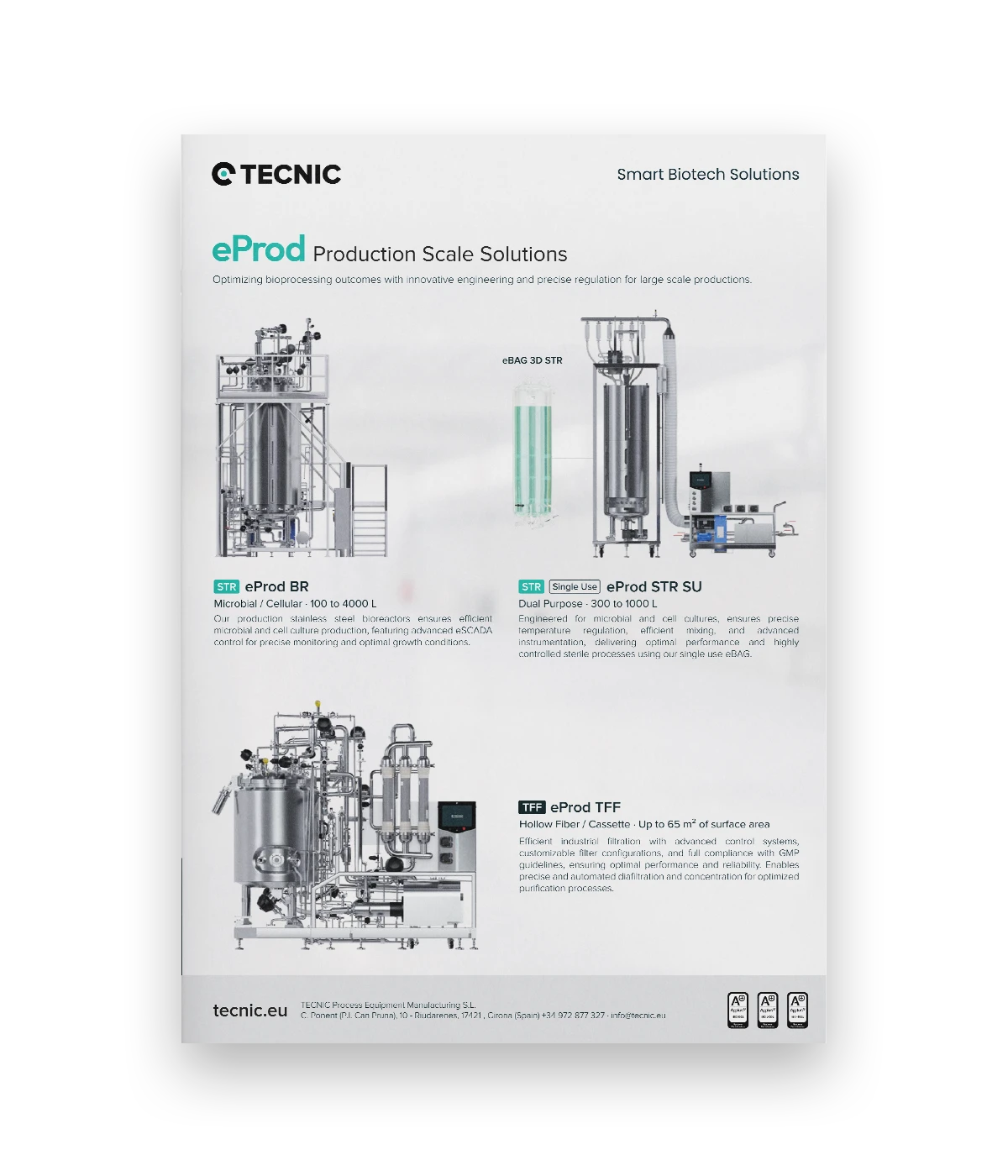
TFF systems overview
The broader range helps the reader connect TFF principles with real equipment options across scales.
This article works best when the reader understands TFF first as a process principle and then as a family of real downstream tools.
Frequently asked questions
What is a TFF system?
It is a tangential flow filtration setup where the feed stream moves parallel to the membrane surface while part of the liquid passes through as permeate.
Is TFF the same as cross-flow filtration?
Yes. Tangential flow filtration and cross-flow filtration refer to the same process principle.
Why is TFF better than normal flow filtration for some processes?
Because the cross-flow helps reduce membrane fouling and maintain more stable filtration performance over time.
What is TFF mainly used for?
It is commonly used for concentration, diafiltration, clarification support and other downstream separation steps.
What are the key components of a TFF system?
A typical system includes a feed reservoir, pump, membrane module and controlled retentate and permeate paths.
Reviewing whether TFF is the right downstream tool for your process?
Explore TECNIC’s TFF range or speak with our team to review the right system for your filtration and concentration needs.