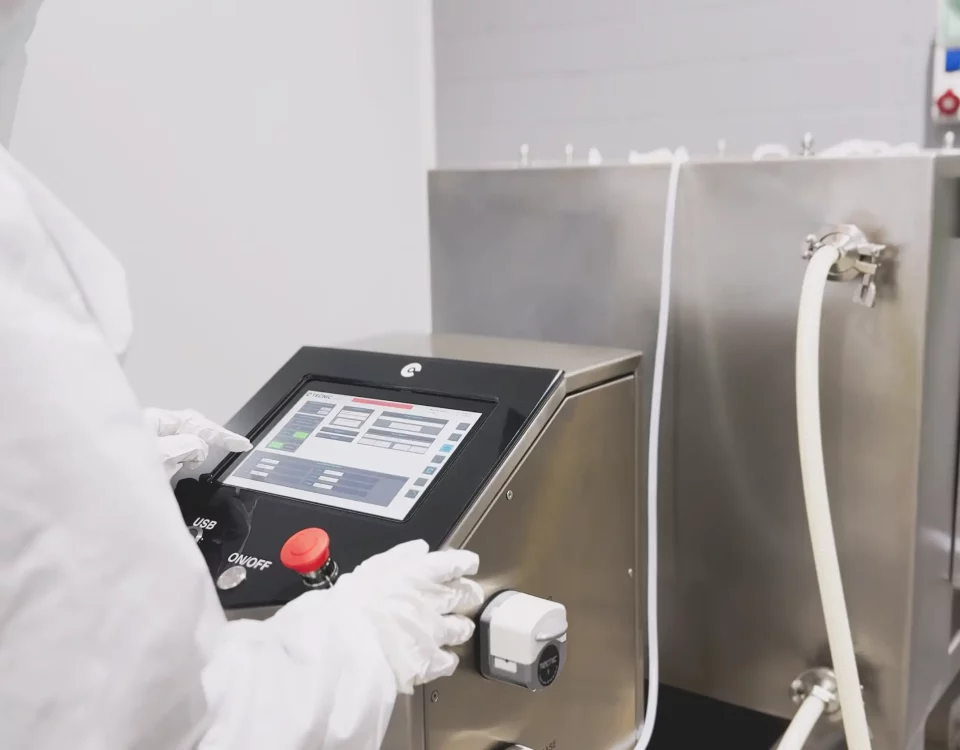
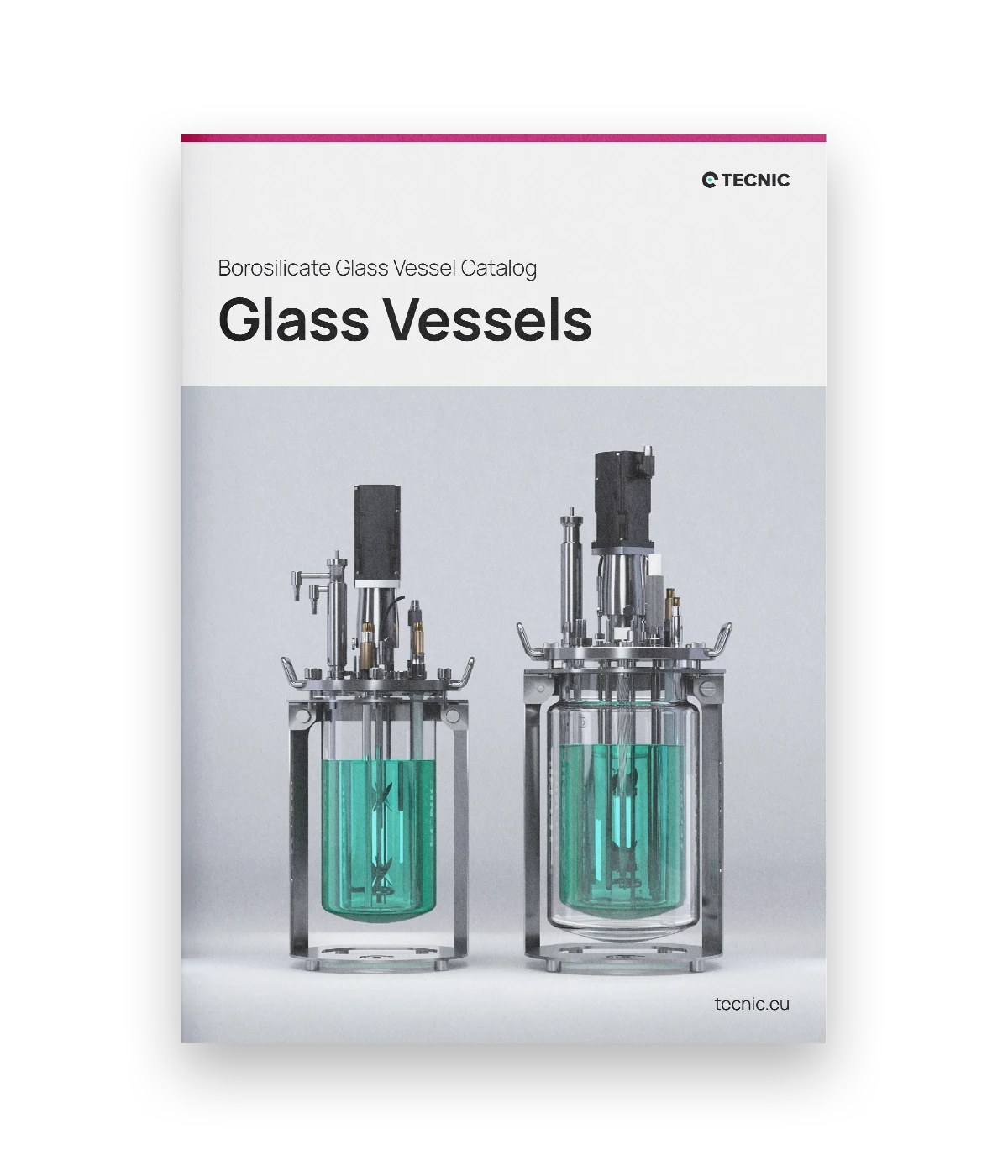

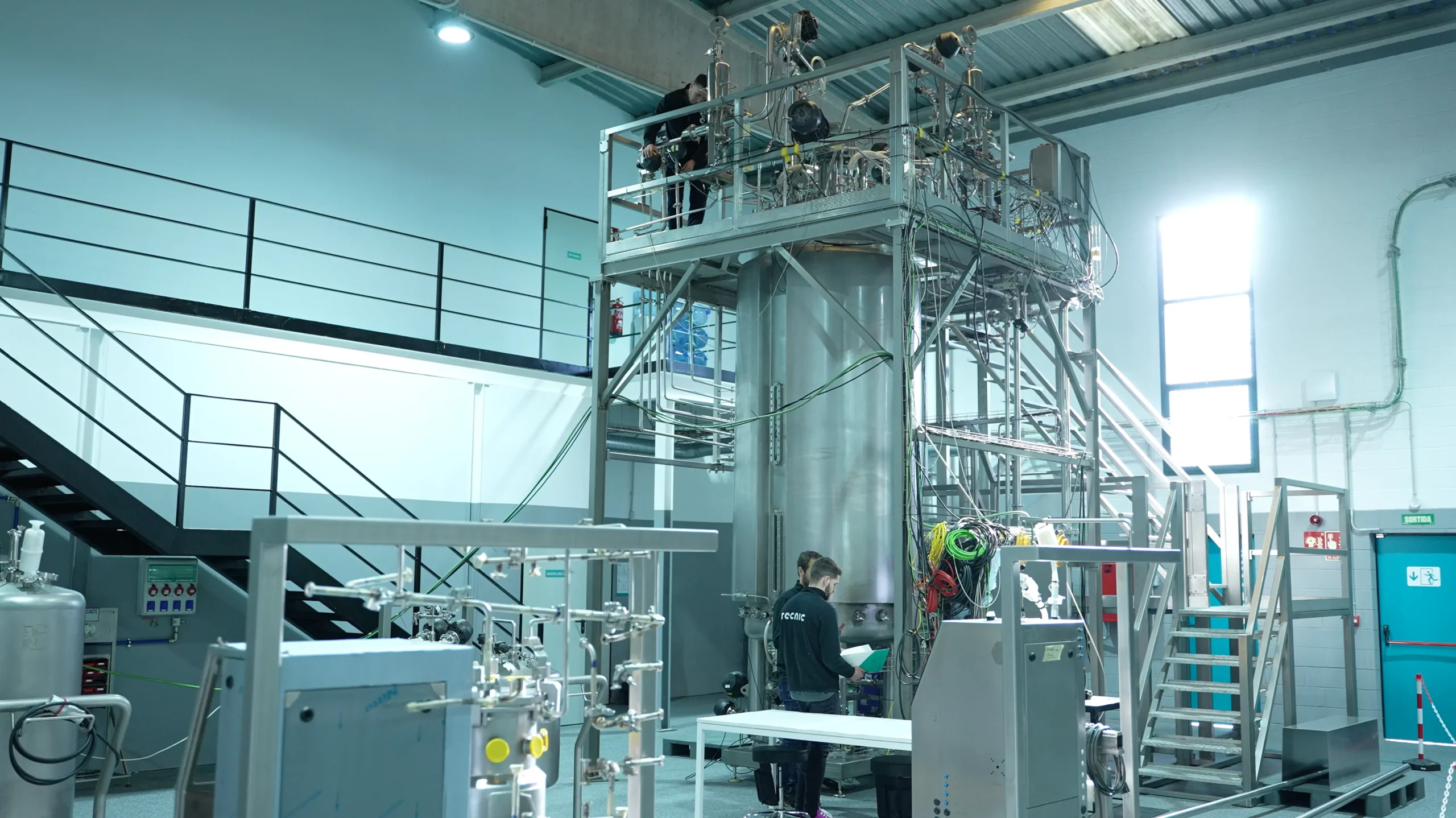
Upstream and downstream bioprocessing are the two major stages of biotech production. Upstream creates the biological product under controlled growth conditions, while downstream isolates, purifies and prepares that product for final use.
The distinction sounds simple, but it shapes the entire manufacturing strategy. Upstream is where cells or microorganisms grow and produce value. Downstream is where that value is recovered, concentrated and turned into a usable product with the right purity and quality profile.
Upstream builds the product biologically, downstream recovers and refines it into a usable final form.
What are upstream and downstream bioprocesses?
In biotechnology production, upstream and downstream are the two linked phases that turn a biological idea into a usable product. Upstream focuses on growing the biological system and generating the target molecule or biomass. Downstream focuses on separating that target from the rest of the process mixture and preparing it for use, storage or commercialization.
You can think of upstream as the creation stage and downstream as the recovery and refinement stage. Neither one works properly without the other.

A strong upstream process without a strong downstream strategy will still struggle to deliver a successful product.
What is upstream bioprocessing?
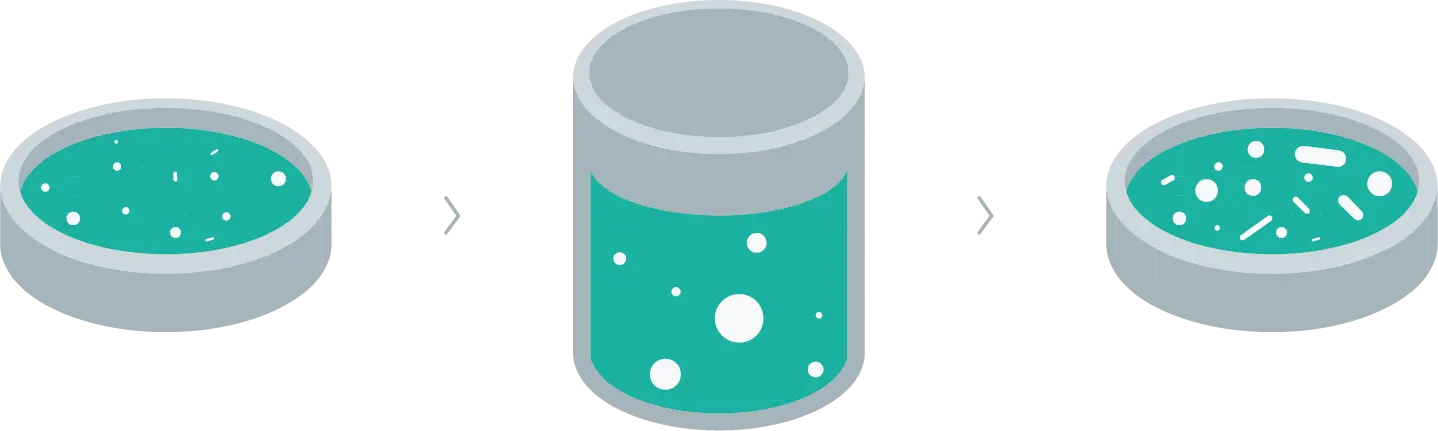
Upstream bioprocessing is the stage where cells or microorganisms are prepared, cultivated and controlled so they can produce the desired biological output. That output may be biomass, recombinant protein, antibody, enzyme, metabolite, viral vector or another biotech product.
This stage includes media preparation, inoculation, growth control and all the process conditions that support productivity, such as pH, temperature, dissolved oxygen and agitation.
Main upstream steps
Upstream processing can vary by application, but several core activities appear in most workflows.
Selecting, preparing and sterilizing the nutrient environment needed for growth.
Building the biological starting population and transferring it progressively to larger stages.
Running the core production stage under defined operating conditions.
Maintaining temperature, pH, dissolved oxygen, agitation and feeding strategy within target ranges.
Upstream is where product yield, biological behavior and process consistency are first defined.
What is downstream bioprocessing?
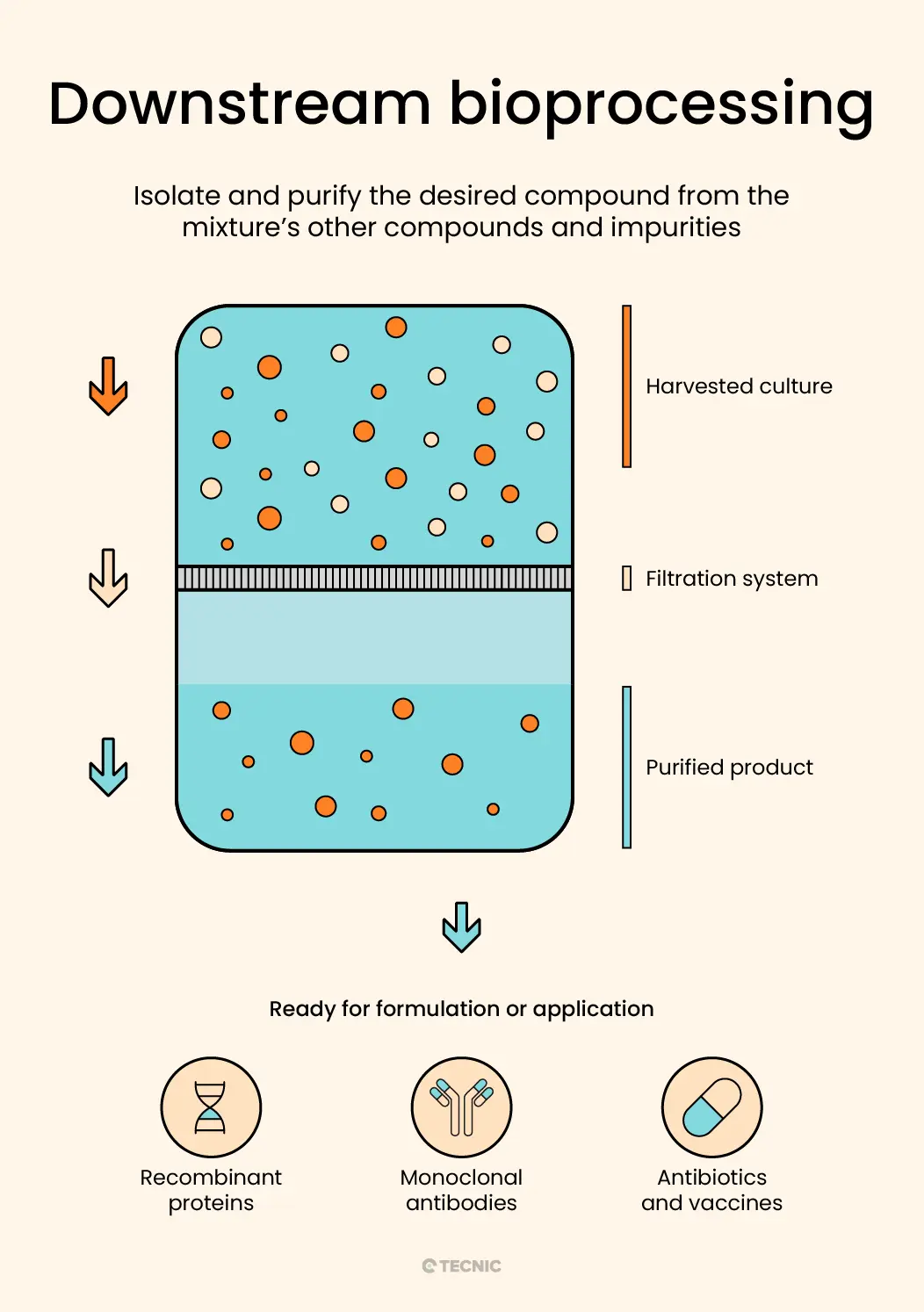
Downstream bioprocessing is the stage where the desired product is separated from cells, media components, impurities and process-related by-products. The goal is to obtain the right purity, concentration and quality for the intended application.
This can involve clarification, filtration, centrifugation, chromatography, concentration, diafiltration, formulation and final fill or packaging steps depending on the product.
Main downstream steps
The exact downstream route depends on the product, but most workflows include several core operations aimed at isolation, purity and final quality.
Removing cells, debris or unwanted fractions from the harvested mixture.
Using filtration, chromatography or related methods to isolate the target more selectively.
Adjusting the product to the required concentration, buffer and quality state.
Testing, packaging and preparing the product for storage, shipment or the next manufacturing stage.

Main differences between upstream and downstream
The two stages differ in objective, tools and operating logic. Upstream is growth-focused, while downstream is recovery-focused. Upstream works mainly with living systems, while downstream works mainly with complex mixtures that must be clarified and refined.
Upstream vs downstream comparison table
The table below summarizes the practical distinction between both stages.
| Aspect | Upstream bioprocessing | Downstream bioprocessing |
|---|---|---|
| Main objective | Grow the biological system and generate the target product | Separate, purify and prepare the target product |
| Main process nature | Biological growth and production | Physical and chemical separation and refinement |
| Typical operations | Media preparation, inoculation, fermentation, cell culture, monitoring | Clarification, filtration, concentration, purification, quality control |
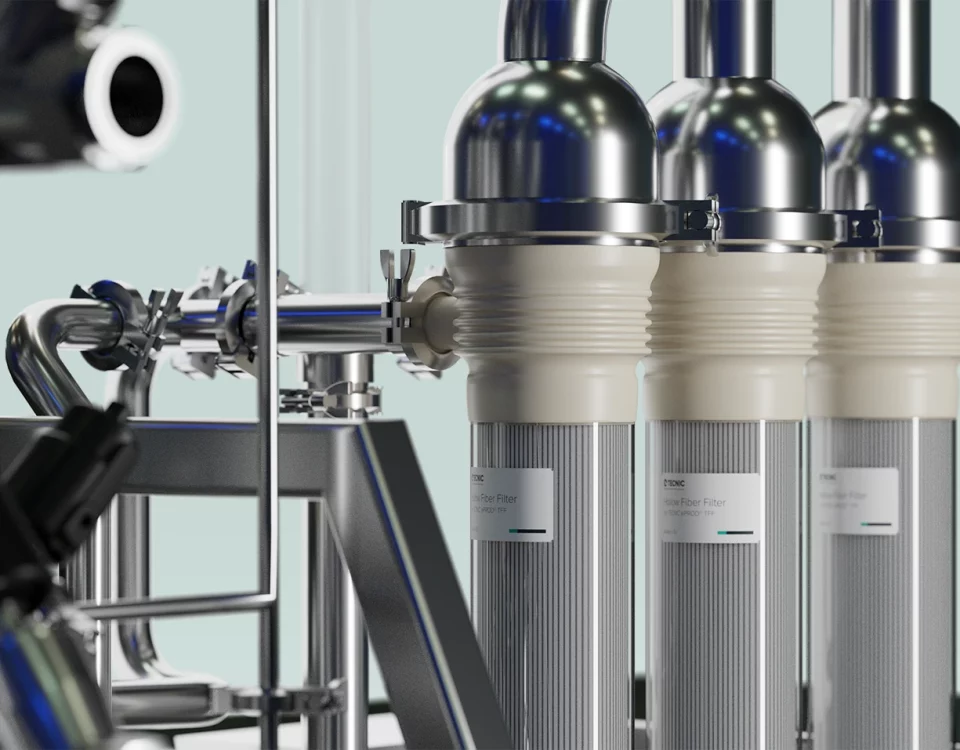
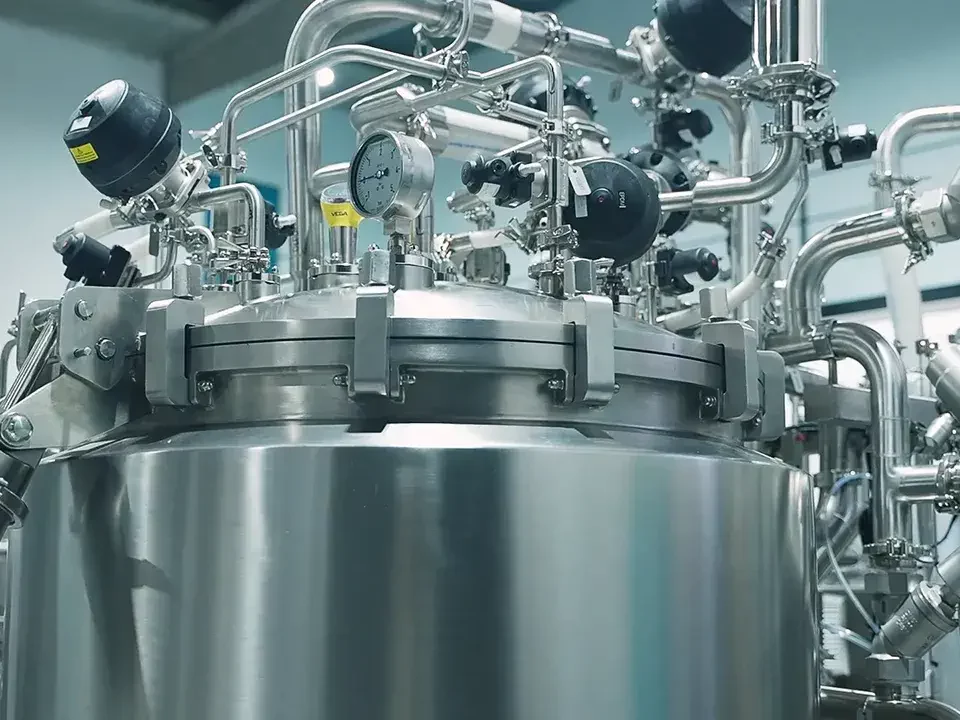
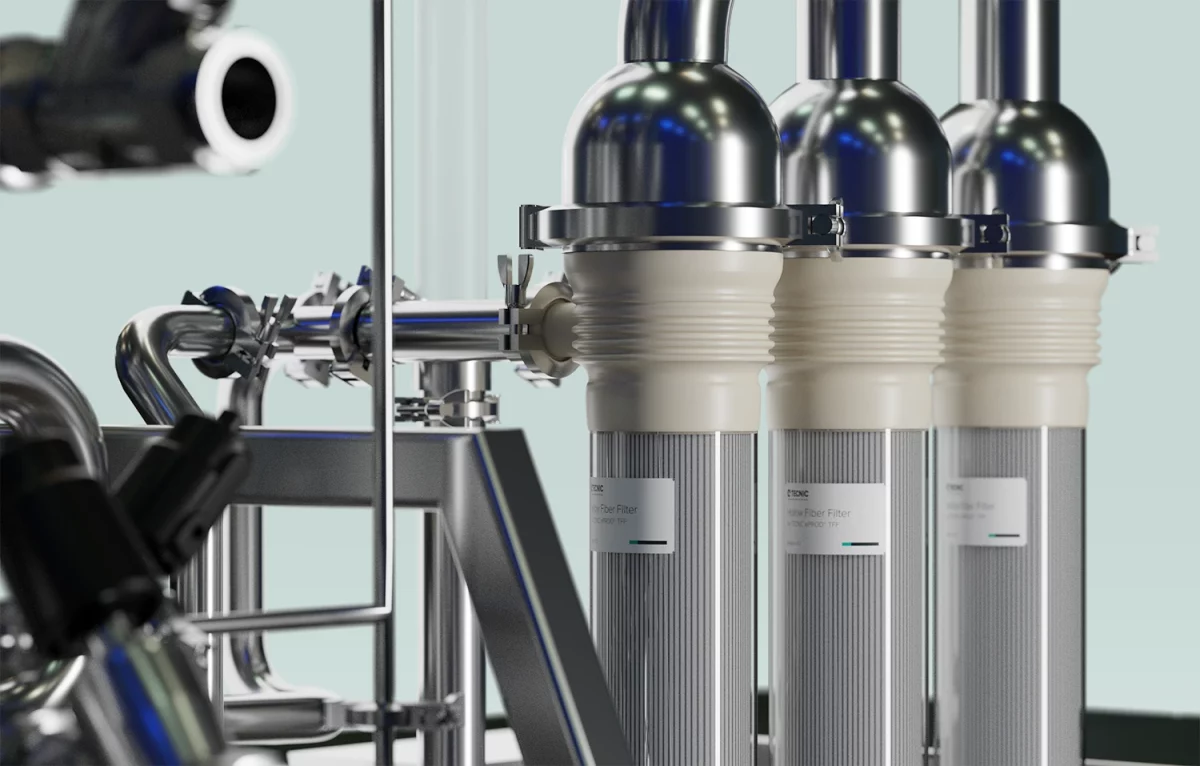
| Main equipment | Bioreactors, media tanks, sensors, control systems | TFF systems, filters, centrifuges, chromatography systems |
| Main challenge | Productivity, growth conditions and process stability | Purity, yield recovery and product quality |
| Process output | Complex culture broth or production mixture | Refined, concentrated or finished product stream |
A bottleneck in either stage can limit the whole process, even if the other stage is highly optimized.
How upstream and downstream work together
Upstream and downstream are not isolated departments, they are interdependent parts of one manufacturing route. The way a product is generated upstream affects how easy it is to recover downstream. In the same way, downstream constraints can influence how upstream should be designed.
For example, a process that maximizes upstream biomass too aggressively may create a more difficult downstream clarification burden. A process that is easy to purify downstream may require different upstream productivity trade-offs.

How TECNIC fits this workflow
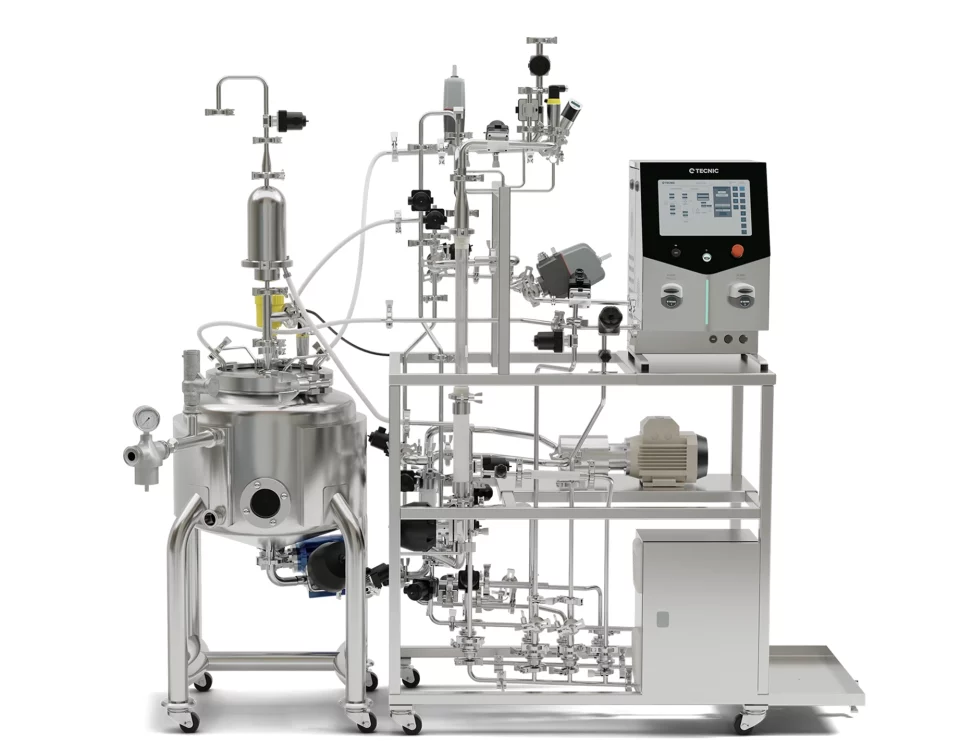
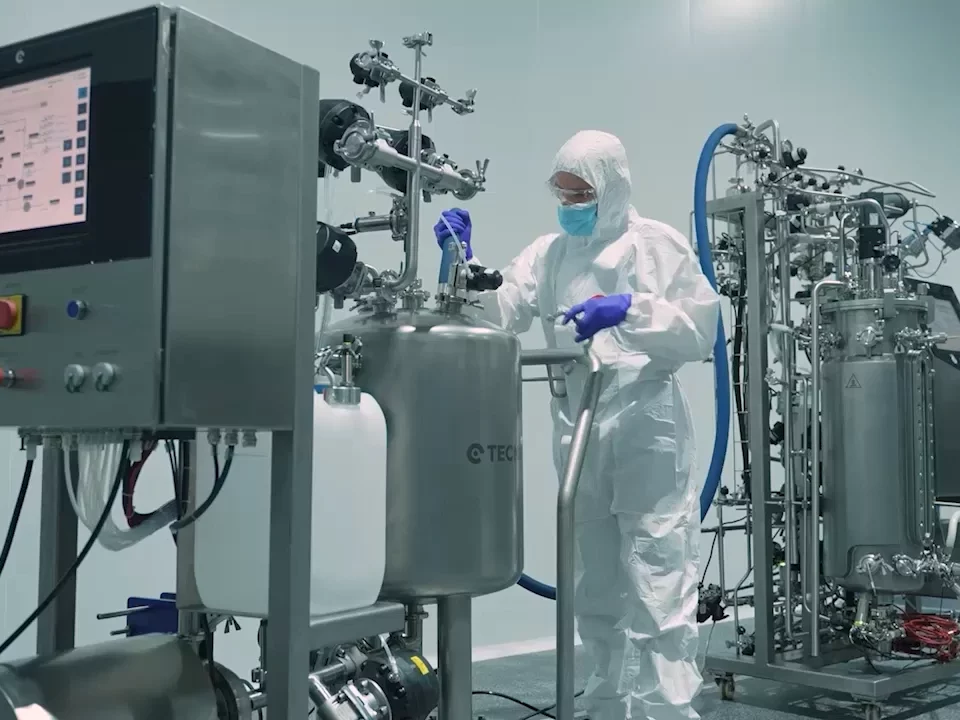
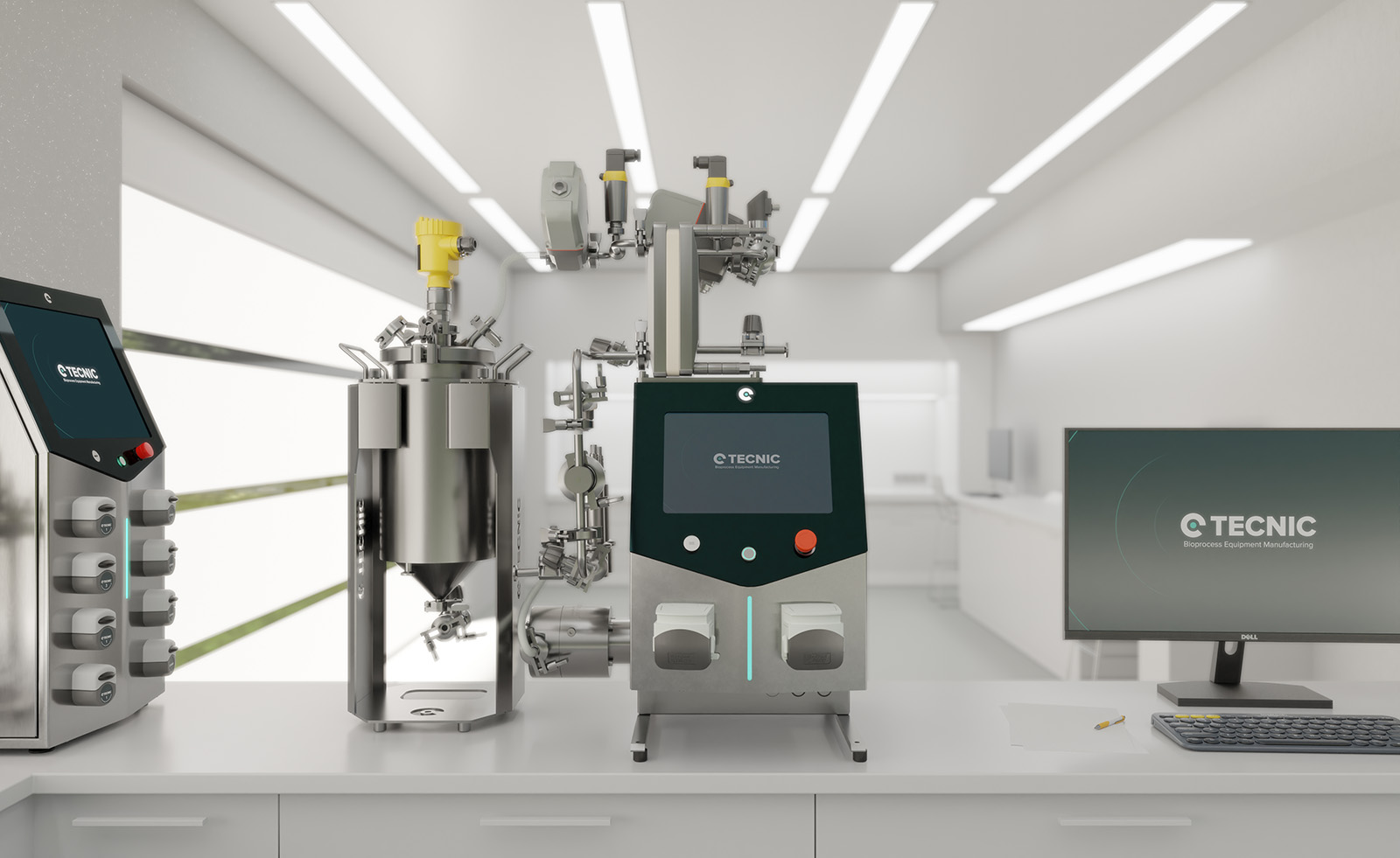
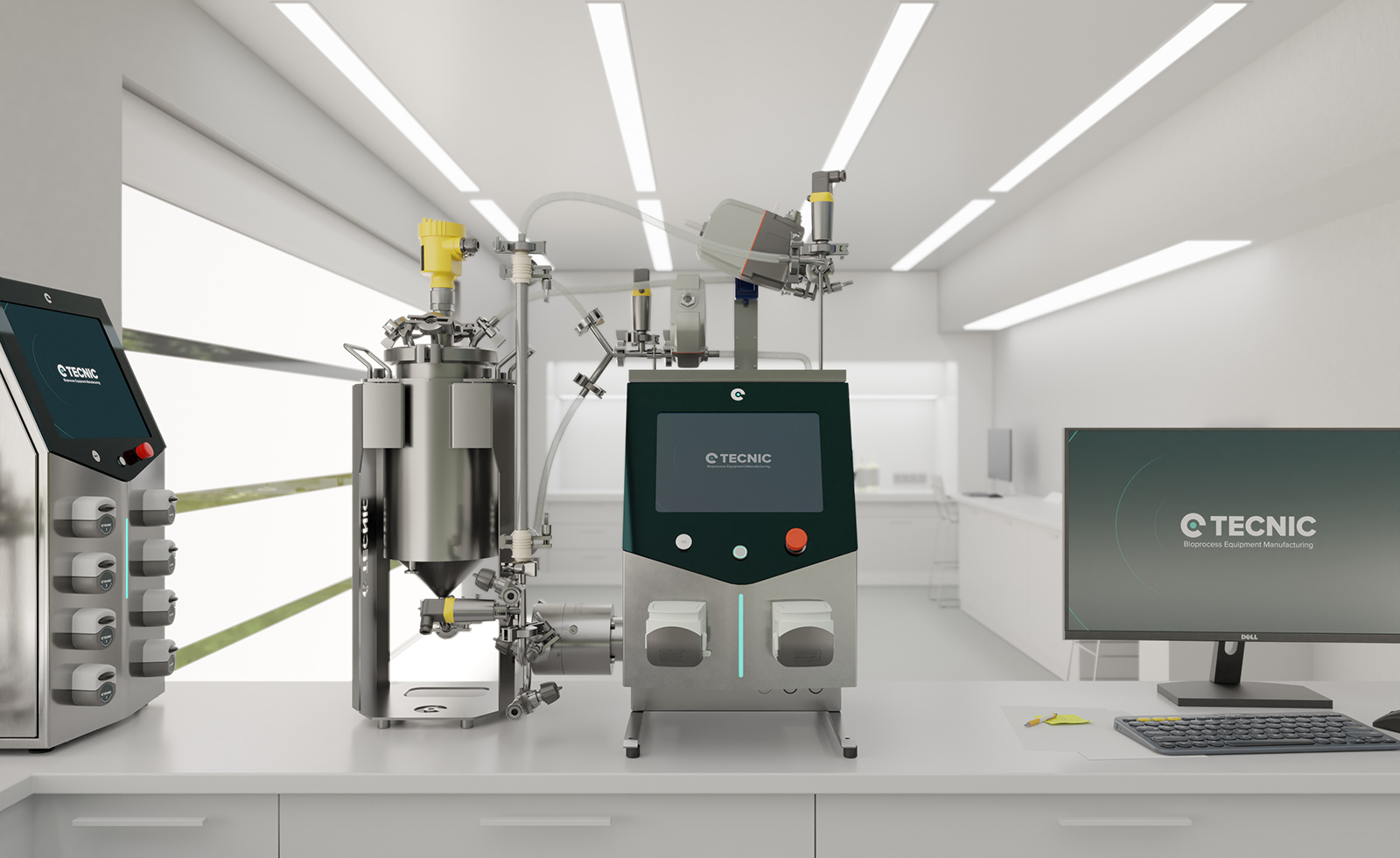
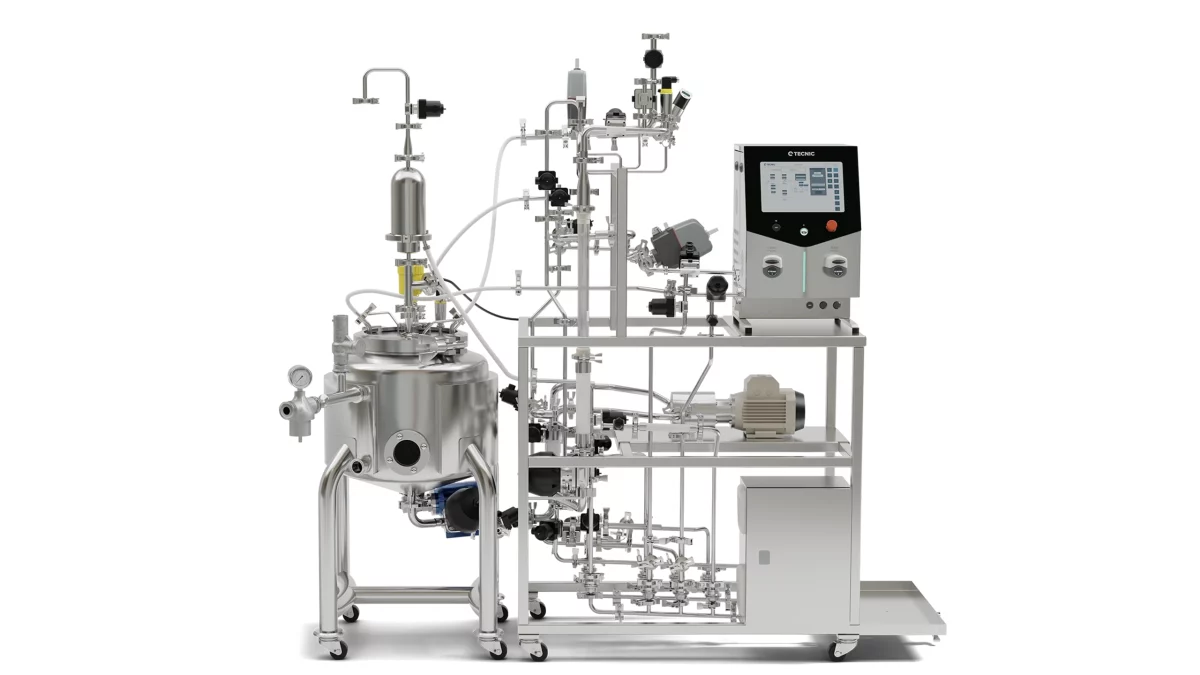
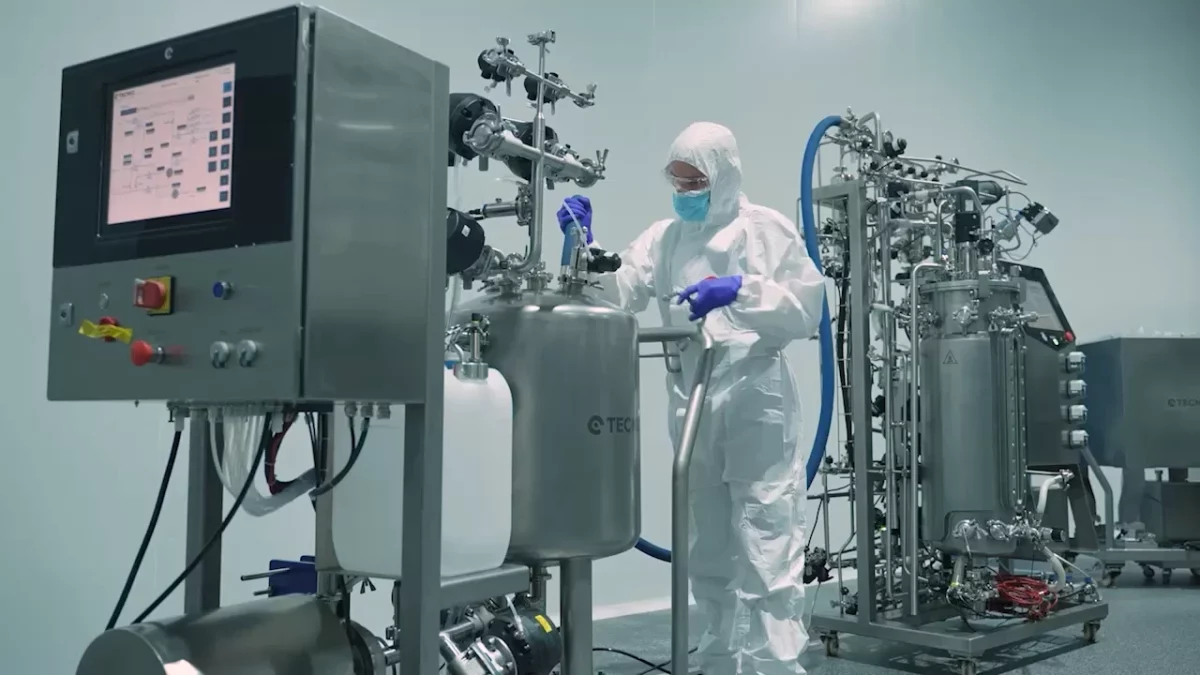
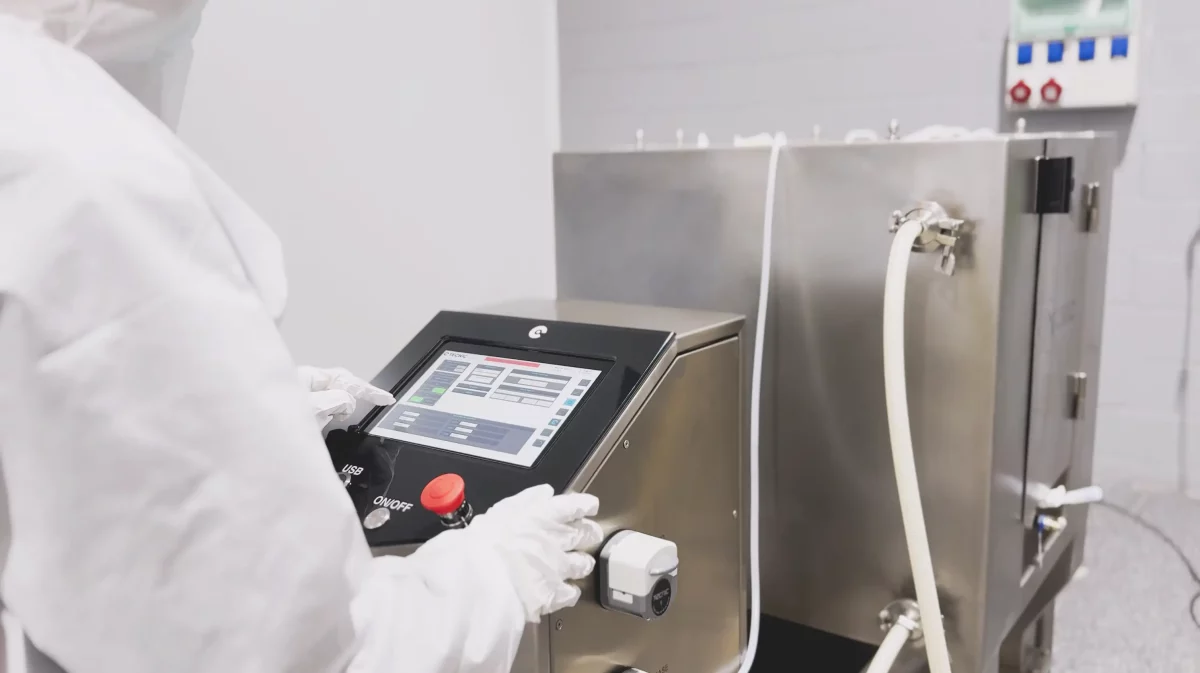
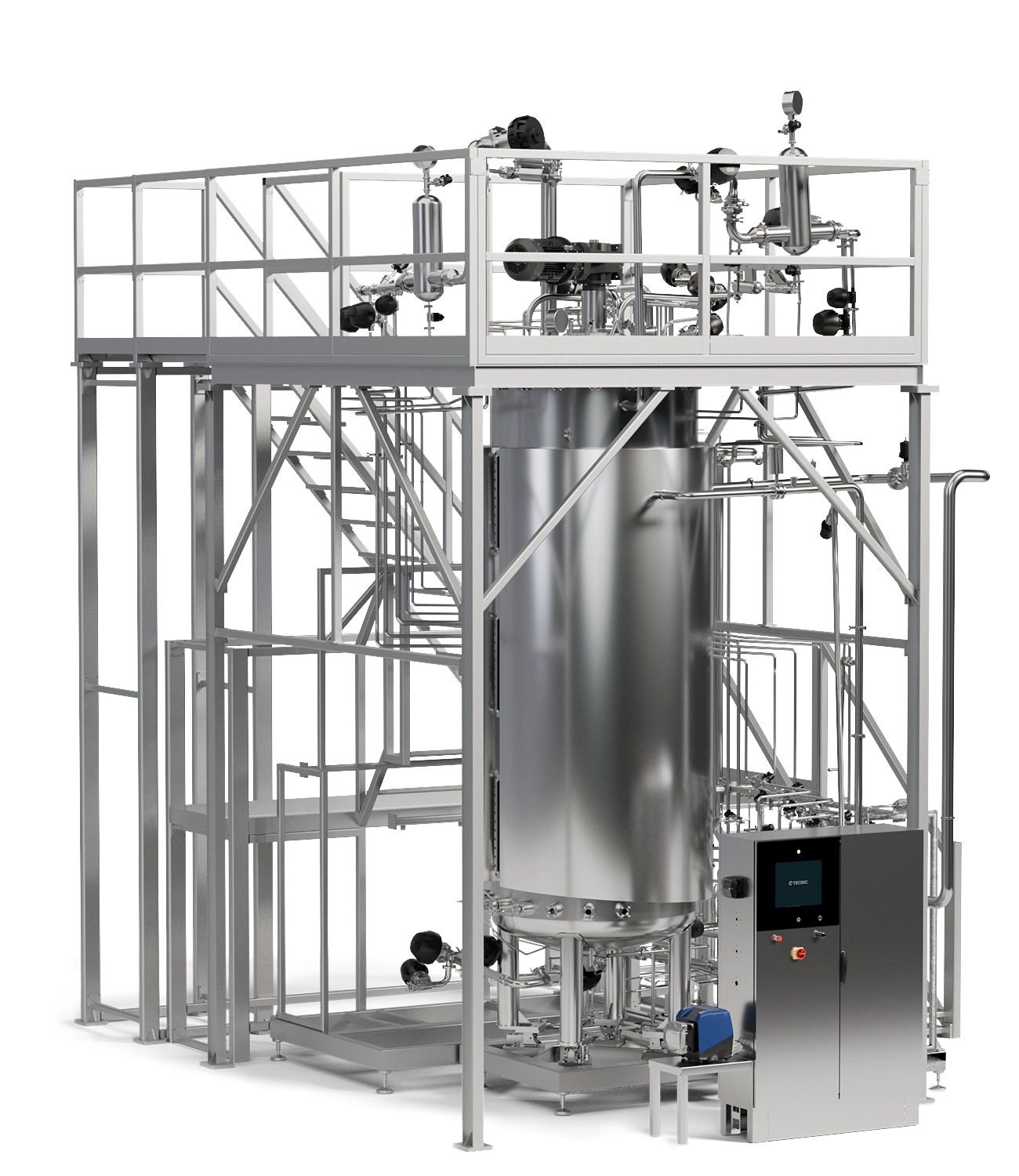
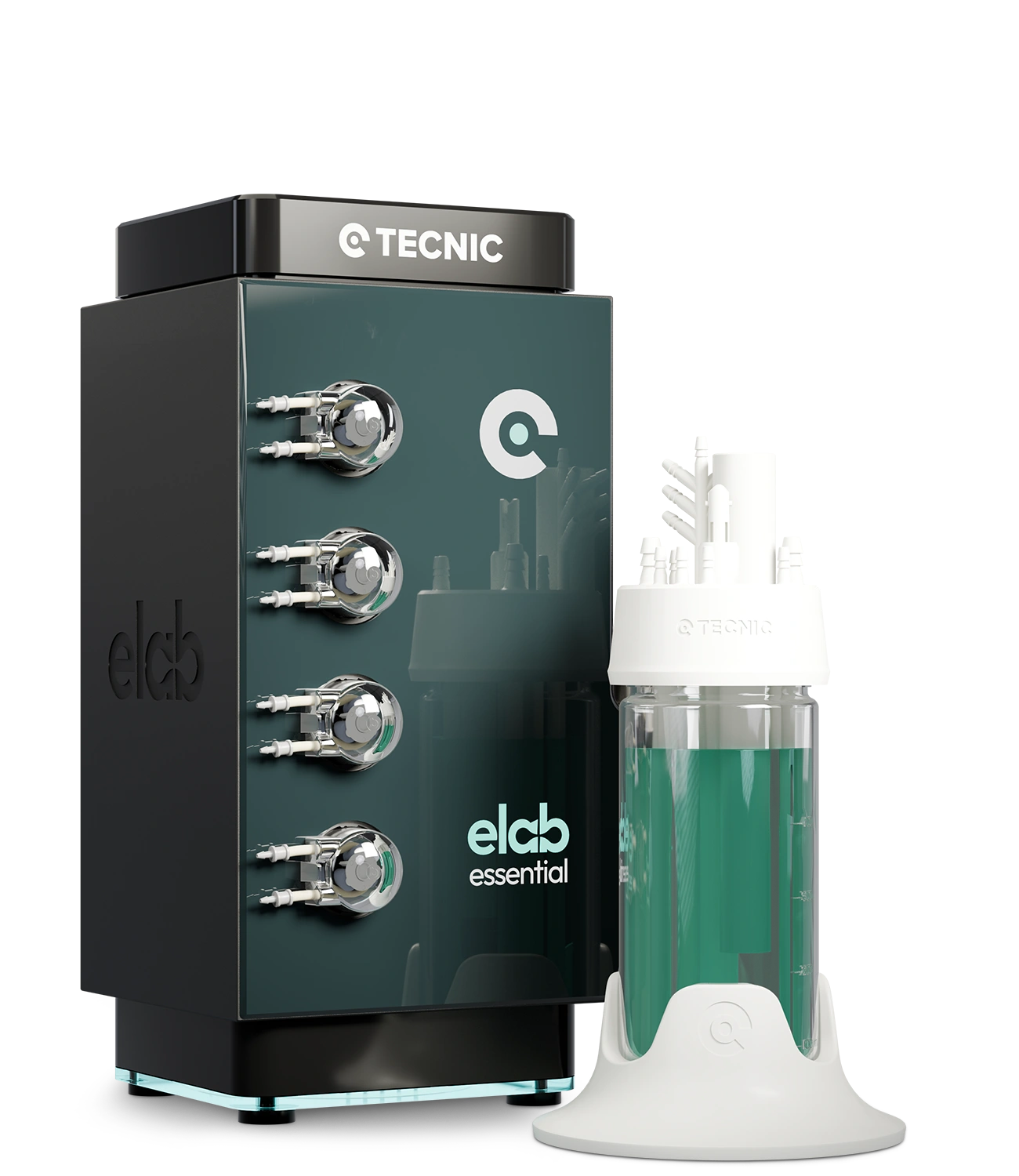
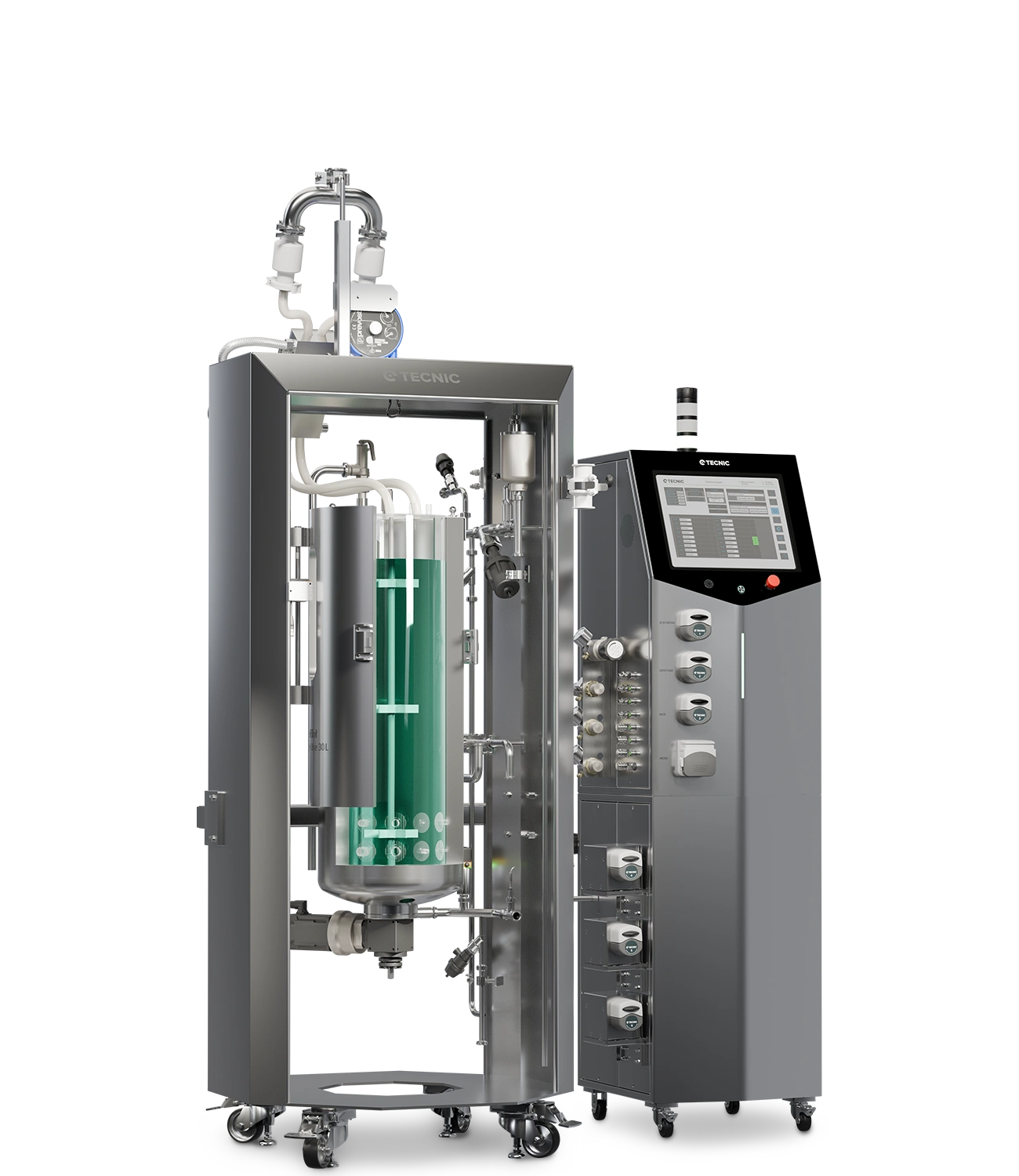
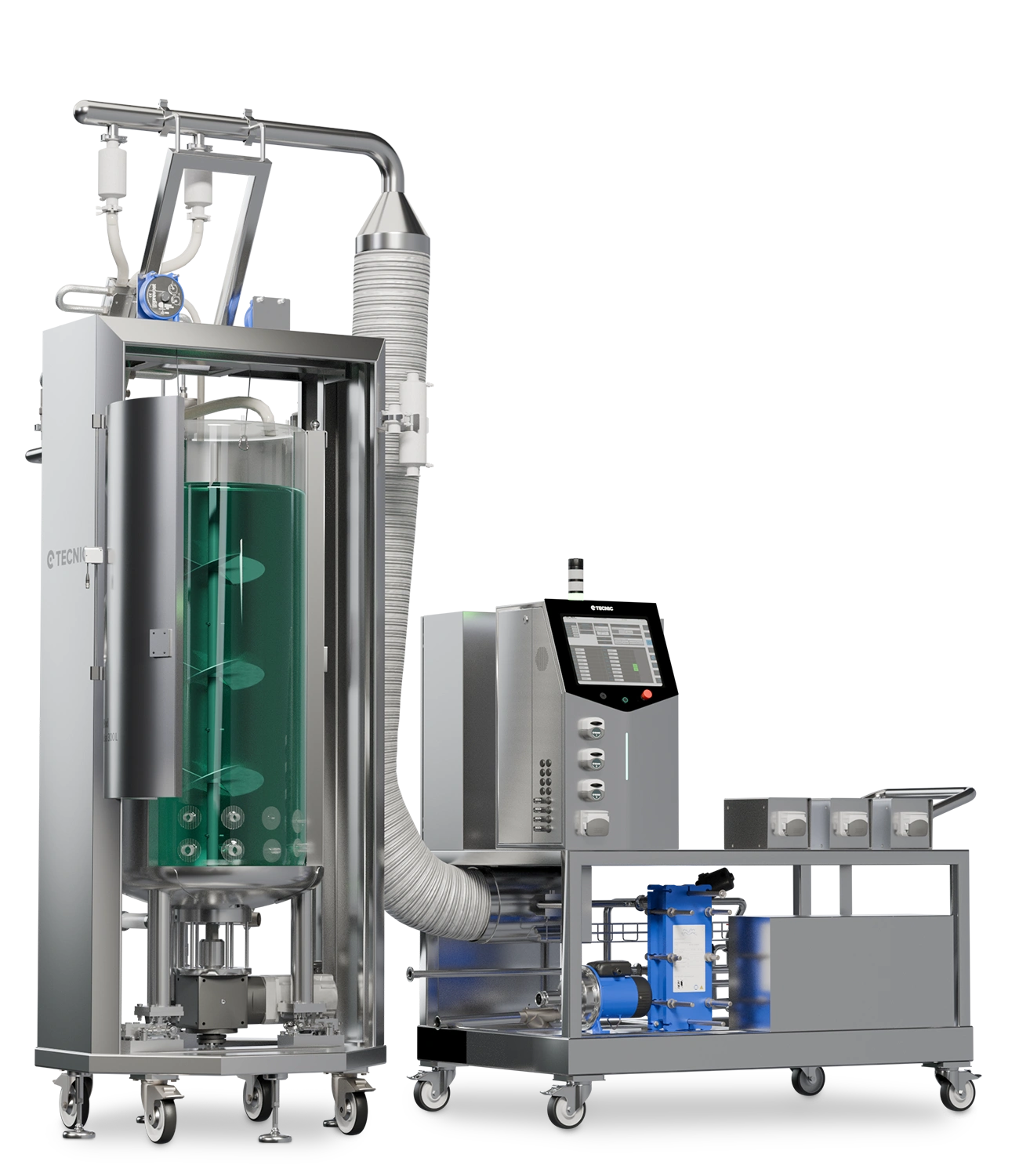
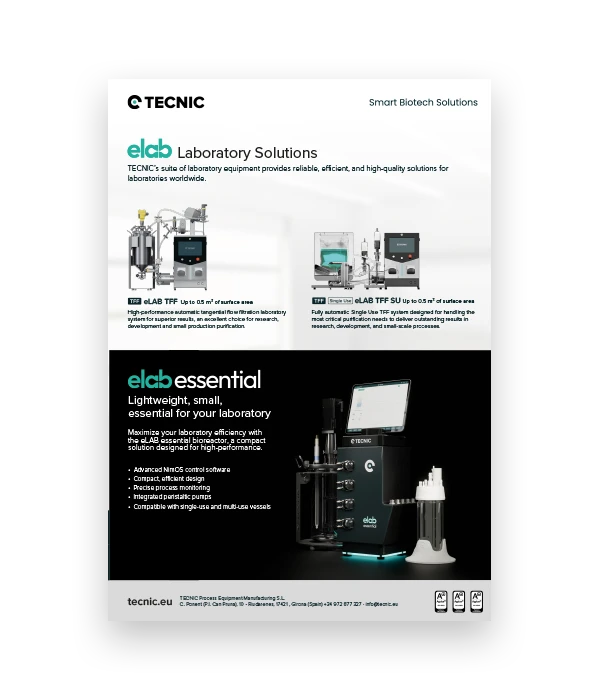
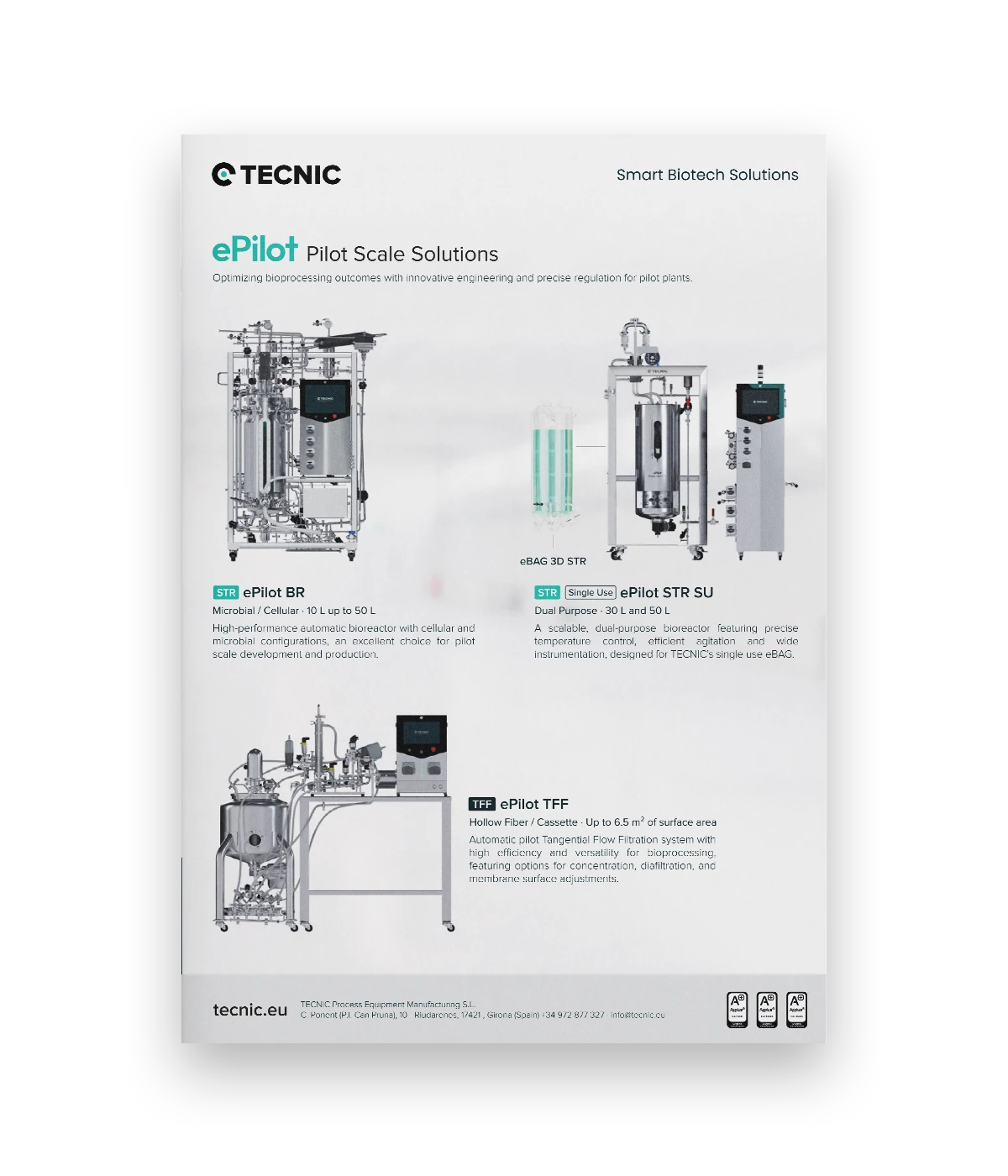
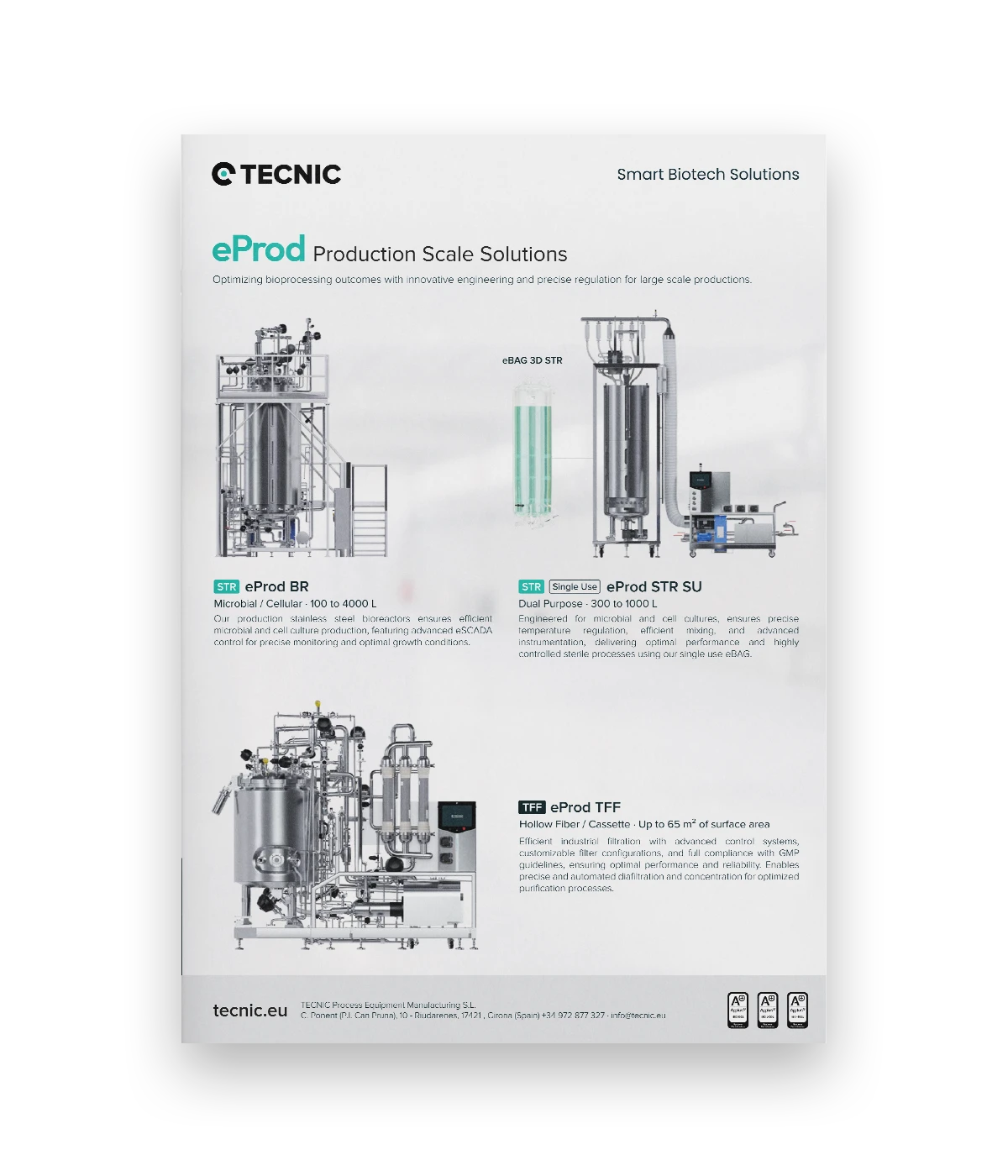
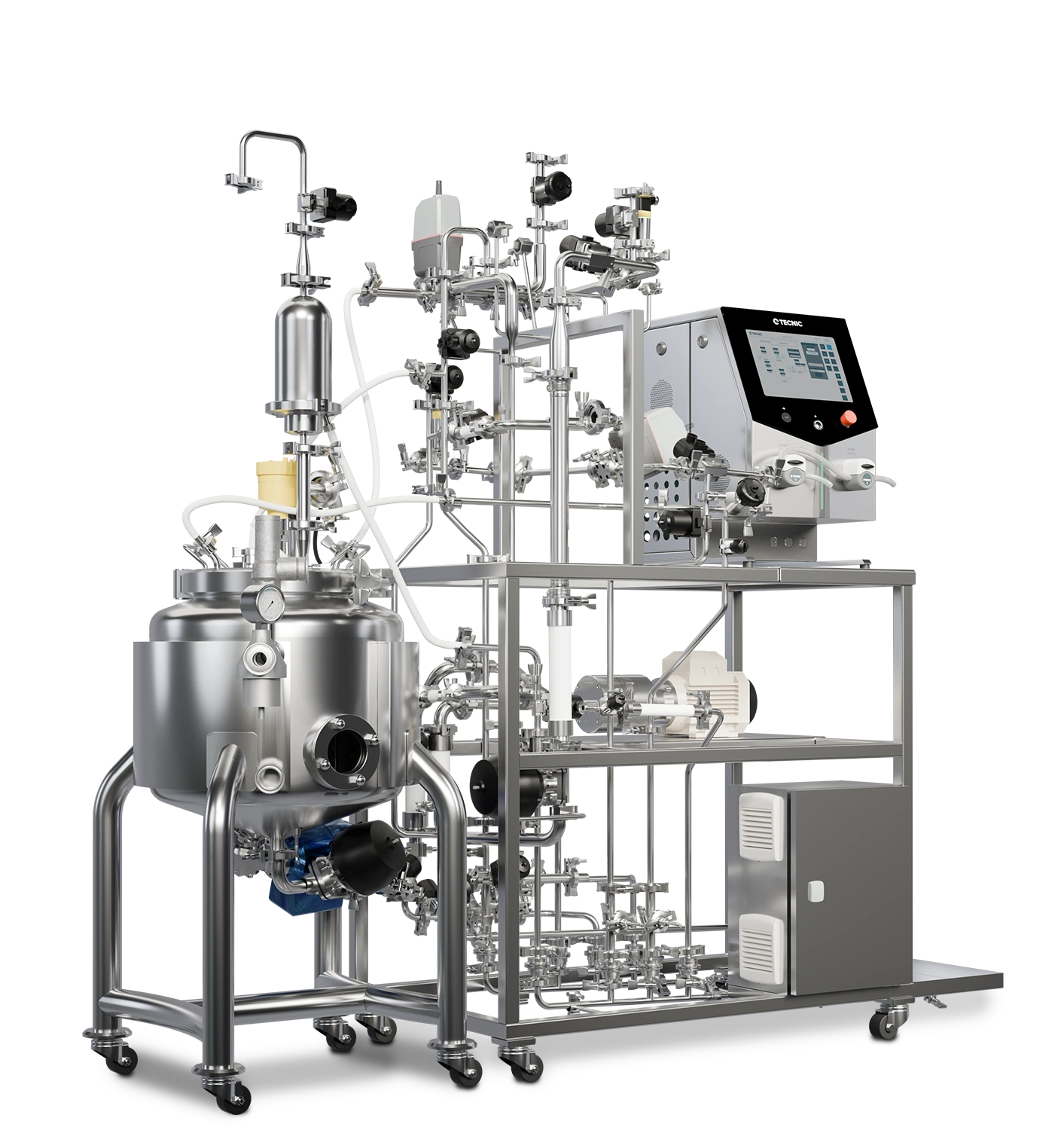
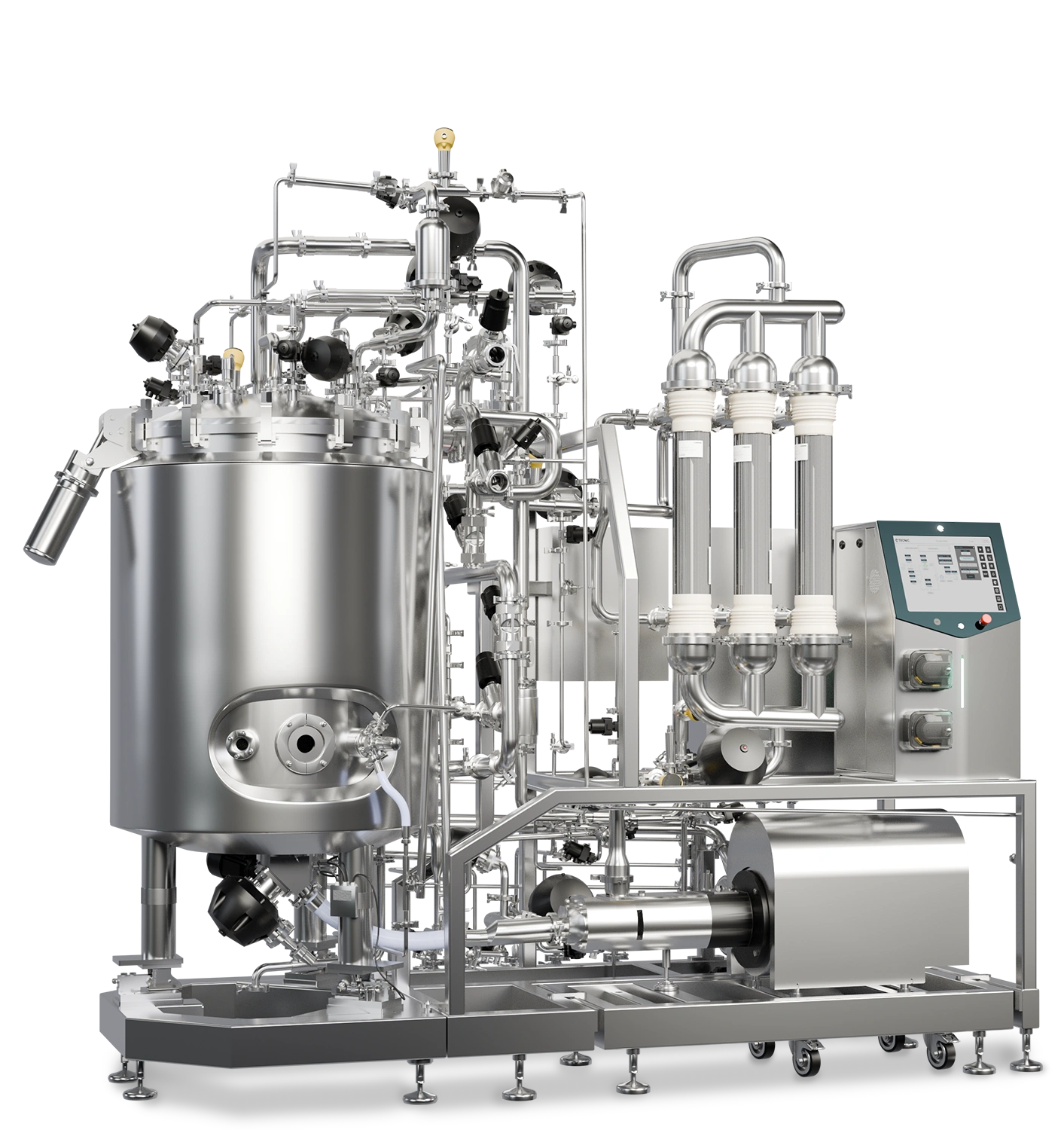
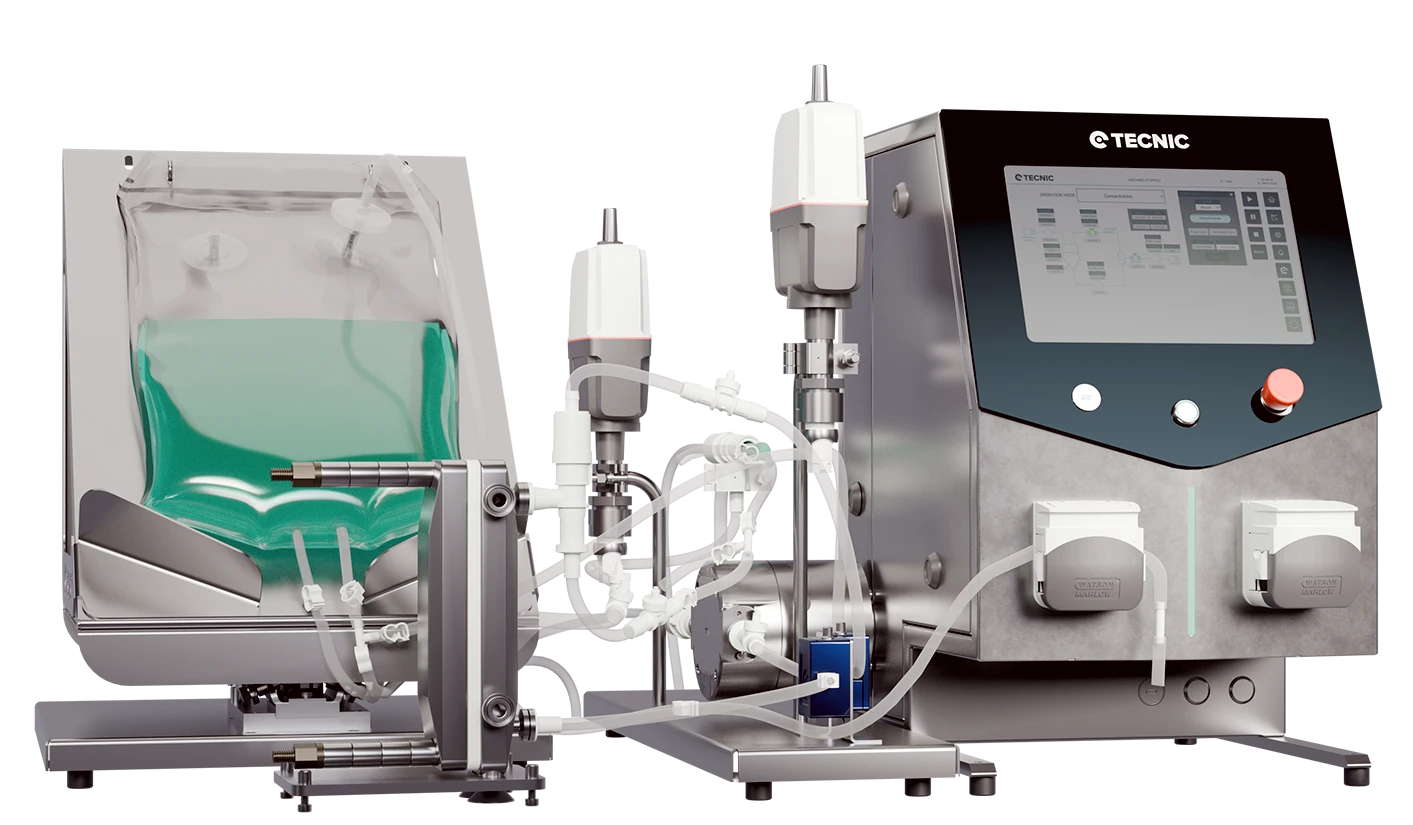
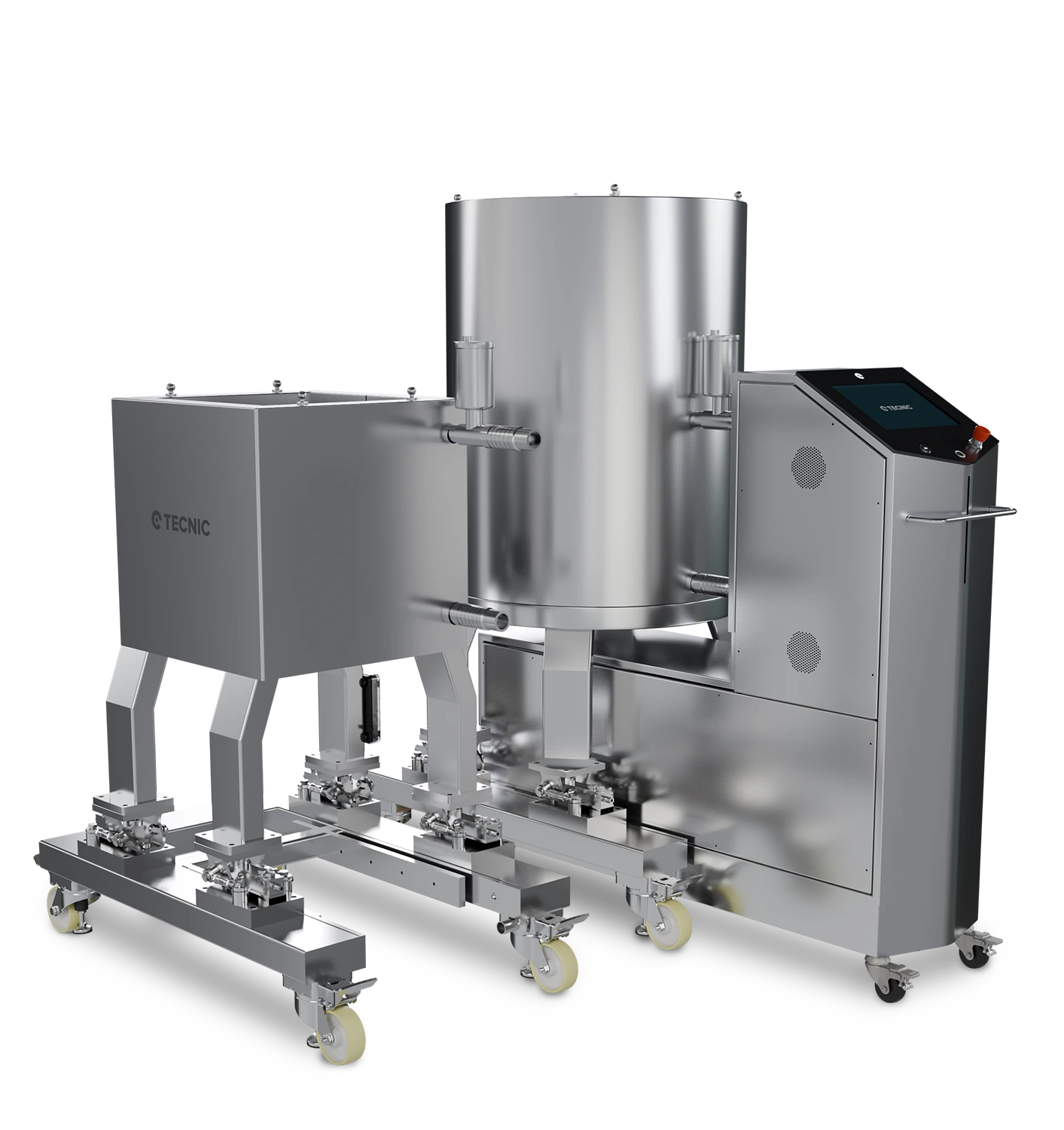
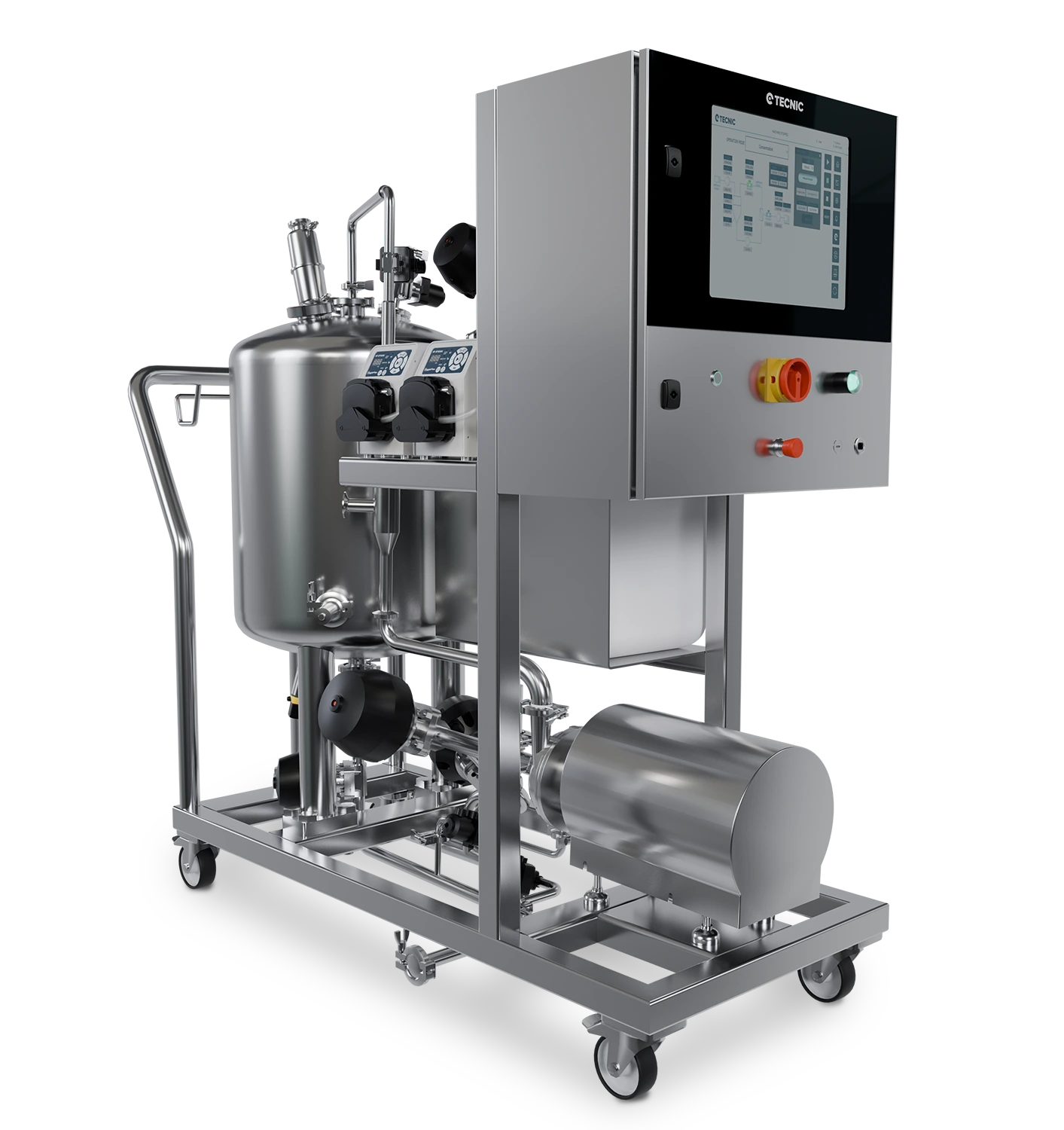
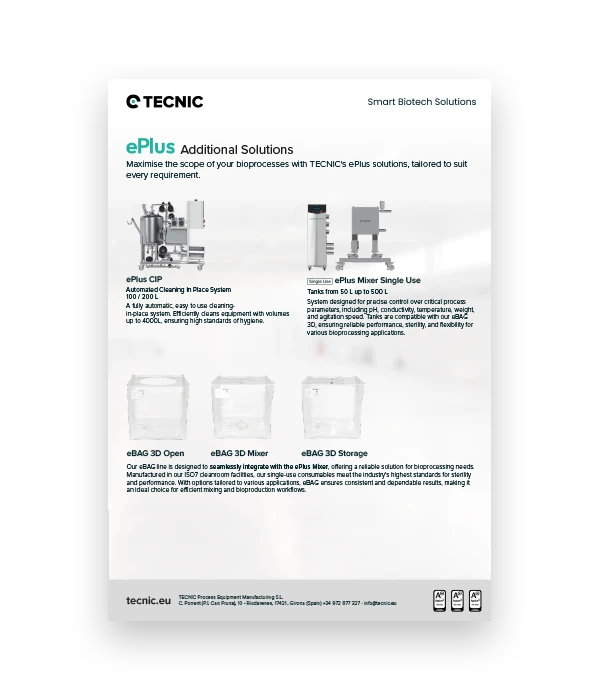
TECNIC fits this topic directly because its portfolio covers both sides of the process. Bioreactors and supporting systems are relevant on the upstream side, while TFF systems and other process technologies support key downstream stages such as concentration, diafiltration and product recovery.
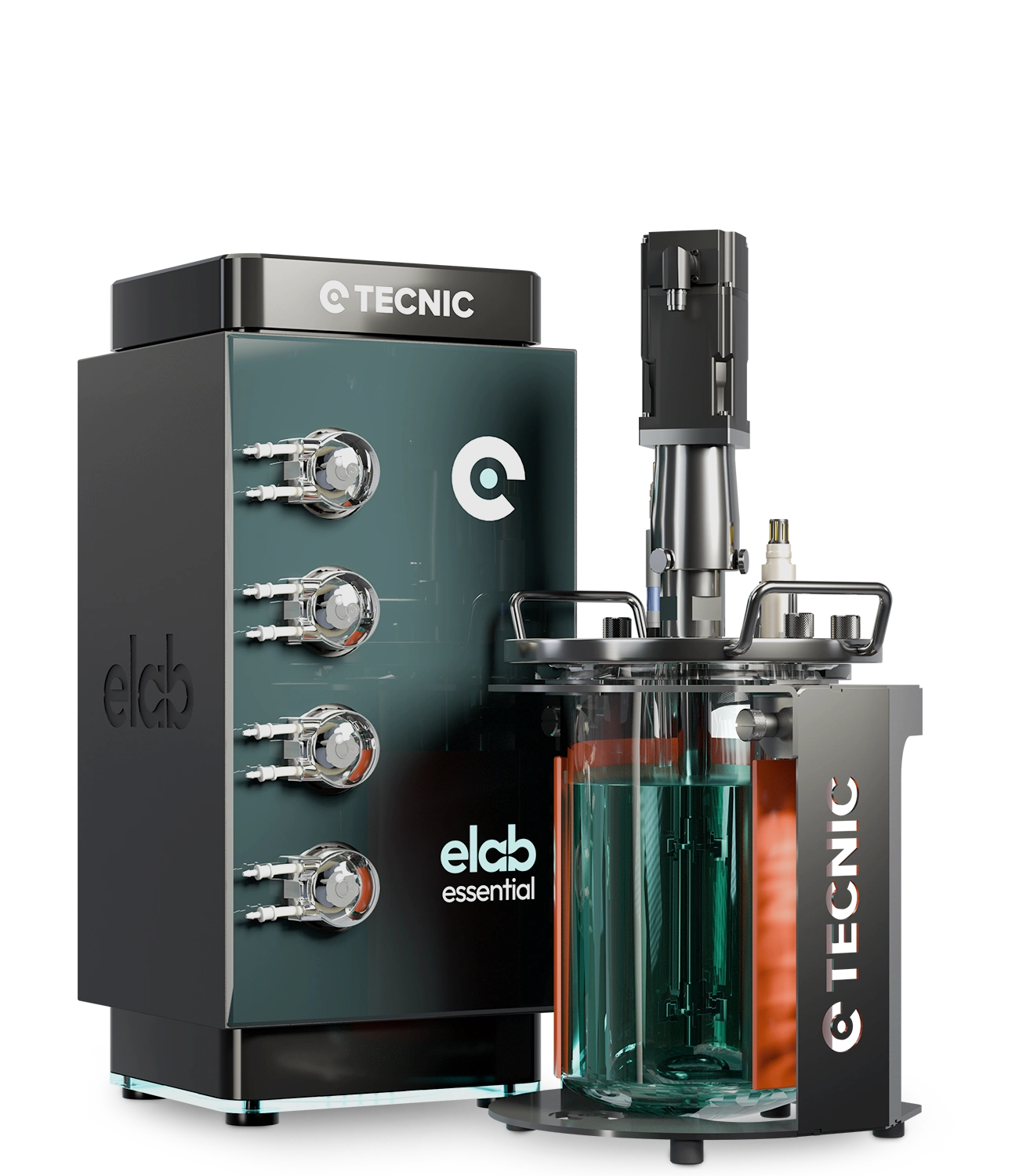
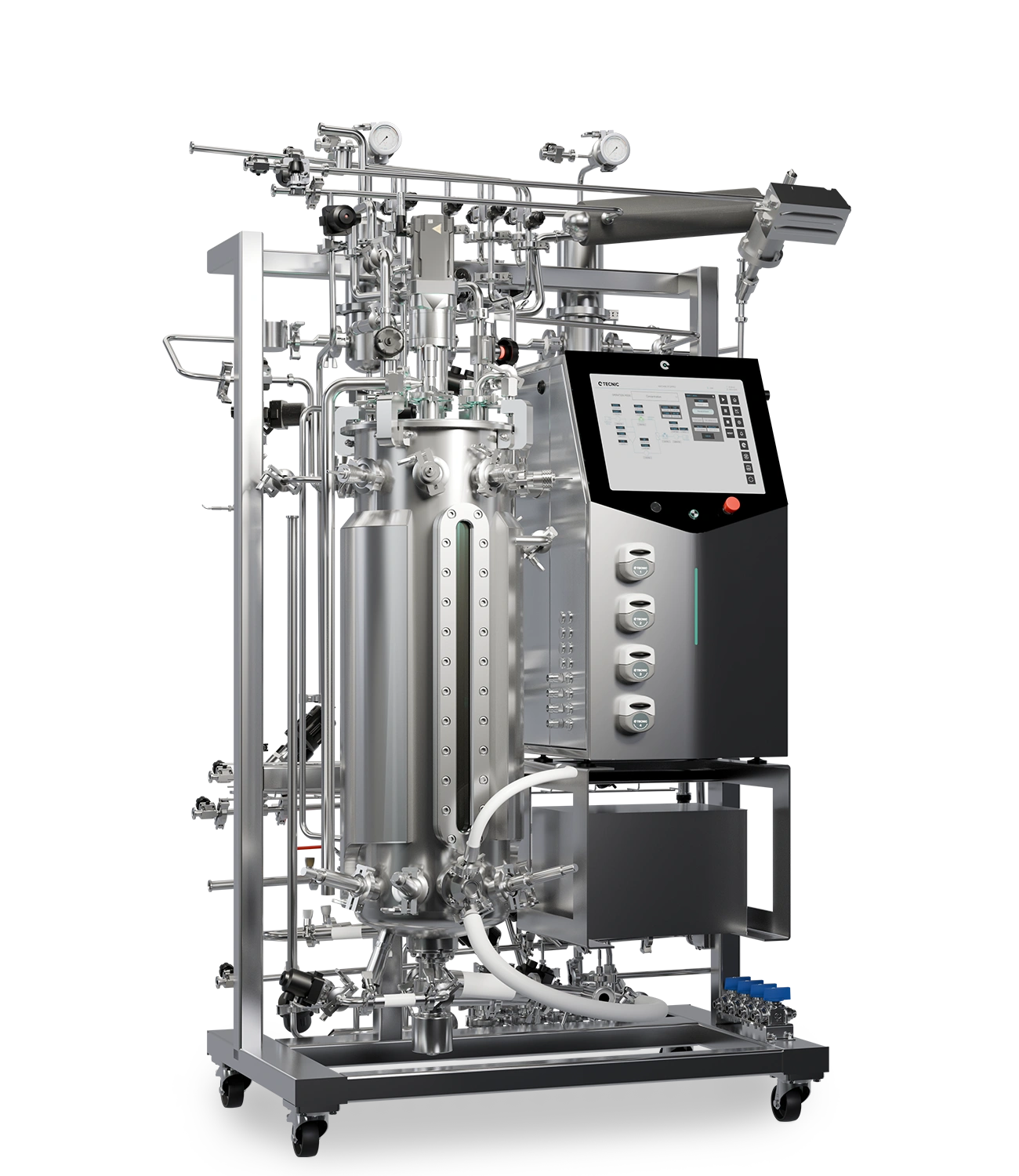
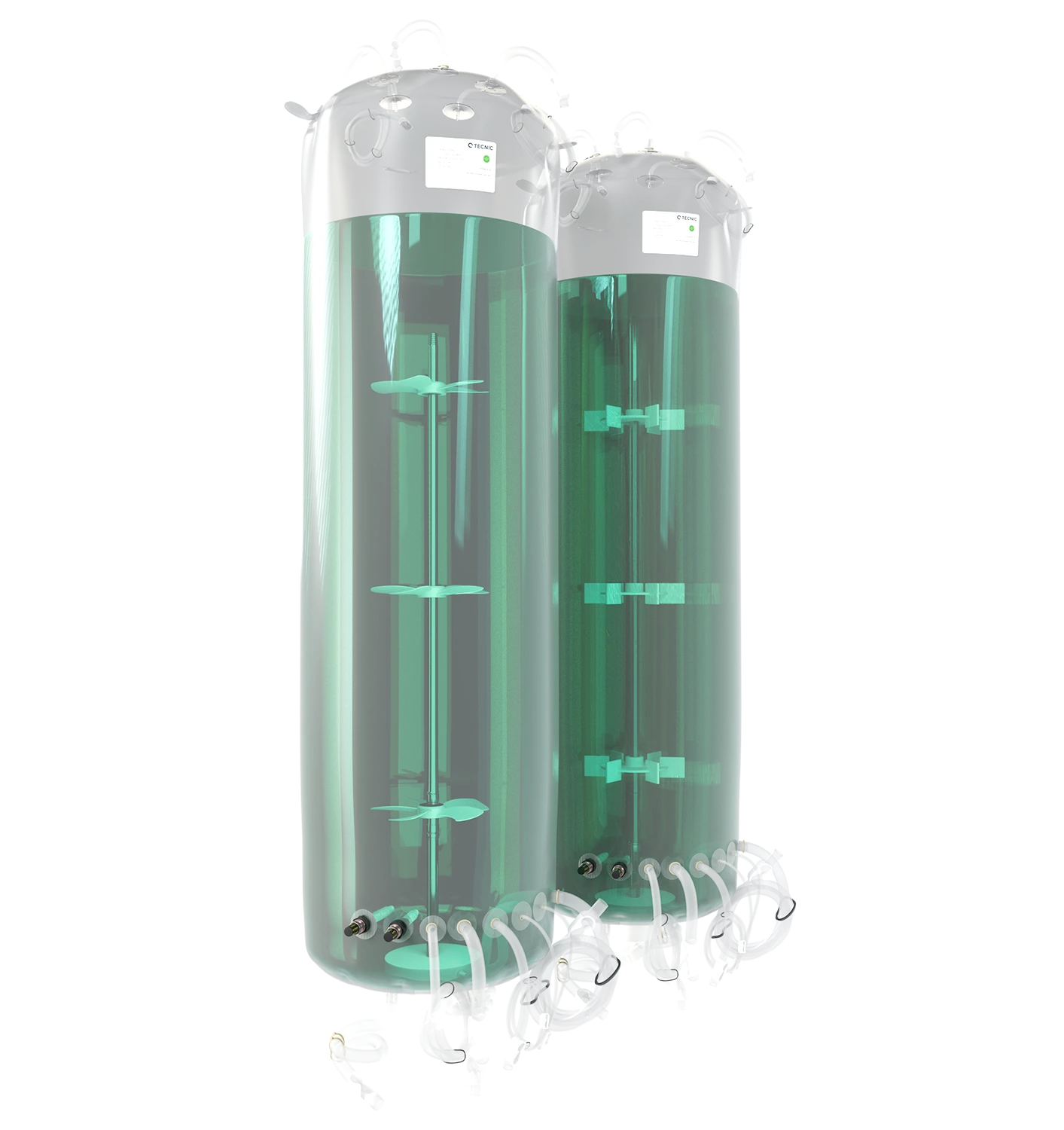
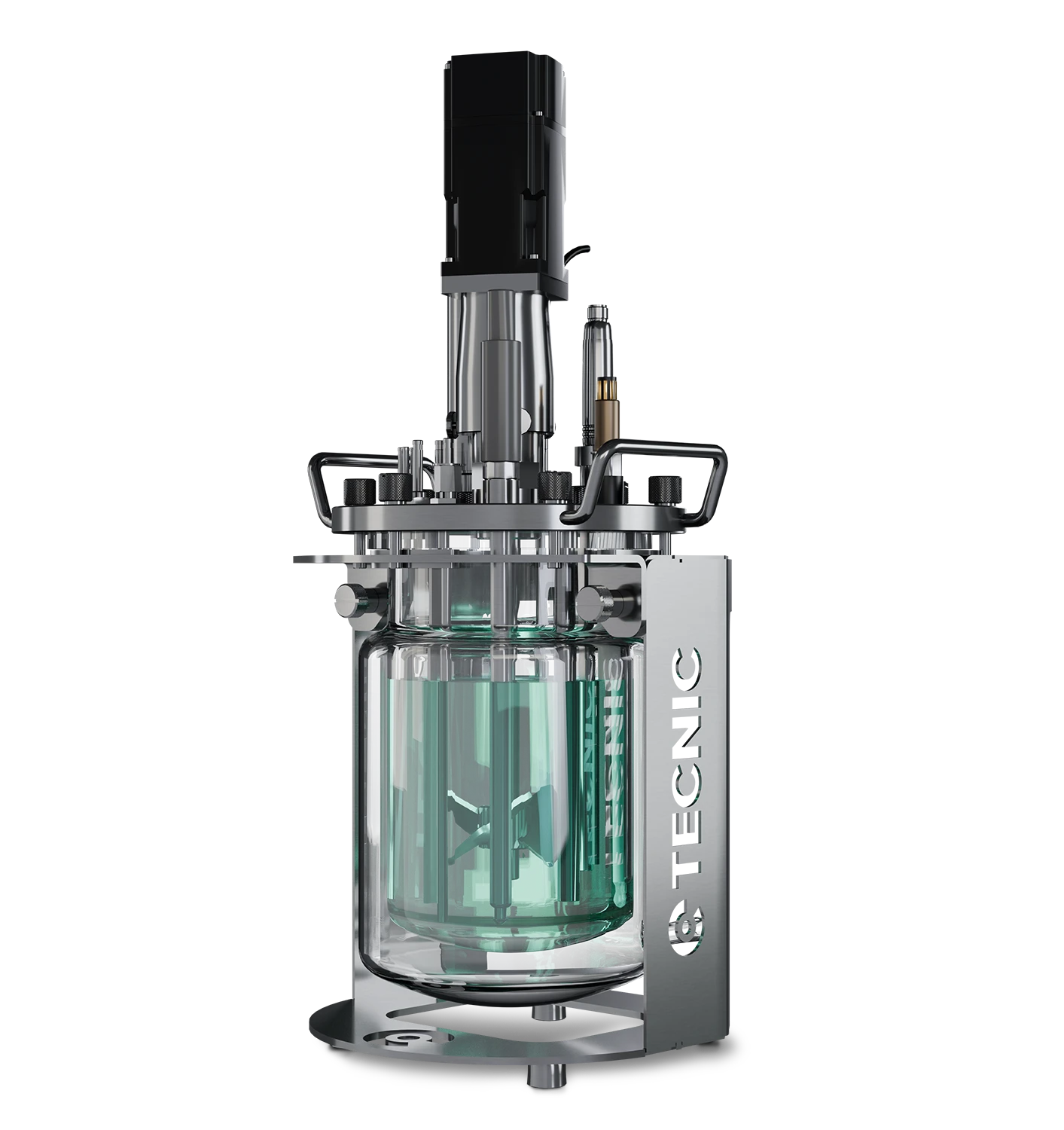
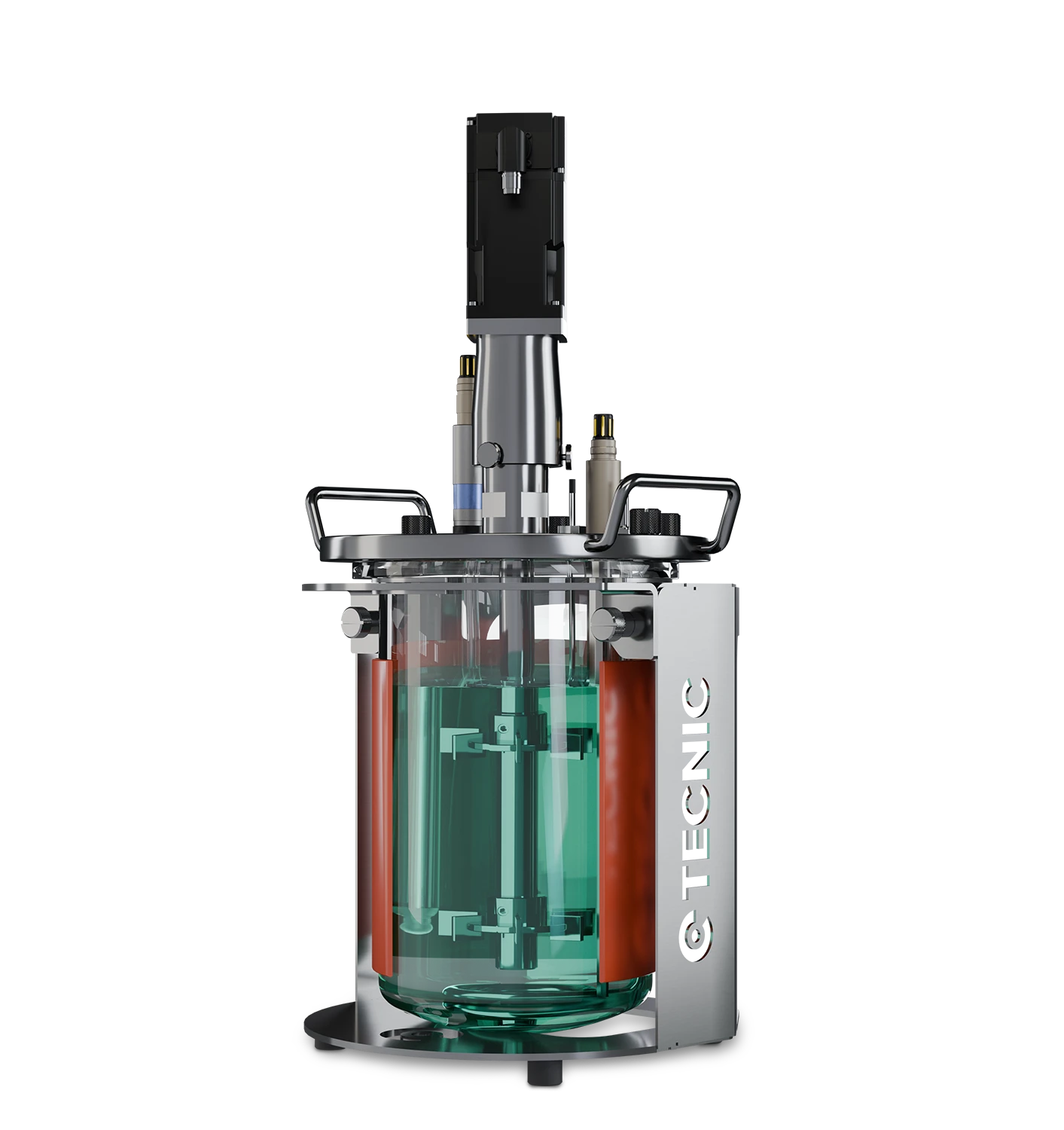
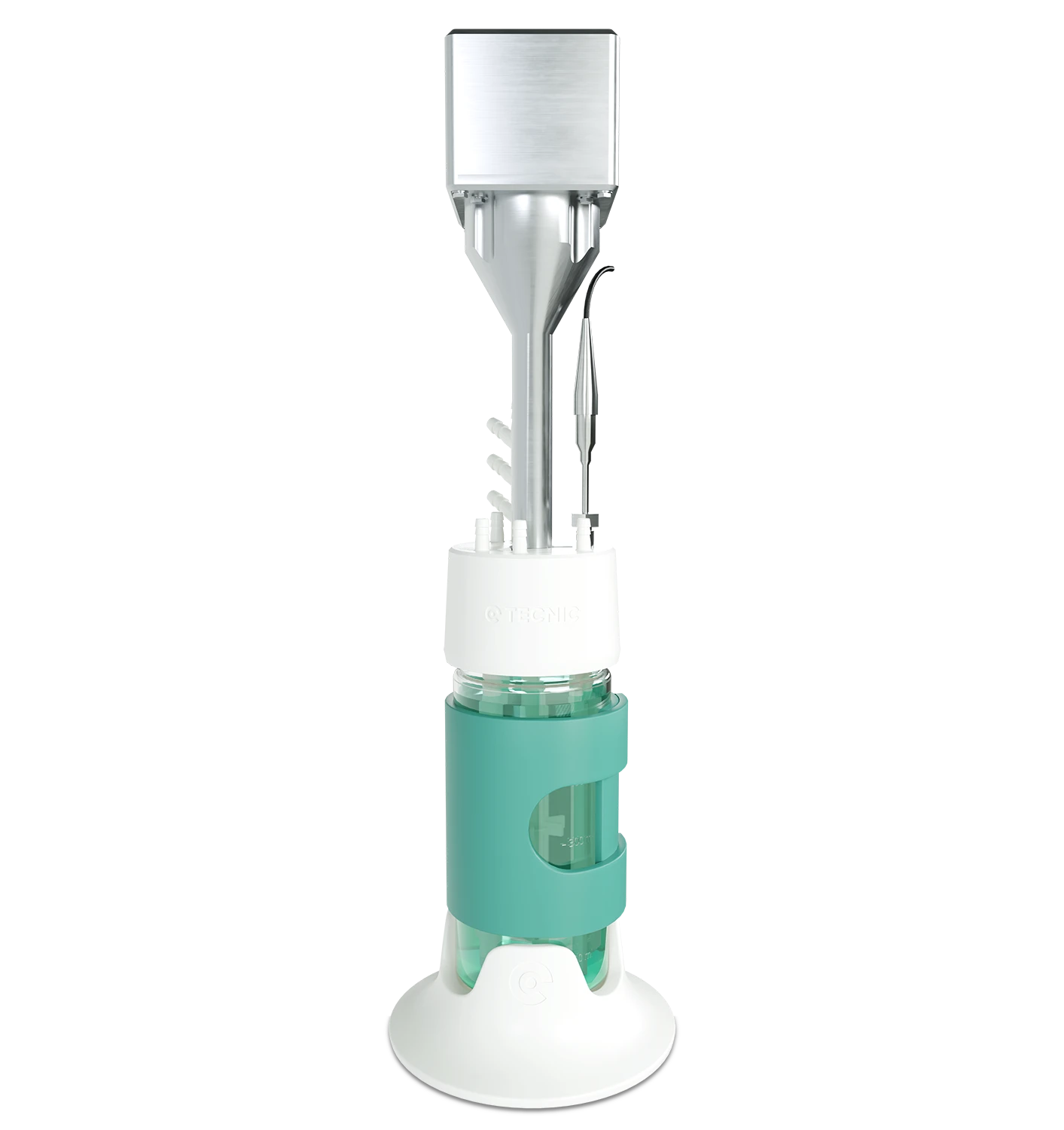
Bioreactors
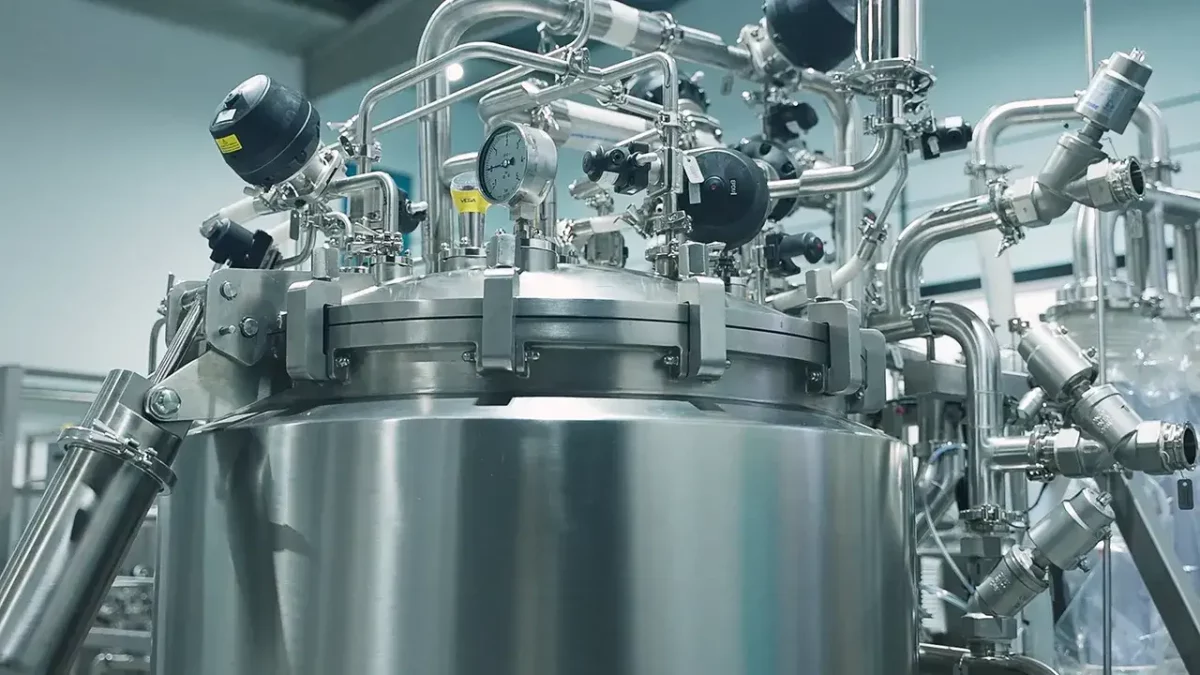
Relevant when the upstream stage needs controlled culture conditions from laboratory to production scale.
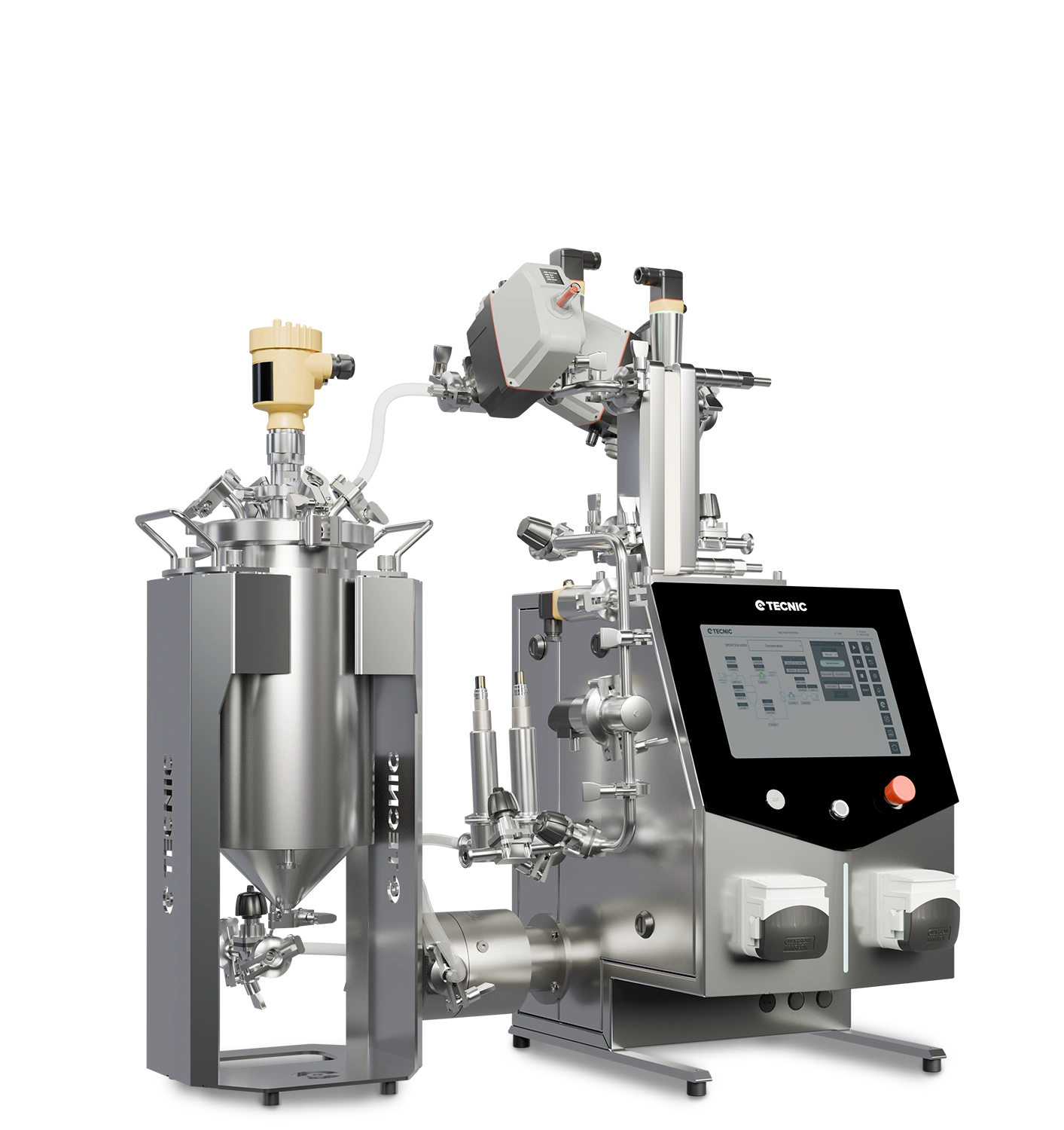
TFF systems
Relevant when downstream processing needs concentration, diafiltration and separation support.
Supporting equipment
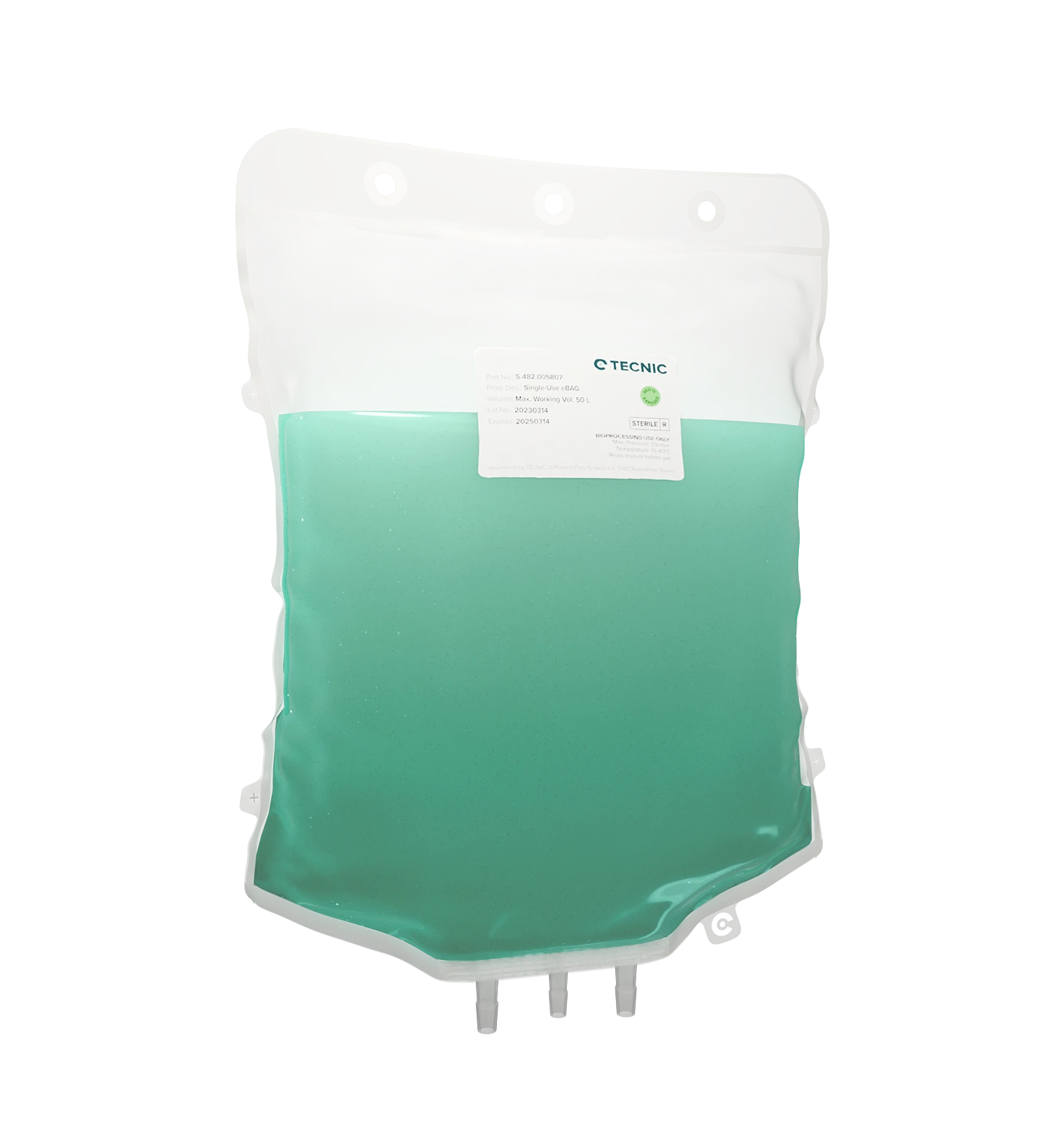
Media preparation, ancillary equipment and process integration also play an important role across the full route.
Contact TECNIC
When upstream and downstream strategy need to be aligned from the start, direct technical discussion is more useful than treating both stages separately.
This article works best when upstream and downstream are framed as one integrated bioprocess, not as disconnected stages.
Frequently asked questions
What is upstream bioprocessing?
It is the stage where cells or microorganisms are prepared and cultivated under controlled conditions to produce the desired biological output.
What is downstream bioprocessing?
It is the stage where the desired product is separated, purified and concentrated from the production mixture.
What is the main difference between upstream and downstream processing?
Upstream focuses on growth and production, while downstream focuses on recovery, purification and final product preparation.
Why are upstream and downstream both important?
Because the final product can only succeed if it is generated efficiently upstream and recovered with the right purity and yield downstream.
Is TFF considered upstream or downstream?
In most biotech workflows, TFF is mainly considered a downstream technology because it is commonly used for concentration, diafiltration and purification support.
Reviewing how your upstream and downstream strategy should connect?
Explore TECNIC’s bioprocess solutions or speak with our team to review the right combination of upstream and downstream technologies for your workflow.